
Dragon Trailers For Sale in Texas

Have dragon trailer to sell? List it here to reach thousands of buyers.
Dragon Trailers in Texas
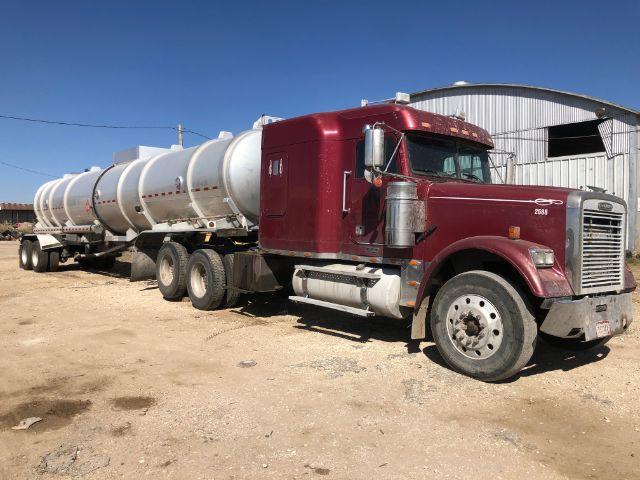
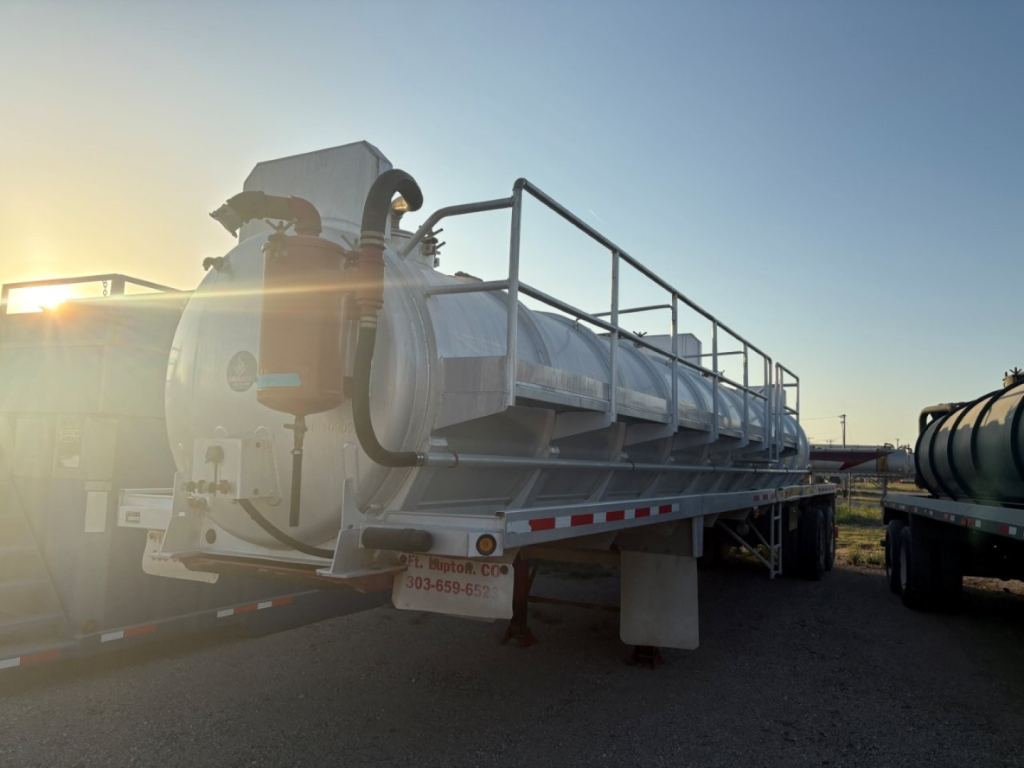
On used Dragon crude tankers, the smartest buying decision usually comes down to inspection history and running gear condition. Look for current cargo tank test intervals, kingpin inspection records, brake condition, suspension type, wheel-end service, and the state of emergency valves, vapor recovery plumbing, and sump components. Aluminum crude tanks help control tare weight and can be attractive when payload matters, while steel vacuum trailers are common in non-code service where durability and lower upfront cost are priorities. Tandem axle setups are common, and in Texas it is normal to see air ride or spring suspension depending on the application, road conditions, and maintenance preference.
Capacity and layout should match the work. A 130 BBL Dragon vacuum trailer is often chosen for shorter-cycle oilfield service where a simpler spec, sight glasses, drum brakes, and standard tire sizes keep operating costs predictable. A 200 BBL crude trailer is more about legal transport, product compatibility, and uptime under inspection requirements. Buyers should verify barrel rating, overall length, axle configuration, tire size, and whether the trailer includes key equipment such as pumps, gauge systems, wet or dry valves, and rear vapor connections. On tank trailers, small component differences can affect loading speed, unloading efficiency, and compliance.
Dragon has long been associated with tank trailers that are built for hard field use, so condition matters more than model year alone. In Texas, it is worth checking for corrosion, prior repairs, tank cleaning history, blast and paint work on the chassis, ABS function, and any recent replacement of fenders, gaskets, brake components, or display and monitoring systems. A clean inspection file and a trailer that has already had its leak, pressure, internal, and external tests addressed can save substantial downtime. Buyers comparing Dragon trailers should focus on spec fit, test compliance, and how the trailer’s barrel capacity and tank code align with the exact fluids and routes they plan to run.
Frequently Asked Questions about Dragon Trailers in Texas
What are Dragon trailers most commonly used for in Texas?
Dragon trailers are commonly used in Texas oilfield service for crude oil hauling and vacuum fluid service. The most common configurations in this category are DOT-spec crude oil tank trailers around 200 BBL and non-code vacuum trailers around 130 BBL. The right application depends on whether the trailer will be hauling regulated petroleum loads over the road or supporting field operations such as fluid recovery and production service.
What is the difference between a Dragon crude oil trailer and a Dragon vacuum trailer?
A Dragon crude oil trailer is generally a cargo tank built for transporting petroleum products under applicable DOT cargo tank requirements, with compliance testing, valves, vents, and documentation playing a major role in purchase decisions. A Dragon vacuum trailer is typically used for oilfield service work and may be a non-code unit designed for collecting and moving fluids rather than regulated crude transport. Buyers should confirm the tank code, intended commodity, unloading system, and legal requirements before purchase.
What should I inspect first on a used Dragon tank trailer?
Start with test and inspection status, then move to the tank and running gear. On a crude oil trailer, verify current pressure, leakage, internal, external, and kingpin inspections if applicable. After that, check the condition of valves, gaskets, vapor lines, emergency shutoffs, suspension, brakes, tires, wheel seals, ABS, and any pump or gauge equipment. Tank lining condition, prior repairs, and documented maintenance can be just as important as the trailer’s age.
Is aluminum or steel better on a Dragon tank trailer?
Aluminum is often preferred on crude oil tank trailers when lower tare weight and payload efficiency matter. Steel is common on vacuum trailers where ruggedness, repair familiarity, and purchase price are bigger considerations. Neither is automatically better in every application. The better choice depends on the commodity, weight targets, corrosion exposure, and how the trailer will be used day to day.
How do I choose the right barrel capacity on a Dragon trailer?
Choose barrel capacity based on the type of work, legal weight limits, route profile, and loading cycle. A 130 BBL vacuum trailer can make sense for field service where maneuverability and shorter haul cycles matter. A 200 BBL crude trailer is more aligned with over-the-road petroleum transport where maximizing legal payload and maintaining compliance are priorities. Capacity should be evaluated together with axle setup, tank material, and the actual fluid being hauled.