
Dolly Trailers For Sale in Iowa
No exact matches found for your search
Showing Dolly Trailers instead.
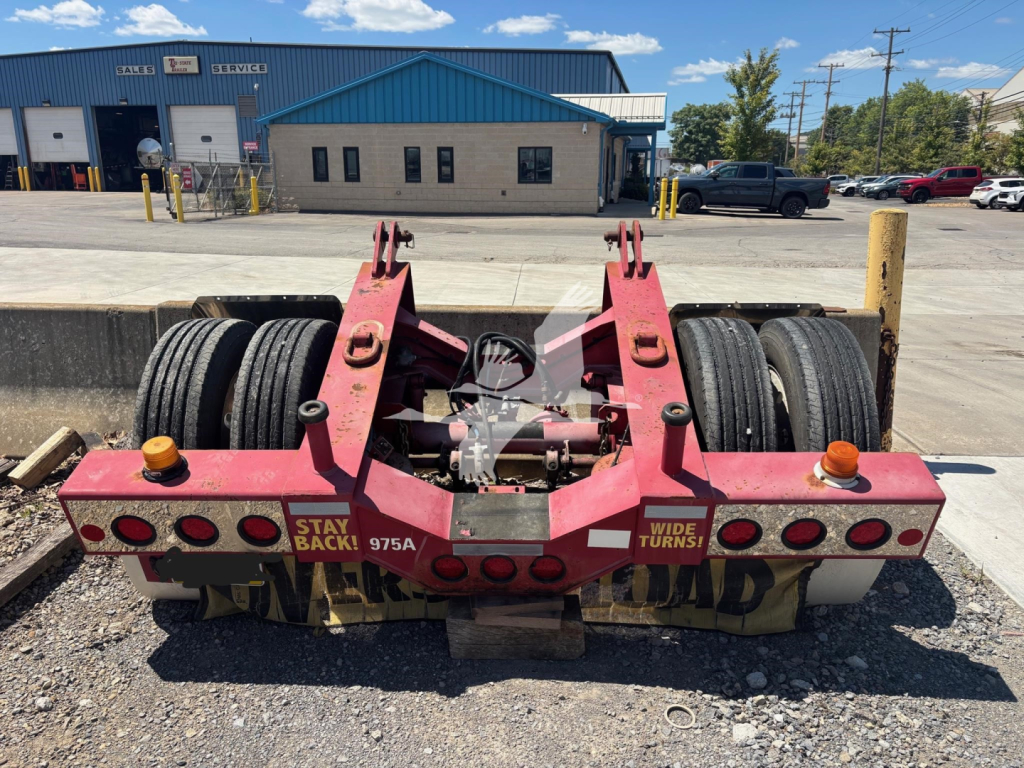
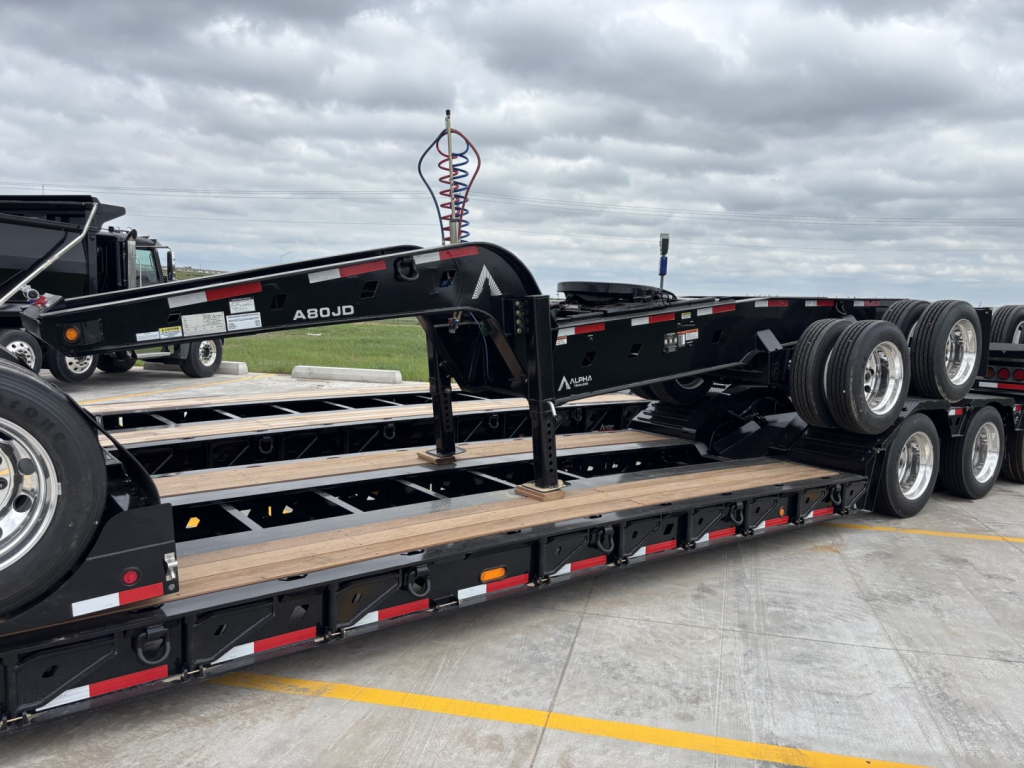
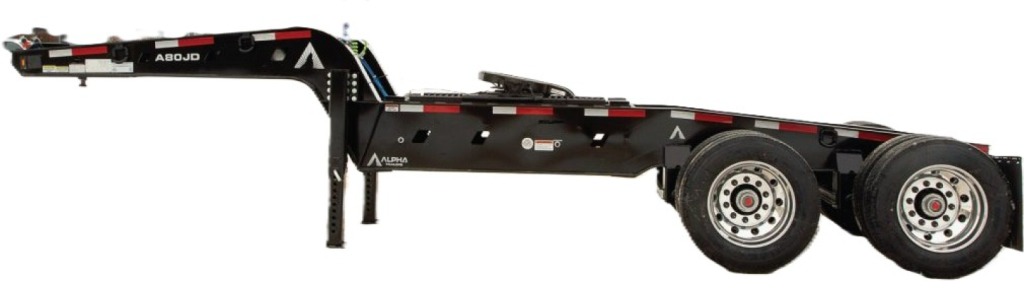
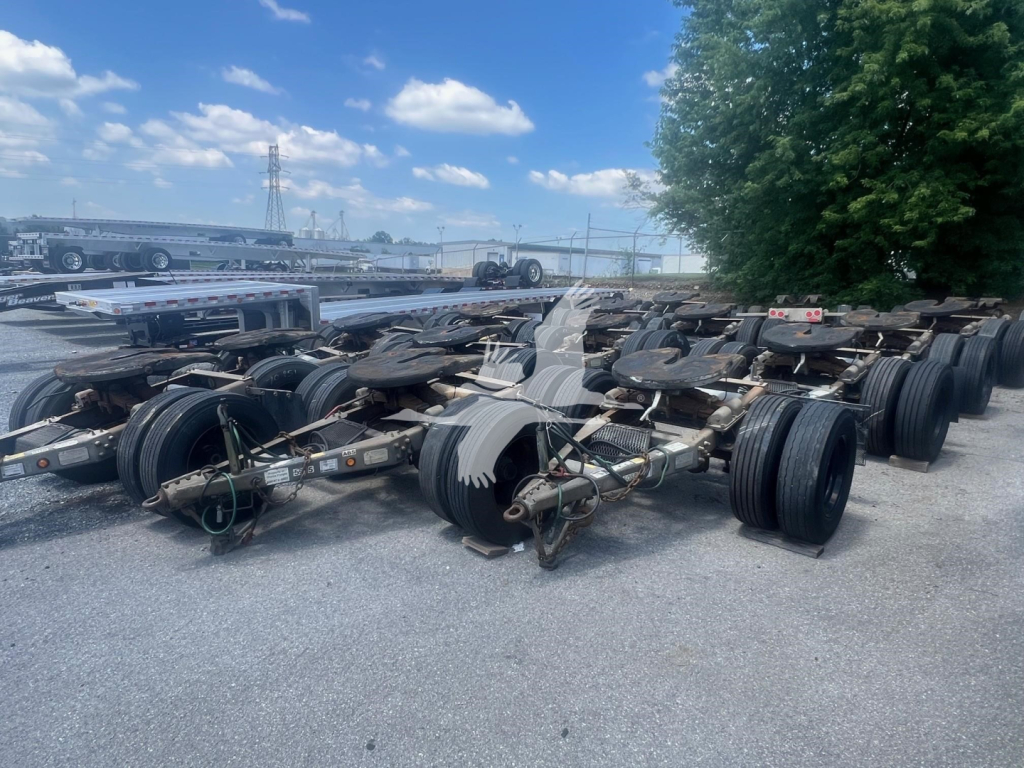
Have dolly trailer to sell? List it here to reach thousands of buyers.
Dolly Trailers in Iowa
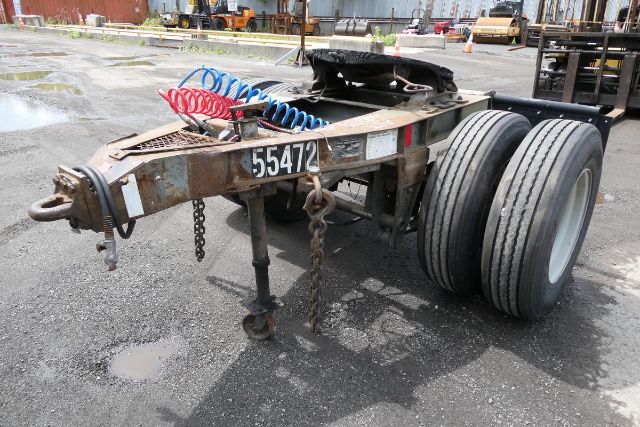
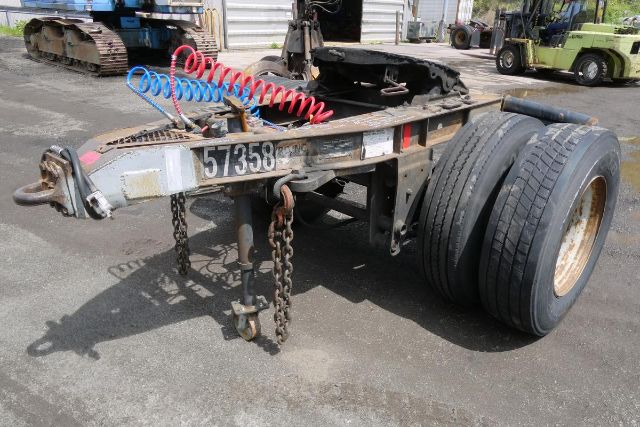
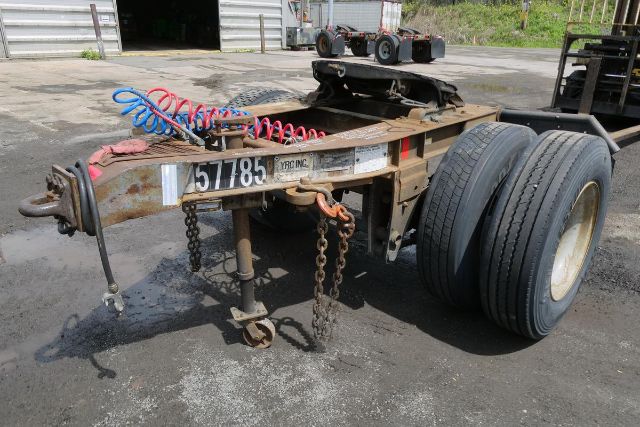
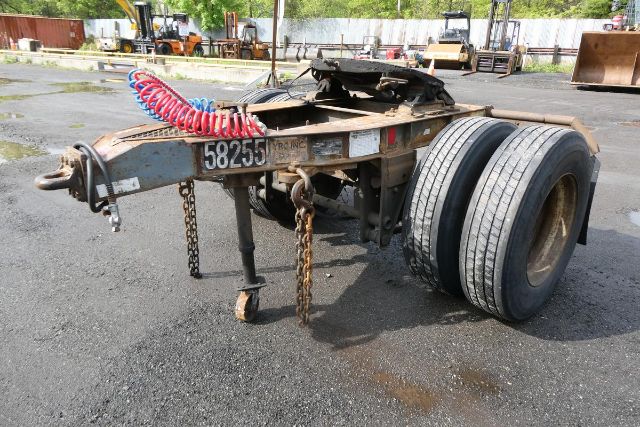
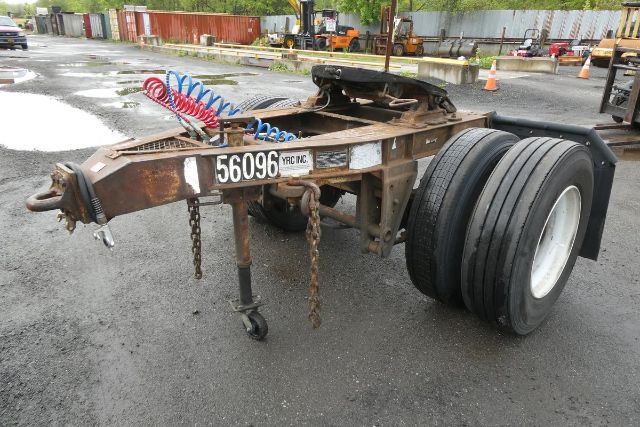
For many buyers, the first decision is application. A converter dolly is commonly used behind a lead trailer to tow a second trailer, typically with a fifth wheel, one or two axles, air brakes, and lighting connections that match the rest of the combination. A heavy haul dolly or flip axle is a different tool, often paired with a lowboy or double drop to spread weight and improve legal payload on oversize and overweight moves. In that segment, buyers usually focus on frame construction, axle spacing, ride height, tire and wheel package, and how easily the unit pins, flips, or detaches in the field. Steel construction is common for durability, especially when the dolly is expected to handle concentrated loads and demanding jobsite conditions.
Condition and compatibility matter as much as raw rating. Brake type, hub-pilot versus stud-pilot wheels, air line routing, electrical plugs, coupler style, and suspension components all need to match the trailer and tractor combination already in service. On a converter dolly, drawbar length and steering characteristics affect tracking and backing behavior. On a flip axle or specialty heavy haul dolly, kingpin settings, loaded deck height, and connection geometry can directly affect clearances, axle weights, and permit compliance. Buyers operating in Iowa and across the Midwest often pay close attention to state bridge formulas, seasonal road restrictions, and service access for brakes, bearings, tires, and suspension parts.
A well-matched dolly trailer improves flexibility without forcing a full trailer replacement. It can turn an existing trailer into part of a doubles combination, or help a heavy haul trailer carry a load more legally and efficiently. When comparing listings, focus on rated capacity, axle configuration, brake and ABS equipment, suspension type, tire size, frame design, and the exact connection method to the trailer it will work with. Those details determine how the dolly performs on the road, how easy it is to maintain, and how reliably it fits into an existing fleet operation.
Frequently Asked Questions about Dolly Trailers in Iowa
What is a dolly trailer used for?
A dolly trailer is used to connect, support, or extend a trailer combination. In linehaul service, a converter dolly is commonly used to tow a second trailer in a doubles setup by providing a fifth wheel, axle group, brakes, and lighting connection. In specialized hauling, a dolly or flip axle can be used with a lowboy or double drop to add axle capacity and spread weight more effectively for heavy loads.
What is the difference between a converter dolly and a flip axle dolly?
A converter dolly is designed primarily to connect one trailer to another and create a doubles combination. It typically includes a drawbar, one or more axles, and a fifth wheel for the rear trailer. A flip axle dolly, often used in heavy haul work, is built to add axle capacity to a trailer such as a lowboy or double drop. Its main purpose is weight distribution and permit compliance rather than connecting a standard second trailer.
What specs matter most when buying a dolly trailer?
The most important specs depend on the job, but buyers usually start with axle rating, number of axles, brake configuration, suspension type, wheel and tire package, and the exact connection style. For converter dollies, drawbar length, fifth wheel height, and tracking behavior are important. For heavy haul dollies and flip axles, axle spacing, frame strength, ride height, kingpin or pin connection details, and compatibility with the trailer’s geometry are critical.
How do I know if a dolly trailer will work with my current trailer?
Compatibility starts with the connection points and continues through the entire air, electrical, and brake system. The coupler, pintle, fifth wheel height, kingpin setting, plug style, brake timing, ABS setup, and ride height all need to match the trailer and tractor combination. On heavy haul setups, even small differences in deck height or axle spacing can affect legal weights and load angle, so buyers should confirm exact fitment before putting a dolly into service.
Are dolly trailers regulated differently depending on the application?
Yes. A converter dolly used in doubles service must meet the operating and equipment requirements for that combination, including brakes, lighting, and registration rules that can vary by state. A heavy haul dolly or flip axle is often tied to oversize or overweight permitting, bridge formulas, and axle-weight compliance. Buyers should evaluate the dolly not just by capacity, but by how it fits the legal and operational requirements of the states where it will run.