
Fontaine Dolly Trailers For Sale
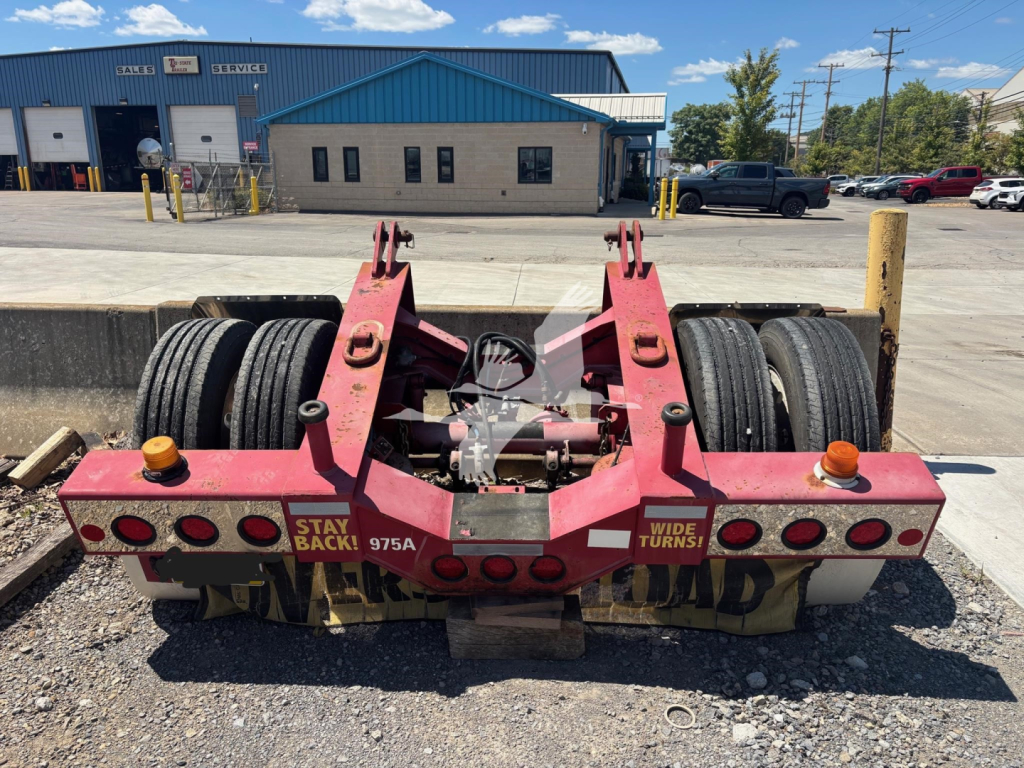
Shop Fontaine dolly trailers and flip axles for heavy haul use. Compare axle setups, steel construction, compatibility, and load support.
Selling a fontaine dolly trailer? List your fontaine dolly trailer for sale to reach thousands of commercial buyers.
Fontaine Dolly Trailers
The first buying decision is compatibility. A Fontaine dolly or flip axle needs to match the trailer it will work with, including suspension style, loaded deck height, axle spacing, connection method, brake configuration, and tire and wheel package. On heavy haul combinations, small differences in fifth wheel height, kingpin location, or rear connection points can create loading, tracking, or legal weight problems. Buyers should verify whether the unit is set up for a specific Fontaine heavy haul model, a double drop, a lowboy, or a modular-style application. Steel construction is common in this category because these units are built for concentrated loads, repeated hook-ups, and demanding jobsite use.
Axle configuration drives both legal compliance and operating flexibility. A flip axle, sometimes called a stinger axle or booster in some hauling conversations depending on the exact design, is used to increase axle count when the load requires it and can be removed or flipped when running empty or lighter. That makes it valuable for operators moving construction equipment, transformers, steel components, and other overweight freight. Key details include axle rating, suspension type, brake size, ABS setup, overall spread, loaded ground clearance, and how quickly the axle can be attached or detached in the field. Tire size, wheel type, and parts commonality also matter because downtime on specialized equipment is expensive and often avoidable with a standardized spec.
Condition and support should be evaluated just as closely as the basic capacity rating. On a used dolly or flip axle, inspect the frame rails, hinge or attachment areas, air lines, camber, brake wear, bushing condition, and any signs of stress around high-load points. On a new unit, confirm the exact intended trailer match, finish, electrical connections, and whether the setup is ready for the permits and routes your operation runs most often. Buyers comparing Fontaine dolly trailers should focus on fit with the existing trailer, ease of deployment, and the axle configuration needed to stay productive and legal across changing heavy haul jobs.
Frequently Asked Questions about Fontaine Dolly Trailers
What is a Fontaine dolly trailer used for?
A Fontaine dolly trailer in this category is generally used in heavy haul applications to add axle capacity and spread weight more effectively across a trailer combination. Many buyers are specifically looking at flip axles or related dolly-style components for lowboy and double drop work. The goal is usually to improve legal weight distribution, meet bridge formula requirements, and support heavier specialized loads without changing the core trailer.
What should I check to make sure a flip axle or dolly is compatible with my trailer?
Start with the trailer model and intended connection style, then verify ride height, axle spacing, suspension type, brake and ABS configuration, tire size, wheel type, and the structural mounting or attachment points. Compatibility is not just about whether the unit physically hooks up. It also needs to track correctly, maintain proper deck height, and keep the combination legal under the loads and routes you run. A heavy haul dolly that is mismatched to the trailer can create loading issues, tire wear, and permitting problems.
Are Fontaine dollies and flip axles only for overweight loads?
They are most commonly used for overweight or concentrated loads, but their value goes beyond maximum payload. Adding or deploying an auxiliary axle can give an operator more flexibility across different jobs, help manage axle weights on variable freight, and improve compliance on routes with strict bridge and spacing requirements. For many specialized carriers, the right flip axle setup is a planning tool as much as a capacity tool.
What are the most important specs to compare on a dolly trailer?
The most important specs are axle rating, axle spread, suspension type, brake package, overall compatibility with the trailer, and structural design of the attachment area. Buyers should also look at loaded height, tire and wheel specification, steel construction details, and serviceability of components such as bushings, air systems, and brake parts. In heavy haul service, the best spec is the one that fits the trailer correctly and supports the permit and load profile the operation actually runs.
What should I inspect on a used Fontaine dolly or flip axle?
Inspect for cracks, weld repairs, elongation at pin or hinge areas, uneven tire wear, brake condition, suspension wear, air leaks, and signs the axle has been overloaded or poorly aligned. Check the frame for twist, verify that electrical and ABS components function correctly, and make sure the attachment hardware is complete and not worn beyond tolerance. On specialized hauling equipment, small wear issues can turn into expensive downtime, so a careful structural and running gear inspection is essential.