
Eagle Rock Dolly Trailers For Sale
Browse Eagle Rock dolly trailers, including converter dollies with single axles, spring ride suspension, steel wheels, and 22.5-inch tires.
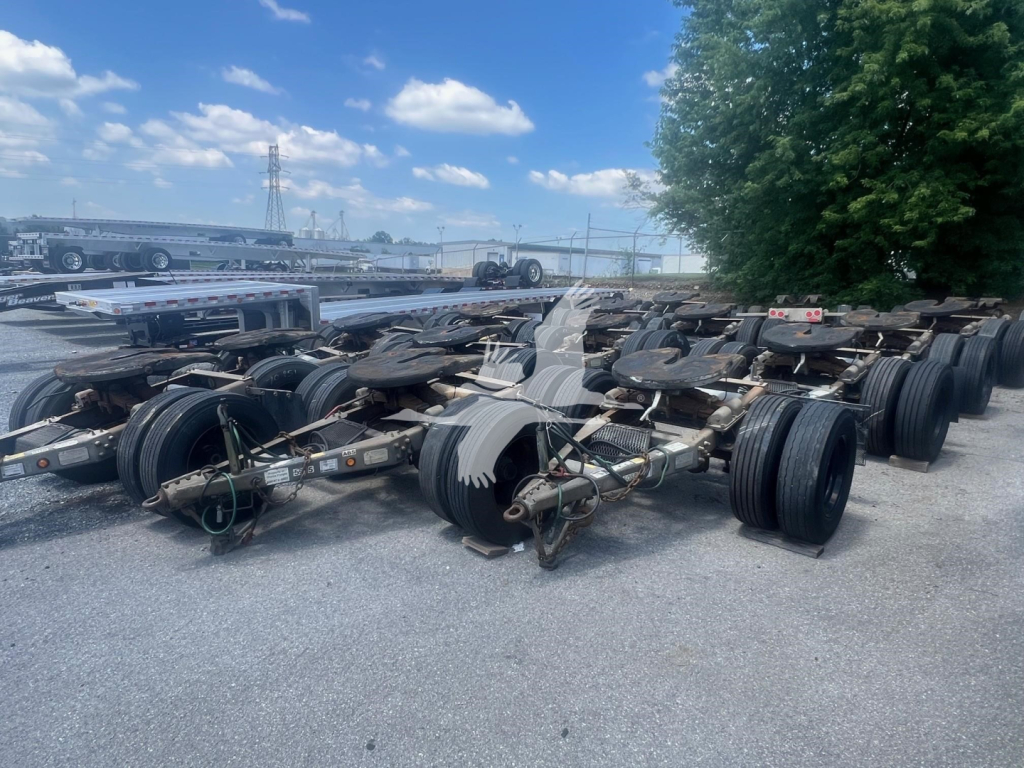
Have eagle rock dolly trailer to sell? List it here to reach thousands of buyers.
Eagle Rock Dolly Trailers
A converter dolly has a specialized job, so condition matters more than cosmetics. Buyers should pay close attention to the drawbar and pintle eye, fifth wheel assembly, steering and tracking behavior, brake response, and any visible wear around the frame, axle seats, and suspension hangers. Tire size is commonly 11R22.5 or 295/75R22.5, and matching rubber across the fleet can simplify maintenance and roadside replacement. Steel disc wheels remain common on this equipment because they are practical, durable, and cost-effective for high-cycle trailer service.
Spring ride Eagle Rock dolly trailers are often preferred by fleets that value straightforward maintenance and dependable performance over rougher pavement. Brake percentage, remaining tire life, and wear at the fifth wheel top plate can tell you a lot about how a used dolly has been maintained. Because converter dollies work in tight turns and repeated hook-and-drop service, inspect safety chains, air lines, electrical connections, and locking components carefully. A dolly that tracks straight and has solid brake balance can reduce trailer tire scrub and improve control in doubles service.
For buyers comparing Eagle Rock dolly trailers for sale, it helps to think about the exact application first. A terminal-to-terminal doubles operation may prioritize simplicity and interchangeability, while a fleet with varied routes may place more weight on tire spec compatibility and brake service history. Eagle Rock converter dollies are built for a narrow but essential role, and the best choice is the one that matches your trailer setup, operating environment, and maintenance standards without adding unnecessary complexity.
Frequently Asked Questions about Eagle Rock Dolly Trailers
What is an Eagle Rock converter dolly used for?
An Eagle Rock converter dolly is used to connect one trailer to another in a doubles configuration. It provides the axle, fifth wheel, and towing connection needed to pull a second trailer safely behind the lead trailer. This type of dolly is common in LTL, linehaul, and terminal-based freight operations where doubles are part of the route plan.
What should I inspect first on a used dolly trailer?
Start with the structural and running gear components. Look closely at the frame, drawbar, pintle eye, fifth wheel, axle, suspension hangers, brakes, hubs, tires, and wheels. Check for uneven tire wear, loose or worn fifth wheel components, brake wear, damaged air lines, and signs of frame fatigue. These areas affect safety, tracking, and total repair cost more than appearance does.
Are single-axle spring ride converter dollies a common setup?
Yes. Single-axle spring ride converter dollies are a very common configuration because they are durable, relatively simple to maintain, and well suited for standard doubles service. Spring suspension is familiar to most fleet maintenance shops and generally offers dependable service life, especially in regional and linehaul applications where easy upkeep is a priority.
Why do tire size and wheel type matter on a dolly trailer?
Tire size and wheel type matter because they affect fleet standardization, maintenance planning, and roadside serviceability. Common sizes such as 11R22.5 and 295/75R22.5 are easy to support in many commercial tire programs. Steel disc wheels are also widely used because they are rugged and economical. Matching these specs to the rest of your trailer fleet can reduce downtime and simplify parts stocking.
How important is brake condition on a converter dolly?
Brake condition is critical because the dolly plays a direct role in stability and stopping performance in a doubles combination. Weak brakes, uneven adjustment, or neglected air system components can affect control and increase tire scrub or handling issues. Buyers should verify lining life, drum or rotor condition if applicable, air system integrity, and overall brake response before putting a dolly into regular service.