
Used Curtainside Trailers For Sale in Kansas
Have used curtainside trailer to sell? List it here to reach thousands of buyers.
Used Curtainside Trailers in Kansas
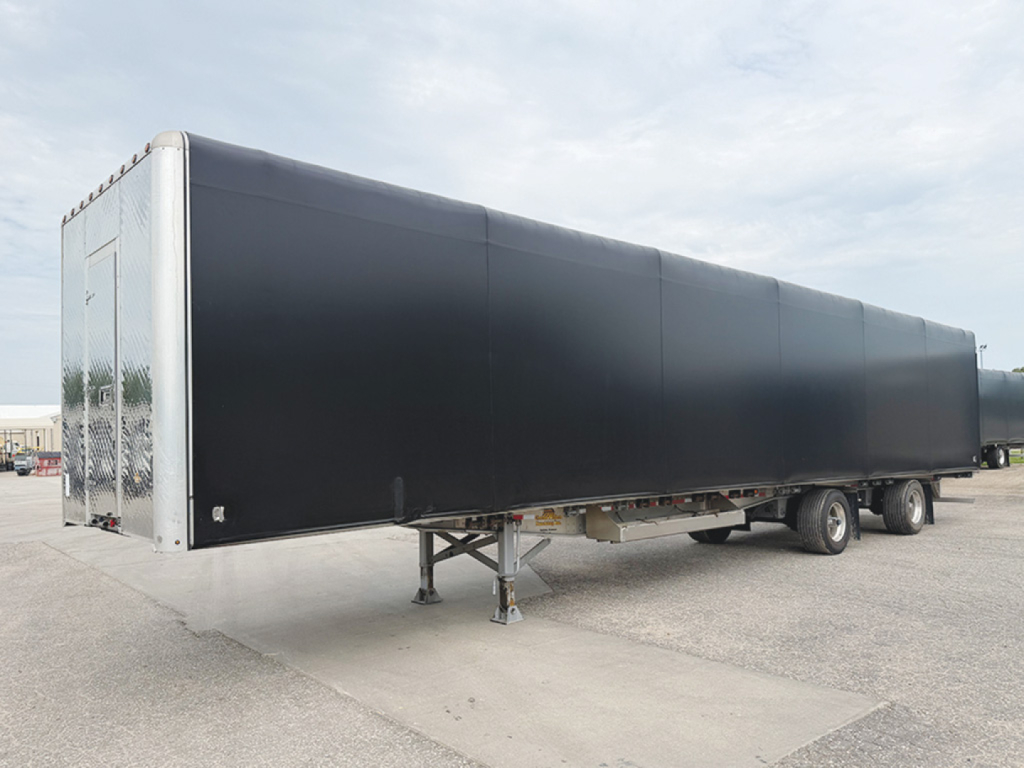
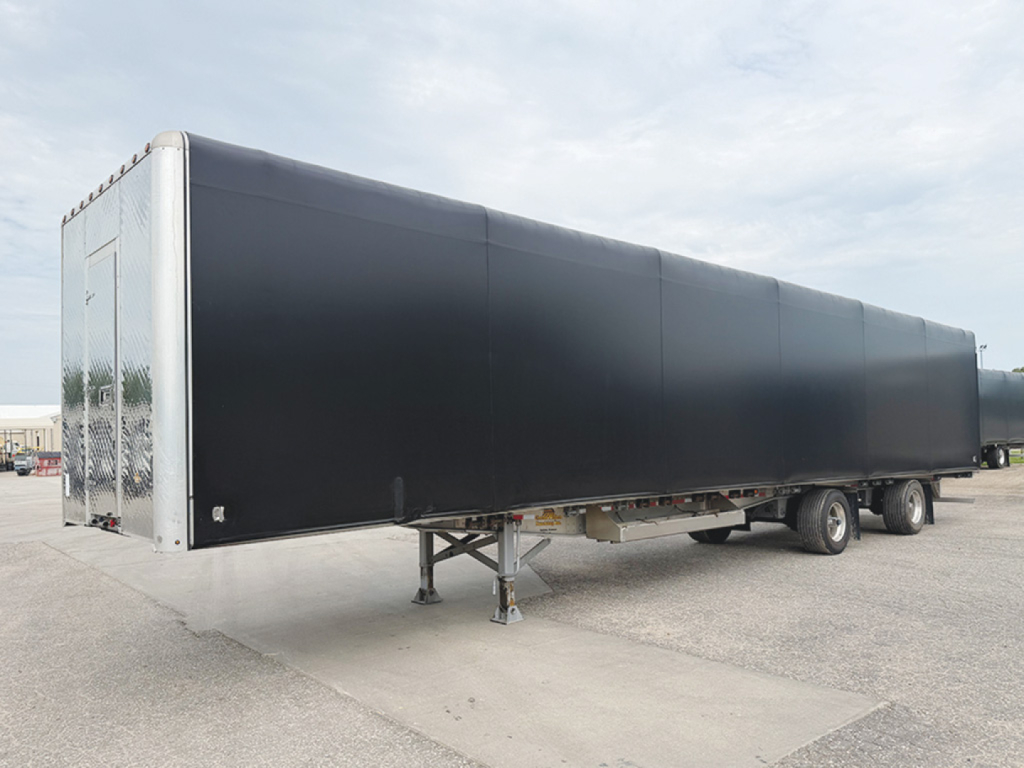
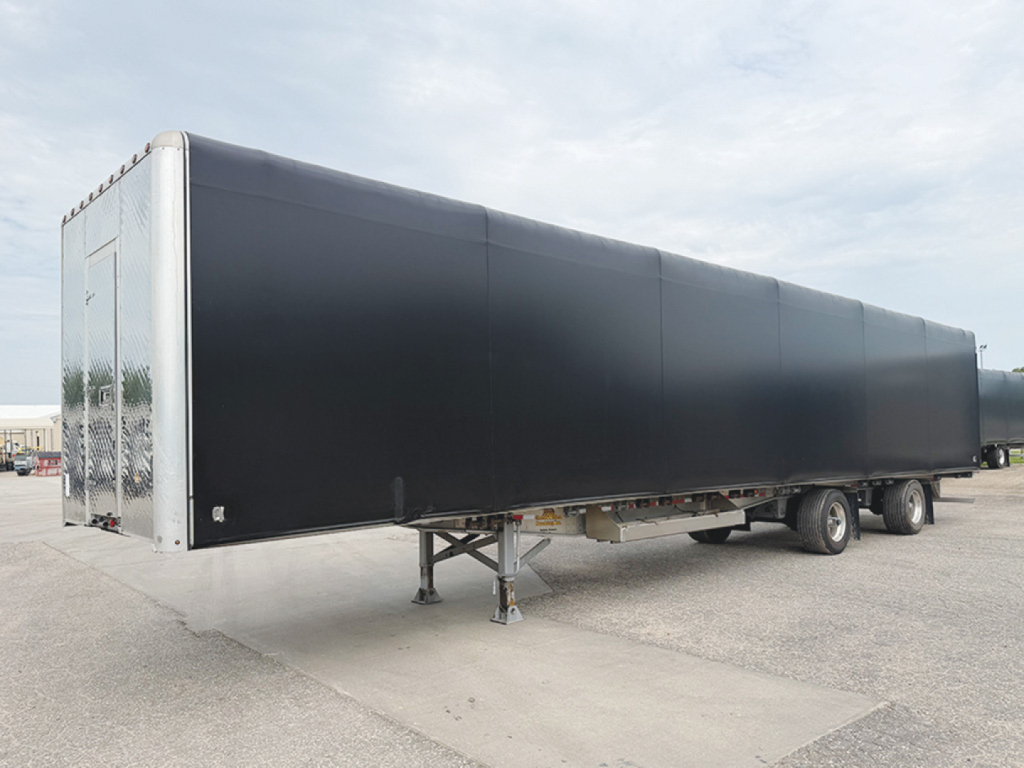
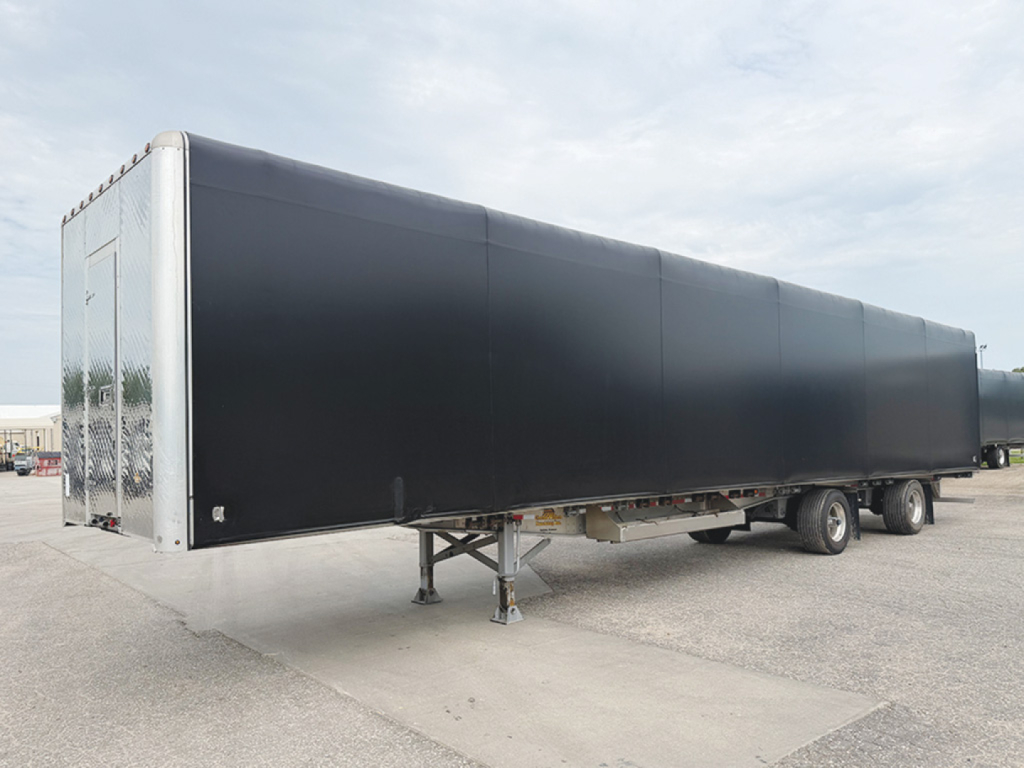
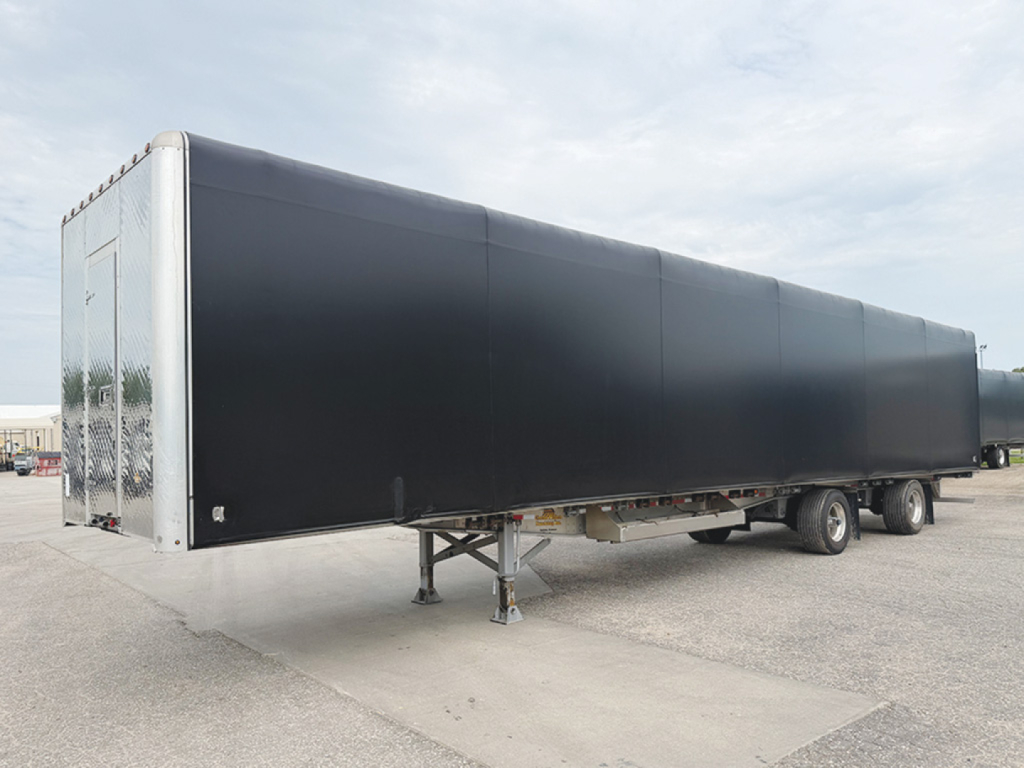
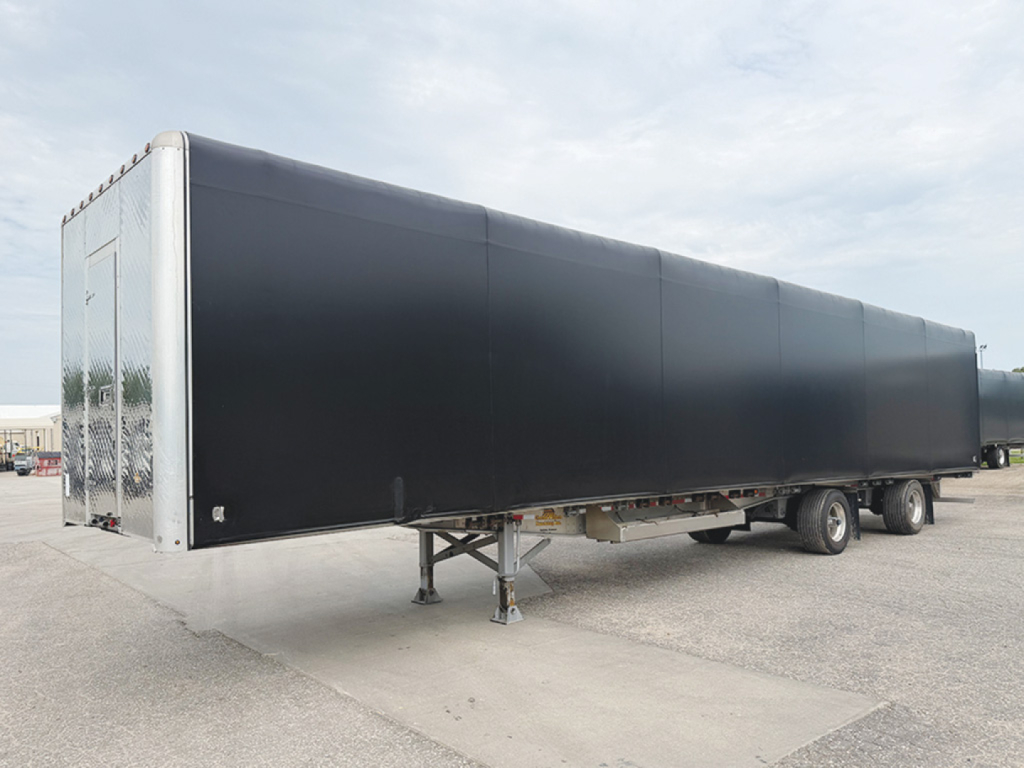
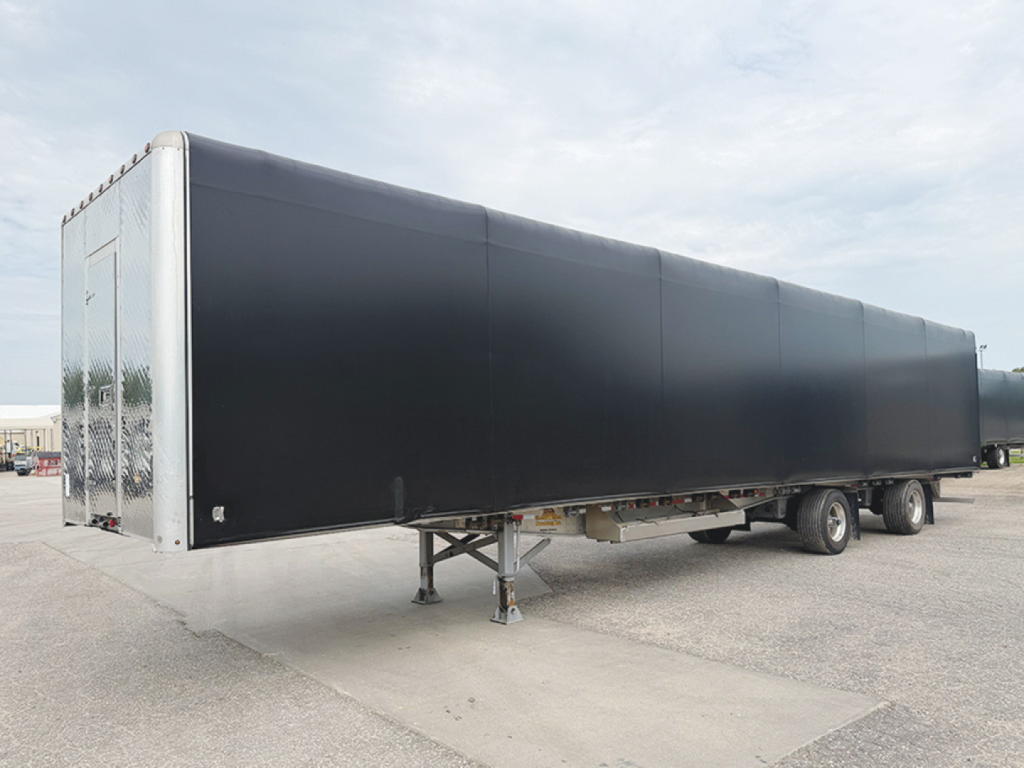
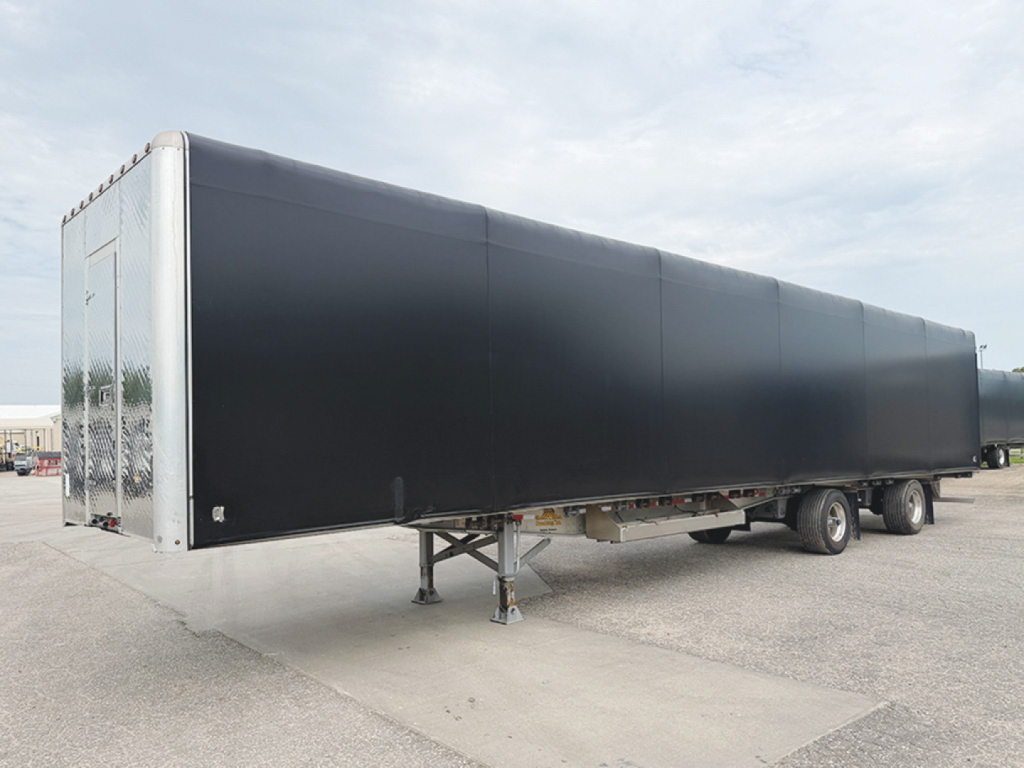
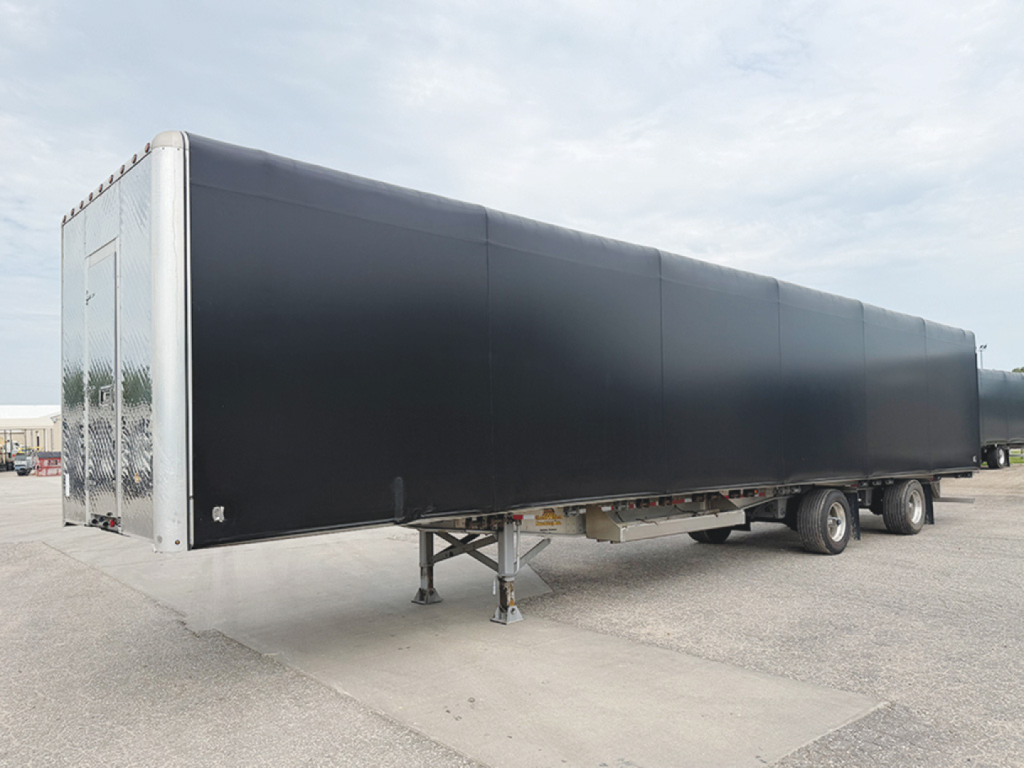
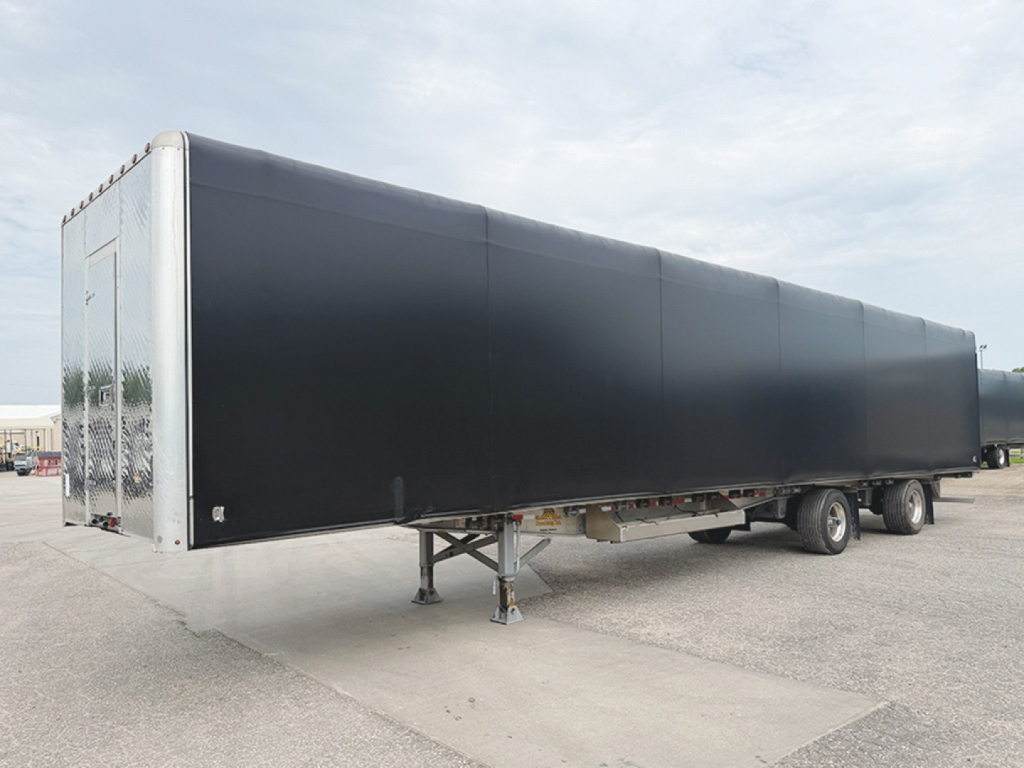
The first buying decision is usually trailer configuration. Many curtainside units in the market are 53-foot by 102-inch trailers, often built on aluminum or steel frame designs. A curtainside flatbed layout gives you a usable open deck under a retractable curtain system, often with features like sliding winch tracks, stake pockets, double spool tie-down arrangements, coil packages, nail strips, and front bulkheads with access doors. Buyers should look closely at axle spacing, spread axle versus tandem setup, air ride suspension, floor type, crossmember condition, and kingpin setting. Those details affect legal bridge compliance, ride quality, loading flexibility, and resale.
On a used curtainside trailer, the curtain system deserves the same attention as the chassis. Inspect curtain material for tears, UV wear, patching, and tension issues. Check rollers, buckles, tracks, ratchets, and rear frame alignment to make sure the curtain opens and closes smoothly and seals correctly. Freight damage often starts with water intrusion or a curtain that will not tension evenly. On the deck side, inspect the floor for forklift wear, gouging, soft spots, and fastener pull-through, especially near common loading zones. If the trailer has tire inflation systems, super singles, aluminum wheels, tool boxes, or disc brakes, confirm service history and parts compatibility with your fleet.
Kansas operators often value curtainside trailers for regional and multi-stop work because weather can change quickly and loading conditions vary from yard to yard. A well-spec'd used curtainside can improve turn times compared with traditional flatbeds that require full tarping, while still giving side access that a dry van cannot. Buyers comparing listings should focus on actual cargo profile, dock and forklift practices, securement needs, and maintenance condition rather than just model year. The right curtainside trailer is the one that matches your freight lanes, loading method, and uptime expectations without adding unnecessary tare weight or repair exposure.
Frequently Asked Questions about Used Curtainside Trailers in Kansas
What is a curtainside trailer used for?
A curtainside trailer is used to haul freight that benefits from side loading and weather protection. Common applications include palletized building materials, bagged products, crated machinery, packaged steel, and agricultural supplies. The retractable curtain allows forklift access from the side, while the enclosed curtain helps protect cargo from rain, road spray, and wind.
What should I inspect on a used curtainside trailer before buying?
The most important areas are the curtain system, the deck or floor, and the running gear. Inspect the curtains for tears, patching, abrasion, UV damage, and uneven tension. Check the roller track, buckles, latches, bulkhead, rear frame, and curtain posts for smooth operation and proper alignment. Also review floor wear from forklifts, crossmember condition, axle and suspension condition, brake components, tire wear, and any signs of water intrusion or structural repairs.
Are curtainside trailers better than flatbeds for some freight?
Curtainside trailers are often a better choice when freight needs side access but should not be exposed to weather. They can reduce loading time and eliminate routine tarping compared with a standard flatbed. A flatbed may still be better for over-dimensional freight, top-loaded freight, or cargo that requires unrestricted crane access from above. The better trailer depends on how the freight is loaded, secured, and protected in transit.
Do curtainside trailers have the same cargo capacity as dry vans or flatbeds?
Cargo capacity varies by build material, axle configuration, and curtain system design. Many curtainside trailers are heavier than a comparable open flatbed because of the curtain hardware, roof structure, and side framework. Some aluminum designs help reduce tare weight and preserve payload. Buyers should compare empty weight, axle ratings, and legal bridge setup to make sure the trailer fits the intended freight mix.
Why are air ride suspension and securement features important on a curtainside trailer?
Air ride suspension helps protect sensitive cargo and improves ride quality on regional and long-haul runs. Securement features such as sliding winch tracks, stake pockets, coil packages, internal straps, and bulkheads determine how flexible the trailer will be across different commodities. On a used trailer, these features also show how well the unit may fit your current freight without requiring immediate modifications.