
Curtainside Trailers For Sale in Ohio
Shop curtainside trailers for freight that needs side loading, weather protection, and fast securement with flatbed-style access.
Learn more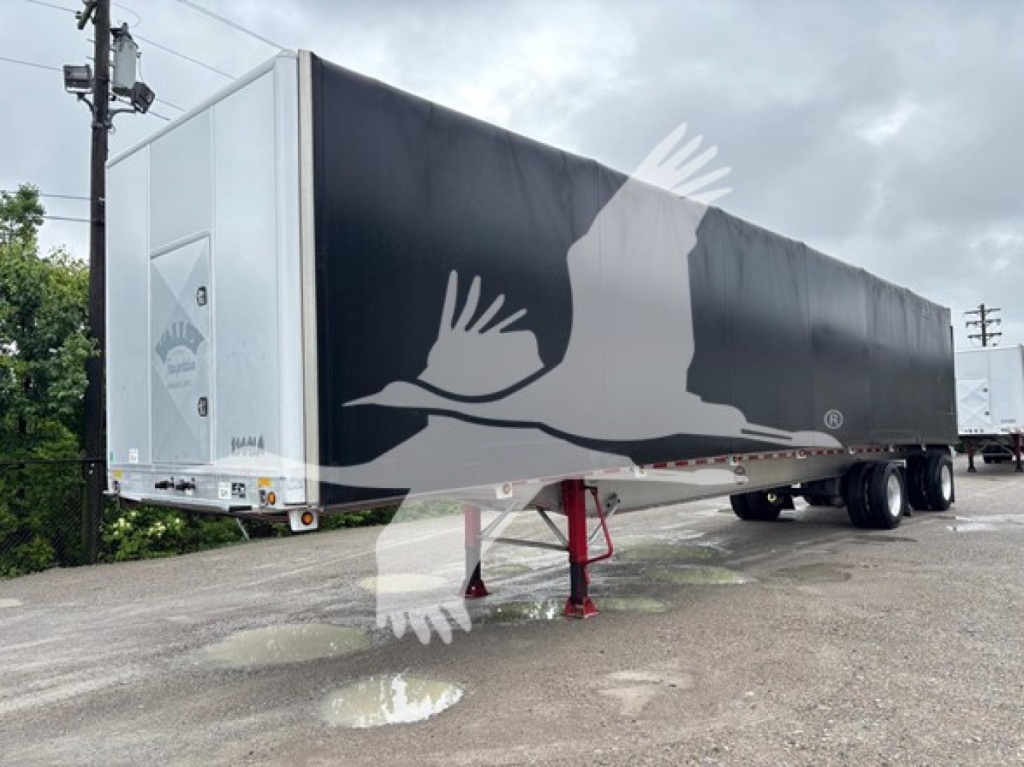
Have curtainside trailer to sell? List it here to reach thousands of buyers.
About Curtainside Trailers in Ohio
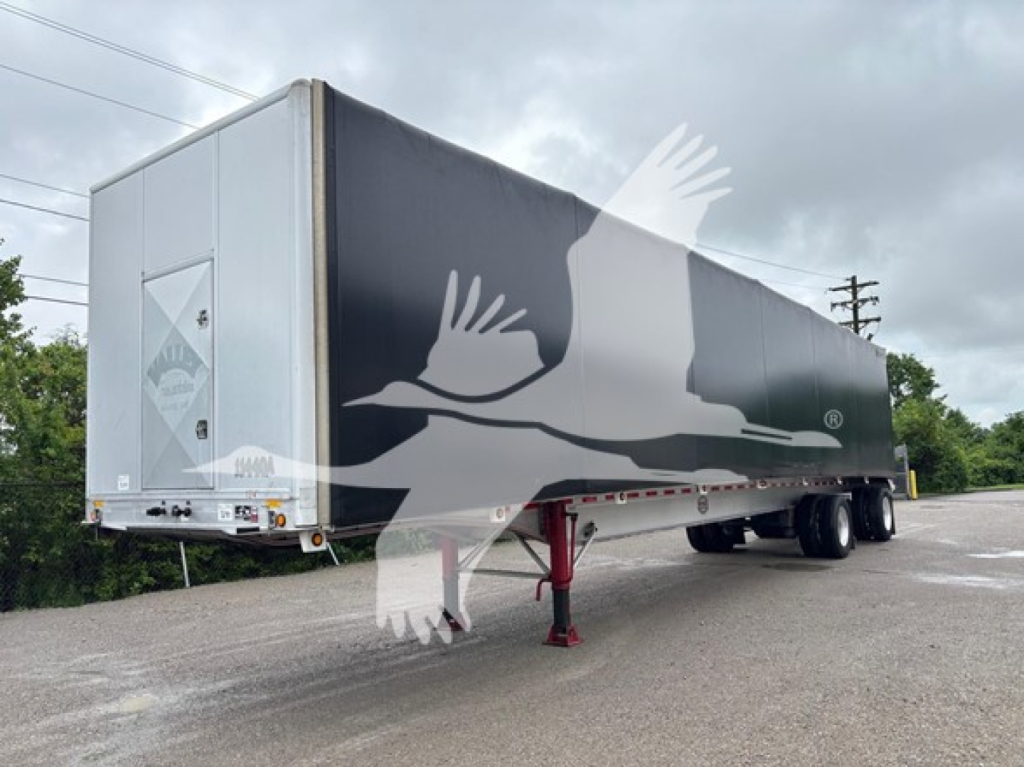
A buyer should start with the deck and frame. In this segment, 48-foot by 102-inch trailers are common, usually on tandem axles with air ride suspension. Aluminum construction is popular because it cuts tare weight and helps maximize payload, while heavier beam ratings and tighter crossmember spacing matter more for steel, coils, and concentrated loads. Listings may mention 72K beams, coil packages, extra crossmembers, nailing strips, bulkheads, side rails, chain racks, sliding winches, and pipe spools. Those specs tell you if the trailer was built for mixed commodity work or for denser freight that can punish a light platform. Kingpin setting, suspension spread, tire size, and wheel material also affect compatibility with your tractors, bridge laws, and maintenance budget.
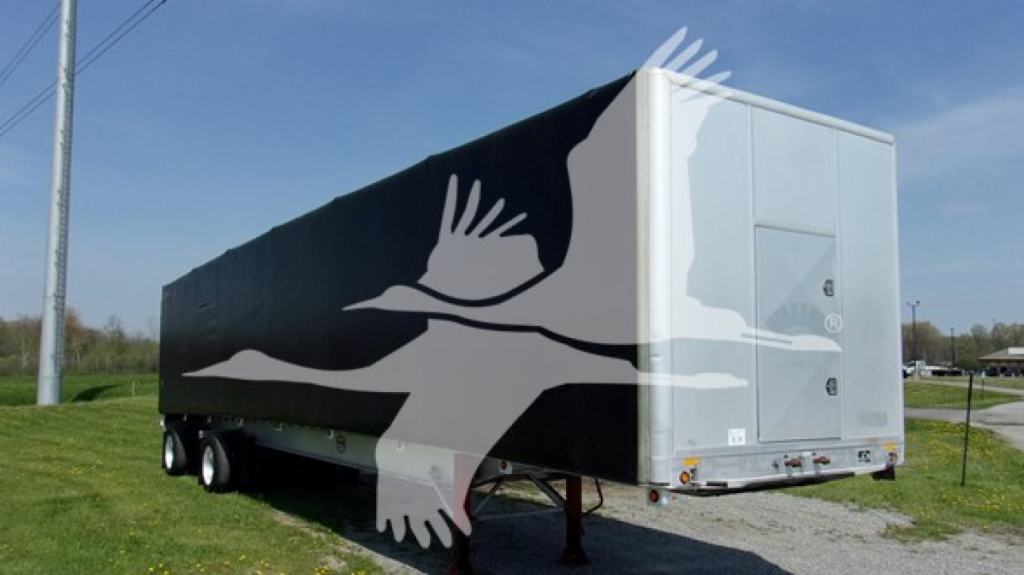
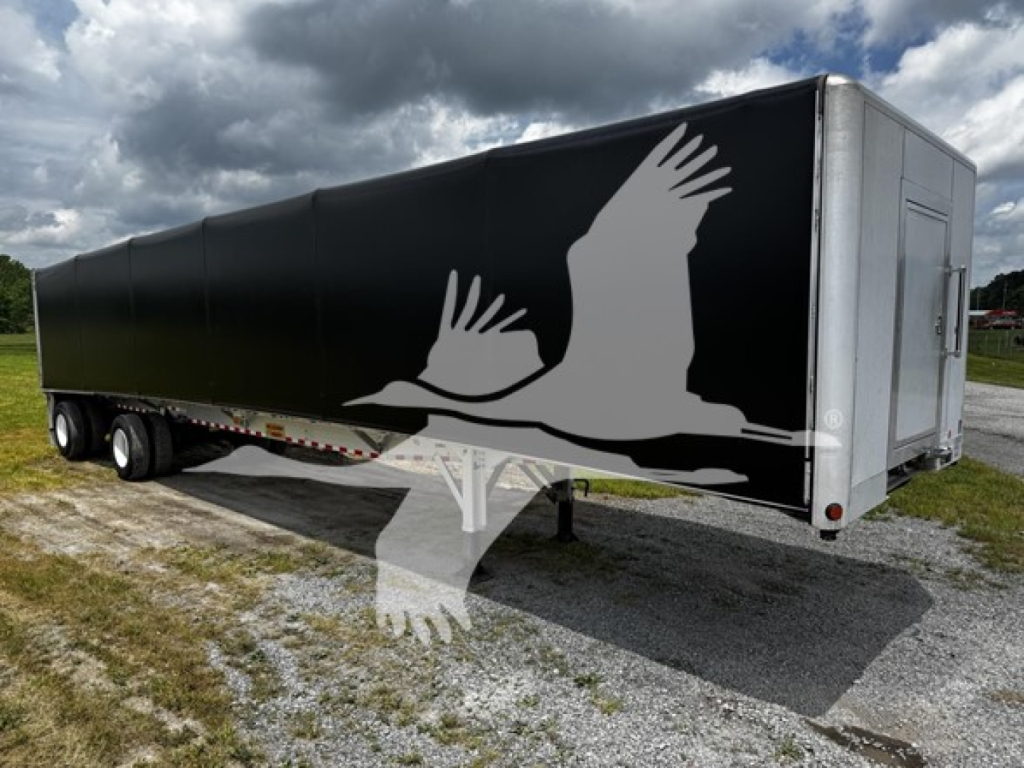
The curtain or tarp system deserves the same level of scrutiny as the chassis. FastTrack and similar rolling systems are common, and buyers should look closely at curtain condition, track wear, bow integrity, latch operation, rear roll or roll-up function, and overall water resistance. Side access is the selling point, so the opening system needs to move smoothly and seal correctly. If the trailer will run year-round in Ohio, pay attention to how the curtain hardware, buckles, rollers, and rear closures hold up against road salt, freeze-thaw cycles, and repeated dock and yard handling. A worn curtain can be more than a cosmetic issue because water intrusion, delayed loading, and insecure closures can quickly become operating problems.
Used curtainside trailers are often application-specific, so the right purchase depends on freight mix more than age alone. For regional building products, a lightweight aluminum platform with a dependable curtain system may be the priority. For steel service or coil hauling, beam capacity, coil package design, brake life, suspension condition, and tie-down hardware usually matter more. Check FHWA inspection status, landing gear condition, floor wear, side rail damage, and any signs of frame twist from overloaded service. A well-matched curtainside trailer can reduce load time, protect freight, and give a fleet more flexibility than a standard flatbed or dry van in the same lane mix.
Frequently Asked Questions
What is the difference between a curtainside trailer and a Conestoga trailer?
A curtainside trailer typically has a more defined body structure with side curtains that slide open for loading, while a Conestoga trailer is usually a flatbed with a rolling tarp framework that retracts over the deck. Both provide weather protection and side access, but a Conestoga often keeps more of the flatbed's open-deck loading flexibility. Buyers hauling machinery, steel, or oversized palletized freight often compare both styles because each can reduce tarping labor while protecting cargo.
What freight is a curtainside trailer best suited for?
Curtainside trailers are well suited for palletized freight, building materials, packaged industrial products, machinery, and other cargo that loads efficiently from the side with a forklift. They are a strong fit when freight needs weather protection but still benefits from faster loading than a dry van can offer. They are less ideal for cargo that requires a fully hard-sided box, high cube capacity, or frequent dock-only loading with no side access requirement.
What specs matter most when buying a used curtainside trailer?
The most important specs depend on the freight, but buyers usually focus on trailer length and width, axle configuration, suspension type, beam rating, floor construction, crossmember spacing, kingpin setting, and securement equipment. On this category, curtain system condition is just as important as the chassis. Check the tarp or curtain fabric, rollers, track alignment, bows, latches, rear closure, and signs of leaks or impact damage. For heavier freight, coil packages, tie-down points, winch setup, and frame condition deserve extra attention.
Are aluminum curtainside trailers better than steel?
Aluminum trailers are popular because they reduce tare weight and resist corrosion well, which can be an advantage in states like Ohio where winter road treatment is hard on equipment. Steel can offer durability in certain high-abuse applications, but it generally adds weight. The better choice depends on payload demands, freight density, operating environment, and how long the trailer will be kept in service. Material choice should be evaluated alongside beam strength, floor design, and maintenance history rather than by itself.
How do Ohio operating conditions affect curtainside trailer buying decisions?
Ohio fleets often see a mix of interstate miles, industrial freight, winter weather, and frequent forklift loading, so corrosion resistance and curtain hardware condition matter more than they might in milder regions. Air ride suspension, good brakes, healthy tires, and solid landing gear are important for regional and midwestern service. Buyers should also inspect curtain seals, tracks, buckles, and rear closures for wear caused by moisture, salt, and freeze-thaw cycles, because those components directly affect uptime and cargo protection.