
Mac Curtainside Trailers For Sale in Ohio
Have mac curtainside trailer to sell? List it here to reach thousands of buyers.
Mac Curtainside Trailers in Ohio
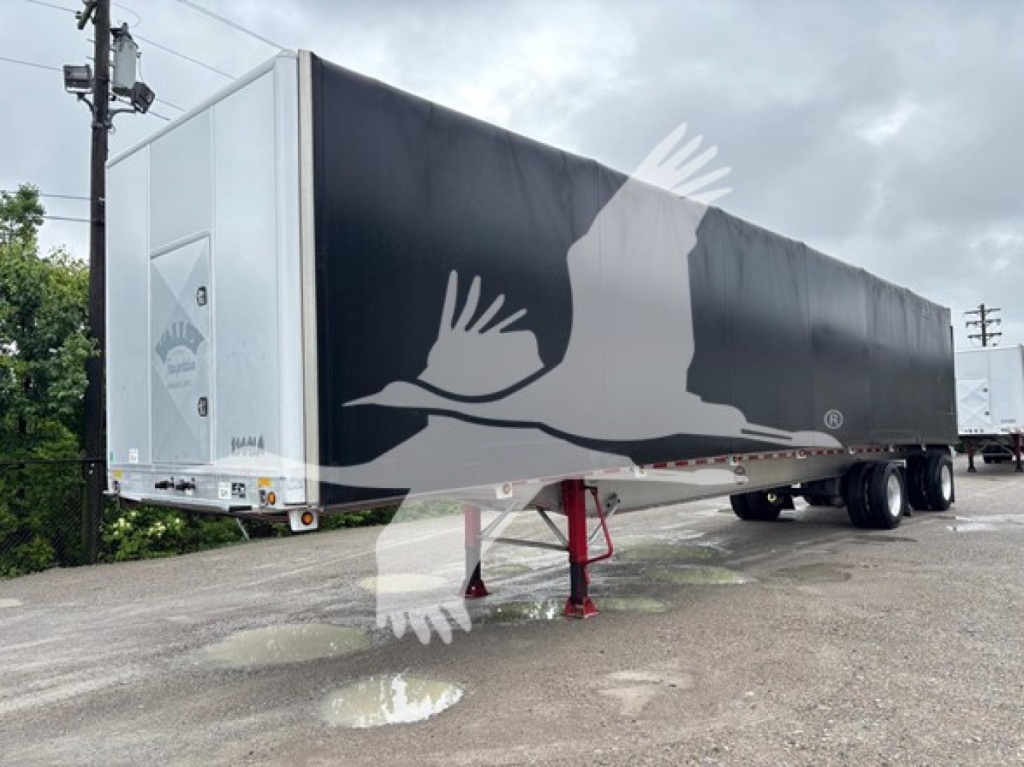
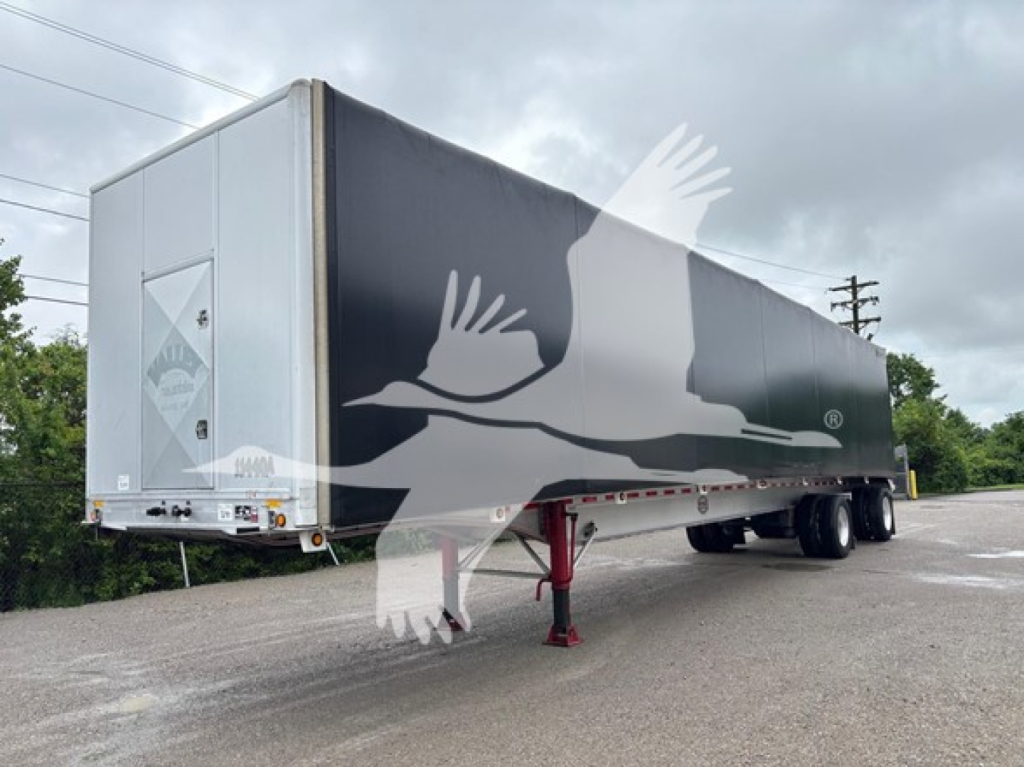
A common setup in this category is a 48-foot by 102-inch tandem axle trailer with air ride suspension, often on a Hendrickson Intraax configuration. Buyers should pay close attention to beam rating, suspension spread, kingpin setting, and crossmember spacing because those details affect freight compatibility more than the curtain system alone. Listings in this class often show 72,000-pound beam ratings, 30-inch kingpin settings, 10-foot 2-inch suspension settings, aluminum floors, and 16-inch crossmember centers. Coil packages, bulkheads, chain racks, double pipe spools, tiedown hooks, and nailing strips are also important if the trailer will handle steel, building products, machinery, or mixed flatbed freight.
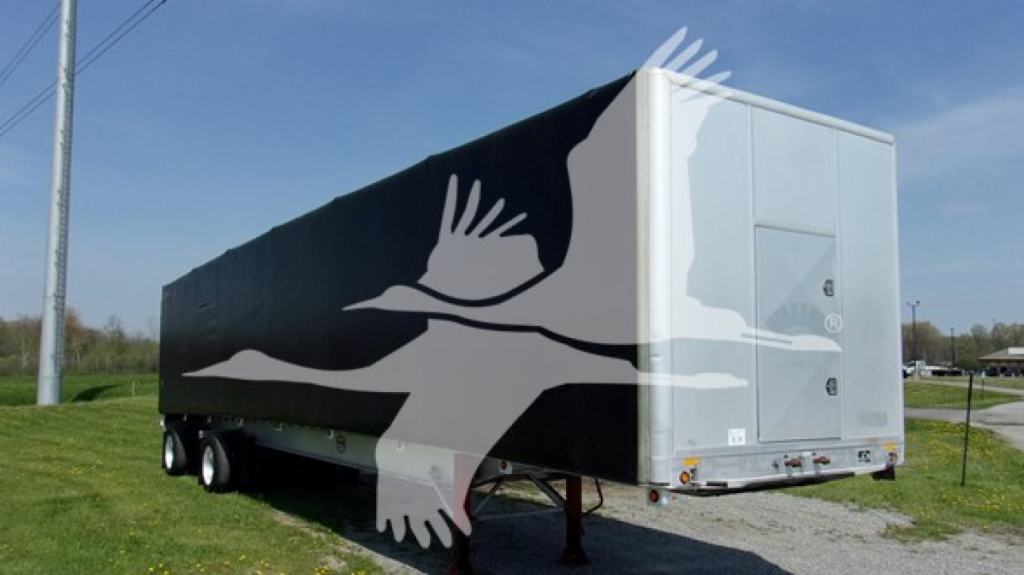
The curtain or Conestoga system is the feature buyers notice first, but its condition and design need to be evaluated like any other working component. Look at tarp brand, rear roll operation, bow condition, track wear, latch function, and how well the system opens and closes under daily use. A good curtainside trailer should reduce cargo exposure while still allowing side loading by forklift and overhead loading when the cover is retracted. That makes this category useful for freight that cannot ride on a standard dry van but still benefits from better weather protection than an open deck. Common applications include palletized building materials, crated machinery, steel products, dimensional freight, and loads that require frequent access along the side of the trailer.
For Ohio operations, corrosion resistance and overall underframe condition deserve extra attention because trailers often see year-round road salt, wet conditions, and frequent dock-to-jobsite cycles. Aluminum wheels, aluminum side rails, and aluminum floor construction can help with tare weight and rust resistance, but buyers should still inspect wear points such as landing gear mounts, suspension components, brakes, tires, rear structure, and the curtain system hardware itself. If the trailer will be used in dedicated steel or heavy commodity service, confirm tiedown layout, coil package details, and beam capacity before focusing on appearance. The best Mac curtainside trailer for the job is the one whose deck specs, tarp system condition, and securement features match the freight profile day after day.
Frequently Asked Questions about Mac Curtainside Trailers in Ohio
What is the difference between a Mac curtainside trailer and a standard flatbed trailer?
A Mac curtainside trailer is essentially a flatbed-style trailer fitted with a movable curtain or Conestoga-type tarp system that protects cargo from weather while preserving side and top loading access. Compared with a standard flatbed, it can reduce tarping labor and improve cargo protection. The tradeoff is added moving parts, more system maintenance, and some reduction in loading simplicity if the curtain hardware is worn or damaged.
What specs matter most when buying a used Mac curtainside trailer?
Beam rating, trailer length and width, suspension type, kingpin setting, floor material, crossmember spacing, and tiedown layout are the core specs to verify first. After that, inspect the curtain system itself, including tarp condition, rollers, tracks, bows, rear roll function, and latches. Tire condition, brake percentage, landing gear, and underframe wear are just as important because a curtainside trailer still has to perform like a working flatbed in daily service.
Are Mac curtainside trailers good for steel and heavy freight?
They can be, especially when equipped with a 72K beam, coil package, adequate tiedown points, and a strong aluminum flatbed structure underneath the curtain system. The key is matching the trailer to the freight. If the work involves coils, plate, tubing, or concentrated loads, buyers should confirm beam rating, crossmember configuration, bulkhead design, and securement hardware instead of assuming every curtainside trailer is built for heavy steel service.
Why is air ride suspension common on curtainside trailers?
Air ride suspension is common because it improves ride quality and helps protect sensitive or palletized freight from excessive shock and vibration. It is also widely preferred by many shippers handling crated equipment, finished goods, and building products. On a curtainside trailer, air ride adds value because the trailer often serves mixed freight where cargo protection matters as much as deck access.
What should buyers in Ohio inspect on a used curtainside trailer?
Ohio buyers should pay close attention to corrosion exposure, especially on suspension parts, brake components, fasteners, landing gear mounts, rear frame areas, and curtain hardware. Road salt and wet seasonal conditions can accelerate wear even on aluminum trailers. It is also smart to inspect tarp fabric, roller assemblies, and track systems for damage caused by winter grime, ice, and repeated opening cycles.