
Used Crude Oil Trailers For Sale
Shop used crude oil trailers built for petroleum hauling, including DOT 407 tankers with common barrel capacities, axle setups, and inspection points.
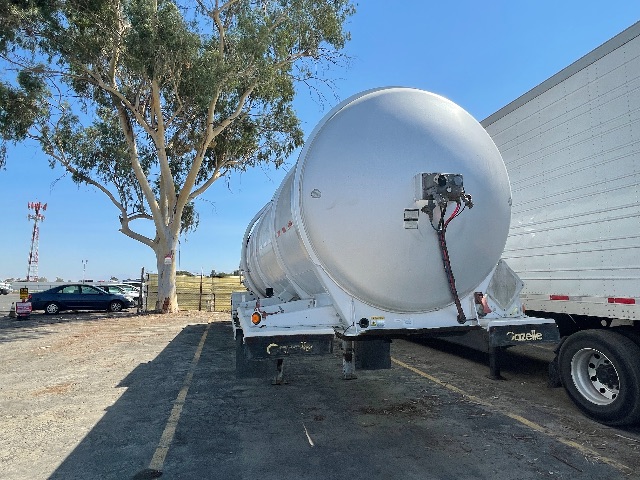
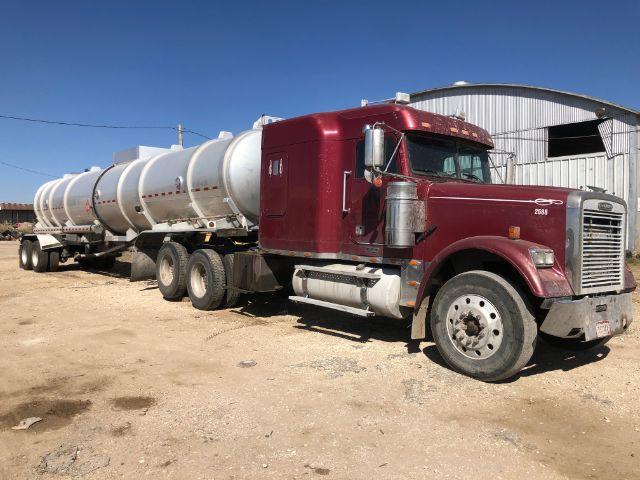
Selling a used crude oil trailer? List your used crude oil trailer for sale and reach thousands of commercial buyers.
Used Crude Oil Trailers
The first thing to evaluate on a used crude oil trailer is compliance status. Current and documented tank inspections carry real value, especially on units that have already had pressure, leakage, external, and internal inspections completed. Buyers should verify test dates, tank specification markings, and service history for items such as emergency valves, vapor recovery components, dome lid gaskets, sump gaskets, pressure gauges, and kingpin inspection records. On crude service tanks, internal condition matters as much as visible cosmetic condition. Lining repairs, internal cleaning, evidence of corrosion, and the condition of the sump area can affect both serviceability and downtime after purchase. A trailer that looks clean outside but needs valve work, gasket replacement, or lining attention can quickly become more expensive than a higher-priced unit with documented recent service.
Operational spec decisions should be matched to the job. Capacity is often listed in barrels rather than gallons, and buyers should confirm whether the trailer is single-compartment or configured for a specific loading and unloading process. Pump-equipped trailers can be attractive in field applications where self-loading or unloading flexibility is important. Width, overall length, axle spacing, tire condition, brake life, and wheel-end maintenance all matter for crude service because these trailers often work in punishing conditions with frequent loading cycles and off-pavement access. It is also worth checking the condition of the landing gear, frame, fenders, lighting, ABS system, hose storage, catwalk, and any metering or display system such as Garnet or Titan components if installed.
Used crude oil tank trailers are bought on uptime, compliance, and suitability for the route, not just price. A buyer comparing listings should focus on barrel capacity, tank code, recent inspection paperwork, valve and vapor system condition, suspension type, and signs of proper preventive maintenance. Also known as crude tankers or crude oil tanker trailers, these units are a niche petroleum hauling asset, and the best purchase is usually the one with the clearest maintenance trail and the least uncertainty around certification and field readiness.
Frequently Asked Questions about Used Crude Oil Trailers
What tank specification is most common for a used crude oil trailer?
Many used crude oil trailers on the market are built to DOT 407 specifications. That makes them a common choice for petroleum-related liquid service, but buyers still need to verify the exact specification stamped on the tank and confirm it matches the product being hauled and the operating jurisdiction. The tank code, inspection interval, and current certification status should all be reviewed before purchase.
How is crude oil trailer capacity usually measured?
Crude oil trailer capacity is commonly listed in barrels rather than gallons. A common field trailer may be described as a 130-barrel, 150-barrel, or 200-barrel unit. Barrel rating affects legal payload, axle requirements, and route planning, so buyers should compare nominal capacity with empty weight and local bridge law limits to determine real working payload.
What inspections should I check on a used crude oil tanker trailer?
Inspection status is one of the most important parts of evaluating a used crude oil tanker trailer. Buyers should look for documented external, internal, leakage, and pressure test records where applicable, along with kingpin inspection documentation and current test date markings on the trailer. Service records for valves, vents, gaskets, lining repairs, and emergency shutoff components are also important because they directly affect compliance and readiness.
Is an aluminum crude oil trailer better than a steel one?
Aluminum crude oil trailers are popular because they help reduce tare weight and improve payload potential. They also resist corrosion well, which can be an advantage in certain petroleum applications. Steel may still be found in some fleets or service conditions, but weight, corrosion resistance, repair history, and the condition of the barrel and subframe should all be considered together rather than choosing by material alone.
What features matter most for field use on a used crude oil trailer?
For field service, buyers usually prioritize durable suspension, dependable brakes, sound wheel ends, a clean and serviceable sump area, and properly functioning valves and vapor lines. Pump packages can add flexibility where loading and unloading options are limited. Good tires, working ABS, solid lighting, and a trailer with recent documented maintenance can make a major difference when the unit will be running lease roads and cycling loads frequently.