
New Crude Oil Trailers For Sale
Shop new crude oil trailers built for petroleum hauling, with DOT 407 specs, aluminum tanks, vapor recovery, bottom load, and air ride.
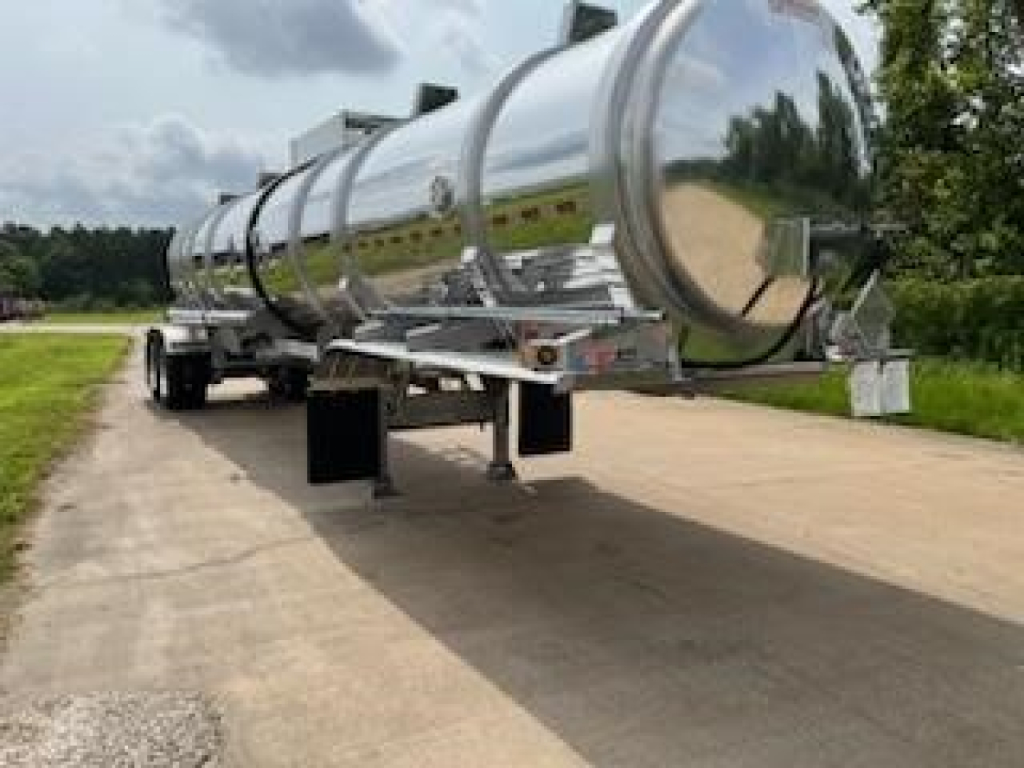
Selling a new crude oil trailer? List your new crude oil trailer for sale and reach thousands of commercial buyers.
New Crude Oil Trailers
A lot of the real value is in the tank and plumbing package. Common features include bottom loading, vapor recovery, internal valves, API equipment, cleanouts, manholes, thermometers, and pump systems when self-unloading is required. Double conical barrel designs are common in this category because they help product drain efficiently and support full evacuation during unloading and cleaning. Buyers hauling in colder regions or moving heavier product may also look for insulated or jacketed crude oil tank trailers to maintain flow characteristics and reduce unloading time. Ladder placement, catwalk access, work lights, placarding, and heavy-duty rear protection matter more than they first appear because they affect day-to-day safety and turnaround time at the rack or lease site.
Running gear should match the operating environment, not just the price sheet. Closed tandem configurations remain common, paired with air ride suspension for better load stability and reduced shock to the barrel and components on rough oilfield roads. Tire size, wheel material, axle ratings, and landing gear spec all affect service life and maintenance cost. Aluminum wheels can trim weight, while steel remains common where impact resistance and replacement cost are bigger concerns. If the trailer will spend time on unimproved roads, fenders, mud protection, lighting durability, and bumper design deserve close attention. A crude oil trailer that looks similar on paper can perform very differently once it starts cycling between lease roads, transload sites, and highway miles.
For buyers comparing new crude oil tank trailers, the key questions are straightforward: what product are you hauling, where will it load and unload, and what compliance package does your shipper require. Confirm DOT code, vapor recovery setup, bottom outlet arrangement, pump requirements, compartment layout, and gallon capacity before looking at cosmetic options. It also pays to verify kingpin setting, overall length, overall height, and tare weight against your state and customer requirements. The best crude oil trailers are spec'd to the work first, with a barrel, suspension, and plumbing package that supports safe loading, legal payload, efficient unloading, and long service life in petroleum service.
Frequently Asked Questions about New Crude Oil Trailers
What is the typical capacity range for a new crude oil trailer?
Most new crude oil trailers are commonly spec'd in the roughly 7,500 to 9,000 gallon range, although exact capacity depends on barrel design, compartment count, axle spacing, and the weight of the product being hauled. Buyers should balance gallon capacity against tare weight and bridge-law compliance, because the highest gallon rating is not always the best legal payload spec for a given state or route.
Are crude oil trailers usually built to DOT 407 specifications?
Many crude oil trailers are built around DOT 407-style specifications because that code is commonly associated with petroleum and chemical cargo tank service. The correct compliance package still depends on the exact commodity, shipper standards, and operating jurisdiction. Buyers should confirm the cargo tank code, required markings, pressure and venting setup, and loading and unloading equipment with both their customer and compliance team before purchase.
Why do many crude oil trailers use a double conical tank design?
Double conical tank designs are popular because they promote product drainage toward the outlet, which helps with unloading efficiency and reduces residual product left in the barrel. That can shorten unload time, improve cleanout results, and support operations where full evacuation matters. It is a practical design choice for petroleum service, especially when paired with the right bottom outlet and pump configuration.
What features matter most on a crude oil trailer used in oilfield service?
For oilfield work, buyers usually focus on bottom loading, vapor recovery, pump provisions, cleanouts, manholes, durable lighting, ladder and access layout, and suspension spec. Air ride suspension is common for load stability, and axle, tire, and wheel choices should reflect rough-road exposure and service intervals. Safety and uptime features such as fenders, mud protection, rear impact protection, and work lights also deserve close review because they affect daily operation in harsh conditions.
Is an aluminum crude oil trailer a better choice than steel?
Aluminum crude oil trailers are common because they reduce tare weight and offer good corrosion resistance, which can improve payload and long-term operating efficiency. Steel may still be selected in some applications for cost, repair preference, or site-specific durability concerns. The better choice depends on payload goals, maintenance practices, operating terrain, and the product being hauled.