
Trailers For Sale Near Converse, Texas
Shop trailers for sale in Converse, Texas including flatbeds, lowboys, drop decks, chassis, and specialty hauling trailers.
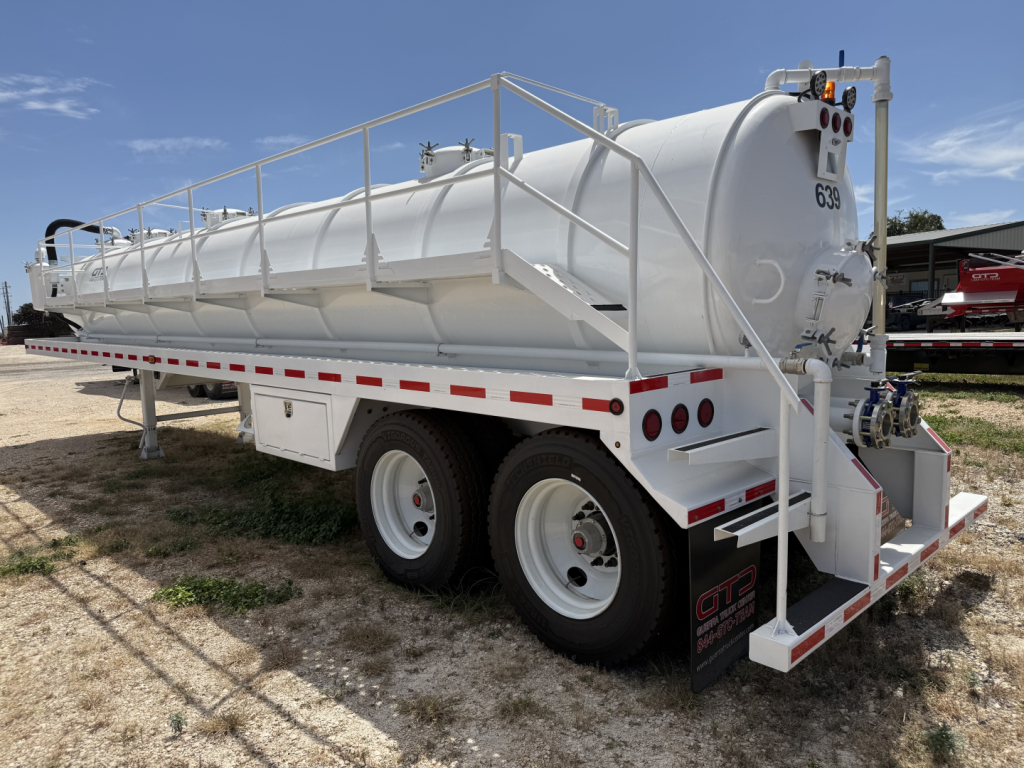
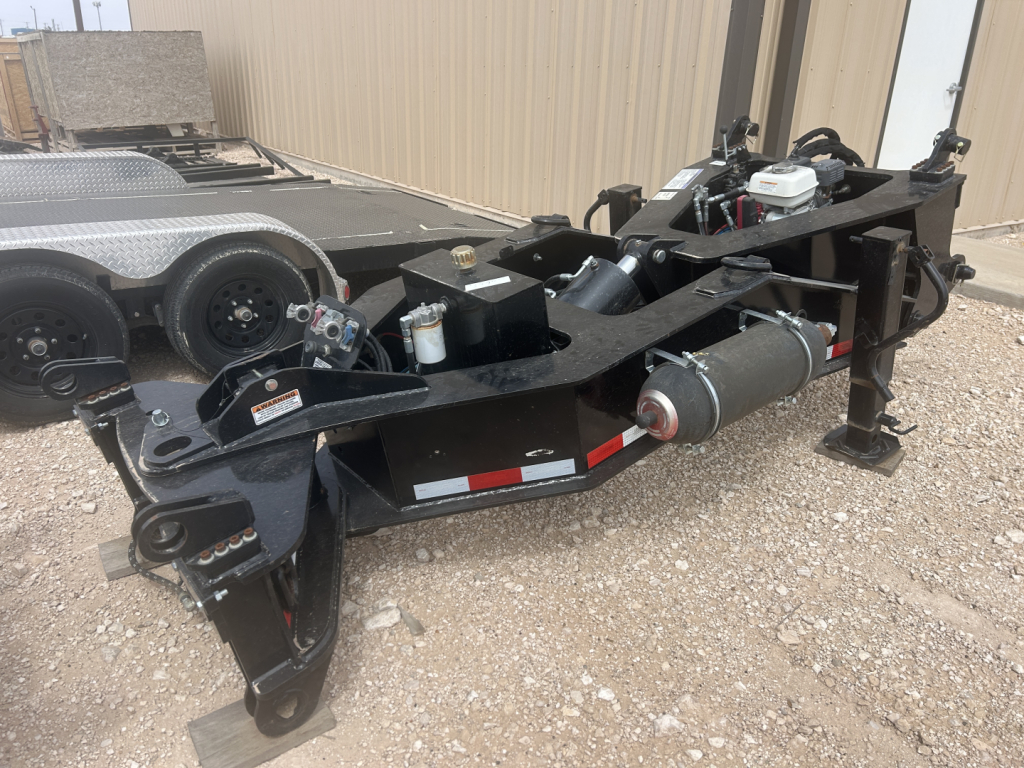
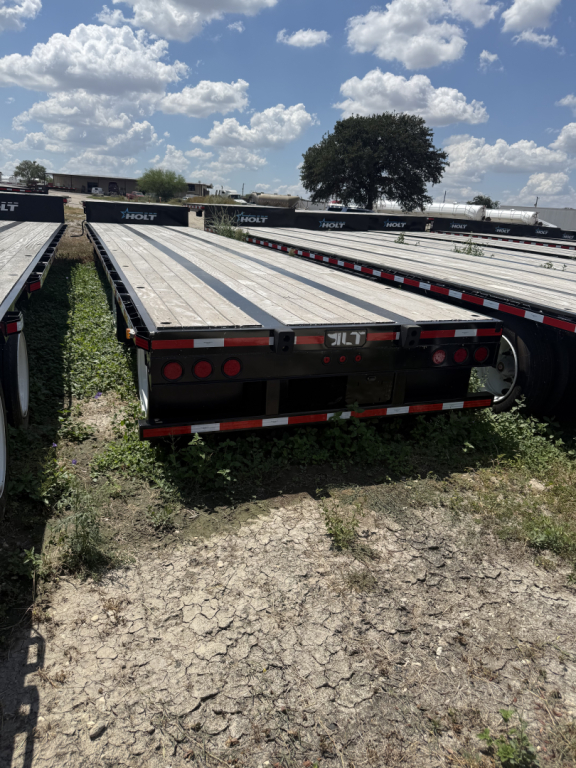
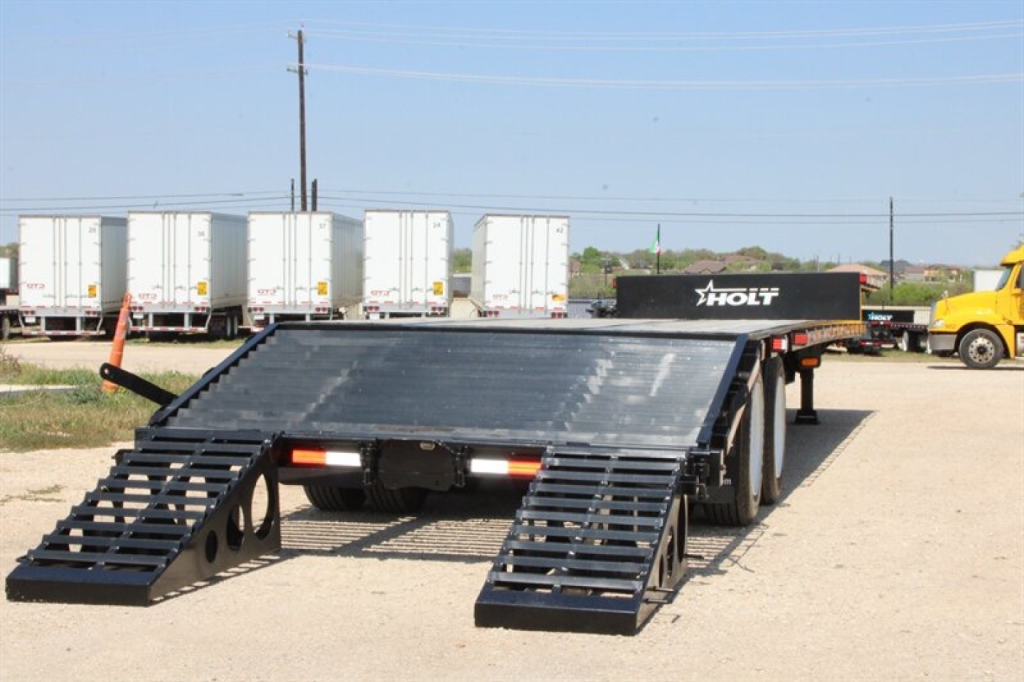
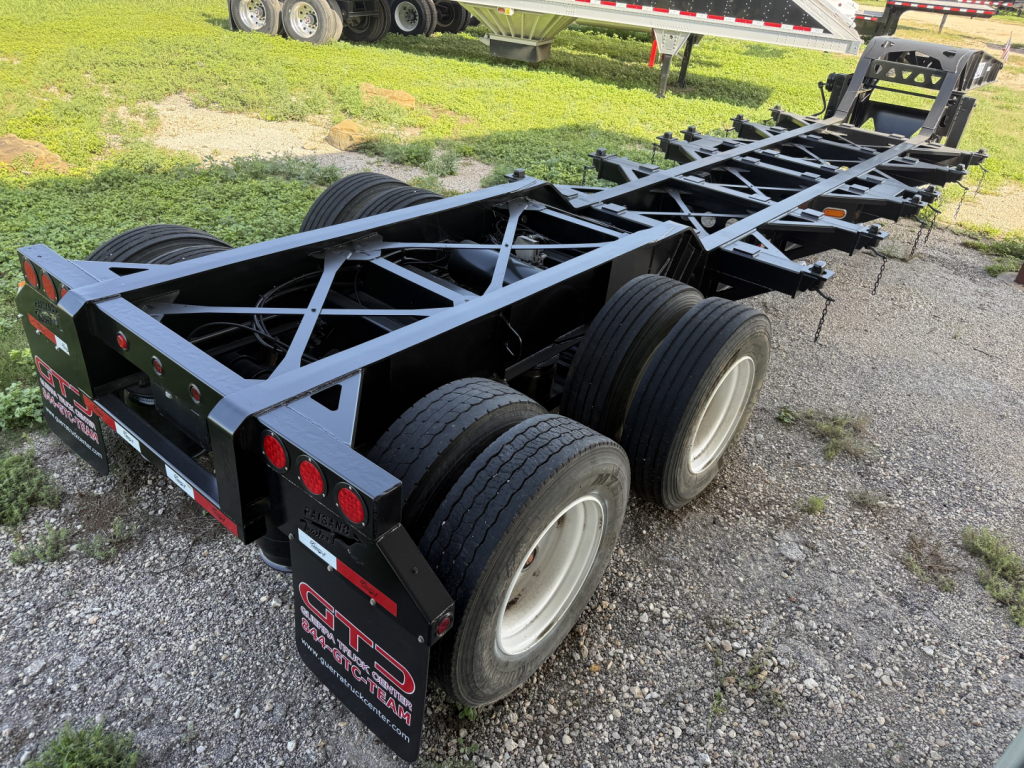
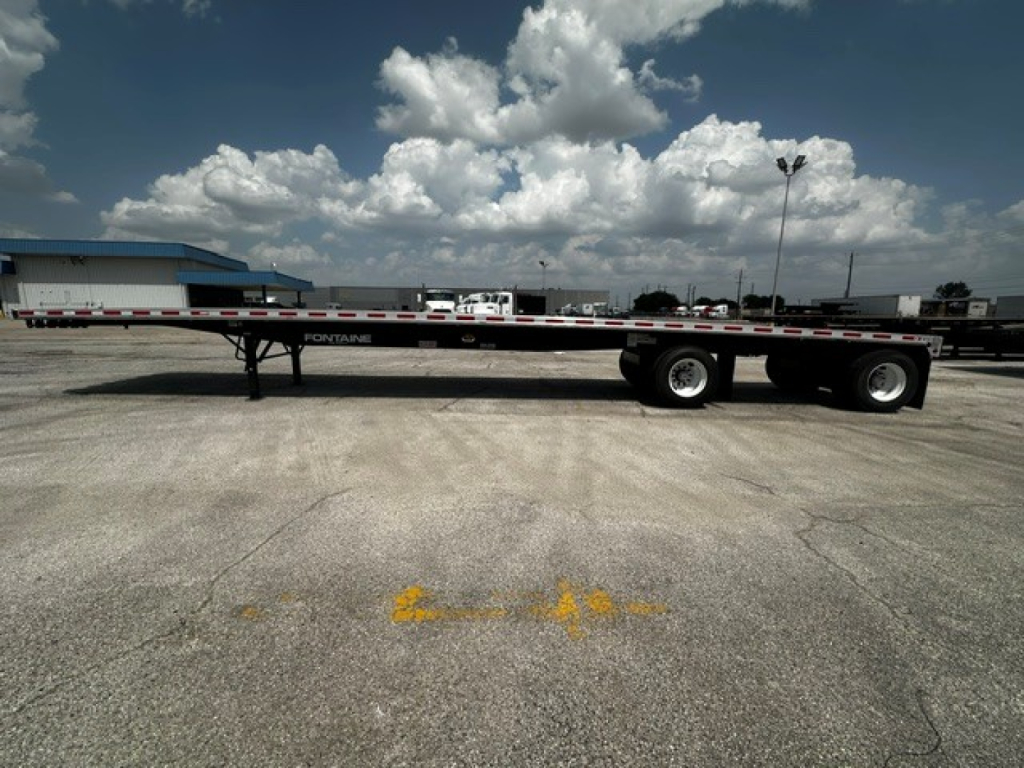
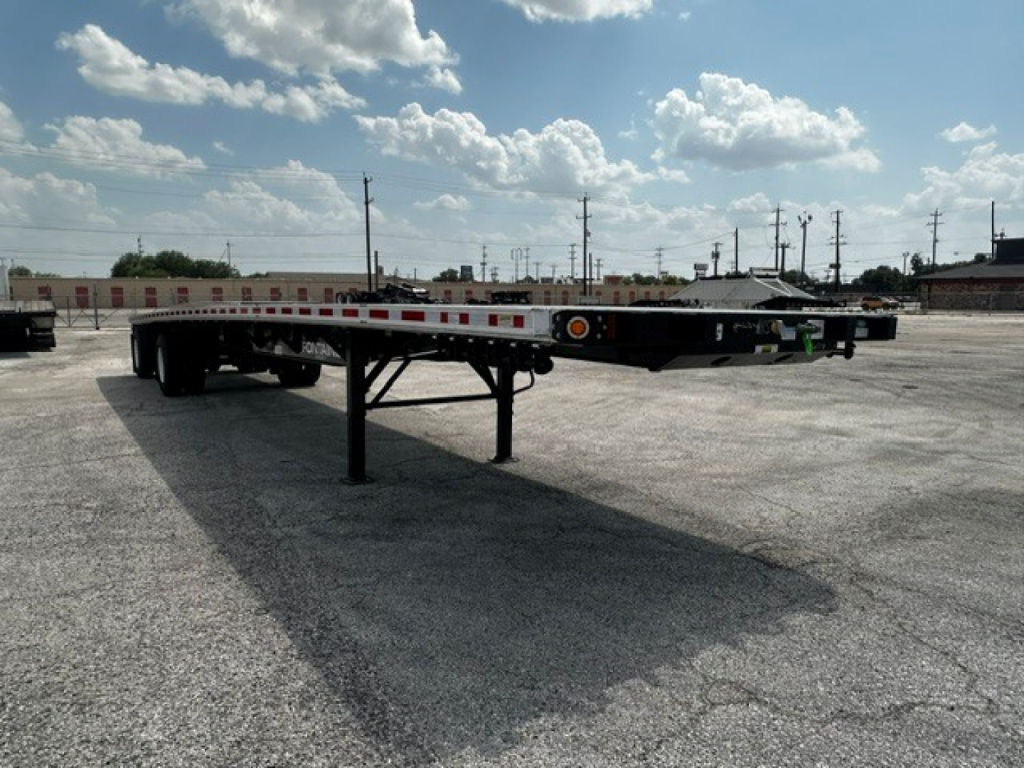
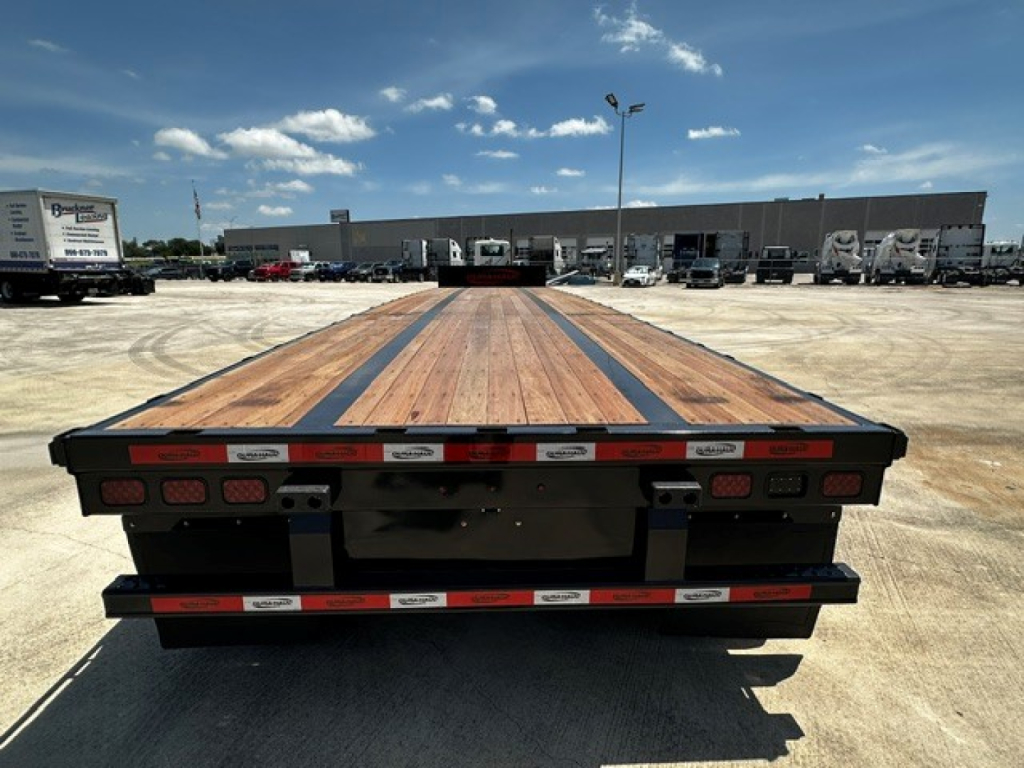
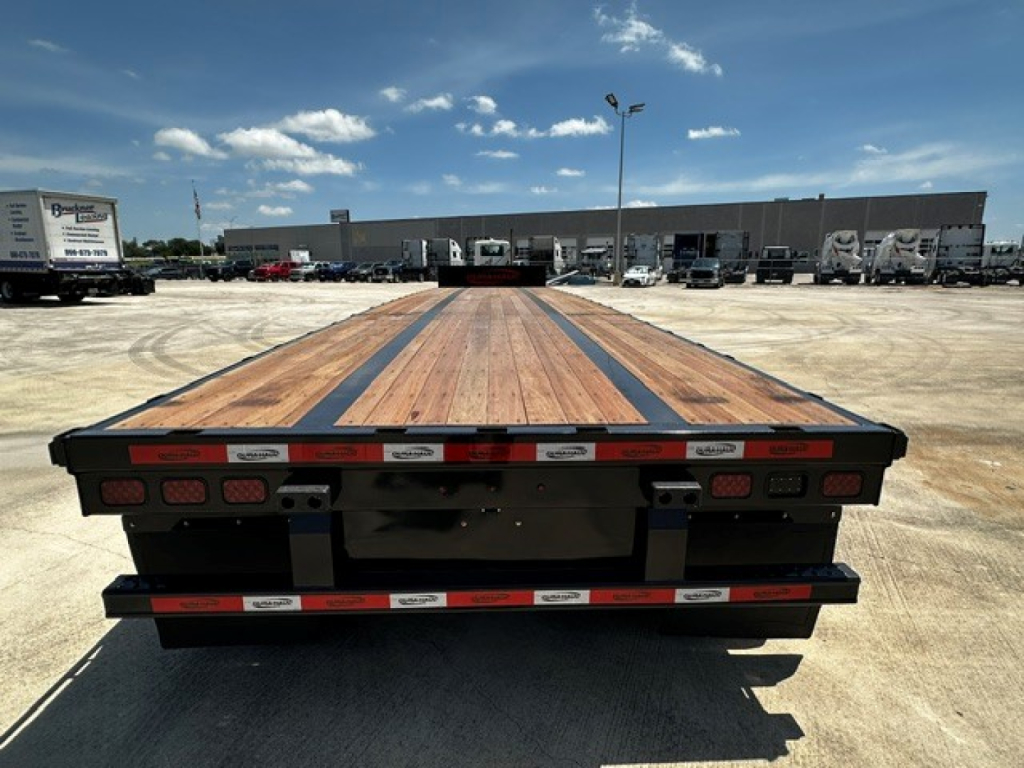
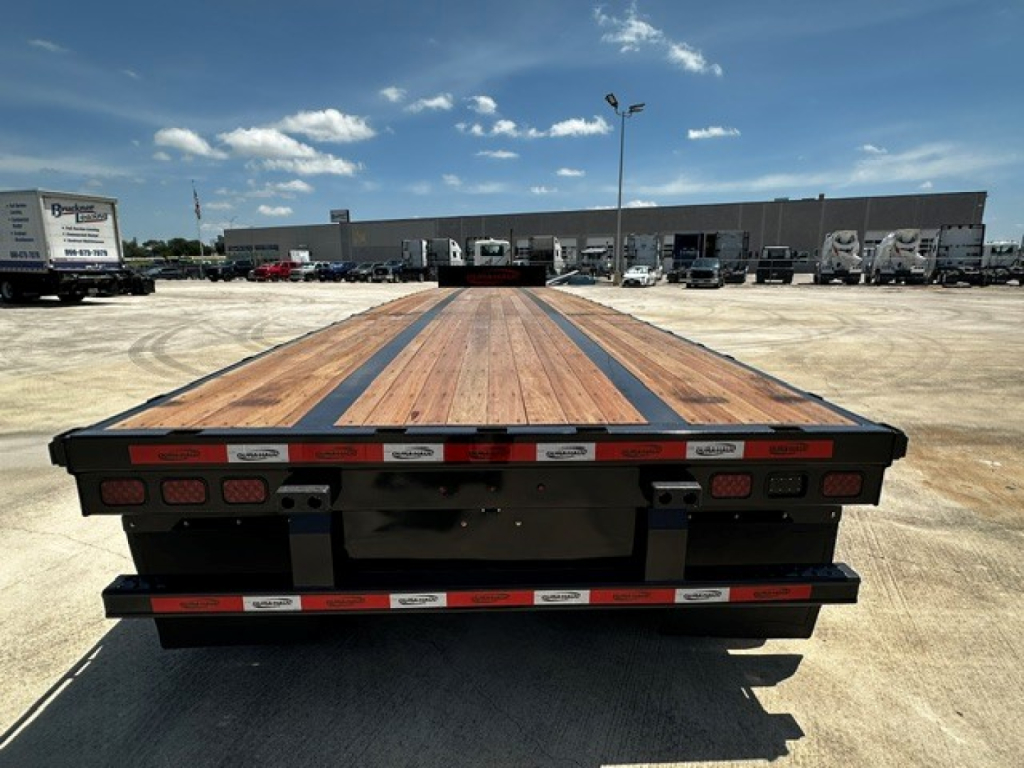
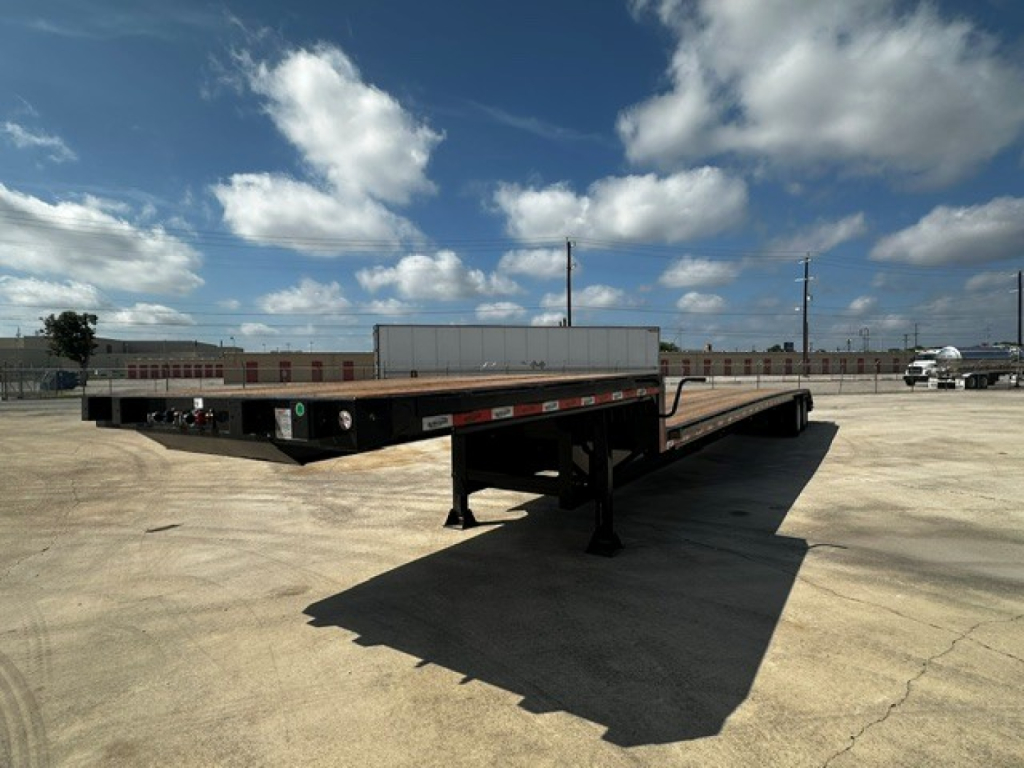
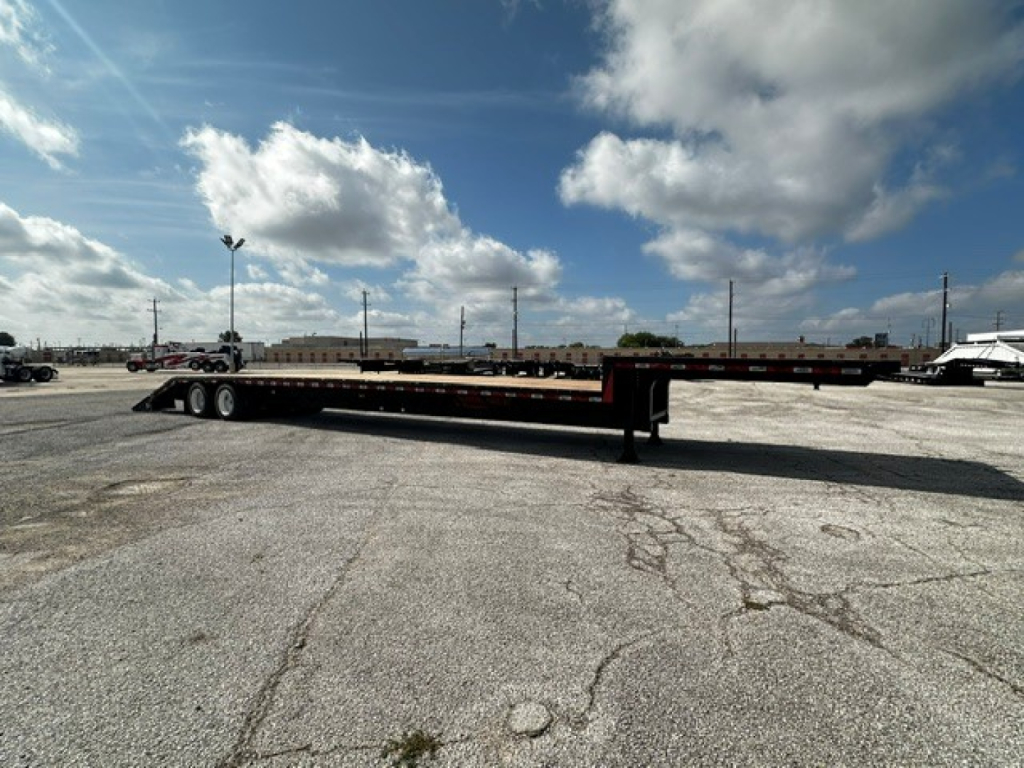
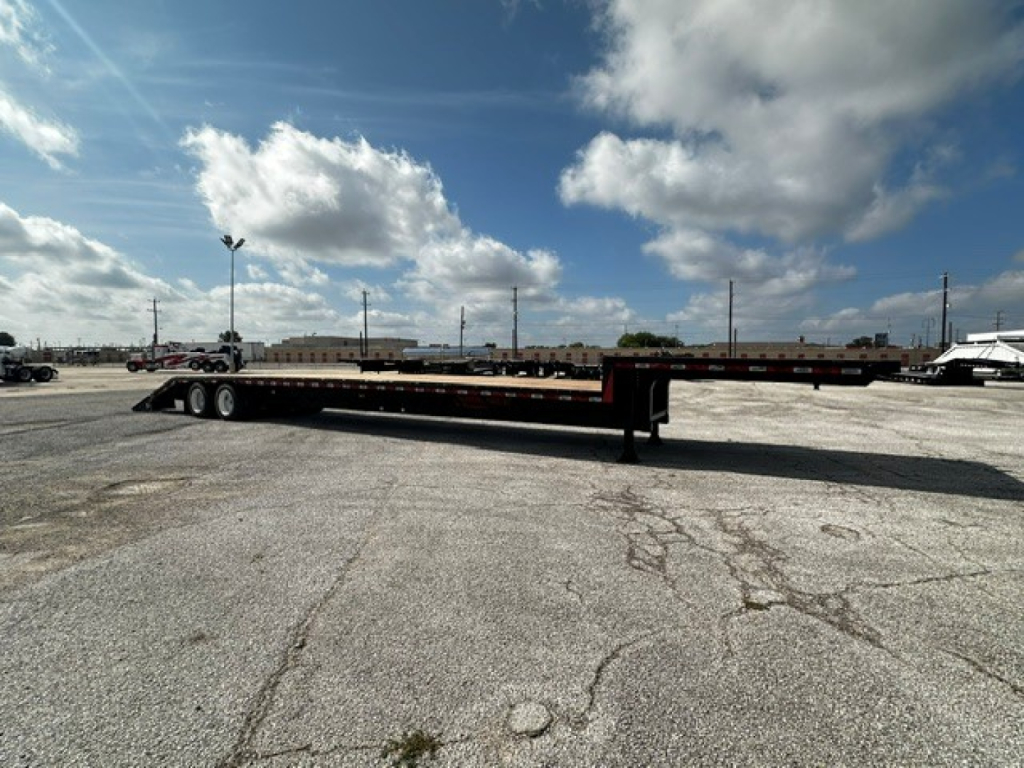
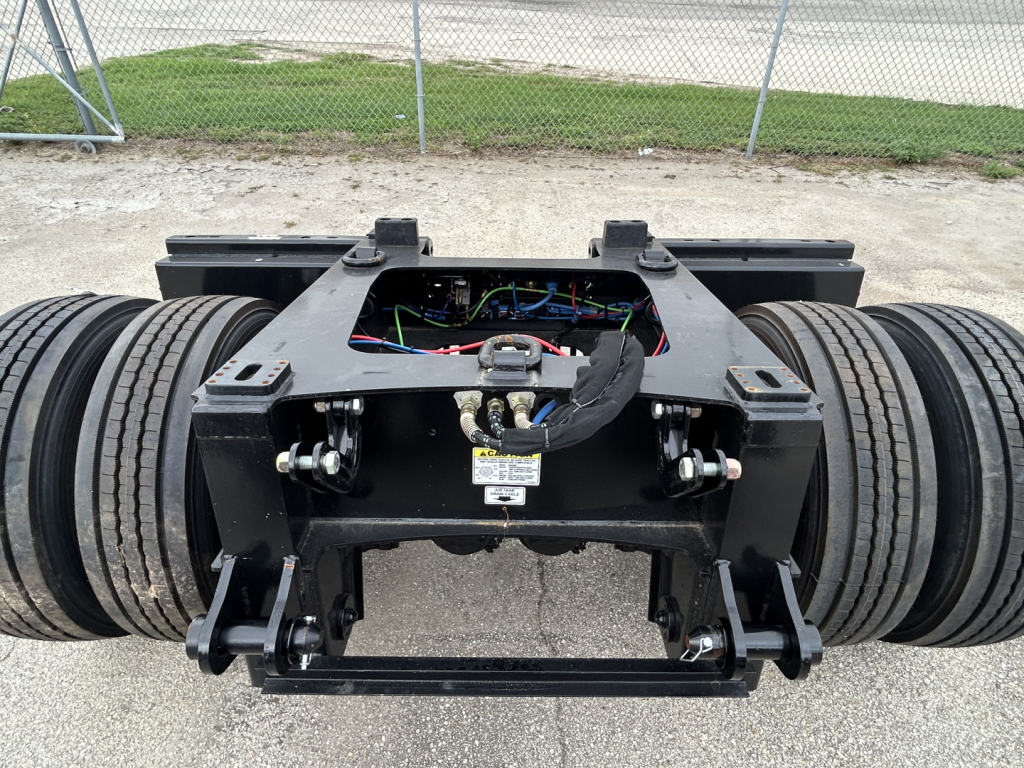
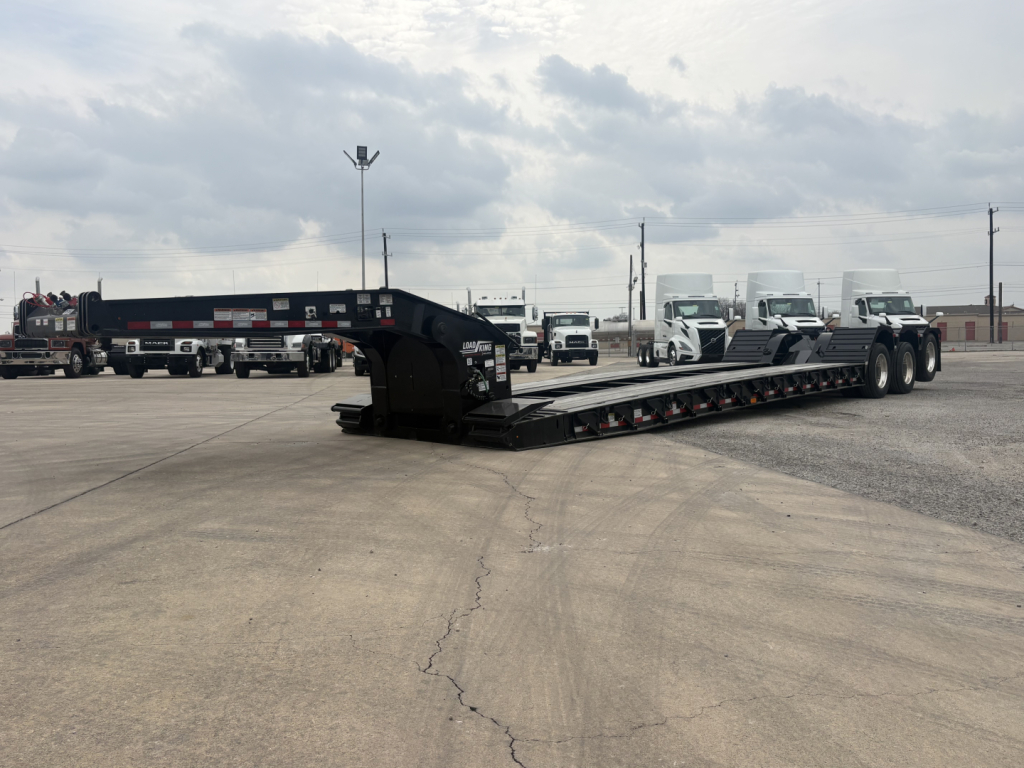
Have trailer to sell? List it here to reach thousands of buyers.
Trailers Near Converse, Texas
Construction details matter because they directly affect usable payload, securement options, and long-term durability. Buyers should pay close attention to trailer length and width, axle spacing, suspension type, kingpin setting, loaded fifth wheel height, and the capacity rating for both distributed and concentrated loads. Flatbeds commonly use aluminum flooring, steel or combo construction, integrated rub rails, stake pockets on regular centers, chain tie-downs, winch tracks, and sliding winches. Drop decks often add beavertails, spring-assisted ramps, close tandem or spread axle setups, and tighter crossmember spacing for mixed freight and equipment loading. Lowboys and heavy haul trailers add features such as outriggers, chain slots, D-rings, bucket wells, boom troughs, pony motors, hydraulic detachable goosenecks, lift axles, and compatibility with stingers or flip axles.
In Texas, trailer spec decisions often come down to route type, axle laws, and the kind of freight being loaded every day. Oilfield support, aggregate work, construction fleets, farm and ranch operations, and regional machinery haulers all place different demands on a trailer. Air ride suspension is common where cargo protection and ride quality matter, while axle spread, tire size, and wheel material can affect both compliance and service life. Buyers comparing chassis trailers should focus on frame material, reinforcement, intended container or box application, and suspension design. For heavy haul combinations, matching the base trailer with the correct jeep or flip axle is critical for weight distribution, bridge compliance, and overall maneuverability.
The best trailer choice is usually the one that fits the freight with the fewest compromises. A 48-foot or 53-foot flatbed may be ideal for general freight and coils, while a step deck gives extra height clearance for equipment and crated machinery. A lowboy is the right tool when deck height and tonnage are the priority, especially for tracked equipment, large attachments, and dense loads. Buyers should also evaluate securement layout, landing gear, ABS configuration, lighting, brake components, tire package, and deck material because those details affect safety, loading speed, maintenance cost, and resale value over the life of the trailer.
Frequently Asked Questions about Trailers Near Converse, Texas
What is the difference between a flatbed, drop deck, and lowboy trailer?
A flatbed trailer has a full-height deck and is best for general open-deck freight that can legally ride higher. A drop deck trailer, also called a step deck, has an upper deck and a lower deck to carry taller freight without exceeding height limits. A lowboy trailer sits much lower than either of those options and is designed for heavier, taller equipment that requires low deck height, stronger frame construction, and specialized loading features.
How do I choose the right trailer capacity for my operation?
Capacity should be matched to the actual freight, not just the maximum load you move a few times a year. Look at gross weight, concentrated load rating, axle group capacity, and where the weight will sit on the deck. A trailer carrying steel coils, compact equipment, or point-loaded machinery needs stronger frame sections and securement placement than a trailer hauling lighter distributed freight. For heavy haul applications, axle count, axle spacing, and compatibility with jeeps or flip axles are part of the capacity decision.
Why does kingpin setting matter on a trailer?
Kingpin setting affects tractor-trailer weight distribution, turning clearance, and compliance with bridge laws. A common setting like 30 inches may work well for many road tractors, but the ideal setup depends on wheelbase, fifth wheel position, and how the trailer is loaded. On open-deck and heavy haul trailers, the wrong kingpin placement can limit axle loading options or create clearance issues between the trailer and tractor during tight turns.
What trailer features matter most for cargo securement?
Securement starts with having enough properly placed anchor points for the loads you actually haul. Buyers should look for stake pockets, integrated rub rails, chain tie-downs, coil package options, D-rings, chain slots, and full-length winch tracks with sliding winches where needed. The spacing and strength of those components matter because they determine how efficiently and safely a driver can secure machinery, steel, lumber, or other irregular freight.
Is air ride suspension worth it on a trailer?
Air ride suspension is a strong choice when cargo protection, ride quality, and reduced shock load matter. It is common on flatbeds, drop decks, chassis, and many heavy haul setups because it helps protect freight and can improve trailer stability on rough roads. The tradeoff is added system complexity compared with simpler suspension types, so buyers should consider maintenance practices, service access, and the kind of roads and loads the trailer will see most often.