
Used Clark Trailers For Sale
Have used clark trailer to sell? List it here to reach thousands of buyers.
Used Clark Trailers
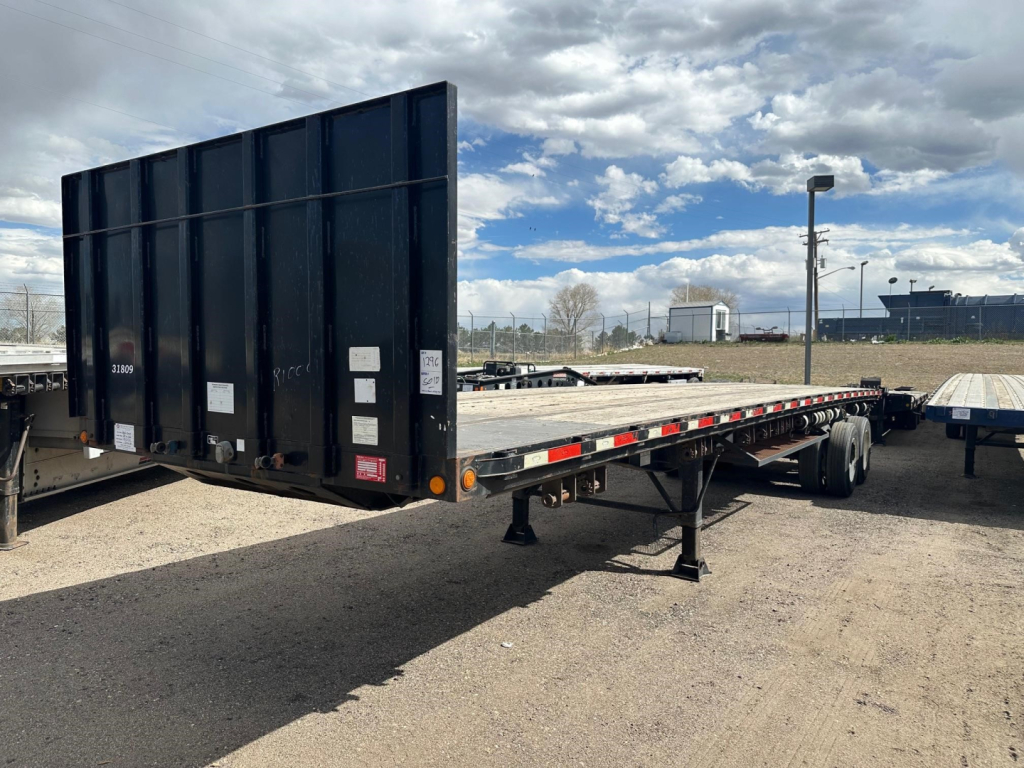
A common configuration in this make is the 48-foot by 102-inch flatbed trailer, also known simply as a flatbed or open-deck trailer. Many are tandem axle units with a sliding suspension, air ride, and 22.5 low-profile tires. That setup gives fleets flexibility for bridge laws and axle spacing while helping protect sensitive freight. Steel wheel specs, ICC bumpers, landing gear, and bulkheads are also common details worth checking because they affect both daily usability and compliance. On a used trailer, the condition of the wood floor, nail strips, side rails, winch track, and tie-down points can tell you a lot about how the trailer was loaded and maintained.
For freight securement, the most valuable features are often the simplest ones. Stake pockets, sliding winches, pipe spools, and a solid bulkhead expand the trailer's usefulness across multiple load types. Buyers hauling coil, building products, or irregular equipment should inspect for bent rub rails, damaged pockets, cracked welds around spool mounts, and wear around the kingpin area. Suspension condition, brake wear, tire age, and slider operation are equally important on a used Clark trailer because those items directly affect operating cost after purchase. If the trailer has spent time in northern climates or corrosive environments, look closely for rust scale on the subframe, crossmembers, and rear impact guard.
Clark trailers appeal to buyers who want a no-nonsense platform that can stay productive in regional or long-haul service. The right used unit comes down to matching the deck, securement layout, suspension, and axle setup to the freight you haul every week. A clean frame, sound floor, properly working slider, and intact tie-down system usually matter more than appearance. When comparing listings, focus on structural condition first, then on spec details that affect payload distribution, securement speed, and maintenance cost.
Frequently Asked Questions about Used Clark Trailers
What should I inspect first on a used Clark flatbed trailer?
Start with the structure. Check the main beams, crossmembers, kingpin area, suspension mounts, and rear frame for cracks, corrosion, poor weld repairs, or impact damage. After that, inspect the wood deck, rub rails, stake pockets, winch track, landing gear, brakes, tires, and slider assembly. Structural condition and running gear usually matter more than paint or cosmetic appearance on a used flatbed.
What are the most common specs on a used Clark trailer?
Used Clark trailers commonly appear as 48-foot by 102-inch flatbeds with tandem axles, air ride suspension, sliding axle or sliding tandem setups, wood floors, steel wheels, and 22.5 low-profile tires. Many are equipped with bulkheads, stake pockets, sliding winches, pipe spools, side rails, and tool boxes. Exact specs vary, so buyers should confirm axle spread, suspension type, deck material, and securement equipment on each listing.
Is a steel Clark flatbed a good choice for general freight?
A steel flatbed can be a strong choice for general freight when durability and straightforward repairs are priorities. Steel construction holds up well in demanding loading environments and is familiar to most repair shops. The tradeoff is weight, so buyers should compare tare weight against expected payload needs. For shippers moving steel, lumber, machinery, and palletized freight, a steel Clark flatbed is often a practical spec.
Why does a sliding tandem matter on a used trailer?
A sliding tandem allows the axle group to be repositioned to help with bridge law compliance, load balance, and fifth wheel to axle spacing requirements. That flexibility matters for fleets running different routes, variable load lengths, or state-specific axle rules. On a used trailer, the slider should move freely, lock correctly, and show no major damage or excessive wear in the rails, pins, or air components.
How do I know if the tie-down system is still serviceable?
Inspect every securement point as if the trailer were going to be loaded the same day. Look for bent stake pockets, torn rub rails, seized or damaged sliding winches, worn spool mounts, and any cracking around welded tie-down components. Also check that the bulkhead is straight and solid if the trailer has one. A used trailer with a complete, functional tie-down system can save significant time and reconditioning cost after purchase.