
Trailers For Sale Near Cincinnati, Ohio
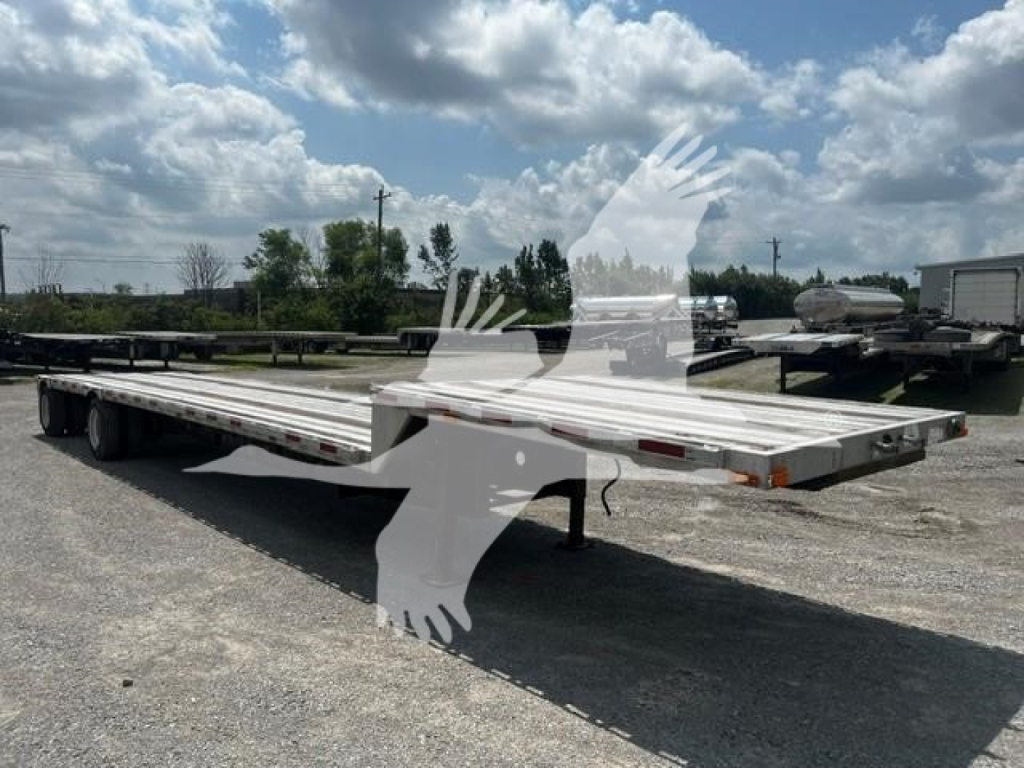
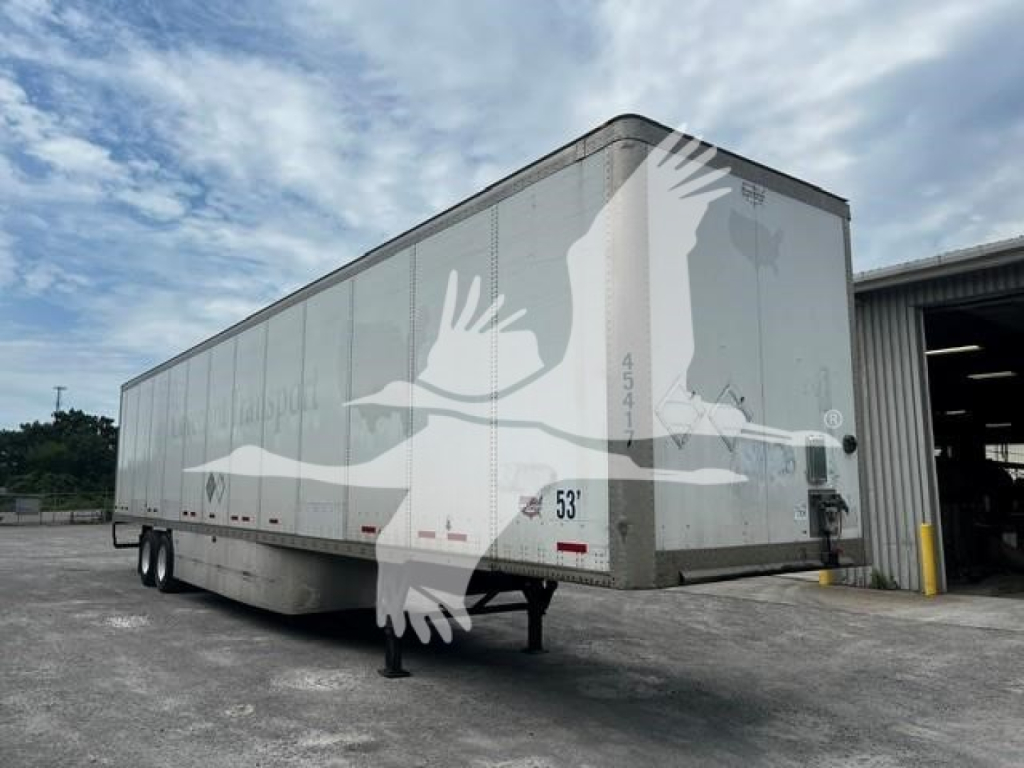
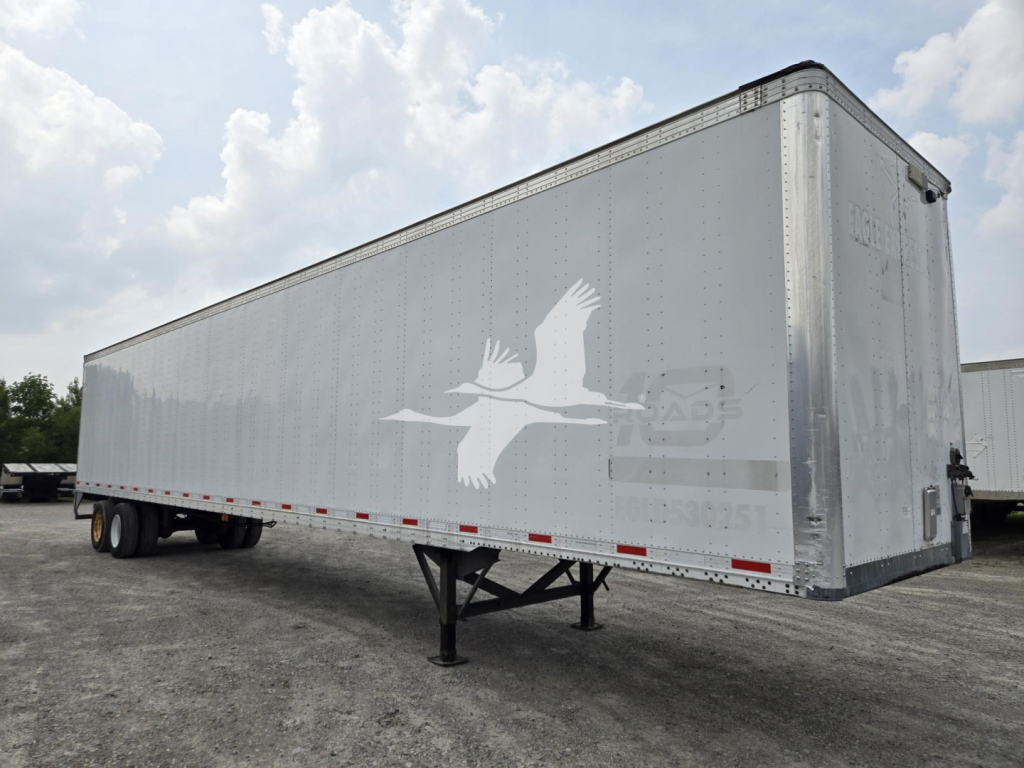
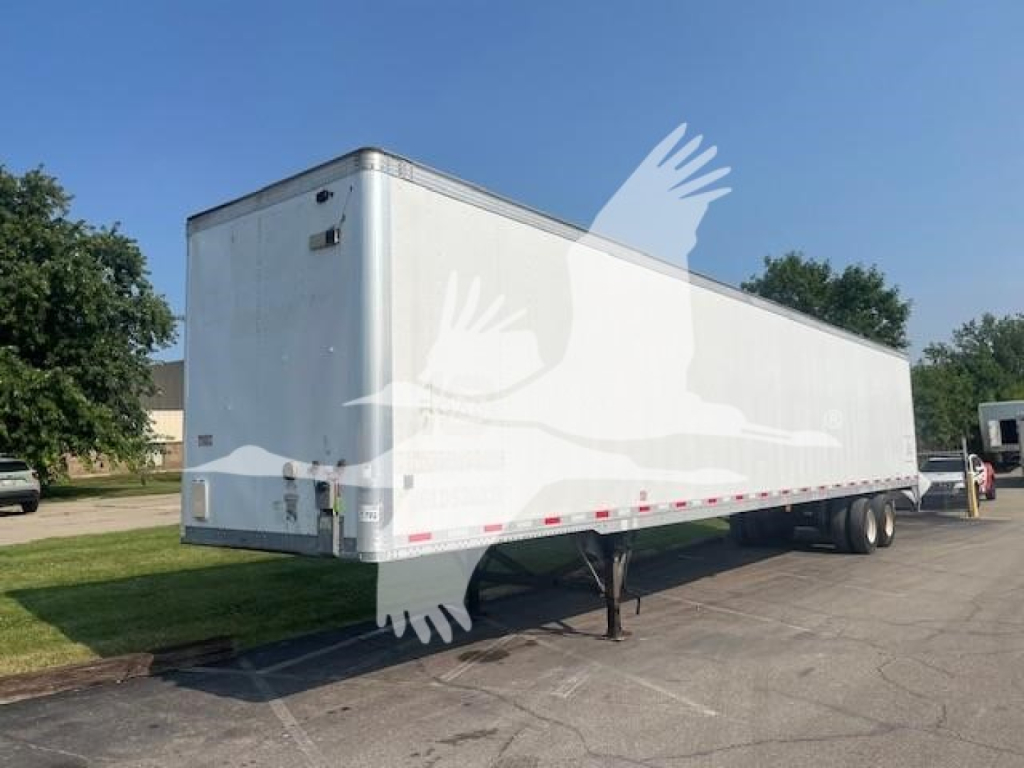
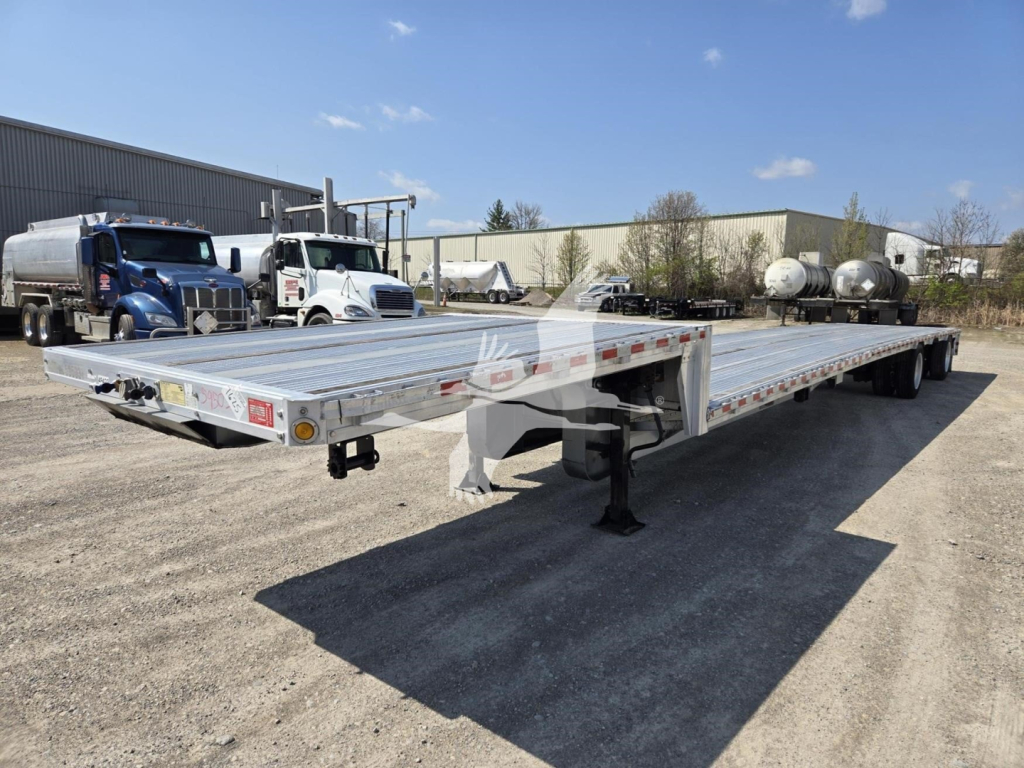
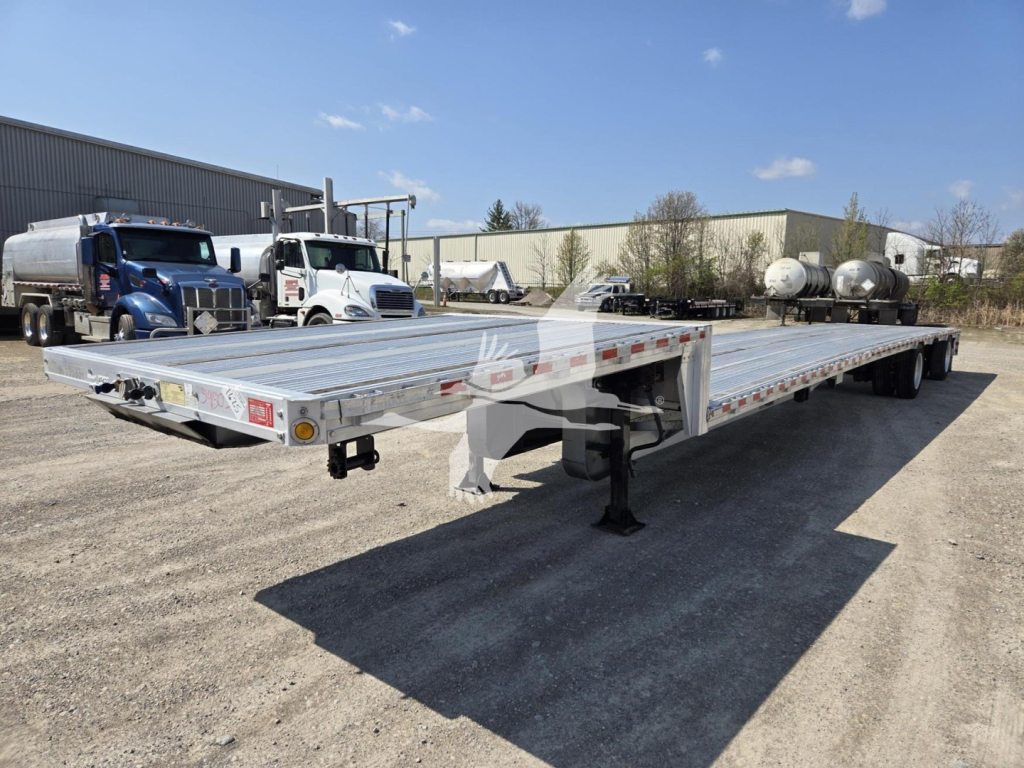
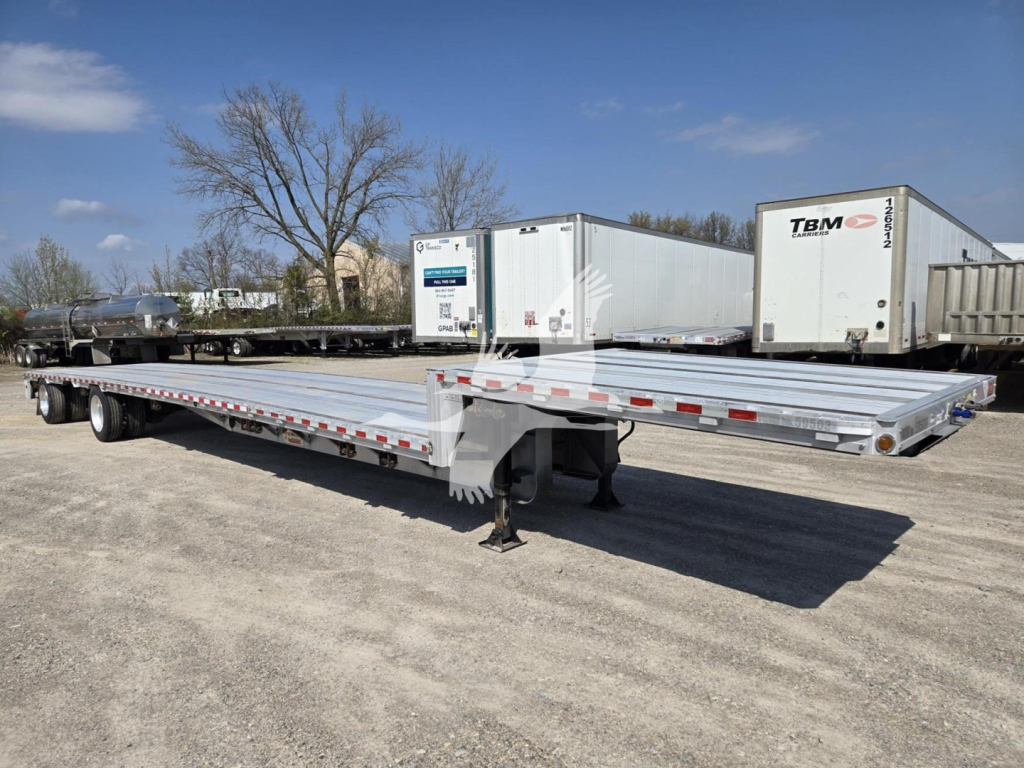
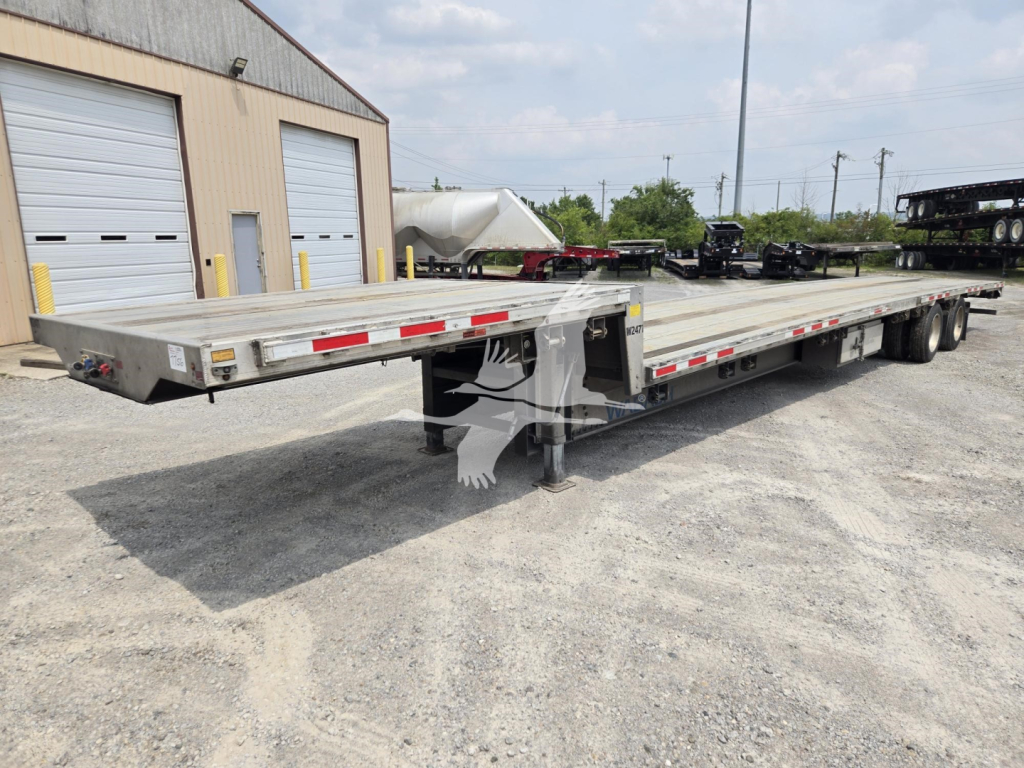
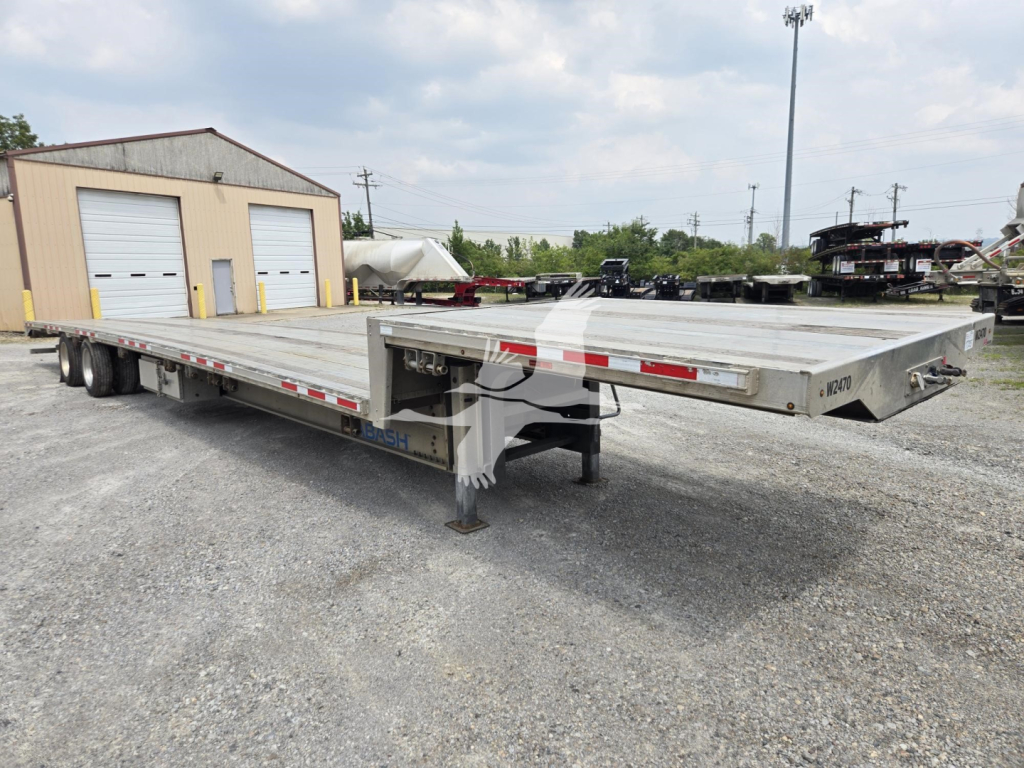
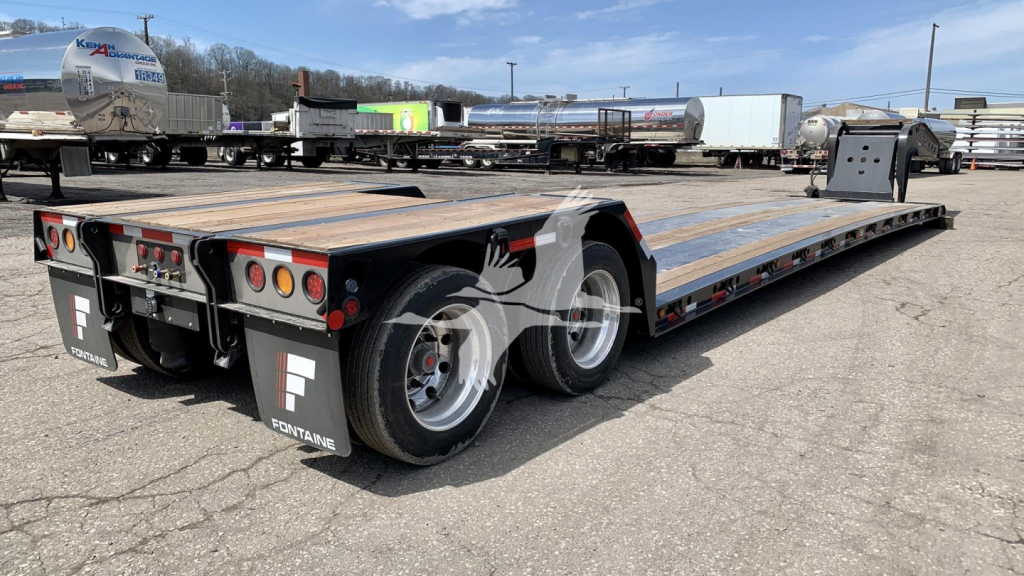
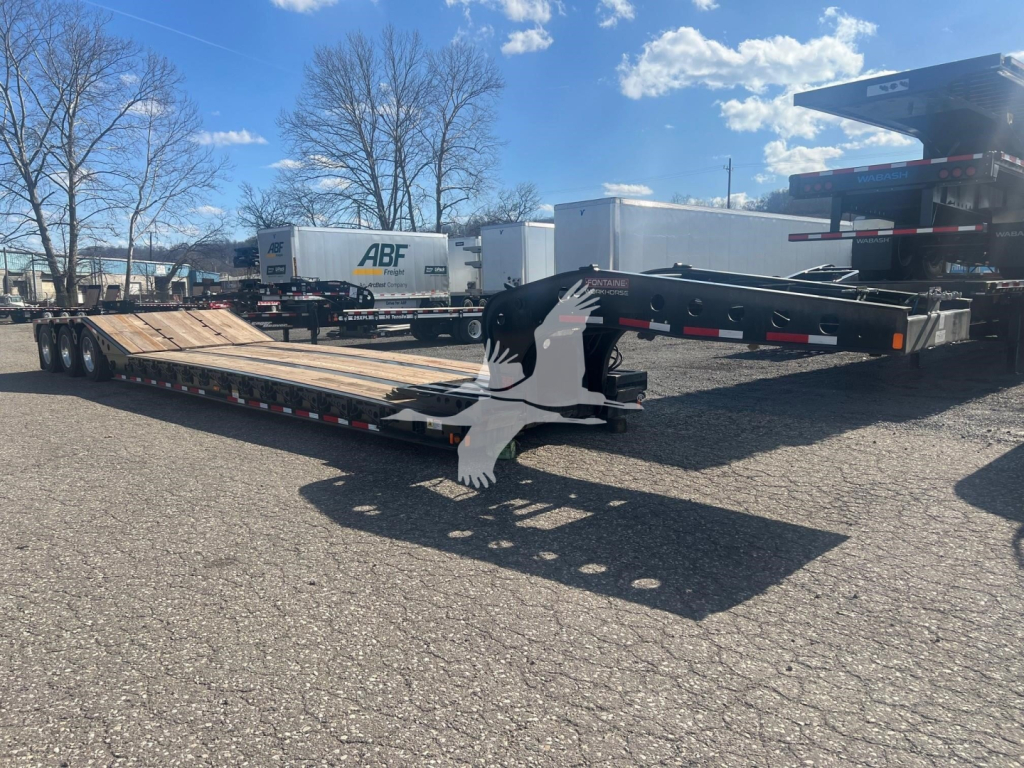
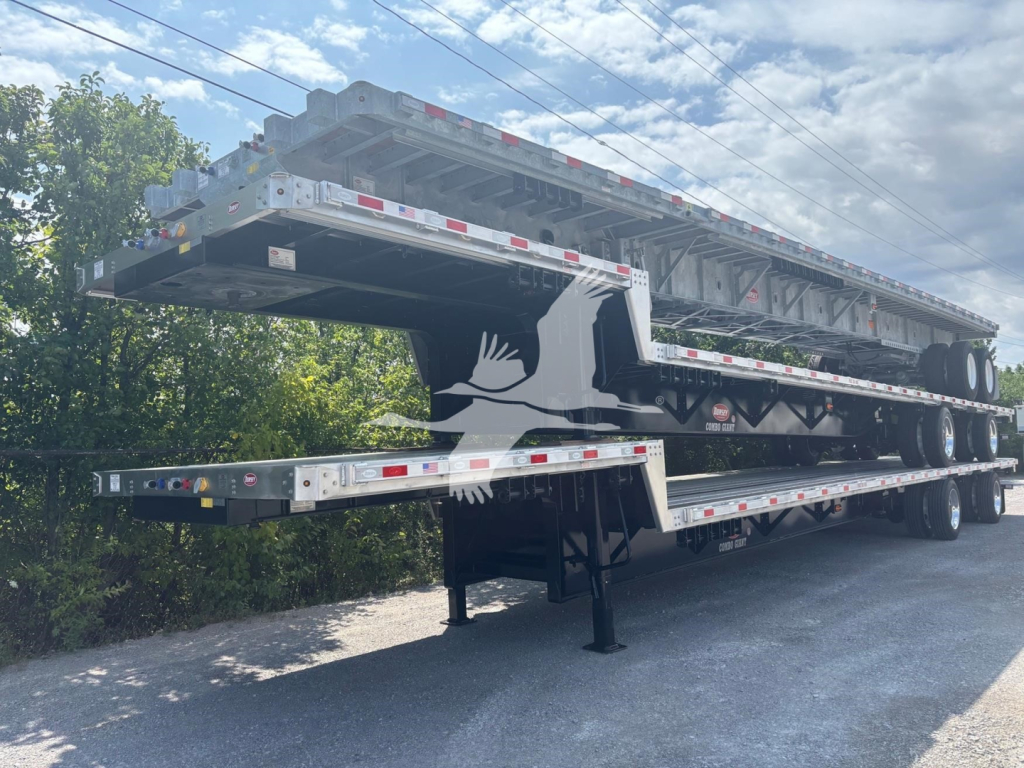
Showing 1 to 24 of 53 results
Have trailer to sell? List it here to reach thousands of buyers.
Trailers Near Cincinnati, Ohio
Frequently Asked Questions about Trailers Near Cincinnati, Ohio
What is the difference between a flatbed trailer and a lowboy trailer?
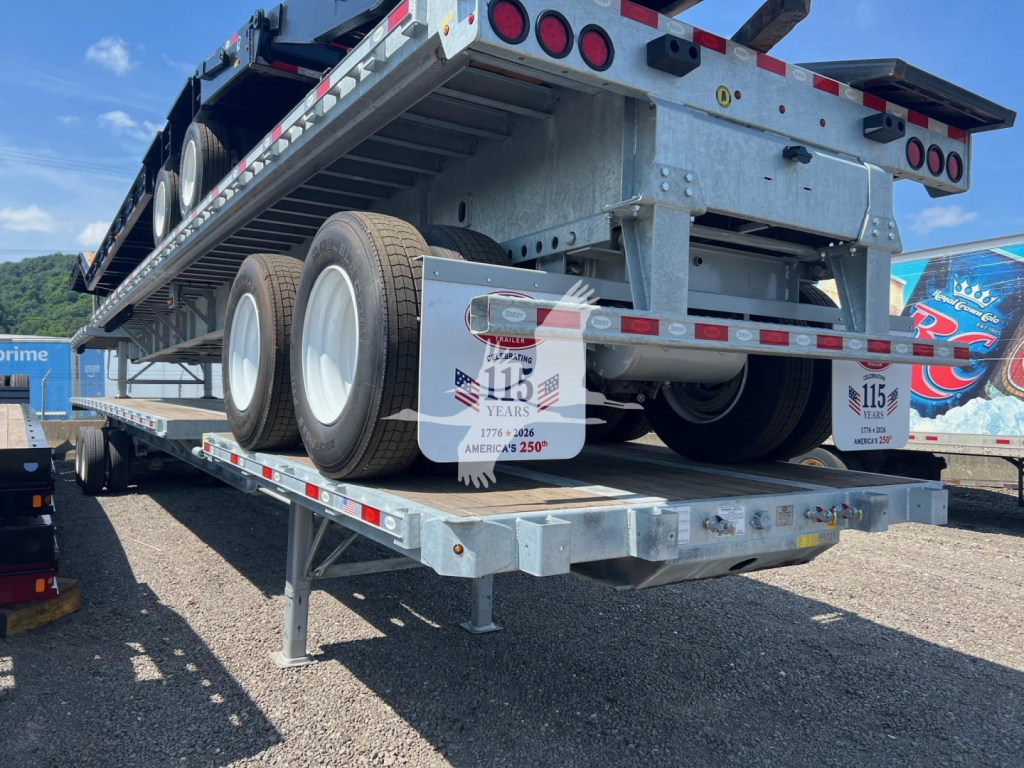
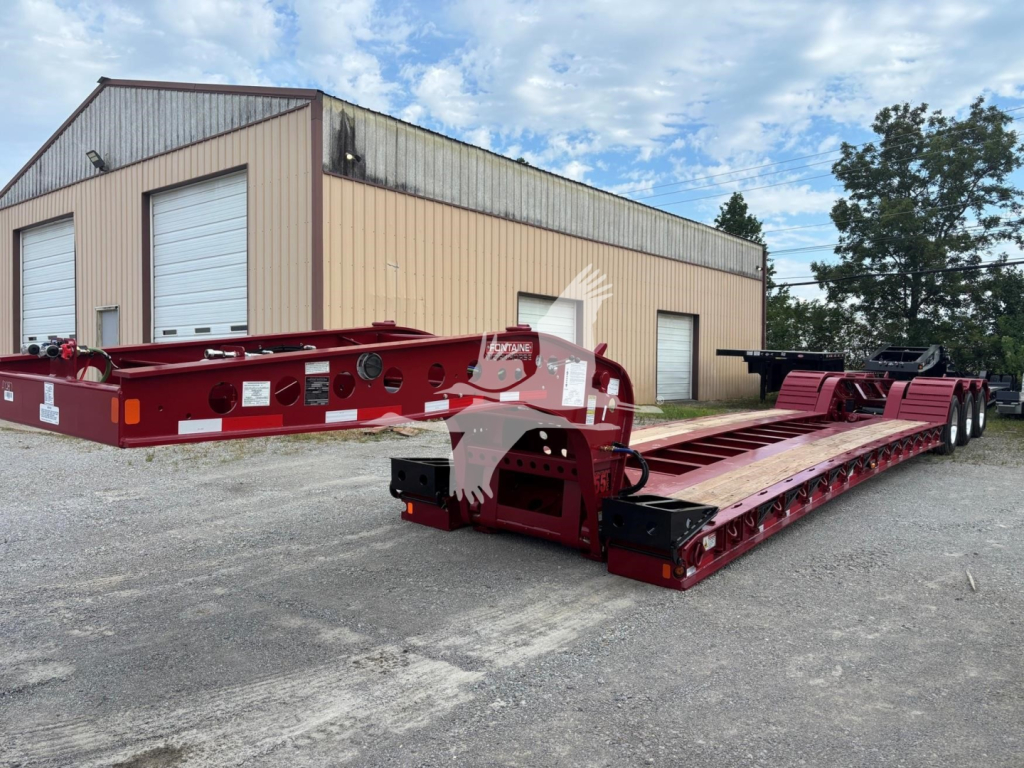
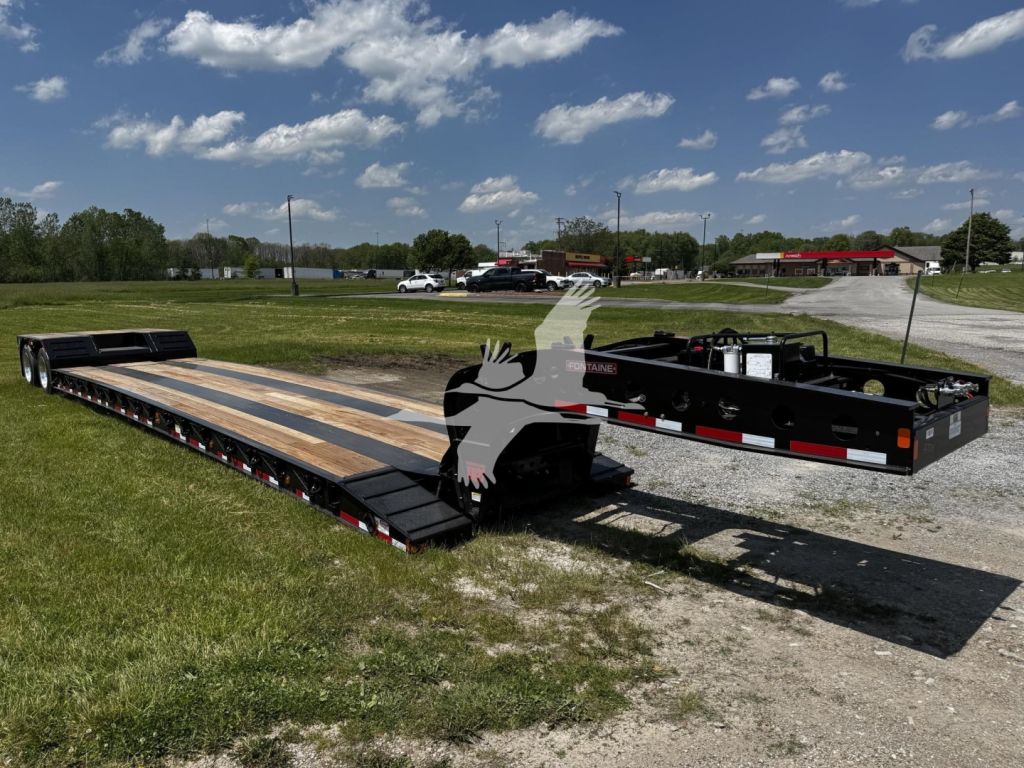
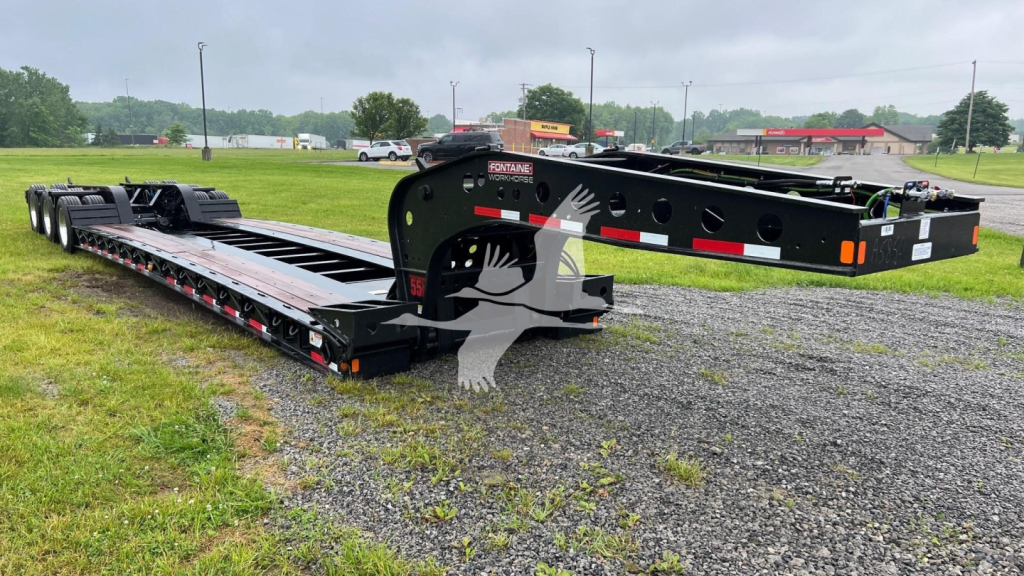
A flatbed trailer has a full-height open deck designed for palletized freight, steel, lumber, pipe, and machinery that can be loaded from the side, rear, or top. A lowboy trailer, also called a lowbed or lowboy detachable gooseneck trailer, has a much lower deck height to carry taller equipment while staying within legal height limits. Flatbeds are usually the better general-purpose trailer. Lowboys are built for heavier and taller loads with concentrated weight, including dozers, excavators, and other construction equipment.
What flatbed trailer specs matter most when comparing listings?
The most important flatbed specs are trailer length, width, trailer weight, axle configuration, suspension type, floor material, and tie-down equipment. Buyers should also look closely at kingpin setting, crossmember spacing, rated weight in concentrated areas such as 4 feet or 10 feet, and the presence of sliding winches, winch tracks, stake pockets, pipe spools, and coil package reinforcement. Aluminum flatbeds generally save weight and improve payload, while steel designs may be preferred for tougher vocational use.
What should I look for on a lowboy trailer?
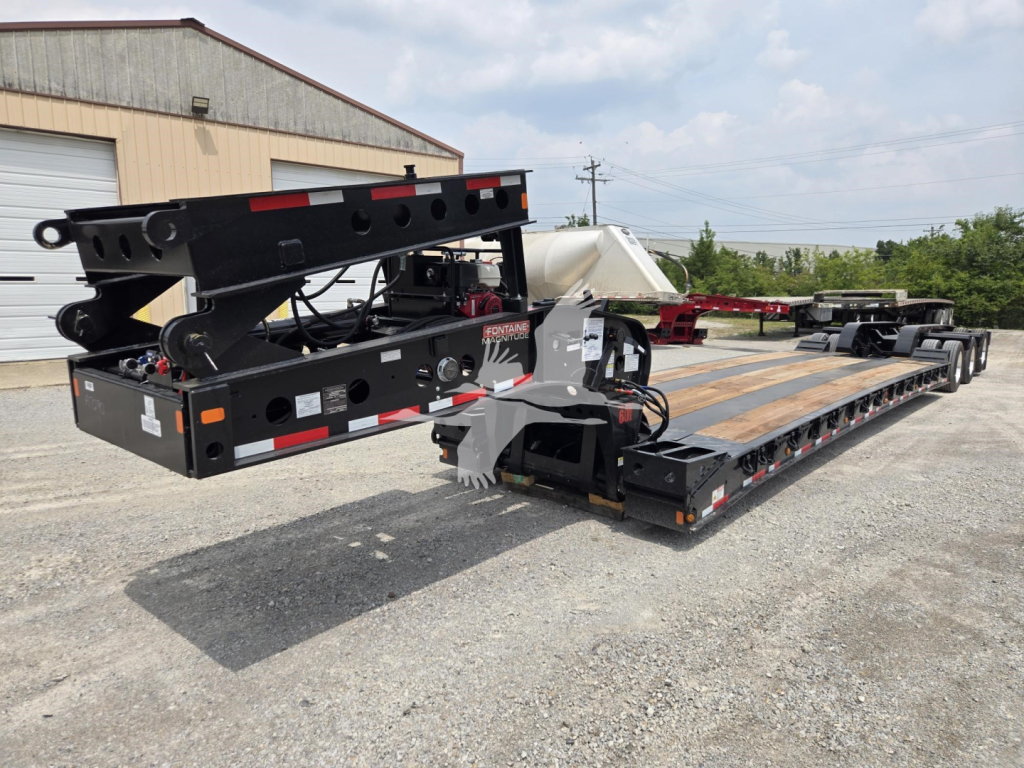
On a lowboy, the key buying points are deck length, loaded deck height, neck style, axle spacing, suspension, ground clearance, and the trailer’s rated capacity in a defined length such as 10 feet. Hydraulic detachable goosenecks are popular because they speed loading and unloading of equipment. Buyers should also check outriggers, chain drops, D-rings, bucket well design, flip axle compatibility, ride height adjustment, and tire and brake condition. These details directly affect how well the trailer handles oversize or concentrated loads.
Is aluminum or steel better for a trailer?
It depends on the job. Aluminum flatbed trailers are favored for higher payload and corrosion resistance, especially in over-the-road freight service. Steel trailers are heavier but often better suited for severe-duty applications, equipment hauling, and jobs where deck abuse, ramp use, or repeated heavy loading is common. For many buyers, the decision comes down to payload needs, maintenance preference, and the type of freight being hauled every day.
Why does Cincinnati matter when shopping for trailers?
Cincinnati is a practical trailer market because it sits near major freight corridors and serves a mix of construction, manufacturing, and regional trucking operations. That means buyers often compare open-deck trailers used for machinery, building materials, steel products, and general freight. For regional operations in Ohio, Kentucky, and Indiana, it is especially important to match trailer type, axle setup, and load securement equipment to the freight mix and the permit requirements you expect to handle.