
Used Wabash Chassis Trailers For Sale in Illinois
Used Wabash chassis trailers for sale in Illinois, including container and tipper chassis with common specs, axle setups, and buying points.
Learn more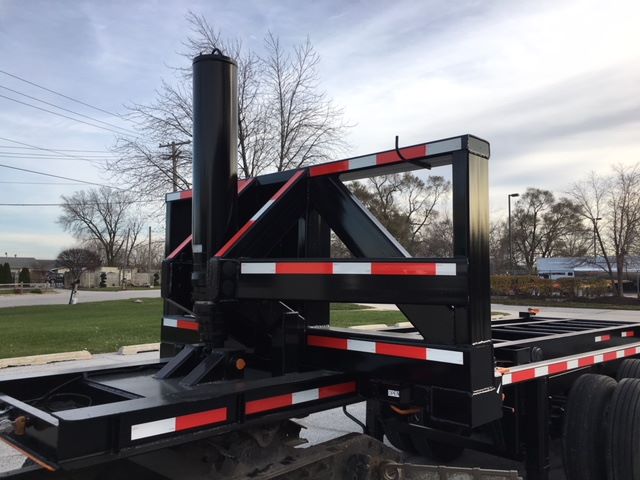
Have used wabash chassis trailer to sell? List it here to reach thousands of buyers.
About Used Wabash Chassis Trailers in Illinois
A used Wabash chassis may be built for standard ISO containers, domestic containers, or specialized applications such as a tipper chassis. Tipper chassis are designed to raise a container for bulk commodity unloading and are commonly found in scrap, recycling, agricultural byproducts, and other dump-style operations. On this type of trailer, buyers should look closely at the hoist or inverted cylinder setup, hinge points, rear structure, and any evidence of frame stress from repeated loading cycles. Standard container chassis buyers should verify slider function if equipped, kingpin setting, twist locks, landing gear condition, ABS status, and whether the trailer is configured for 20-foot, 40-foot, or multi-size container use.
Spec choices drive daily operating costs. Tandem and tri-axle chassis are common, with tri-axle setups often used where higher gross weights or specific route requirements apply. Tire condition, wheel-end service history, brake life, and lighting upgrades such as LEDs can make a measurable difference in first-year maintenance expense. Suspension type also matters. Mechanical suspension is simple and proven, while air ride may offer better cargo protection depending on the application. Buyers should also inspect for rust scale, prior repairs, cracked welds, bent rear bolsters, and worn container securement components, especially on older units that have seen heavy rail-yard or terminal use.
For Illinois fleets and owner-operators, the right used Wabash chassis trailer is the one that matches freight, container size, and terminal requirements without creating weight-distribution or maintenance problems. A lighter chassis may improve payload, but durability is just as important if the trailer will see rough yards, repeated grounding, or bulk unloading cycles. DOT readiness, current brake and tire condition, and a clean maintenance history often matter more than model year alone. Buyers comparing listings should start with intended container type, axle spread, hoist equipment if applicable, and overall structural condition, then work back to cosmetic updates and optional features.
Frequently Asked Questions
What should I check first on a used Wabash chassis trailer?
Start with structural condition. Inspect the main rails, crossmembers, rear bolster, kingpin area, landing gear mounts, and suspension hangers for rust, cracks, bends, or signs of heavy repair. After that, verify container securement components, brake condition, tire wear, ABS function, and lighting. On a tipper chassis, the hoist or cylinder system and hinge structure should be inspected early because those components directly affect safety and repair cost.
What is the difference between a standard chassis trailer and a tipper chassis?
A standard chassis trailer is built to carry shipping containers in drayage and intermodal service. A tipper chassis adds a lifting mechanism so the container can be elevated for unloading bulk material. That makes a tipper chassis useful for scrap, recyclables, and other commodities that need gravity discharge. The added hydraulic or cylinder system means buyers need to evaluate not just the frame and running gear, but also the lifting system, pivot points, and rear body structure.
Is a tri-axle Wabash chassis better than a tandem axle chassis?
Not automatically. A tri-axle chassis can help with heavier legal loads, route restrictions, or site-specific requirements, but it also adds tires, brakes, and suspension components to maintain. A tandem axle chassis may be simpler and lighter, which can help payload and operating cost in the right application. The better choice depends on container weight, state bridge-law requirements, terminal rules, and the type of freight being hauled.
How important is container size compatibility on a used chassis?
It is one of the first fit questions to answer before comparing listings. Some chassis are dedicated to a single container length, while others are adjustable or multi-size. Buyers should confirm support for 20-foot, 40-foot, or domestic container dimensions, and check twist lock placement, slider operation, and overall frame setup. A chassis that does not match the box sizes you move can create loading delays, legal issues, or expensive modifications.
What matters most for a used chassis trailer operating in Illinois?
Illinois buyers usually need to pay close attention to axle spacing, legal gross weight, brake compliance, and overall structural durability for rail, yard, and regional road use. Seasonal road conditions and terminal environments can accelerate corrosion, so understructure condition matters. If the trailer will be used in intermodal lanes, practical concerns such as DOT readiness, LED lighting, tire condition, and dependable landing gear often have as much value as age or appearance.