
Used Wabash Chassis Trailers For Sale
Browse used Wabash chassis trailers built for container hauling, port drayage, and specialty applications with durable frames and fleet-ready specs.
Learn more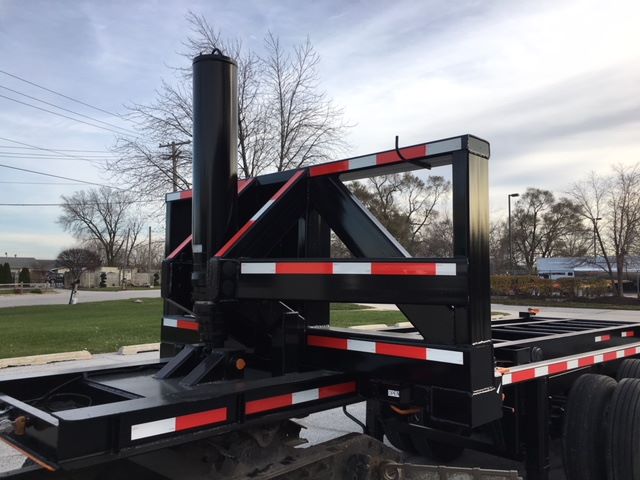
Have used wabash chassis trailer to sell? List it here to reach thousands of buyers.
About Used Wabash Chassis Trailers
A used chassis trailer should be evaluated first by its intended container length and duty cycle. Common configurations include 20-foot, 40-foot, combo, slider, tri-axle, and specialty chassis, with some units set up for heavier container weights or port-specific requirements. On a Wabash tipper chassis, buyers should pay close attention to the hydraulic or inverted cylinder arrangement, subframe integrity, hinge points, and overall structural condition because those components take the brunt of repeated loading cycles. On standard container chassis, key checkpoints include twist locks, bolster condition, crossmember corrosion, landing gear operation, brake wear, wheel-end history, and lighting updates such as LED conversions.
For operating cost and compliance, suspension, axle rating, and brake specification deserve a close look. Air ride can help with cargo protection and ride quality, while spring ride remains common for simple, durable service. Fleet buyers should verify GVWR, axle spacing, tire condition, ABS function, and whether the trailer is set up for current DOT and port requirements. Corrosion is especially important on used chassis trailers because these units often spend years in marine, rail, and industrial environments. A sandblasted and repainted frame can be a positive sign, but smart buyers still inspect for repairs, rust scaling, cracking around high-stress points, and signs of prior overloading.
Wabash remains a recognized name in the trailer market, and that can help with service familiarity and resale confidence, but condition always drives value in the used chassis segment. Buyers comparing listings should weigh remaining tire life, recent brake work, frame repairs, lighting, kingpin and landing gear condition, and any specialty equipment that affects productivity in the field. A well-maintained used Wabash chassis trailer can be a practical choice for drayage fleets, container haulers, scrap and recycling operators, and bulk handlers that need a straightforward platform matched to a specific container and route profile.
Frequently Asked Questions
What should I look for first on a used Wabash chassis trailer?
Start with frame condition, axle configuration, and container compatibility. A used chassis trailer needs to match the container lengths and weights you expect to haul, but structural condition is just as important. Inspect the main rails, crossmembers, bolster areas, twist locks, landing gear mounts, suspension hangers, and kingpin area for corrosion, cracks, or repair history. On any chassis used in port or rail environments, rust and fatigue can affect long-term value more than cosmetic appearance.
What is a Wabash tipper chassis used for?
A tipper chassis is a specialty chassis designed to raise a container for unloading bulk material such as scrap, wood fiber, agricultural product, or other loose commodities. These trailers typically use a hydraulic or inverted cylinder system to tilt the container safely during discharge. Buyers should inspect the cylinder, pivot points, subframe, and rear structure closely because those parts see repeated stress and are central to safe operation.
Are tri-axle chassis trailers better for heavier loads?
Tri-axle chassis can be a strong choice for heavier container payloads because the additional axle helps distribute weight and may support compliance with local bridge laws or port regulations. The tradeoff is added tire, brake, and maintenance cost, along with a larger turning footprint. The best choice depends on your route, commodity, container size, and the legal weight environment where the trailer will operate.
How important is brake and tire condition on a used chassis trailer?
Brake and tire condition has a direct effect on operating cost, downtime, and inspection readiness. A used chassis with newer brakes, strong remaining tire life, and working ABS can reduce immediate reconditioning expense and help the trailer return to service faster. Buyers should still confirm wheel-end condition, slack adjuster function, drum or rotor wear, air system leaks, and date codes on tires rather than relying only on listed tread percentage.
Does repainting or sandblasting add value on a used chassis?
Sandblasting and repainting can improve appearance and may indicate recent reconditioning, especially on a chassis that has worked in corrosive conditions. It is helpful, but it should not replace a proper structural inspection. Fresh paint can hide weld repairs, pitting, or fatigue around stress points, so buyers should still inspect the frame, crossmembers, suspension mounts, and other load-bearing areas carefully before purchase.