
Wabash Chassis Trailers For Sale
Browse Wabash chassis trailers built for container hauling, drayage, and port work, with common specs, axle options, and buyer-focused details.
Selling a wabash chassis trailer? List your wabash chassis trailer for sale and reach thousands of commercial buyers.
Wabash Chassis Trailers
For most buyers, the first decision is the chassis layout. Common configurations include tandem axle and tri-axle setups, with fixed or extendable frames depending on the container sizes being hauled. A tri-axle chassis can make sense for heavier loads and specific state bridge requirements, while a tandem axle remains the standard for many port and regional container moves. On used units, inspect crossmembers, bolsters, twist locks, slider components if equipped, and the rear structure for signs of repairs or corrosion. Brake condition, wheel-end service history, tire wear, and lighting upgrades such as LEDs can tell you a lot about how the trailer was maintained. Suspension design also matters, especially if the chassis will spend its life in rough terminal yards, urban streets, and short-haul drayage cycles.
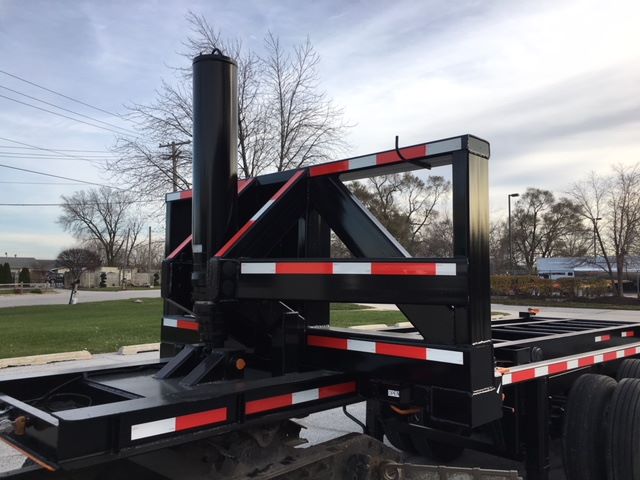
If the chassis is a tipper configuration, the hydraulic cylinder setup and structural integrity become major buying points. Tipper chassis are used to raise the container and unload bulk material, so buyers should pay close attention to cylinder rating, pivot points, subframe condition, and any evidence of stress cracking around lift components. Payload expectations, container type, and unloading angle all affect how the chassis will perform in real service. For standard container chassis, daily usability comes down to kingpin condition, landing gear operation, brake timing, ABS function, and whether the unit is compliant with the terminals and jurisdictions where it will run. In port operations, small details like mud flaps, conspicuity tape, marker lights, and DOT-ready brake systems can save time and prevent avoidable downtime.
Wabash remains a recognized name in trailers because buyers expect a straightforward design, serviceable parts, and proven durability in commercial fleets. When comparing Wabash chassis trailers for sale, focus on application fit first, then on structural condition and maintenance history. A lighter chassis may improve payload, but a heavier-spec frame, stronger suspension, or tri-axle arrangement may be the better choice for dense freight, scrap, aggregates, or demanding drayage routes. The best chassis is the one that matches your container lengths, axle laws, terminal environment, and maintenance program without creating avoidable operating costs.
Frequently Asked Questions about Wabash Chassis Trailers
What should I look at first when buying a used Wabash chassis trailer?
Start with the frame, axle configuration, and container compatibility. Check for corrosion, weld repairs, bent crossmembers, worn twist locks, and damage around the rear bolster and kingpin area. Then review brakes, tires, wheel ends, suspension, lighting, and ABS operation. On a chassis trailer, structural condition and legal road readiness matter more than cosmetic appearance.
Is a tandem axle or tri-axle Wabash chassis better?
It depends on the freight and the states where the trailer will operate. Tandem axle chassis are common for general drayage and container hauling because they are simpler and typically lighter. Tri-axle chassis can help with heavier loads and bridge law compliance in certain applications, but they add complexity, tire expense, and maintenance. The correct choice comes down to payload, route, and local regulations.
What is a tipper chassis and when does it make sense?
A tipper chassis is a container chassis designed with a lifting system, often a hydraulic cylinder, to raise the container for unloading bulk material. It is commonly used for scrap, agricultural products, wood waste, or other loose commodities carried in containers. Buyers should verify cylinder capacity, frame reinforcement, pivot condition, and overall structural health because tipper service creates higher stress than standard container hauling.
Are Wabash chassis trailers suitable for port and rail drayage?
Yes, many Wabash chassis trailers are well suited for port and rail work, provided the configuration matches the container sizes and terminal requirements involved. Drayage service puts constant stress on brakes, suspension, tires, lights, and frame components due to short cycles, rough surfaces, and frequent hookups. A chassis that is DOT-compliant, structurally sound, and properly spec'd for local operations is usually the right fit.
How important is tare weight on a chassis trailer?
Tare weight is very important because every pound in the trailer reduces legal payload. Buyers hauling dense freight often pay close attention to tare weight, especially in port and intermodal operations where payload margins are tight. That said, the lightest chassis is not always the best option if the application calls for a heavier-duty frame, additional axles, or a tipper setup for specialized unloading.