
Stoughton Chassis Trailers For Sale
Browse Stoughton chassis trailers built for intermodal container hauling, with durable steel frames, twist locks, tandem axles, and highway-ready specs.
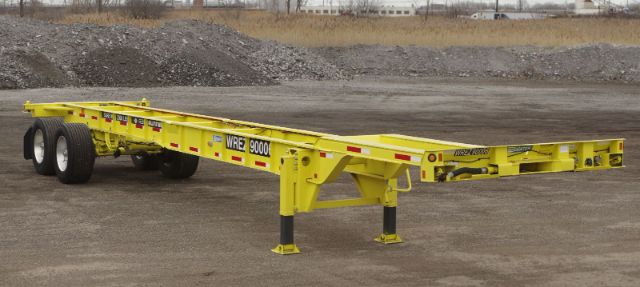
Selling a stoughton chassis trailer? List your stoughton chassis trailer for sale and reach thousands of commercial buyers.
Stoughton Chassis Trailers
A buyer should pay close attention to length, kingpin setting, axle arrangement, and overall rating. Common specs on a Stoughton chassis trailer include tandem axles, air or spring suspension depending on build, anti-lock braking systems, and 22.5 rubber with either duals or super singles. Some units are set up as heavy-duty chassis for specialized work, including rough yard conditions, agricultural support, or short off-pavement travel where tire footprint and frame robustness become more important. Dry weight and payload capacity matter because chassis profitability is tied directly to legal payload and bridge compliance, especially when you are moving loaded containers in and out of ports, rail ramps, warehouses, and transload facilities.
Condition is more important on a chassis trailer than many first-time buyers expect. Crossmember integrity, frame corrosion, twist lock operation, slider function, brake wear, tire condition, and lighting should all be reviewed closely. On used Stoughton chassis trailers, it is also smart to inspect suspension components, axle alignment, hub and drum condition, and any tire inflation system if equipped. Fleets operating in coastal or northern environments should be especially alert for rust, prior repairs, and electrical issues caused by water and road treatment exposure. A chassis may look simple, but downtime usually comes from neglected running gear and container securement points rather than the basic frame itself.
For the right operation, a Stoughton intermodal chassis can be a cost-effective choice because the design is purpose-built and easy for most trailer shops to understand. Buyers running drayage, port service, container transfer, warehouse shuttles, or specialized heavy container moves should compare gross vehicle weight rating, tare weight, tire setup, and suspension spec against the exact lanes they run. A lighter chassis may help maximize legal payload on the highway, while a heavier-duty spec may be the better fit for uneven yards, repeated short-haul abuse, or nontraditional environments. The best purchase is the one matched to your container size mix, terminal requirements, and maintenance model.
Frequently Asked Questions about Stoughton Chassis Trailers
What are Stoughton chassis trailers used for?
Stoughton chassis trailers are primarily used to haul intermodal shipping containers between ports, rail ramps, warehouses, and customer facilities. They are designed to carry standardized containers using twist locks and container mounting points, making them a common choice for drayage, regional container transfer, and terminal support work. Some heavier-duty configurations are also used in industrial or agricultural settings where a container chassis needs better durability on uneven surfaces.
What should I inspect first on a used Stoughton chassis trailer?
Start with the frame, crossmembers, twist locks, suspension, axles, brakes, and tires. Those components tell you how the chassis has been used and how much reconditioning it may need. Rust, cracked welds, seized slider components, uneven tire wear, and worn brake hardware can turn a low-cost chassis into an expensive shop project. Electrical systems and lights also deserve attention because chassis trailers often see hard exposure in ports and yards.
Are Stoughton chassis trailers available in heavy-duty configurations?
Yes. Some Stoughton chassis trailers are built as heavy-duty units with stronger frame construction, higher capacity ratings, and tire or suspension setups intended for demanding service. These can be a good fit for operations that deal with rough yards, heavier container loads, or short off-road segments. Buyers should confirm the exact GVWR, tare weight, axle spec, and tire package rather than assuming every chassis in the category is configured the same way.
Why do tare weight and GVWR matter on a chassis trailer?
Tare weight affects how much payload you can carry legally, and GVWR sets the upper limit for the trailer's loaded rating. On container work, those numbers directly impact revenue, route planning, and compliance with bridge and axle laws. A lighter chassis can improve payload flexibility, but a heavier chassis may offer more structural durability for severe service. The right balance depends on the container types, cargo density, and road conditions in your operation.
What tire and suspension setups are common on Stoughton chassis trailers?
Many Stoughton chassis trailers use tandem axles with either leaf spring or air ride suspension, depending on the intended service. Tire setups may include standard duals or super singles, with super singles sometimes preferred for certain heavy-duty or mixed-surface applications because of weight savings and footprint characteristics. Suspension choice affects ride, maintenance cost, and how the chassis performs in rough yards, so buyers should match the running gear to their actual route and terminal conditions.