
Cheetah Chassis Trailers For Sale
Browse Cheetah chassis trailers built for container and tank hauling, with common specs, axle setups, ride options, and buyer-focused guidance.
Selling a cheetah chassis trailer? List your cheetah chassis trailer for sale and reach thousands of commercial buyers.
Cheetah Chassis Trailers
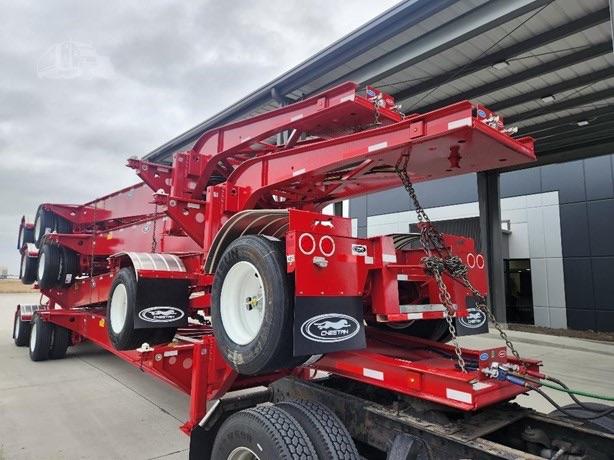
On a Cheetah chassis, pay close attention to container length compatibility, tandem location, and overall tare weight. Common setups are built around 20-foot, 40-foot, and combo container service, while tank chassis are designed around the dimensions and securement requirements of ISO tank containers. Buyers comparing used units should inspect twist locks, crossmembers, landing gear, subframe condition, and kingpin area wear. Suspension type also matters. Spring ride remains common for straightforward fleet service and easier maintenance, while tire inflation systems such as PSI are a valuable feature on higher-mileage drayage operations because they help manage tire life and roadside downtime.
A chassis trailer works in a punishing environment, so corrosion control and structural condition deserve extra attention. Salt exposure, port use, and heavy terminal cycling can accelerate rust at weld points, lighting connections, brake plumbing, and rear structure. Wheel-end condition, brake type, tire size, and wheel material should all be reviewed as operating cost items, not just inspection points. Many chassis in this class run 22.5-inch rubber, and axle ratings need to match the container weights and local bridge-law realities of your lanes. If the trailer will stay in short-haul port service, maneuverability and simple serviceability may outweigh ride quality. If it will run longer regional lanes, stability, tire management, and frame condition become more important.
Cheetah has long been a recognized name in intermodal equipment, and that matters when parts support and fleet standardization are part of the buying decision. The best chassis trailer for your operation is the one that matches your container mix, terminal environment, and maintenance model. Look closely at the exact chassis configuration, confirm it fits the container sizes you move most often, and evaluate structural integrity before cosmetic appearance. On this trailer class, correct spec and sound frame condition usually matter more than age alone.
Frequently Asked Questions about Cheetah Chassis Trailers
What is a Cheetah chassis trailer used for?
A Cheetah chassis trailer is used to haul shipping containers, including standard intermodal containers and, in some configurations, ISO tank containers. These trailers are common in port drayage, rail service, short regional lanes, and dedicated container operations where the trailer serves as the wheeled frame under the container rather than as a conventional van or flatbed body.
What should I check first on a used Cheetah chassis?
Start with structural condition and application fit. Confirm the chassis is built for the container lengths and types you actually haul, then inspect the frame rails, crossmembers, twist locks, kingpin area, landing gear, suspension, and rear structure for fatigue, corrosion, or past repairs. After that, review brakes, wheel ends, tires, lighting, and any tire inflation system, because those items directly affect uptime and operating cost.
What is the difference between a standard container chassis and an ISO tank chassis?
A standard container chassis is designed for dry or reefer container dimensions and weight distribution, while an ISO tank chassis is designed specifically around tank container securement and support points. The frame layout, bolster placement, and container interface can differ significantly, so a buyer should not assume one chassis will handle every container type safely or efficiently.
Are spring ride and PSI tire inflation good options on a chassis trailer?
Spring ride is a common and practical suspension choice for chassis trailers because it is durable, familiar to most fleets, and generally straightforward to maintain. A PSI tire inflation system can be a strong advantage in drayage and regional container service because it helps maintain proper tire pressure, which can improve tire life, reduce irregular wear, and cut roadside service events.