
Used Cargo Van Trailers For Sale
Shop used cargo van trailers, including 53' dry vans with swing or roll doors, air ride, composite or hardwood floors, and logistics-ready specs.
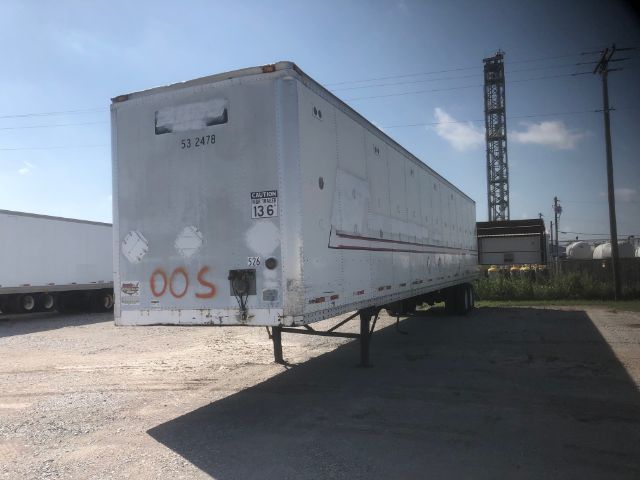
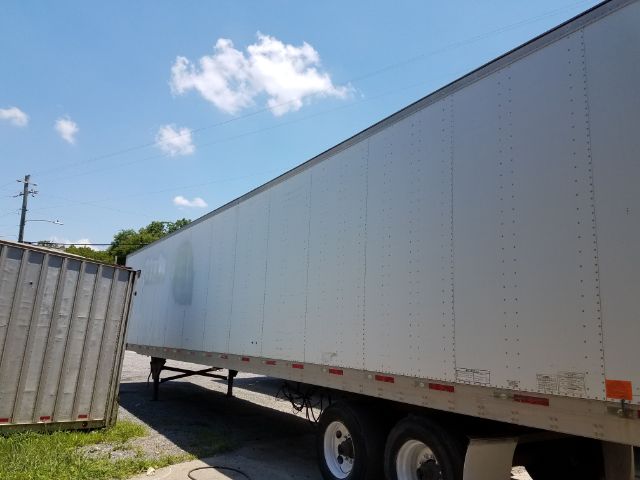

Selling a used cargo van trailer? List your used cargo van trailer for sale and reach thousands of commercial buyers.
Used Cargo Van Trailers
Floor and wall spec should match the freight. Hardwood floors and tighter crossmember spacing are common on heavier paper loads, while carpet-spec and logistics-post layouts fit furniture and pad-wrapped freight better. Composite wall systems save weight and resist corrosion, while plywood-lined interiors and scuff liners take abuse from forklifts and shifting pallets. E-track, logistics posts, and food-grade interiors can add value if your freight mix changes by season. Buyers moving dense product should also look closely at GVWR, floor rating, post spacing, and kingpin setting, since those details affect payload distribution, bridge compliance, and how well the trailer fits a particular tractor spec.
Suspension and running gear are major cost drivers on a used dry van. Air ride is preferred for higher-value or damage-sensitive freight, while spring ride can still make sense in local or lower-cost applications. Common specs include 11R22.5 tires, steel or aluminum wheels, auto slack adjusters, ABS, LED lighting, and sliding tandem axles for load positioning. A used cargo van trailer should be checked for tire wear patterns, bushing and suspension wear, brake drum or rotor condition, wheel seal leaks, and frame cracks around the slider rails and landing gear mounts. Door hardware, roof bows, nose structure, and front corner integrity are also worth close inspection because those repairs can get expensive fast.
Older used cargo van trailers can still be productive assets if the structure is sound and the spec fits the lane. A lower-cost 2000s-era van may work well for storage, regional shuttles, or dedicated contract freight, while newer late-model trailers usually bring better aerodynamics, lighter tare weight, cleaner interiors, and lower maintenance exposure. For fleet buyers, consistency across floor type, suspension, door style, and logistics equipment can simplify maintenance and dispatch. For owner-operators and small carriers, the best value is usually a trailer with documented brake and tire life, a clean title, no major structural damage, and an interior spec that matches the freight you actually haul.
Frequently Asked Questions about Used Cargo Van Trailers
What is a cargo van trailer used for?
A cargo van trailer, also known as a dry van trailer, is used to haul enclosed freight that must be protected from weather, road spray, and theft. Common loads include palletized consumer goods, paper products, dry food, packaging, furniture, retail freight, and many general commodities that do not require temperature control. It is the most versatile trailer type in standard truckload service because it fits loading docks well and handles a wide range of freight classes.
What should I inspect first on a used cargo van trailer?
Start with the structure and the running gear. Check the roof, front wall, rear frame, floor, crossmembers, and sidewalls for repairs, corrosion, cracks, and signs of forklift damage. Then inspect tires, brakes, suspension, slider rails, landing gear, wheel ends, lights, and door hardware. A straight frame, dry interior, solid floor, and smooth-operating doors usually matter more than paint or minor exterior dents on a working dry van.
What is the difference between sheet-and-post, plate, and composite dry van construction?
Sheet-and-post trailers use exterior skin over vertical posts and are common in fleets that value repairability and long-term structural durability. Plate trailers use larger side panels and can offer a smooth exterior with good weight characteristics. Composite construction reduces corrosion exposure and can save tare weight, which helps on payload-sensitive freight. The best choice depends on the freight, repair environment, and how long the trailer is expected to stay in service.
Are swing doors or roll-up doors better on a dry van trailer?
Swing doors are more common on over-the-road dry vans because they seal well, are lighter in many specs, and maximize rear opening height. Roll-up doors are useful in some city, multi-stop, or dock-constrained operations where door swing clearance is limited. The tradeoff is that roll-up systems add hardware overhead and can reduce usable opening dimensions. For most linehaul and dock freight, swing doors remain the standard choice.
What specs matter most when matching a used dry van trailer to my operation?
Length, width, floor rating, wall construction, suspension type, door style, axle configuration, and cargo control setup are the main decision points. A 53-foot by 102-inch tandem axle trailer with sliding tandems is the market standard, but the right floor type, crossmember spacing, kingpin setting, and interior logistics equipment depend on the freight. Paper haulers, furniture carriers, food shippers, and regional fleets often need very different trailer specs even when the trailers look similar from the outside.