
Trailers For Sale Near Burgettstown, Pennsylvania
Browse trailers for sale in Burgettstown, PA including flatbed, dry van, lowboy, and fuel trailer types with spec-driven options for many hauling needs.
Learn more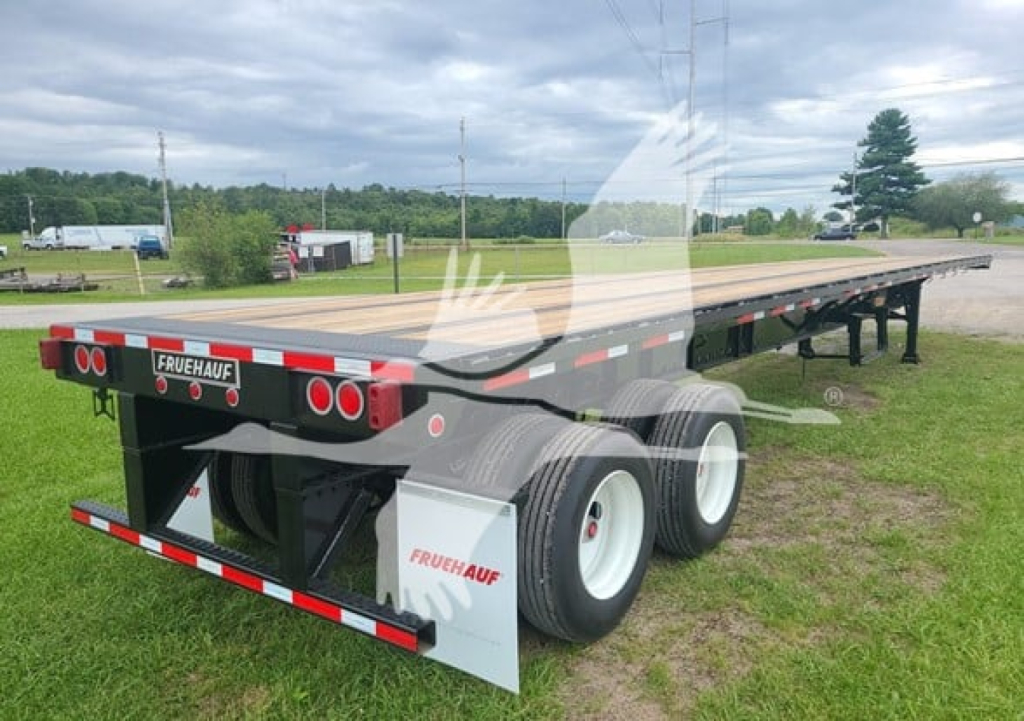
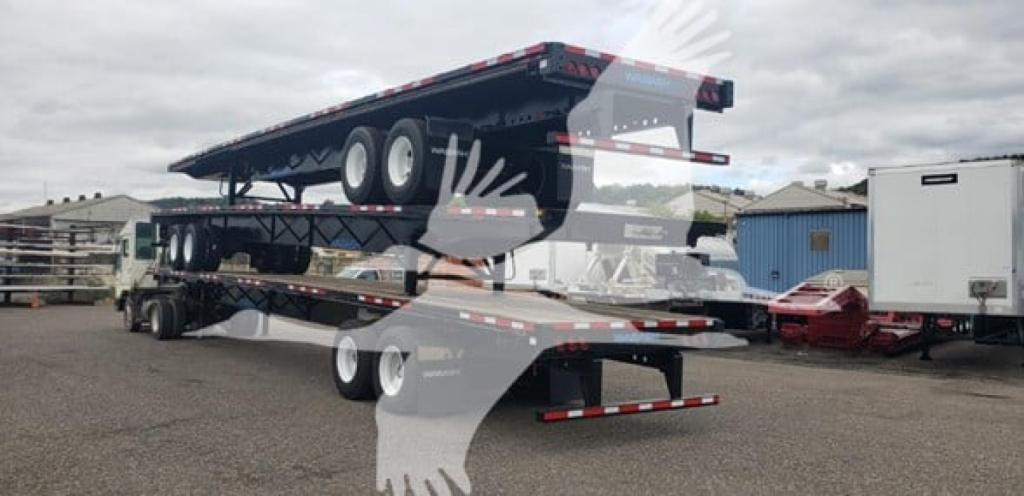
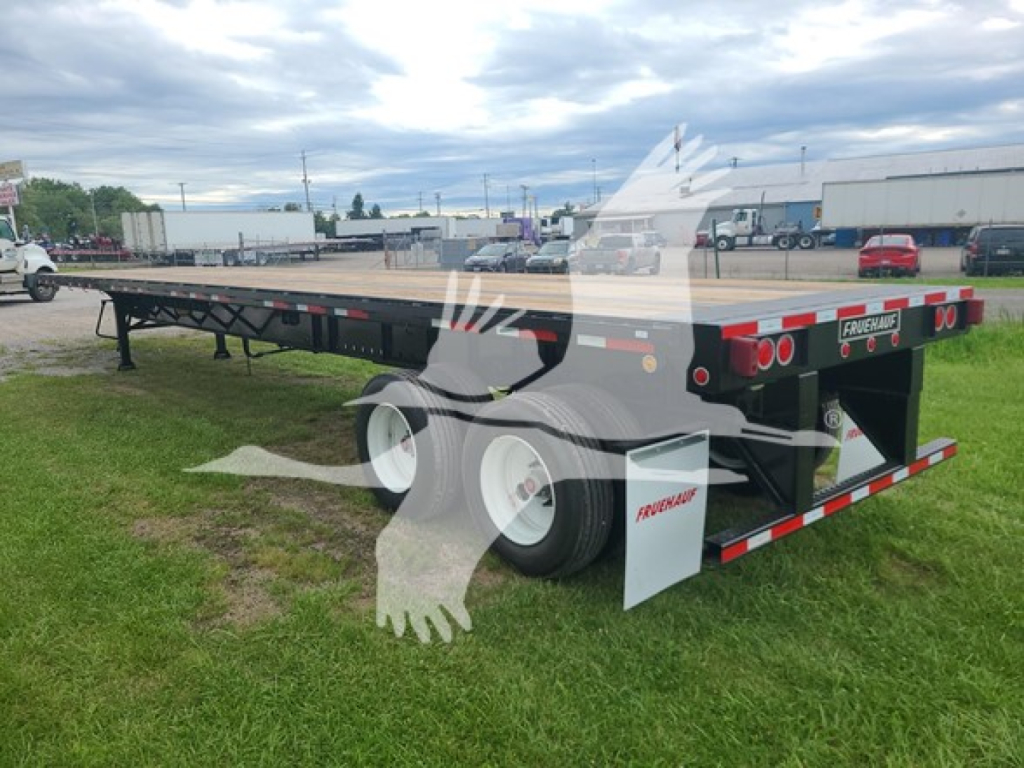
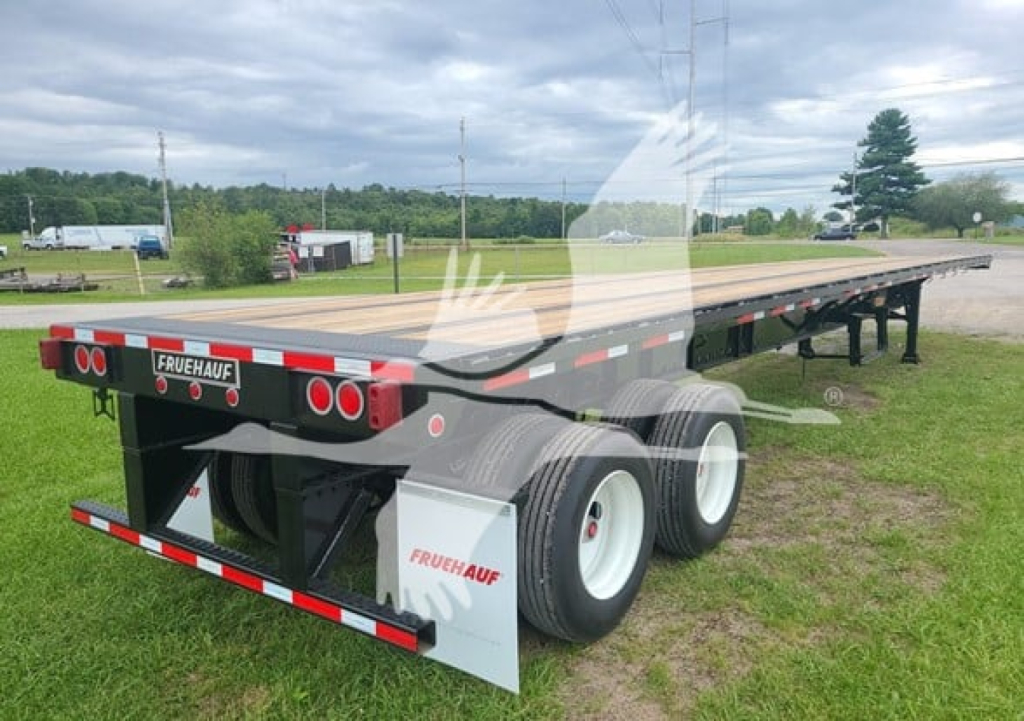
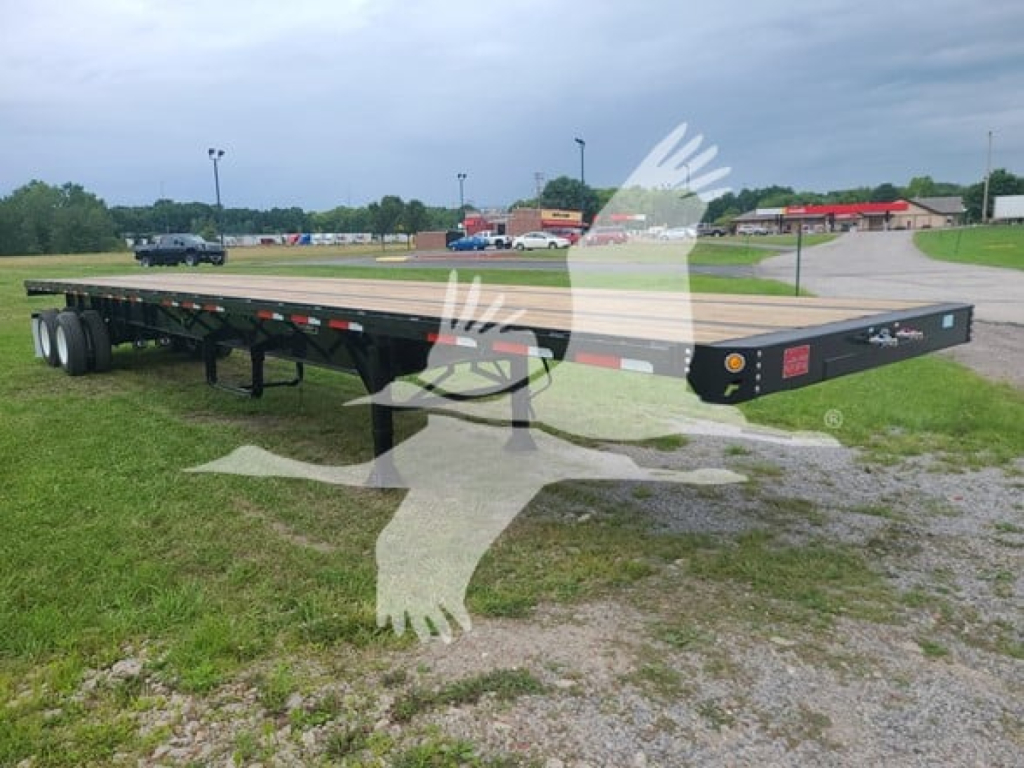
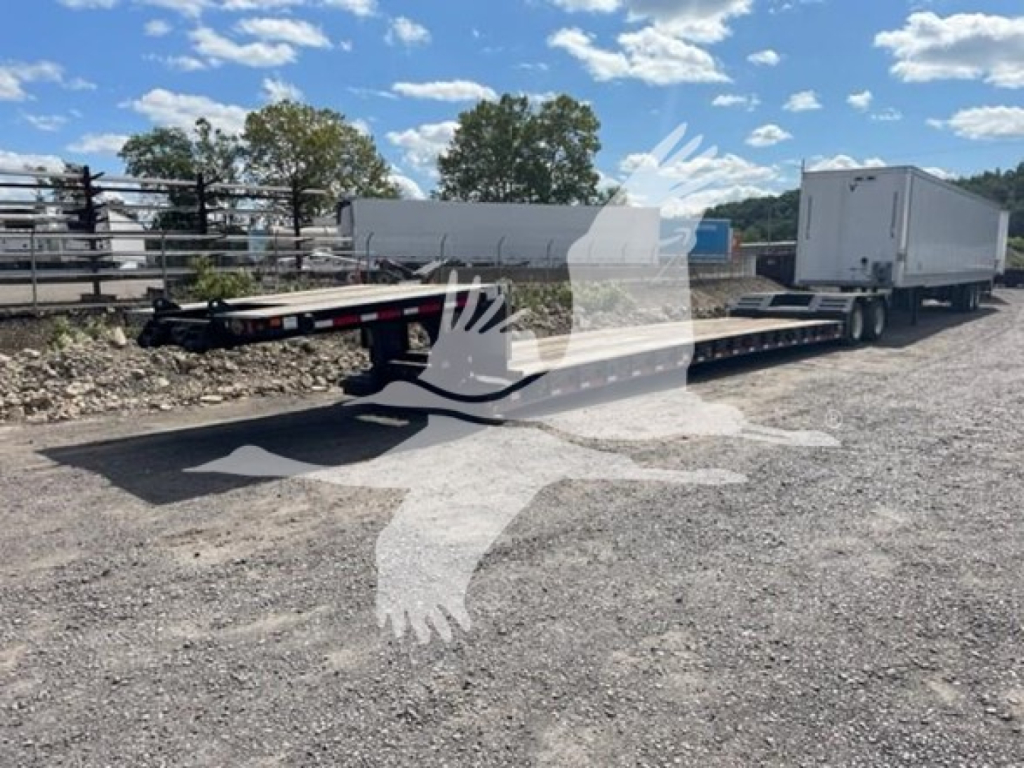
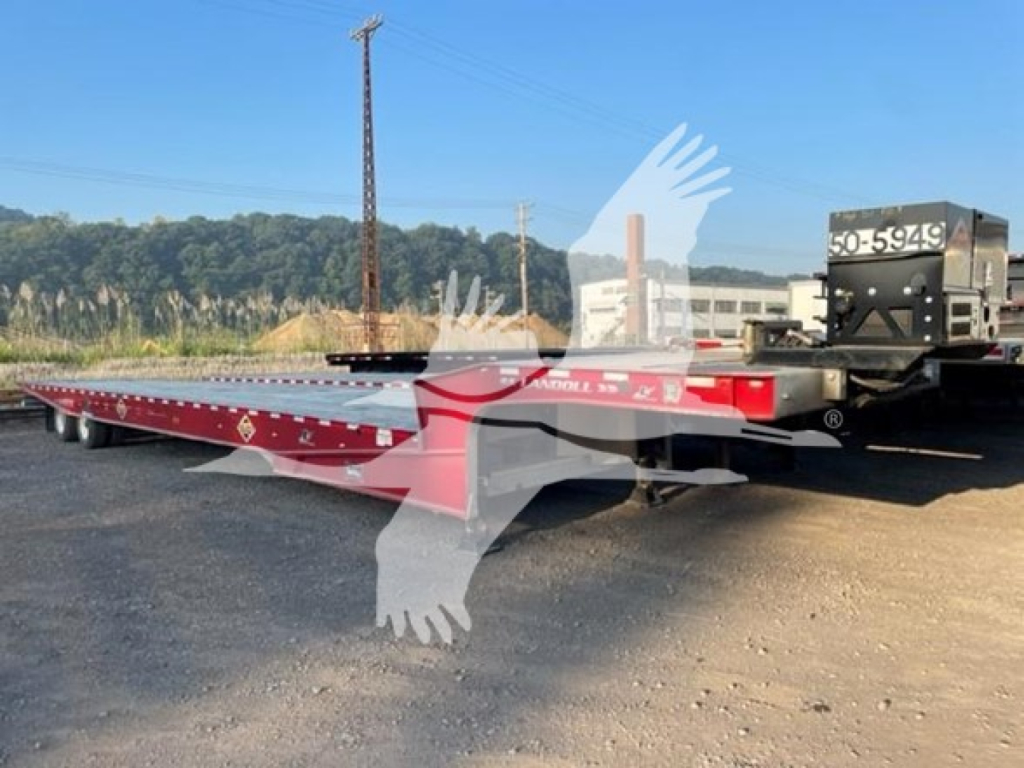
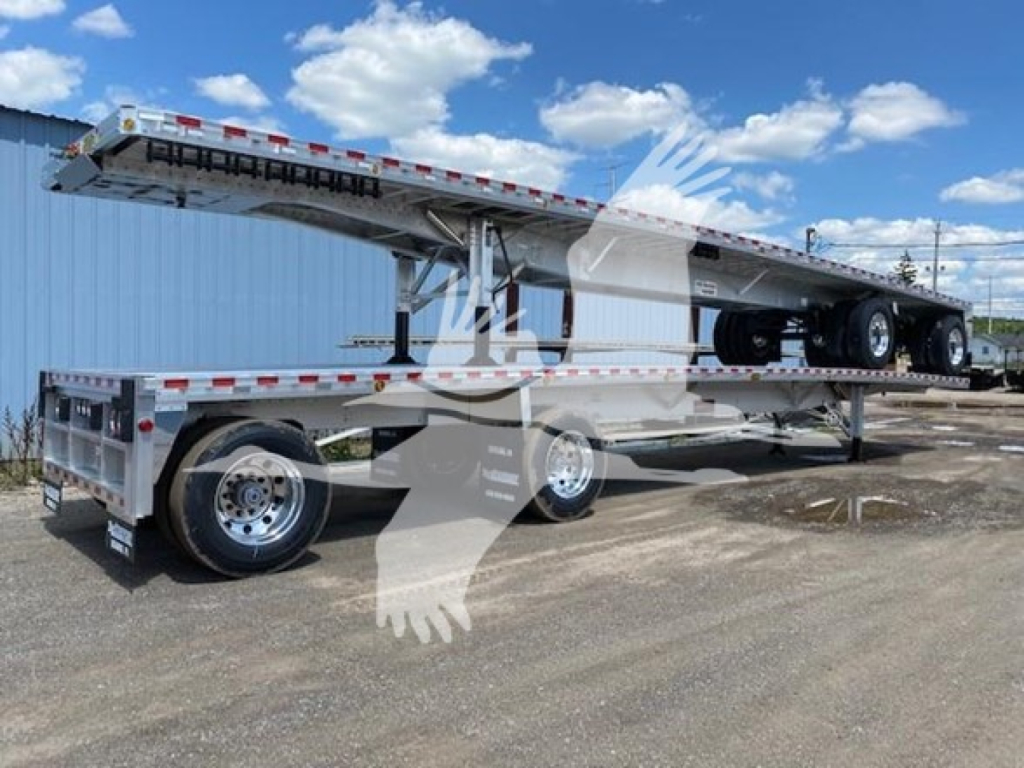
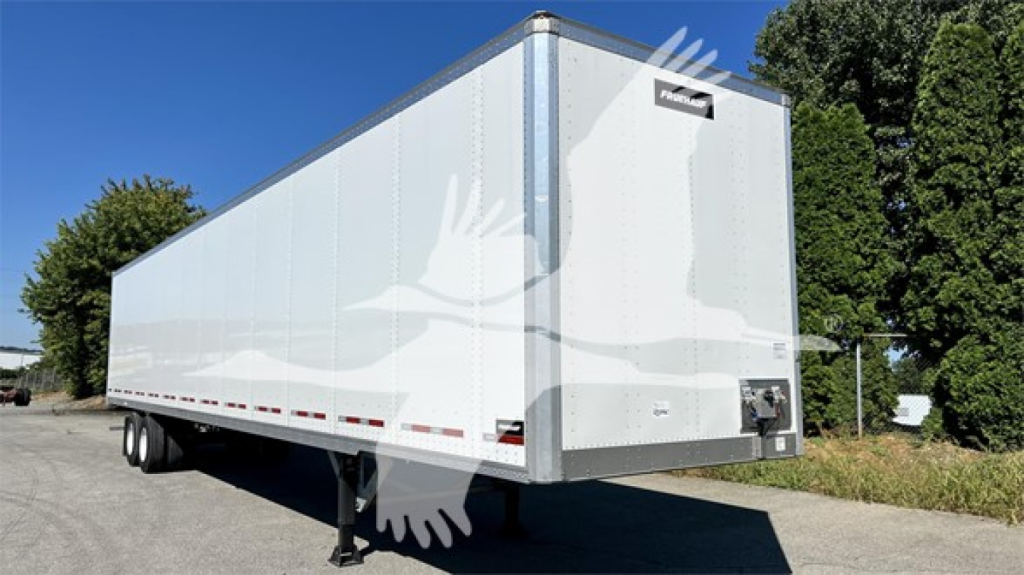
Showing 613 to 624 of 637 results
Have trailer to sell? List it here to reach thousands of buyers.
About Trailers Near Burgettstown, Pennsylvania
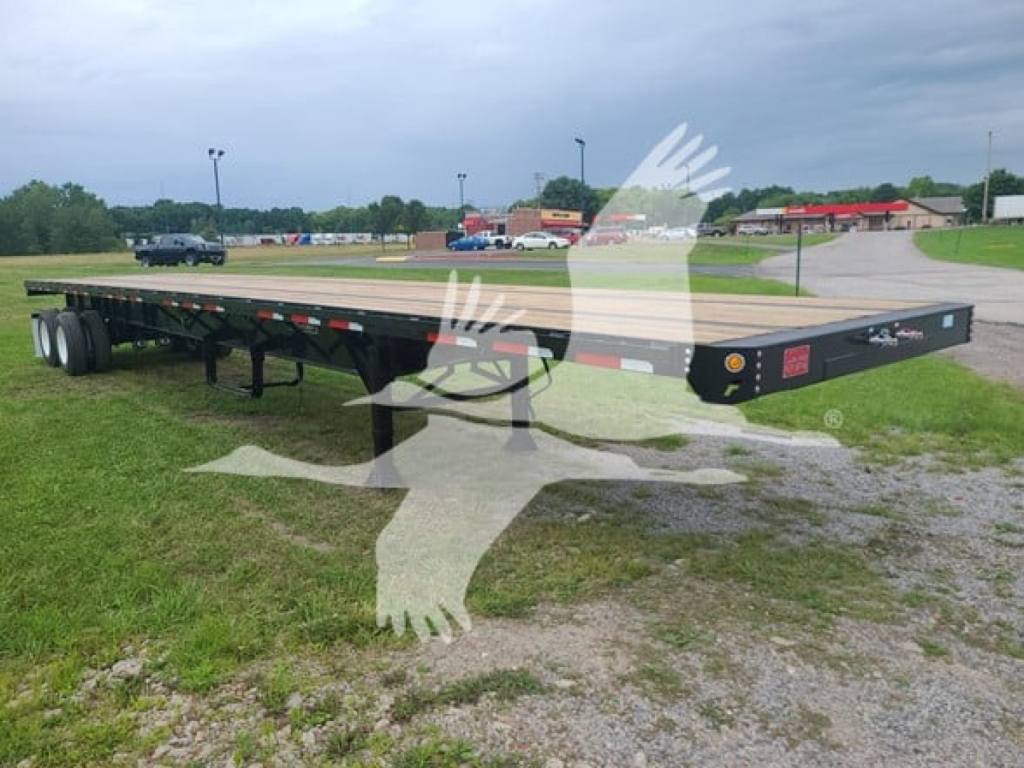
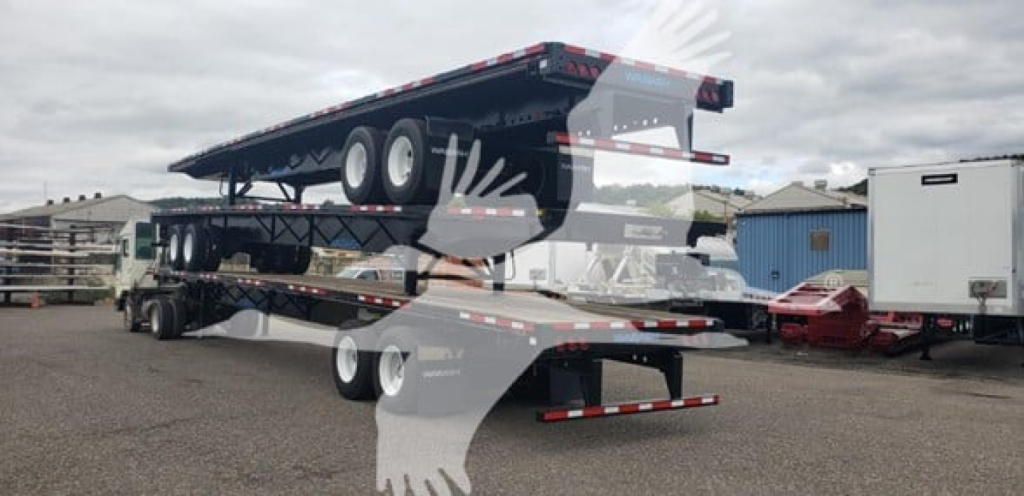
Flatbeds remain one of the most versatile trailer classes for steel, lumber, machinery, building products, and palletized freight that can be loaded from the side or overhead. Key details include aluminum versus steel construction, fixed or sliding tandem setup, air ride or spring ride suspension, floor type, kingpin setting, and the securement package. Features like sliding winches, winch tracks, stake pockets, pipe spools, coil packages, nail strips, and toolboxes matter because they directly affect how many freight types the trailer can handle. Extendable flatbeds add flexibility for overlength freight, but buyers should pay close attention to extension increments, loaded stability, and tare weight.
Dry vans are built for protected freight and are still the baseline trailer for general commodities, retail, packaged goods, and dock-to-dock distribution. On a van trailer, important spec points are swing or roll-up doors, air ride suspension, slider tandem position, roof construction, floor condition, logistic posts, scuff liners, and threshold plate wear. If the trailer will stay in regional service around Pennsylvania, buyers often prioritize dock durability, floor life, and brake and tire condition over appearance. For higher-cube or multi-stop work, interior condition and door sealing can matter as much as axle and suspension spec.
Specialized trailers deserve a closer look because the wrong spec can limit revenue quickly. Lowboy trailers, also called lowbed trailers, are used for construction equipment, paving machinery, and other tall or heavy loads where deck height and well length are critical. Buyers should verify ton rating, detachable neck type, loaded deck height, axle spacing, floor material, and tie-down layout. Fuel trailers, also known as MC-406 petroleum tank trailers, require attention to gallon capacity, compartment layout, vapor recovery, overfill protection, emergency valve controls, brake spec, and tank material. For any trailer category, condition still comes down to structural integrity, suspension wear, brake life, tire remaining percentage, and how the trailer's spec aligns with the freight it is expected to haul.
Frequently Asked Questions
What trailer type is best for general freight hauling?
For general freight, the best trailer usually comes down to whether the cargo needs weather protection or open-deck access. Dry van trailers are the standard choice for boxed, palletized, and retail freight because they protect cargo from weather and theft. Flatbed trailers are better for freight that is loaded by crane or forklift from the side, such as steel, lumber, or machinery. The right answer depends less on the trailer age and more on freight profile, loading method, and securement requirements.
What should I look for when comparing used flatbed trailers?
A used flatbed trailer should be evaluated by structure and spec before cosmetics. Check the frame, crossmembers, floor, side rails, suspension, brakes, tire condition, and landing gear operation. Then review the work-ready features such as sliding winches, winch track, coil package, pipe spools, stake pockets, and toolbox setup. Aluminum flatbeds usually offer lighter tare weight, while steel flatbeds may be preferred in harsher applications where impact resistance matters.
Why does tandem position matter on a trailer?
Tandem position affects bridge law compliance, axle loading, turning characteristics, and loading flexibility. Sliding tandems can help balance weight and meet state bridge requirements, especially in van and some flatbed applications. Fixed tandem setups are common where durability, weight savings, or a dedicated application is more important than adjustability. Buyers should match tandem configuration to the lanes, states, and load profiles the trailer will regularly run.
What are the key specs on a lowboy trailer?
The key lowboy specs are capacity rating, deck length, well length, loaded deck height, neck design, axle configuration, and tie-down equipment. A hydraulic detachable neck can speed loading for equipment fleets, while deck height is critical for hauling tall machines under legal height limits. Floor material, axle spacing, and suspension design also affect durability and load distribution. A lowboy that looks similar on paper can perform very differently depending on these dimensions.
What matters most on a petroleum fuel trailer?
On a petroleum tank trailer, buyers should focus on MC code, total gallon capacity, compartment sizes, tank material, piping, vapor recovery, overfill system, emergency valve controls, and brake package. Compartment layout determines how efficiently the trailer can handle multi-product deliveries. Safety systems such as overfill protection and vapor recovery are not optional details because they directly affect compliance and operating suitability. Suspension, wheel-end, and brake specifications also matter because these trailers often run at consistent high gross weights.