
Trailers For Sale Near Big Cabin, Oklahoma
Have trailer to sell? List it here to reach thousands of buyers.
Trailers Near Big Cabin, Oklahoma
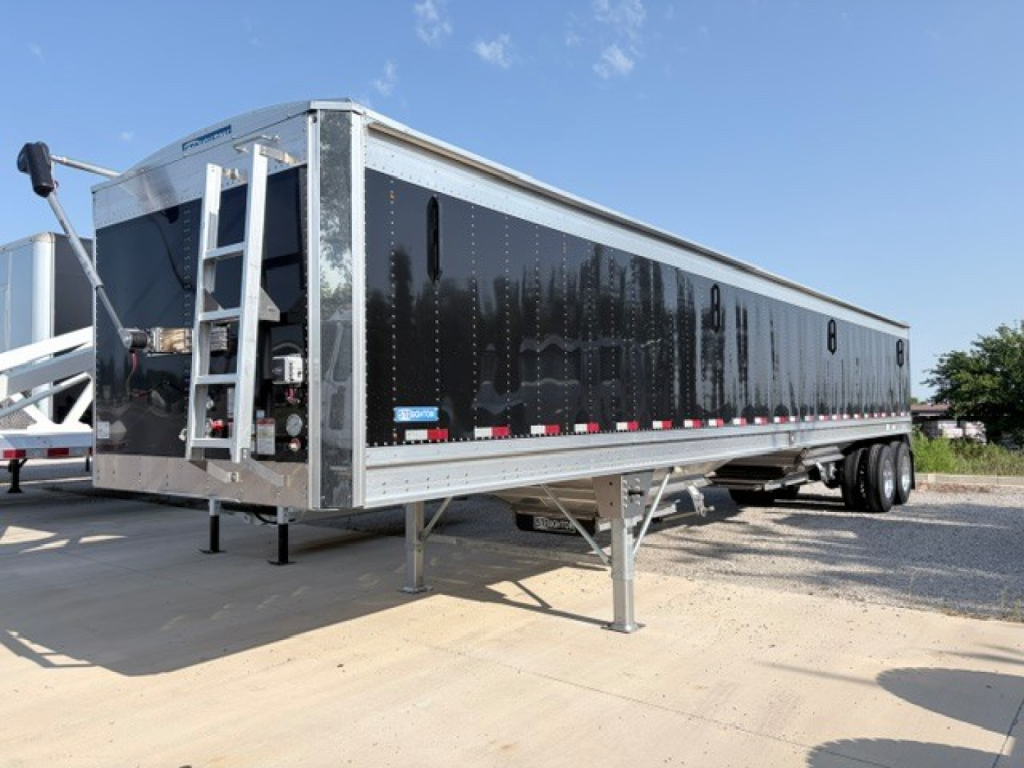
For bulk commodities, hopper trailers remain a common choice across Oklahoma grain and feed lanes. Key specs usually include trailer length, sidewall height, cubic capacity, subframe construction, kingpin setting, axle spread, suspension type, brake package, and trapdoor configuration. Aluminum hoppers help reduce tare weight and improve payload, while steel components in high-stress areas can add durability. Buyers should pay attention to fifth wheel height, ground clearance, tarp system design, ladder placement, and the condition of the hopper traps and seals. Details like manual or electric tarp operation, air ride suspension, ABS configuration, and wheel material can affect day-to-day ease of use, maintenance cost, and turnaround time at the elevator.
Across the broader trailer market, structural condition and application fit should drive the purchase decision. On flatbeds and step decks, deck length, concentrated load rating, crossmember spacing, and flooring condition are critical. On dump and end dump trailers, watch tub material, hoist geometry, liner condition, and tailgate design. Dry vans and reefers should be evaluated for floor wear, roof integrity, door frame condition, logistics post layout, scuff liners, and on refrigerated units, hours and service history of the reefer unit. Suspension choice, brake type, tire size, wheel-end condition, lighting, and frame corrosion matter on nearly every trailer class because they directly affect uptime and compliance.
Buyers in Oklahoma also need to think about operating environment. Rural routes, elevator approaches, oilfield traffic, and mixed pavement conditions can change what works best in a trailer spec. A lighter trailer may improve legal payload, but a heavier-duty frame or running gear can make sense if the trailer sees rough yards, uneven loading surfaces, or frequent short-haul cycles. Common decision points include tandem versus spread axle layouts, air ride versus spring ride, steel versus aluminum construction, and how the trailer is configured for loading speed, commodity protection, and service access. A good trailer is not just sized correctly for the load. It is spec'd to hold up under the exact work it will do.
Frequently Asked Questions about Trailers Near Big Cabin, Oklahoma
What types of trailers are most commonly used in Oklahoma freight and farm applications?
Oklahoma buyers commonly look at hopper trailers for grain and feed, flatbeds and step decks for equipment and building materials, dump trailers for aggregate and dirt, and dry vans or reefers for general freight and temperature-sensitive cargo. The right type depends on the commodity, how it loads and unloads, average haul distance, and the road conditions the trailer will see. In agricultural areas, capacity, tare weight, and unloading speed often carry more importance than cosmetic features.
What trailer specs matter most when comparing listings?
The most important specs are the ones tied directly to payload and operating cost. Buyers should focus on length, width, sidewall height or deck height, cubic capacity where applicable, axle configuration, suspension, brake type, kingpin setting, tare weight, and tire and wheel setup. Construction material also matters because aluminum can improve payload while steel can offer durability in high-stress applications. On specialty trailers, details like trapdoor size, tarp system, scuff liners, tire inflation systems, or lift axles can be just as important as the base dimensions.
Is aluminum or steel better for a trailer?
Neither material is automatically better. Aluminum trailers usually offer lower empty weight and better corrosion resistance, which can improve legal payload and long-term appearance. Steel trailers typically bring lower upfront cost and can be a strong choice for severe service or impact-prone applications, depending on design. The better option depends on haul type, maintenance practices, expected service life, and whether payload or ruggedness is the higher priority.
How do I choose between tandem axles and spread axles on a trailer?
Tandem axles are common because they are simple, maneuverable, and widely accepted across many trailer applications. Spread axles can help with weight distribution and may improve bridge law flexibility, but they can add tire scrub in tight turns and may not suit every route or yard. The best choice depends on state regulations, commodity weight, loading pattern, and how often the trailer operates in tight spaces versus open highway conditions.
What should I inspect first on a used trailer?
Start with the frame, crossmembers, suspension, brakes, tires, wheel ends, and signs of cracking or corrosion in stress areas. Then inspect the floor, walls, doors, liner surfaces, electrical system, lighting, and all moving components such as tarp arms, trapdoors, landing gear, or hoists. On refrigerated trailers, reefer hours and maintenance records are essential. Cosmetic wear matters far less than structural integrity, legal compliance, and the condition of components that affect uptime.