
Used 2023 Benson Trailers For Sale in Pennsylvania
Shop used 2023 Benson trailers in Pennsylvania, including flatbed and Conestoga models with aluminum construction and air ride suspensions.
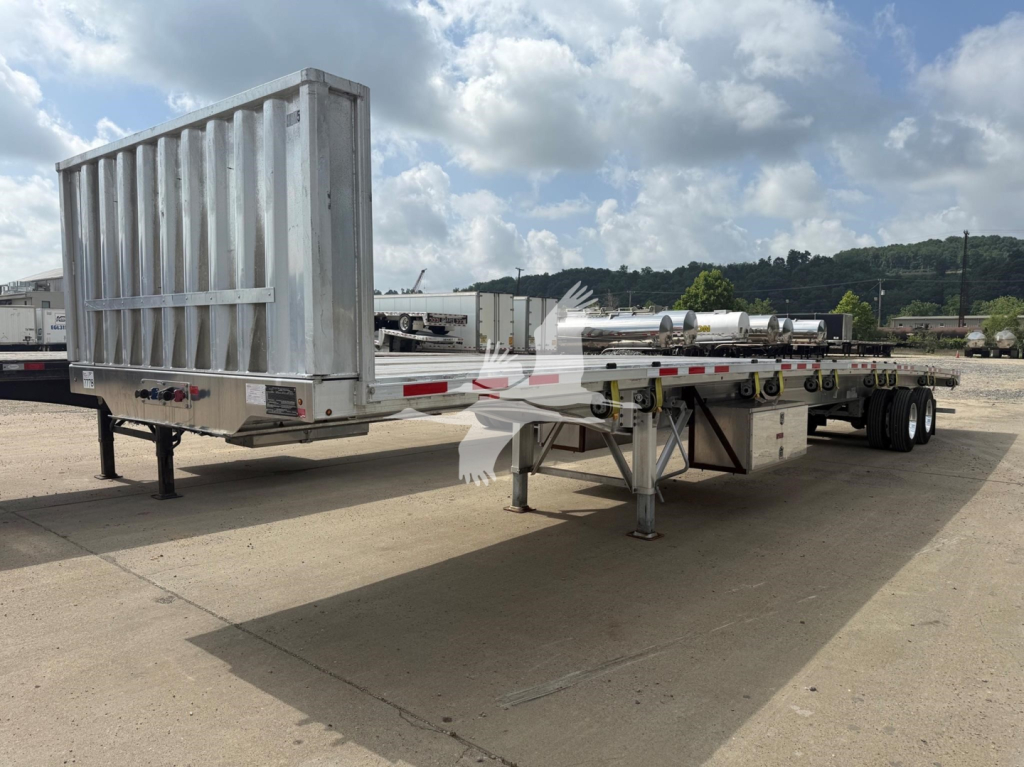
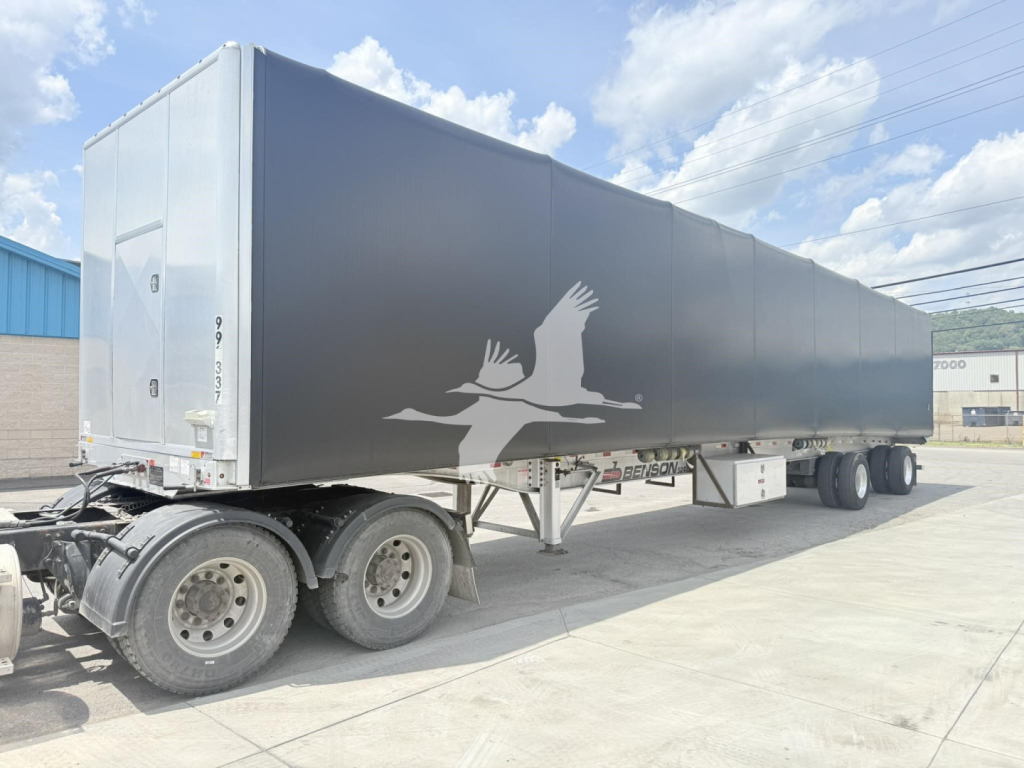
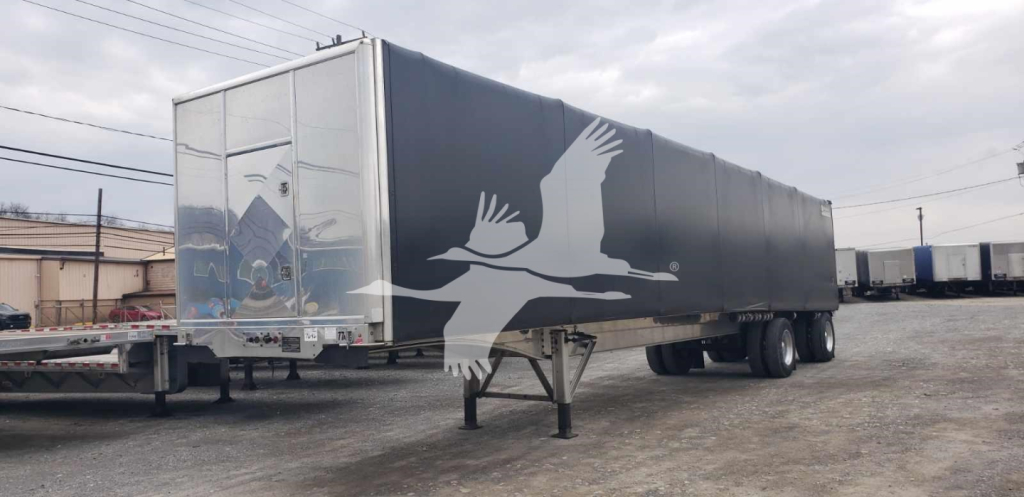
Have used 2023 benson trailer to sell? List it here to reach thousands of buyers.
Used 2023 Benson Trailers in Pennsylvania
On 2023 Benson trailers, common specs include 48-foot or 53-foot lengths, 102-inch width, tandem axles, air ride suspension, and aluminum floors with nailing strips. Many are equipped with roadside winch tracks, sliding winches, pipe spools, bulkheads, coil packages, two-speed landing gear, and 16-inch crossmember spacing. Kingpin setting, suspension spread, and axle placement matter if you run in states with strict bridge-law or weight-distribution considerations, and Pennsylvania buyers often pay close attention to axle condition, brake life, inspection status, and tire match. A 53-foot aluminum flatbed can be attractive for maximizing deck space, while a 48-foot trailer may fit certain freight mixes or lane requirements better.
The Benson name carries weight in applications where tare weight and corrosion resistance directly affect profitability. Aluminum side rails, front and rear members, and aluminum floors help keep empty weight down, which can increase legal payload on dense freight. That said, buyers should still look closely at wear points on used 2023 units. Check floor condition around forklift traffic areas, inspect winch track and side rail integrity, review crossmember condition, and confirm any coil package or bulkhead setup matches your freight. On Conestoga-equipped trailers, inspect tarp fabric, bows, rollers, rear closure style, and track alignment, since those components drive day-to-day usability and repair cost.
A good 2023 Benson trailer is usually defined less by model name than by how well the trailer was spec'd and maintained for the work. Tire size, low-profile versus standard rubber, wheel mix, suspension brand, brake percentage, toolbox layout, and landing gear material all affect operating cost and driver convenience. Buyers in Pennsylvania should also consider corrosion exposure from winter road treatment, especially around suspension hardware, fasteners, lighting, and rear frame sections. If the trailer will haul coil, packaged steel, lumber, or jobsite freight, focus on securement layout, deck condition, and tare weight first. If the freight needs weather protection, a Benson Conestoga can offer a strong middle ground between a flatbed and a dry van.
Frequently Asked Questions about Used 2023 Benson Trailers in Pennsylvania
What are the most common 2023 Benson trailer configurations on the used market?
The most common used 2023 Benson trailers are aluminum flatbeds and flatbeds fitted with a Conestoga tarp system. Typical specs include 48-foot or 53-foot deck lengths, 102-inch overall width, tandem axles, air ride suspension, aluminum floors, winch tracks, sliding winches, and coil packages. Many buyers choose between a plain open deck for maximum simplicity and lower tare weight or a Conestoga configuration for freight that needs weather protection.
Is a Benson Conestoga trailer considered a flatbed or a curtainside?
A Benson Conestoga is fundamentally a flatbed trailer with a rolling tarp enclosure system, not a true curtainside van trailer. It keeps the open-deck loading advantages of a flatbed because the tarp system can be moved to allow side and overhead loading. That makes it useful for shippers who want flatbed access but need better protection from weather, road spray, or theft exposure.
What should I inspect first on a used 2023 Benson trailer?
Start with the structural and wear components that affect safety and operating cost. Check the aluminum floor for forklift damage, inspect crossmembers and side rails for cracks or repairs, and review suspension, brake, and tire condition. On Conestoga-equipped trailers, inspect tarp material, bow structure, roller travel, rear curtain or door function, and overall track alignment. Also confirm the kingpin setting, landing gear condition, lighting, and securement equipment such as winches, spool locations, and any coil package components.
Why do buyers choose aluminum Benson flatbeds?
Buyers choose aluminum Benson flatbeds because lower trailer weight can translate into higher legal payload and improved corrosion resistance compared with heavier steel-intensive designs. That is especially important in commodities like steel products, building materials, and machinery where payload matters. Aluminum construction can also help long-term appearance and reduce rust concerns, although buyers still need to inspect for fatigue, impact damage, and improper repairs.
Are 53-foot Benson trailers better than 48-foot models?
Neither size is automatically better because the right choice depends on freight profile, route requirements, and customer expectations. A 53-foot Benson trailer gives more deck space and can be a better fit for longer building materials or higher-volume freight. A 48-foot model may suit certain dedicated lanes, specialized freight patterns, or operations that do not need the extra length. The better comparison is deck length plus tare weight, axle placement, securement layout, and how the trailer fits your load plan.