
Used Belt Trailers For Sale
Used belt trailers for bulk hauling. Compare live bottom specs, belt width, cubic yard capacity, axle setup, liner condition, and tarp systems.
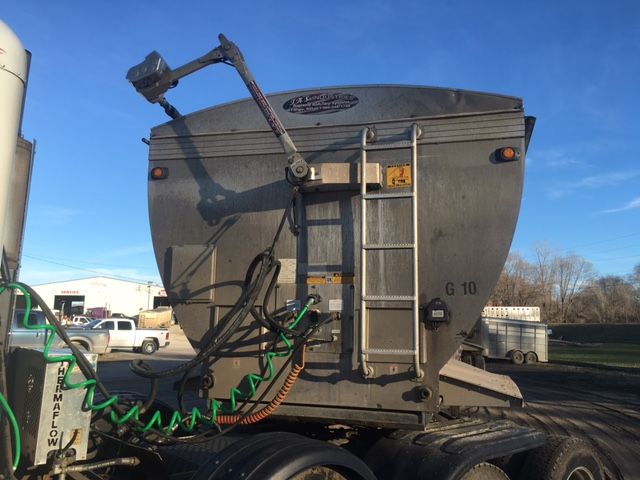
Have used belt trailer to sell? List it here to reach thousands of buyers.
Used Belt Trailers
The core spec decisions usually start with trailer length, side height, belt width, and cubic yard capacity. Many belt trailers in this class run tandem axle configurations with air-ride suspension, 48-inch belts, and capacities around the mid-60 cubic yard range, though exact payload depends on material density and trailer weight. Aluminum construction helps keep tare weight down, while steel wear areas or full liners can improve durability in abrasive applications. On a used unit, pay close attention to the belt segments, rubber thickness, tracking, cross tube condition, drive chains, sprockets, bearings, and tensioning components. Uneven belt wear, cupping, frayed edges, or signs of mistracking can point to future repair costs.
Discharge equipment and running gear deserve the same scrutiny. Electric tarp systems, air gauges, LED lighting, hub and drum condition, brake life, tire condition, and wheel type all affect operating cost after purchase. Suspension brand and axle rating matter if the trailer will see rough jobsite access or repeated heavy cycles. Kingpin setting, overall height, and overall length should also be checked against the tractor and route profile to avoid clearance or weight distribution issues. If the trailer has a liner, inspect for buckling, tearing, and fastening integrity, especially if it has spent time hauling hot mix asphalt or sharp aggregate.
A belt trailer is often chosen over an end dump when the job calls for a steady material feed and safer unloading in tighter spaces. Paving crews value the ability to meter material directly into a hopper, and site work fleets like the reduced tip-over risk compared with raised-body unloading. For a used purchase, service history matters. Look for evidence of regular belt adjustments, chain maintenance, suspension work, brake service, and tarp repairs. A clean frame, sound floor system, and predictable belt operation usually tell you more than paint or cosmetic appearance. The best used belt trailer is the one matched to the material, the route, and the unload environment it will actually see.
Frequently Asked Questions about Used Belt Trailers
What is a belt trailer used for?
A belt trailer is used to haul and unload bulk materials through a moving floor belt rather than a raised dump body. Common applications include asphalt, sand, gravel, millings, mulch, compost, fertilizer, and other materials that benefit from controlled discharge. Because the trailer stays level during unloading, belt trailers are often preferred at paving jobs, under low clearances, and on uneven ground where an end dump may be less practical or less stable.
What should I inspect first on a used belt trailer?
Start with the belt system because it is one of the highest-cost wear areas. Inspect the belt for cuts, edge fraying, thin spots, splice condition, and signs of poor tracking. Then check cross members or cross tubes, chain drive components, bearings, sprockets, tensioners, liner condition, and the discharge area. After that, review suspension, axles, brakes, hubs, drums, tires, tarp system, and electrical components. A trailer with a sound belt floor and consistent maintenance history is usually a better buy than one that only looks clean cosmetically.
Are belt trailers better than end dumps for some jobs?
Yes. Belt trailers are often a better choice when load stability and controlled unloading matter more than simple dump speed. They can unload while remaining level, which reduces tip-over risk and allows operation in places with overhead wires, plant structures, bridges, or uneven surfaces. They are especially common in asphalt work because they can feed material steadily. End dumps may still offer advantages in some bulk applications, but belt trailers are often more versatile in restricted or safety-sensitive environments.
What specs matter most when comparing used live bottom trailers?
The key specs are overall length, side height, cubic yard capacity, belt width, trailer weight, axle configuration, axle ratings, suspension type, and kingpin setting. Buyers should also compare construction material, liner setup, wheel and tire spec, brake condition, tarp system, and overall height. These factors affect payload, durability, tractor compatibility, unload performance, and cost of ownership. Material type is important too, because abrasive aggregate, hot asphalt, and lighter organic loads do not wear a trailer in the same way.
How long does a belt trailer belt last?
Belt life depends on the material hauled, loading method, maintenance routine, and how well the belt tracks. Abrasive products, sharp-edged aggregate, and neglected tension adjustments shorten service life. A belt that is cleaned regularly, kept aligned, and supported by well-maintained rollers, chains, and drive components will generally last longer. On a used trailer, actual belt condition matters more than age alone, so a hands-on inspection is more useful than relying only on model year or hours in service.