
Peerless Belt Trailers For Sale
Shop Peerless belt trailers for bulk commodity hauling. Compare specs, belt widths, capacities, axle setups, and liner options.
Learn more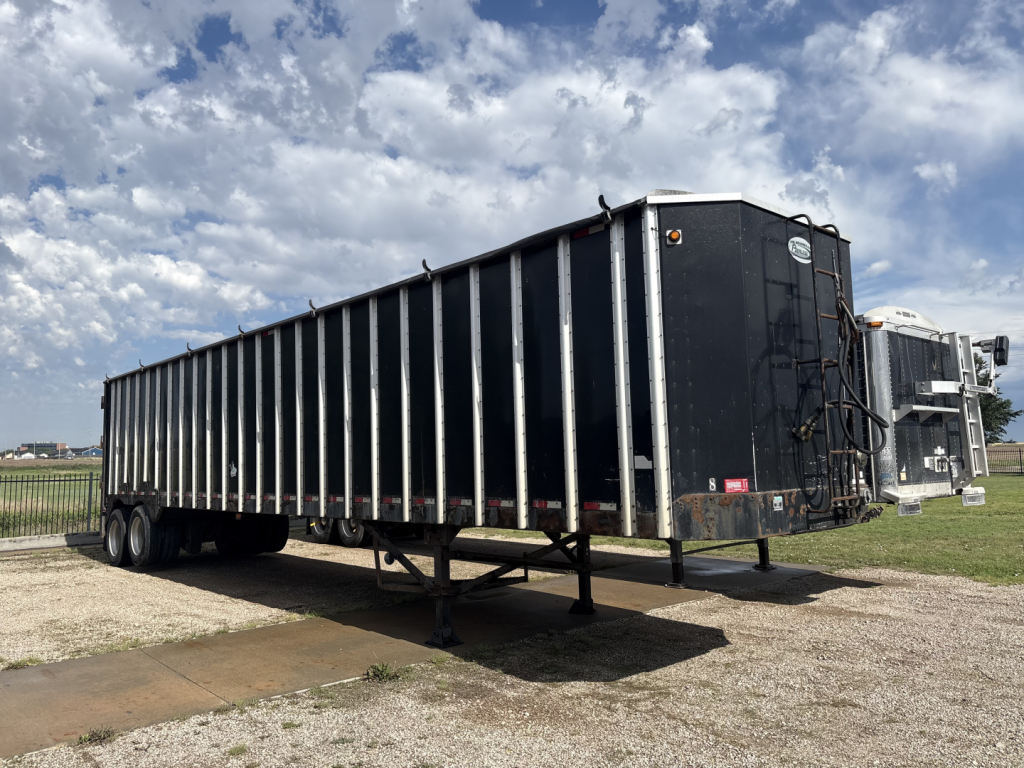
Have peerless belt trailer to sell? List it here to reach thousands of buyers.
About Peerless Belt Trailers
The first decisions usually come down to trailer length, cubic capacity, axle configuration, and belt system condition. Common specs include aluminum construction to keep tare weight down, tandem or tri-axle layouts, air ride suspension, and electric or hydraulic tarp systems. Buyers should pay close attention to belt width, belt tracking, splice condition, rear door design, discharge rate, and the condition of the drive components. On used Peerless belt trailers, it also makes sense to inspect the floor, crossmember integrity, sidewall wear, liner condition, hopper shape, and the overall condition of the tail section where material discharge and wear are concentrated.
Peerless trailers are commonly considered by fleets that need a bulk hauler with more placement control than a dump and less product damage than a walking floor in certain commodities. For agricultural and feed applications, residue cleanout and moisture resistance matter. For construction or landscape material, buyers often focus on belt durability, rear seal quality, and how well the trailer handles abrasive loads. Tire size, brake type, wheel-end service history, and tarp operation all affect daily uptime, especially on regional routes with frequent load cycles.
A good belt trailer choice depends on commodity type, unloading environment, and how often the trailer will cycle in a day. Heavier products call for close attention to payload target versus trailer weight, while sticky or corrosive materials may justify specific liners or corrosion-resistant components. If the trailer will work across multiple products, buyers should also consider cleanout time, contamination control, and belt replacement cost. Peerless belt trailers appeal to operators who want predictable unloading, safer operation in tight spaces, and versatility across agricultural, municipal, and light construction hauling.
Frequently Asked Questions
What is a Peerless belt trailer used for?
A Peerless belt trailer is used to haul and unload bulk commodities through a moving conveyor-style belt rather than by lifting the trailer body. Common applications include feed, grain, fertilizer, seed, salt, mulch, and some aggregate products. This design gives the operator more control over discharge speed and placement, which is useful at low-clearance sites, uneven ground, and facilities that do not allow traditional dump trailers.
What should I inspect on a used Peerless belt trailer?
The belt system should be the priority. Check belt tracking, belt wear, splice condition, drive components, bearings, tensioning system, and rear discharge area. Then inspect the trailer structure, including the floor, crossmembers, sidewalls, suspension, wheel ends, brakes, and frame for corrosion, cracking, or repairs. Tarp operation, air system condition, door seals, and liner wear also affect how well the trailer performs in daily service.
How does a belt trailer compare to a dump trailer?
A belt trailer unloads without raising the body, so it generally offers better stability and lower rollover risk during discharge. It can also place material more precisely and operate in areas with overhead wires, roofs, or low-clearance structures. A dump trailer may be simpler for certain heavy materials, but a belt trailer is often the better choice when safety, controlled unloading, and site restrictions are major concerns.
What commodities work best in a belt trailer?
Belt trailers are best suited for free-flowing bulk materials that benefit from controlled unloading and reduced product damage. Agricultural products such as grain, feed, seed, and fertilizer are common, along with salt, compost, mulch, and select aggregate or sand products. The exact fit depends on material weight, moisture content, abrasiveness, and whether the trailer has the right belt, liner, and sealing setup for the job.