
Trailers For Sale Near Beaver Dam, Kentucky
Have trailer to sell? List it here to reach thousands of buyers.
Trailers Near Beaver Dam, Kentucky
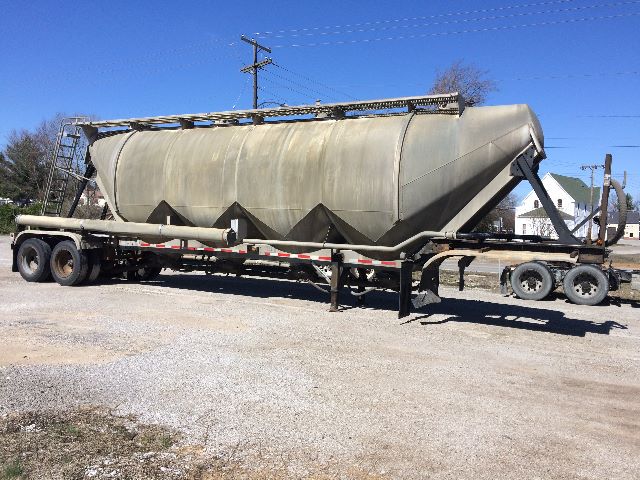
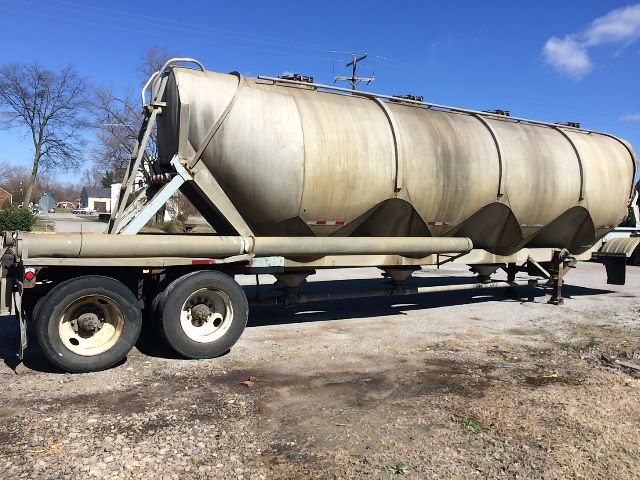
For bulk commodity work, pneumatic dry bulk trailers are a common specialty choice and are also known as dry bulk tank trailers or bulk pneumatics. These trailers are built to move products like cement, lime, fly ash, sand, plastic resin, flour, and soda ash using air pressure for unloading. Key specs include cubic foot capacity, vessel material, number of hoppers, plumbing layout, blower compatibility, valve size, and discharge line condition. Aluminum construction helps keep tare weight down, while air ride suspension is popular for protecting the trailer and cargo over rough roads. Buyers should pay close attention to pressure gauges, butterfly valves, aeration system condition, tank integrity, axle and brake service history, and any frame or suspension cradle repairs, especially on older units that may still be strong earners if maintenance has been documented.
Across the trailer market, condition should be evaluated by structure first and wear items second. Crossmembers, subframe sections, kingpin area, landing gear mounts, suspension hangers, and rear impact guard deserve a close inspection before focusing on tires and lights. On specialty trailers, plumbing, gate seals, lining condition, air leaks, and discharge components can be just as important as brakes and drums. Tire size, wheel type, axle spread, and brake setup affect both legal payload and operating cost. A trailer with recent work on axles, bags, drums, slack adjusters, wiring, and air lines can offer better real-world value than a newer trailer with deferred maintenance.
The best trailer purchase is the one that matches freight, route, shop capability, and customer requirements. A fleet hauling dense product needs different cubic capacity than a fleet moving lighter commodities. A buyer running short regional turns may prioritize simplicity and service access, while long-haul operations may focus more on tare weight, corrosion resistance, and standardized parts. Maintenance records, prior commodity history, and evidence of professional repairs can tell you more about future uptime than appearance alone. When comparing trailers for sale, look past paint and focus on specification fit, structural condition, and how efficiently the trailer will work in your operation.
Frequently Asked Questions about Trailers Near Beaver Dam, Kentucky
What should I check first when buying a used trailer?
Start with the structural components. Inspect the frame, kingpin area, suspension hangers, crossmembers, landing gear mounts, and rear structure before looking at cosmetic condition. After that, evaluate brakes, drums, tires, wheels, air system condition, wiring, and any trailer-specific components such as gates, plumbing, liners, or discharge equipment. A used trailer with documented structural repairs and consistent maintenance is often a better buy than one that only looks clean.
What is the most important specification on a dry bulk pneumatic trailer?
Cubic foot capacity is one of the first numbers buyers compare, but it is only part of the equation. The right capacity depends on product density, legal weight limits, and how the trailer unloads. Buyers should also review vessel material, hopper design, valve size, discharge plumbing, pressure gauge function, and overall tare weight. A trailer that matches the commodity and unloading system will usually perform better than one chosen on capacity alone.
Is aluminum better than steel on a trailer?
Aluminum is often preferred when tare weight and corrosion resistance matter, which is why it is common on many tank, bulk, and platform applications. Steel can still be the right choice where durability, repair familiarity, or lower acquisition cost is more important. The better material depends on the application, the commodity, the environment, and how the trailer is maintained. What matters most is the condition of the structure and whether the material fits the work.
How important are maintenance records on an older trailer?
Maintenance records are extremely important, especially on older trailers. Documentation on axle work, brakes, suspension parts, air bags, wiring, plumbing, frame repairs, and tank or body service helps a buyer verify how the trailer was cared for. Records also make it easier to estimate future repair costs and reduce surprises after purchase. On specialty trailers, service history can be as valuable as the specification sheet.
How do I choose the right trailer for my operation in Kentucky?
Match the trailer to the freight lanes, commodity type, loading method, and the support available from your shop or local repair vendors. Regional operators in Kentucky may prioritize easy service access, durable suspension setups, and trailer types that fit agricultural, construction, aggregate, or bulk commodity demand. If the trailer handles a specialized product, confirm that capacity, valves, plumbing, and unloading requirements align with your customer base. The right trailer is the one that can stay productive without constant adaptation.