
New 2027 Armor Lite Trailers For Sale in Texas
Shop new 2027 Armor Lite dump trailers in Texas, including lightweight skeleton and hard-ox half-round specs for aggregate and asphalt work.
Learn more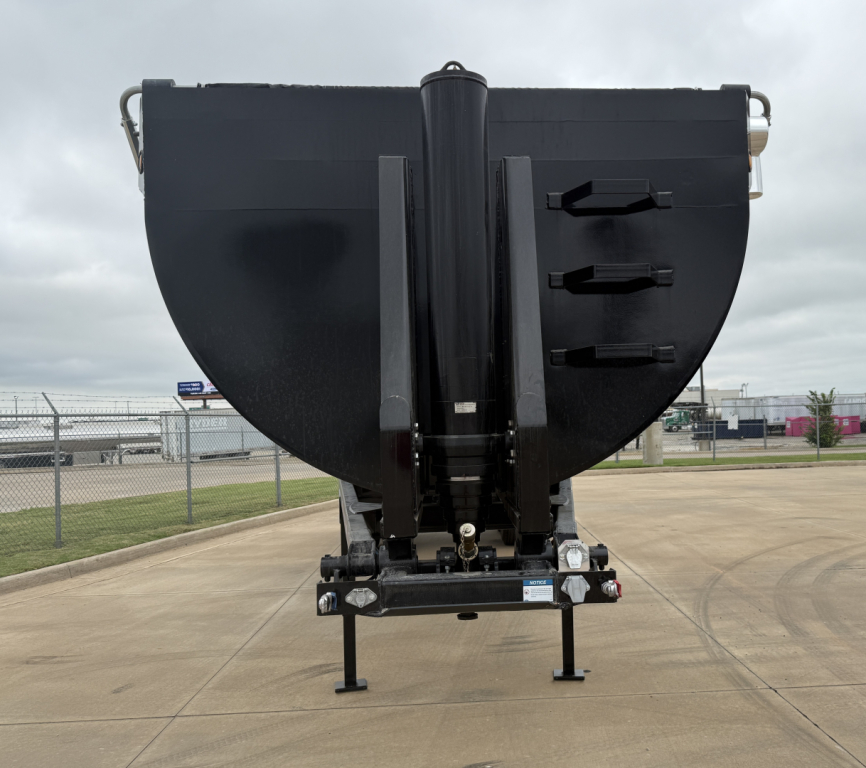
Showing 25 to 27 of 27 results
Have new 2027 armor lite trailer to sell? List it here to reach thousands of buyers.
About New 2027 Armor Lite Trailers in Texas
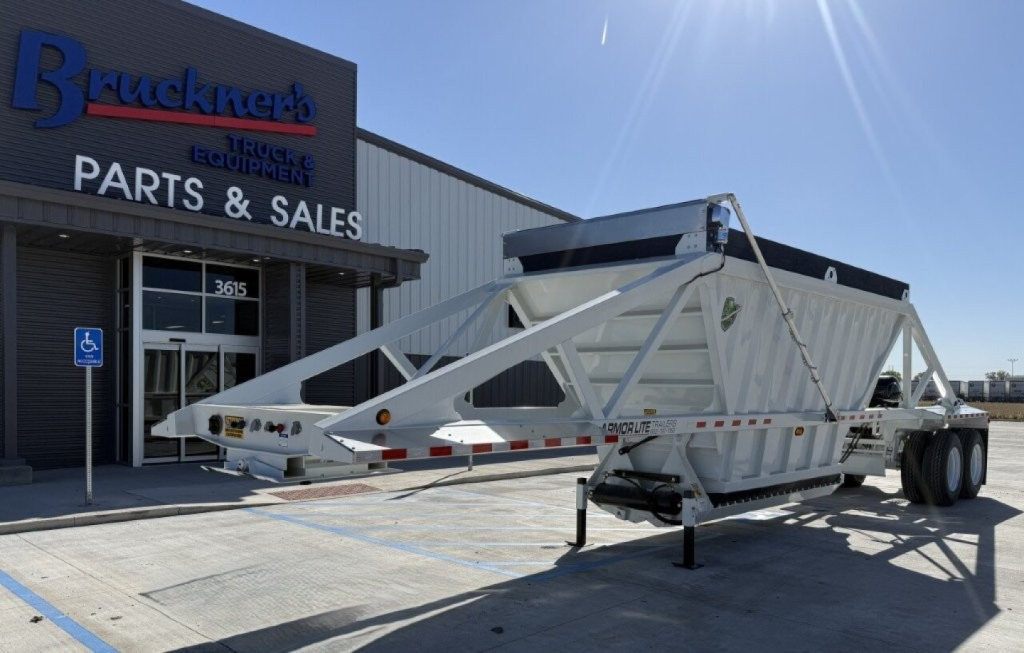
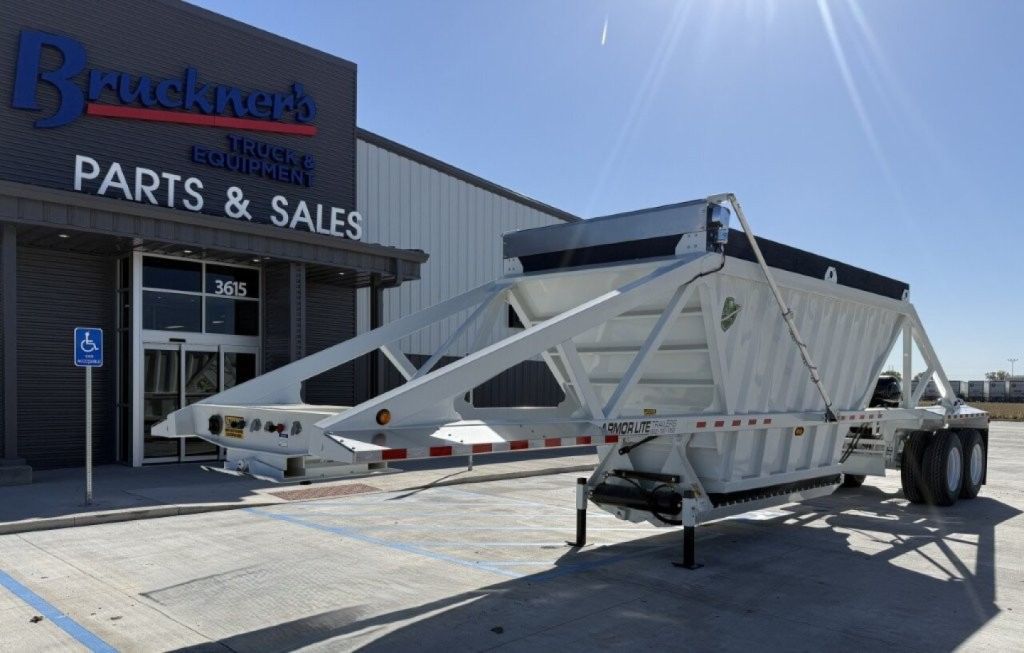
The lighter 40-foot skeleton configuration shown here uses about 23.5 cubic yards of capacity, 10-inch boards, spring ride, 11R24.5 tires, steel wheels, and aluminum diamond-plate fenders. That setup fits fleets running predictable material with an eye on tare weight, maintenance simplicity, and quick cycle times. The other configuration shown is a 32-foot tub on a 34-foot overall trailer with a self-shedding top rail, 1/4-inch Hard Ox tub, high-lift gate, electric flip tarp, and single-point suspension. That kind of build is more protection-focused and makes sense when loaders are dropping dense, sharp, or inconsistent material that can punish a lighter body.
Buyers comparing new Armor Lite dump trailers should pay close attention to tub material, suspension type, tarp system, gate design, and tire package. A self-shedding top rail can help reduce material hang-up and improve cleanout. A high-lift gate is important if the trailer will handle larger rock or broken concrete that can bridge at discharge. Electric tarp systems speed up daily operation and improve compliance on covered loads. On the running gear side, spring ride remains a straightforward, proven choice, while single-point suspension is often preferred for durability and articulation in tougher jobsite conditions. Tire specification matters too, especially in Texas heat and on rough surfaces where chip- and chunk-resistant compounds can add service life.
For Texas operators, these trailers are commonly matched to regional hauling demands that include sand, gravel, base, millings, hot mix, and demolition debris. Capacity, body style, and gate operation should be evaluated alongside local axle laws, route conditions, and loading equipment. If the work is mostly asphalt or clean aggregate, a lighter-weight trailer may deliver better revenue per load. If the route includes quarry work, demolition material, or uneven terrain, a harder-wearing tub and more robust suspension package usually pencil out better over time. Armor Lite dump trailers are generally bought by fleets and owner-operators who want a straightforward vocational trailer with practical spec choices and a clear balance between payload, durability, and daily uptime.
Frequently Asked Questions
What is the difference between a skeleton dump trailer and a half-round dump trailer?
A skeleton dump trailer is built to reduce empty weight and maximize payload, so it is commonly used for materials that do not require a heavily reinforced tub. A half-round dump trailer, especially one with a Hard Ox or similar abrasion-resistant body, is designed for tougher applications such as rock, asphalt chunks, and demolition debris. The lighter trailer usually wins on payload, while the heavier tub trailer usually wins on durability and resistance to impact and abrasion.
What should I look for in a new Armor Lite dump trailer for aggregate or asphalt work?
Focus on body construction, cubic yard capacity, suspension, gate style, tarp system, and tire package. Aggregate and asphalt work can be hard on the tub, so body material and floor thickness matter. A high-lift gate helps with larger or irregular material, and a self-shedding top rail can improve discharge. Suspension choice affects durability and ride on rough roads, while chip- and chunk-resistant tires can reduce damage in quarry and jobsite service.
Is spring ride or single-point suspension better on a dump trailer?
Spring ride is a proven, simple setup that many operators like for its familiarity, lower complexity, and straightforward maintenance. Single-point suspension is often chosen for severe-service applications because it can offer better articulation and durability in off-road or uneven loading environments. The better choice depends on how much highway use versus jobsite use the trailer will see, along with your shop's maintenance preferences.
Why does tub material matter on a dump trailer?
Tub material directly affects trailer life, repair frequency, and the kind of material the trailer can handle efficiently. A harder, more abrasion-resistant tub such as Hard Ox stands up better to sharp rock, torn-up asphalt, and repeated high-impact loading. A lighter-weight body can improve payload, but if the material is abrasive or the loading practice is aggressive, the heavier-duty tub is often the better long-term investment.
What tire and wheel setup is common on these dump trailers?
The sample trailers use 11R24.5 tires with steel wheels, which is a common vocational setup for dump service. This tire size is widely supported in the market and generally offers a solid balance of load capacity, availability, and serviceability. In harsher applications, buyers often look for chip- and chunk-resistant tread compounds because they hold up better on quarry roads, torn-up pavement, and rough construction sites.