
Trailers For Sale Near Albuquerque, New Mexico
Showing 25 to 25 of 25 results
Have trailer to sell? List it here to reach thousands of buyers.
Trailers Near Albuquerque, New Mexico
For dump work, tub construction and suspension setup deserve close attention. Side dump trailers are common in heavy dirt, road base, and site work because they unload quickly and stay productive in uneven conditions. Buyers should look at tub material, such as AR400 steel, corner reinforcement, tarp system, push block setup, and tire size, along with whether the trailer rides on air suspension or spring. Air ride can improve stability and reduce shock loading into the chassis, especially on mixed on-road and jobsite routes. Dump cycle smoothness, cylinder design, and overall frame integrity matter more over time than cosmetic appearance.
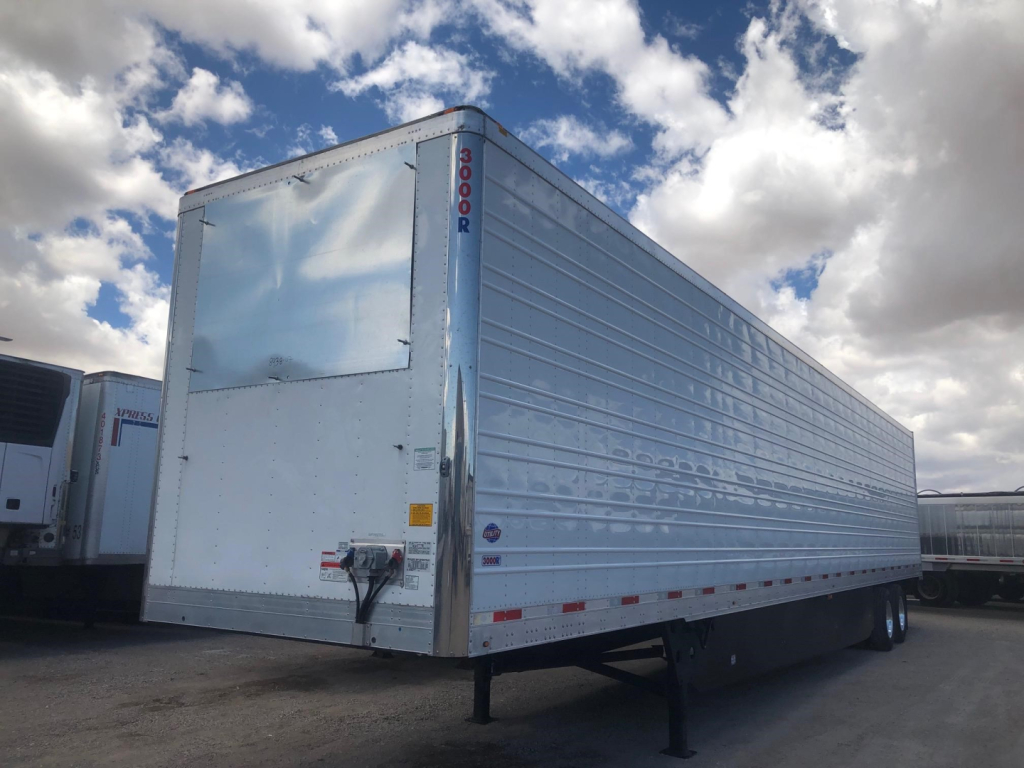
Reefer trailer buyers need to evaluate both the box and the refrigeration unit as a system. On a 53-foot reefer, floor type, scuff liners, bulkhead condition, rear door seal quality, chute setup, and side skirt condition all affect day-to-day performance. Refrigeration unit brand, operating hours, start-run capability, maintenance history, and fuel system condition are just as important as the trailer shell. In the Southwest, consistent cooling performance in high ambient temperatures is critical, so buyers should pay close attention to insulation condition, duct floor integrity, and how well the unit pulls down and holds setpoint under load.
Across all trailer types, axle configuration, slider position, tire size, wheel material, landing gear condition, DOT lighting, and brake and suspension wear should be part of every evaluation. Tandem axle air ride trailers remain the most versatile choice for many fleets because they balance ride quality, load protection, and resale appeal. In Albuquerque and throughout New Mexico, regional terrain, interstate miles, and weight distribution rules can all influence the right spec. The best trailer is the one whose length, suspension, frame design, and cargo features match the freight profile and routing pattern it will actually see.
Frequently Asked Questions about Trailers Near Albuquerque, New Mexico
What type of trailer is best for freight hauled in Albuquerque and across New Mexico?
The best trailer depends on the commodity and route. Flatbeds are a strong fit for construction materials, machinery, steel, and oilfield-related freight. Dump trailers are commonly used for aggregate, asphalt, dirt, and demolition debris. Reefer trailers are necessary for produce, foodservice, and other temperature-sensitive freight. Buyers operating in New Mexico should also consider long interstate runs, hot weather, and variable elevation, because those conditions can influence suspension choice, tare weight priorities, and refrigeration performance.
What should I look for when buying a flatbed trailer?
Focus on structural design and cargo securement features before cosmetic details. Important items include trailer length, axle setup, air ride versus spring suspension, steel or combo construction, floor condition, coil package capacity, stake pockets, sliding winches, winch tracks, pipe spools, and nail strips. If the trailer will run western states or California, a California-legal rear slide or axle configuration can be a major advantage. Also check deck wear, crossmember condition, wheel-end service history, and tire size compatibility with the rest of the fleet.
How do I evaluate a used reefer trailer?
A used reefer should be inspected as both a trailer and a refrigeration system. Look at reefer unit hours, maintenance records, start-run operation, fuel system, and how quickly the unit reaches and holds temperature. On the trailer side, inspect the aluminum duct floor, scuff liners, bulkhead, rear door seals, interior walls, roof, and any signs of water intrusion or insulation damage. A reefer with a clean box but weak cooling performance can become expensive fast, especially in hot climates.
Are air ride trailers worth it?
For many operations, yes. Air ride suspension generally provides better ride quality, helps protect sensitive cargo, and can reduce shock loading to the trailer structure. It is especially common on flatbeds and reefers, and it is also valuable on dump applications that spend time both on pavement and on jobsites. Buyers should still inspect air bags, valves, bushings, shocks, and slider components closely, because neglected air ride systems can create alignment, tire wear, and maintenance issues.
Why does California-legal or rear-slide axle configuration matter on some trailers?
California-legal and rear-slide axle configurations help fleets meet bridge law and state-specific length or axle spread requirements while maintaining payload flexibility. On 53-foot flatbeds in particular, that setup can make the trailer more useful for multistate freight and improve resale demand. Even for buyers based in New Mexico, a trailer with the right slider arrangement can be easier to position for legal loading, kingpin setting compliance, and customer dock or yard requirements.