
New XL Specialized Agriculture Trailers For Sale
Shop new XL Specialized agriculture trailers built for heavy farm equipment, wide loads, low deck height, and secure transport.
No exact matches found for your search
Showing New XL Specialized Trailers instead.
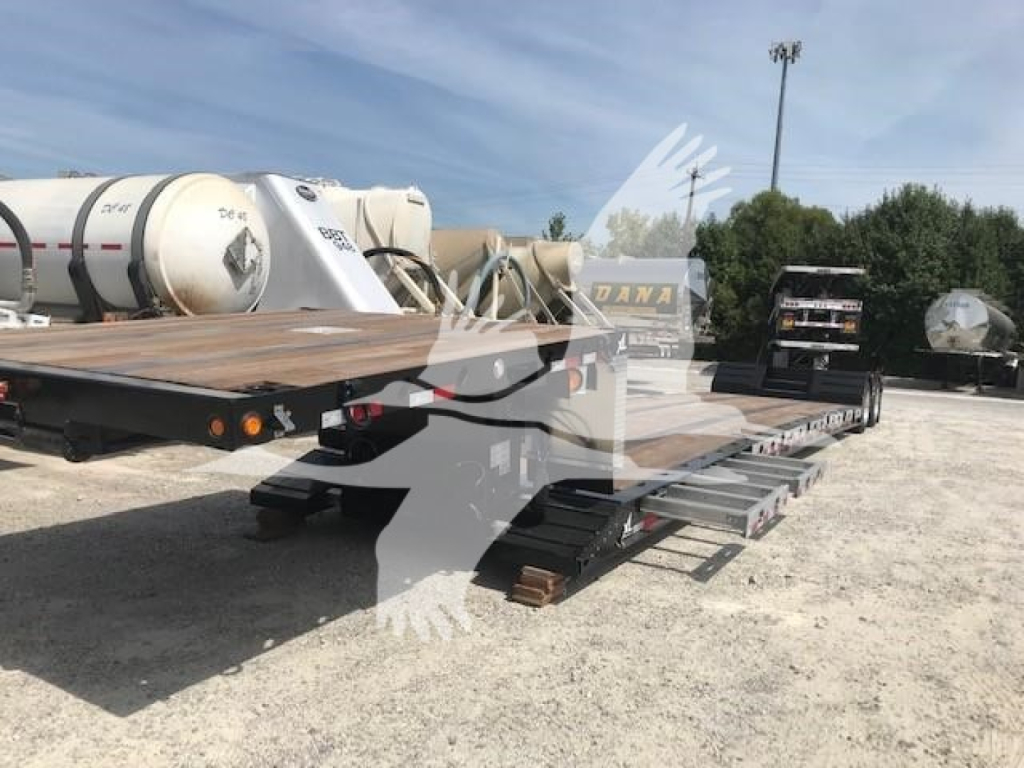
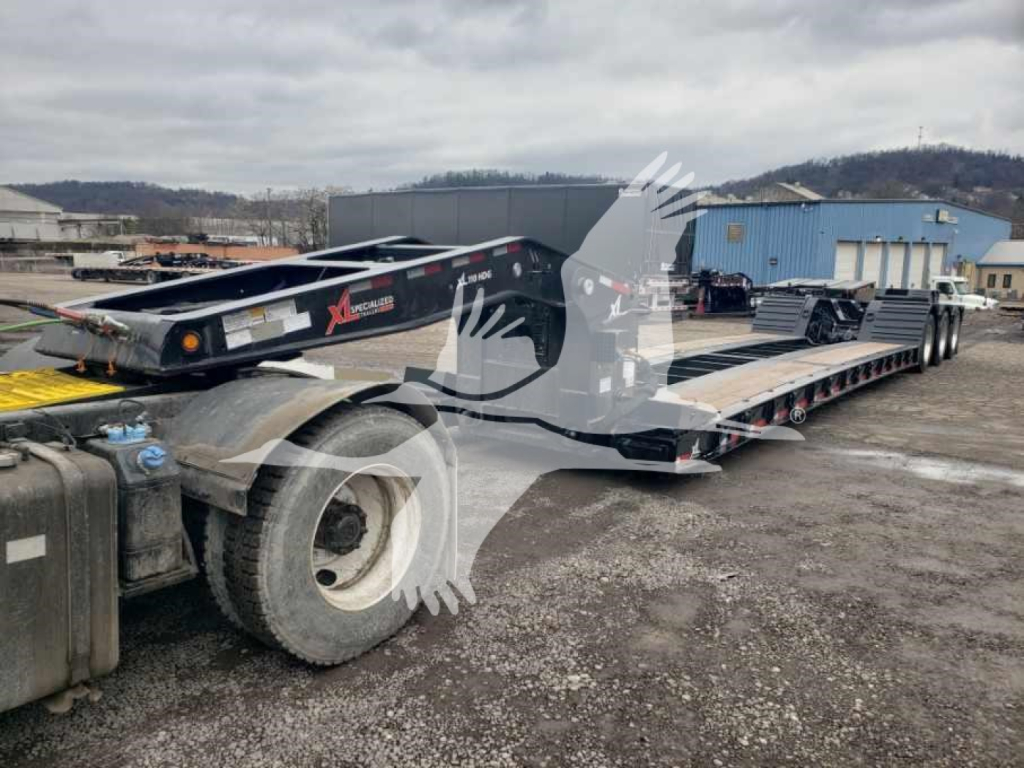
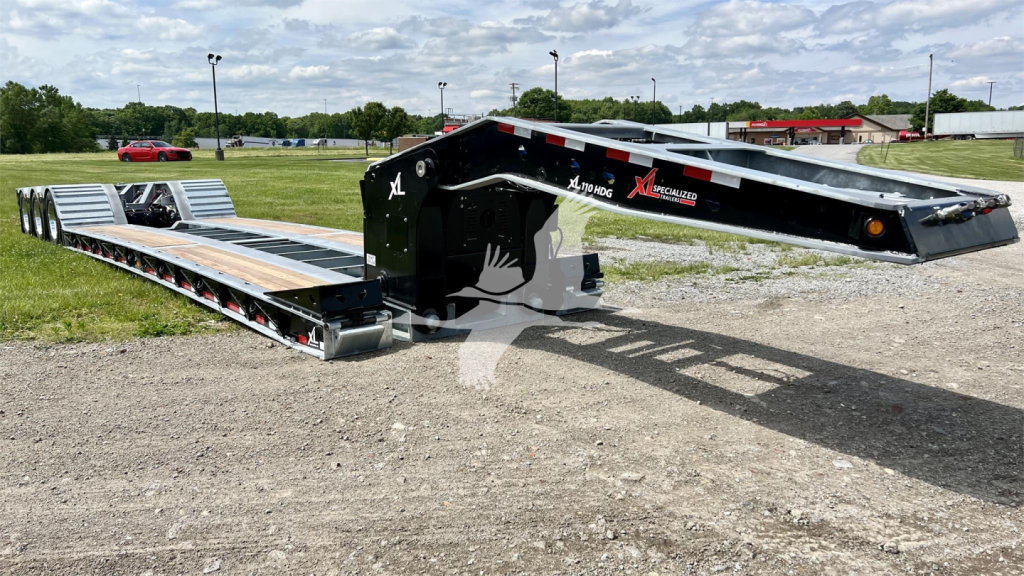
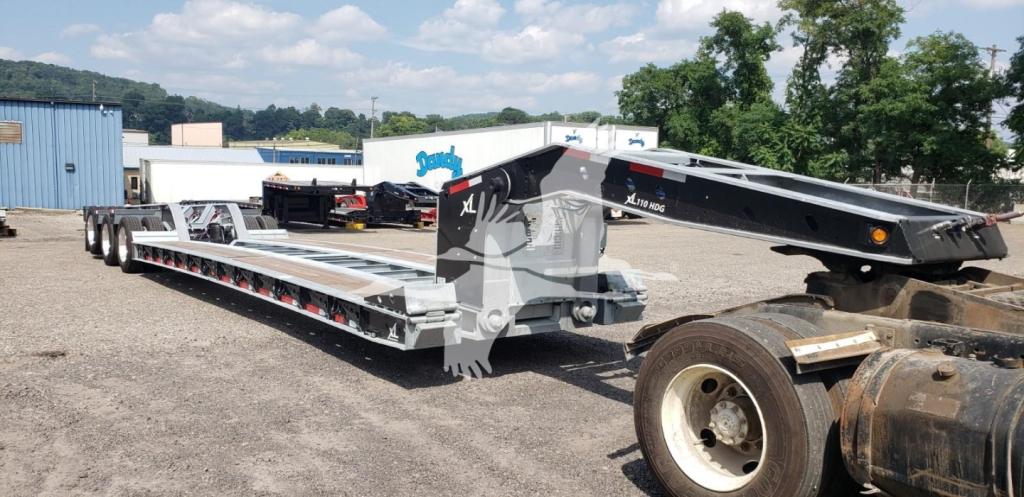
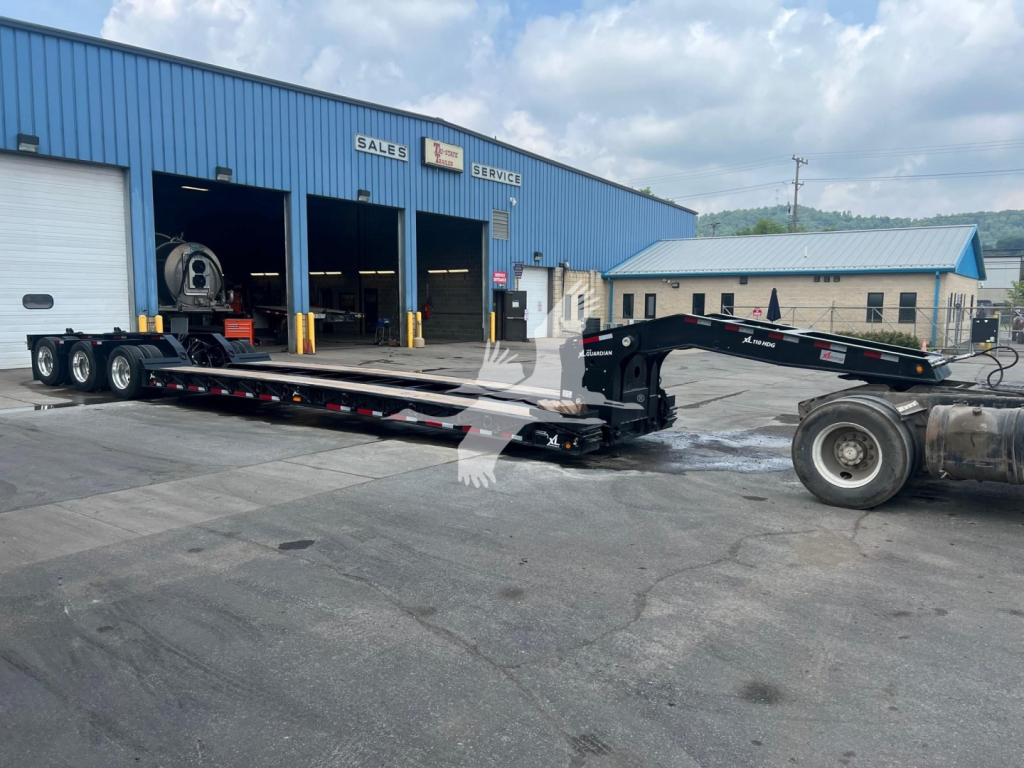
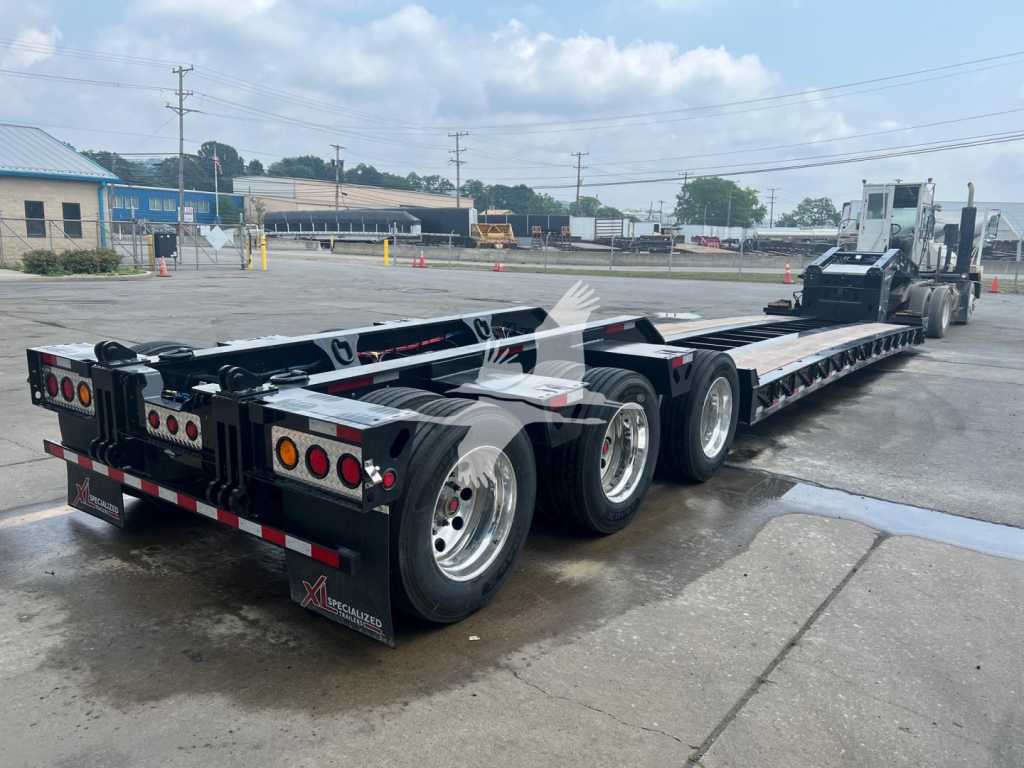
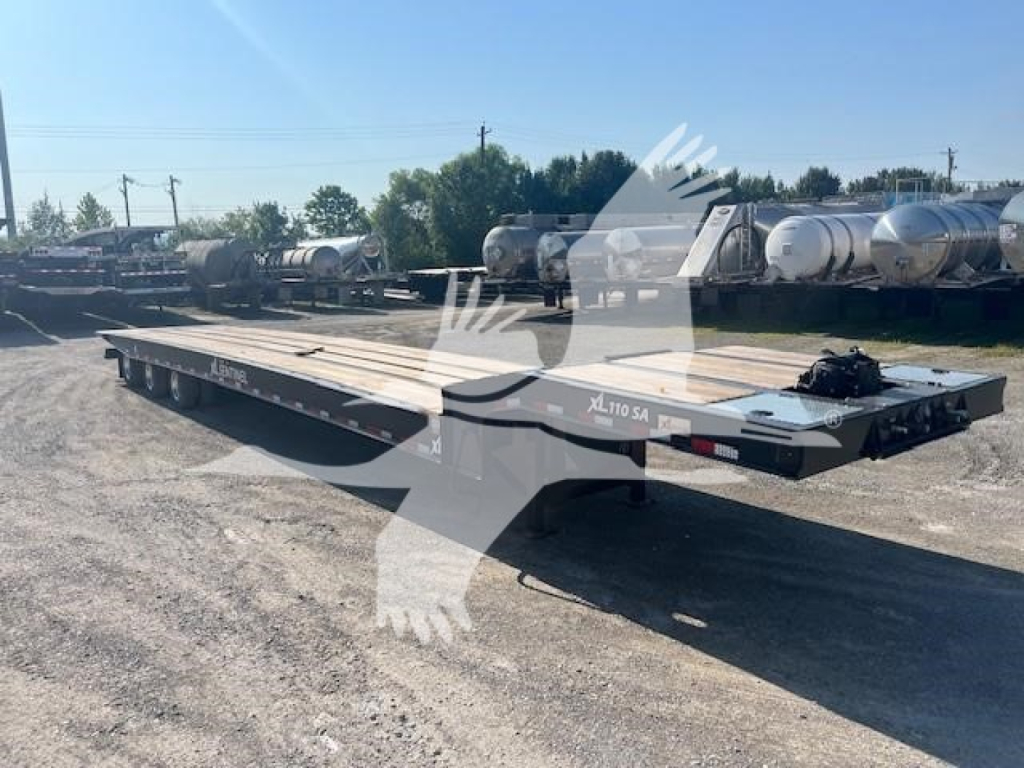
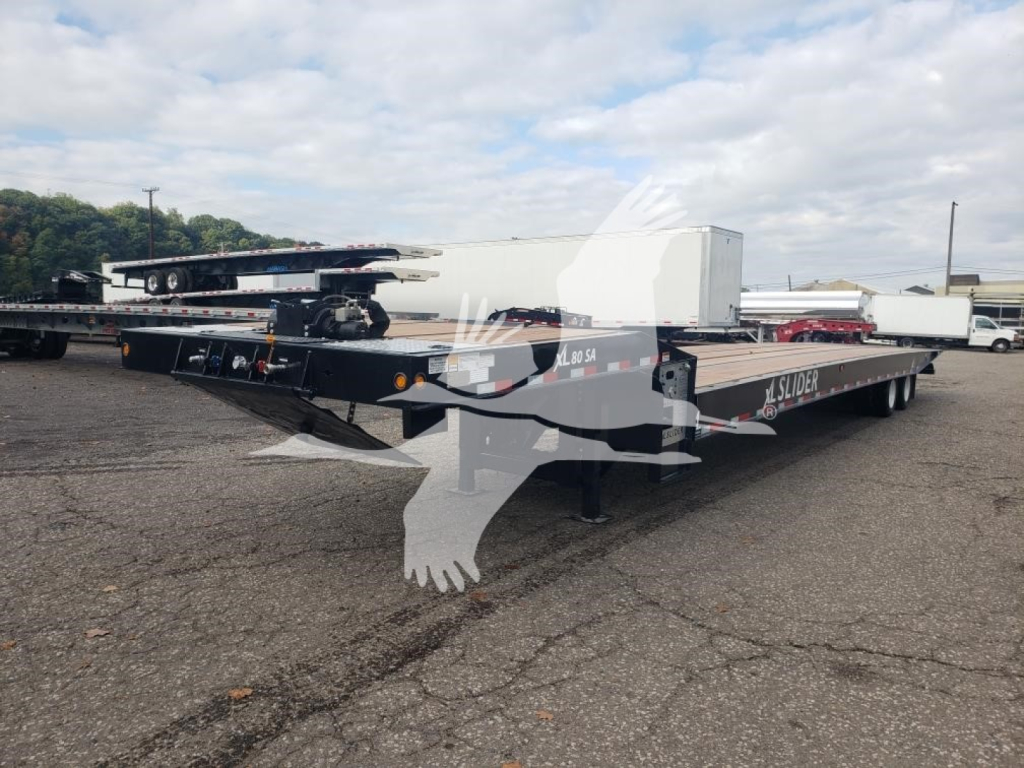
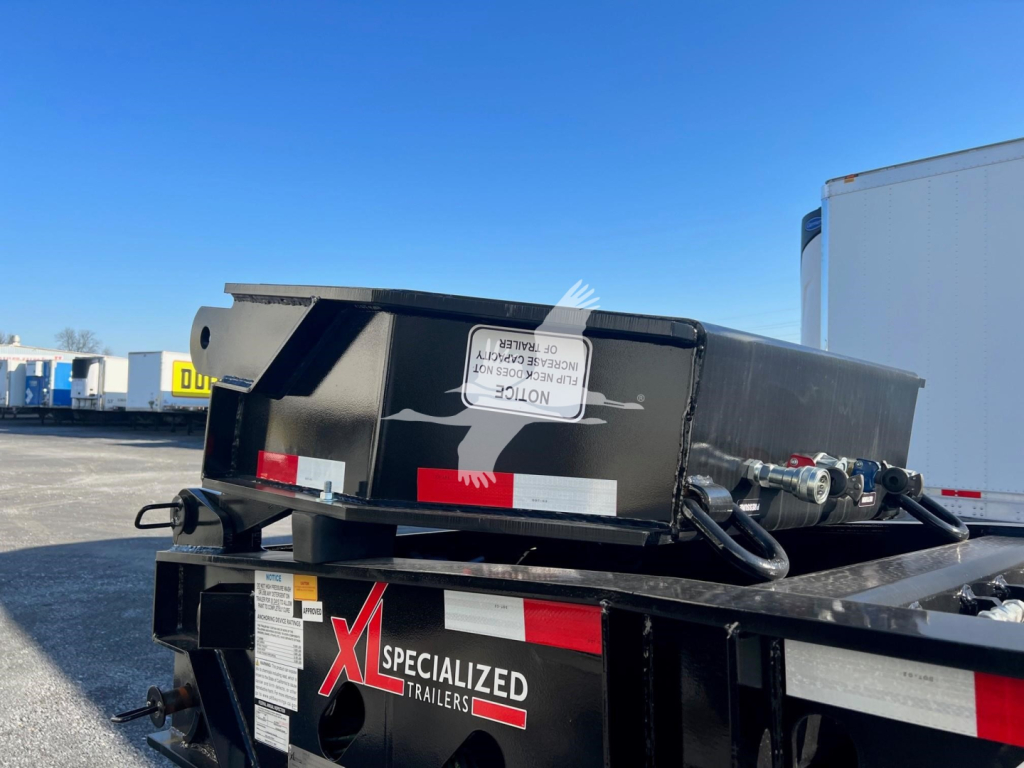
Have new xl specialized agriculture trailer to sell? List it here to reach thousands of buyers.
New XL Specialized Agriculture Trailers
A typical XL Specialized agriculture trailer in this class may feature a 53-foot overall length, 102-inch width, a full-width neck, and a low main deck with apitong flooring for traction and durability. Common construction details include perimeter beam steel side rails, close crossmember spacing, chain drops on regular centers, and multiple D-ring tie-down points across the neck, main deck, and rear deck. Buyers should pay close attention to weight ratings in both distributed load terms and concentrated load zones such as 16-foot sections. Suspension setup is equally important. Air ride suspensions, 54-inch axle spacing, raise-and-lower valves, and future flip axle provisions all affect ride quality, legal payload flexibility, and how well the trailer adapts to different machines.
For farm equipment hauling, loading geometry is a major buying factor. Rear transition cuts, low rear deck sections, swing clearance at the neck, and front transition pullout ramps can make a real difference when handling equipment with long wheelbases, duals, tracks, or mounted attachments. Agriculture trailers are also expected to perform in field conditions and rural loading areas, so details like aluminum pullouts, lockable neck toolboxes, durable lighting, mud flaps, and battery-backed strobes add practical value. Tire size, wheel specification, and ABS configuration should also be reviewed closely, especially for operators covering long rural routes or crossing multiple states with seasonal equipment moves.
XL Specialized is well known in the heavy-haul market, and their agriculture trailer configurations are aimed at buyers who need a purpose-built platform rather than a general equipment hauler. The right setup depends on the dimensions and axle weights of the machines being moved most often. Buyers comparing listings should look beyond headline capacity and focus on deck layout, tie-down architecture, neck compatibility, axle options, and suspension features. Those details determine how safely the trailer handles modern farm equipment and how efficiently it can be loaded day after day.
Frequently Asked Questions about New XL Specialized Agriculture Trailers
What is an agriculture trailer used for?
An agriculture trailer is designed to haul farm machinery such as tractors, combines, sprayers, planters, and other oversized equipment. These trailers are typically configured with lower deck heights, heavy concentrated load capacity, and specialized loading transitions so tall or awkward machines can be moved more safely and with better legal height control than on a standard flatbed.
Why is deck height so important on an agriculture trailer?
Deck height directly affects loaded height, which is critical when hauling tall farm equipment on public roads. A lower main deck helps keep combines, cabs, tanks, and folded implements under bridge and permit height limits. It also improves loading angles and can reduce the need to remove components before transport.
What specs should buyers compare first on a new XL Specialized agriculture trailer?
The most important specs are overall length, main deck length, deck height, ground clearance, axle count, suspension type, axle spacing, and the trailer’s distributed and concentrated load ratings. Buyers should also compare neck style, tie-down placement, flooring material, rear transition design, and any flip axle connections or load-support features that affect the type of farm equipment the trailer can legally and safely carry.
Are agriculture trailers different from standard lowboy trailers?
Yes. Agriculture trailers are a specialized type of lowboy or detachable gooseneck trailer built around the dimensions and loading needs of farm machinery. They often include lower deck profiles, wide and stable loading surfaces, equipment-friendly transitions, and tie-down layouts suited to tractors, sprayers, and combines instead of construction machines alone.
Do air ride suspensions matter on an agriculture trailer?
Air ride suspension is important because it helps reduce shock and vibration during transport, which is valuable when hauling expensive farm equipment with sensitive components. It also improves ride quality over rough rural roads and can help with loading and unloading when paired with raise-and-lower controls. For buyers moving high-value machinery over distance, suspension design is a serious consideration, not a minor option.