
2027 Trailers For Sale in Indiana
Have 2027 trailer to sell? List it here to reach thousands of buyers.
2027 Trailers in Indiana
Frequently Asked Questions about 2027 Trailers in Indiana
What are the most common specs on a 2027 trailer in this category?
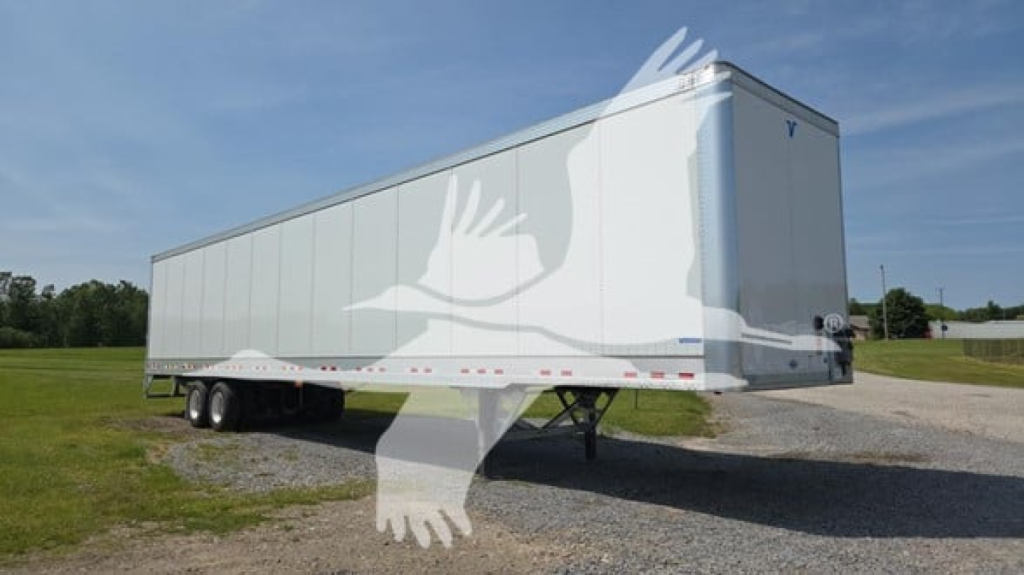
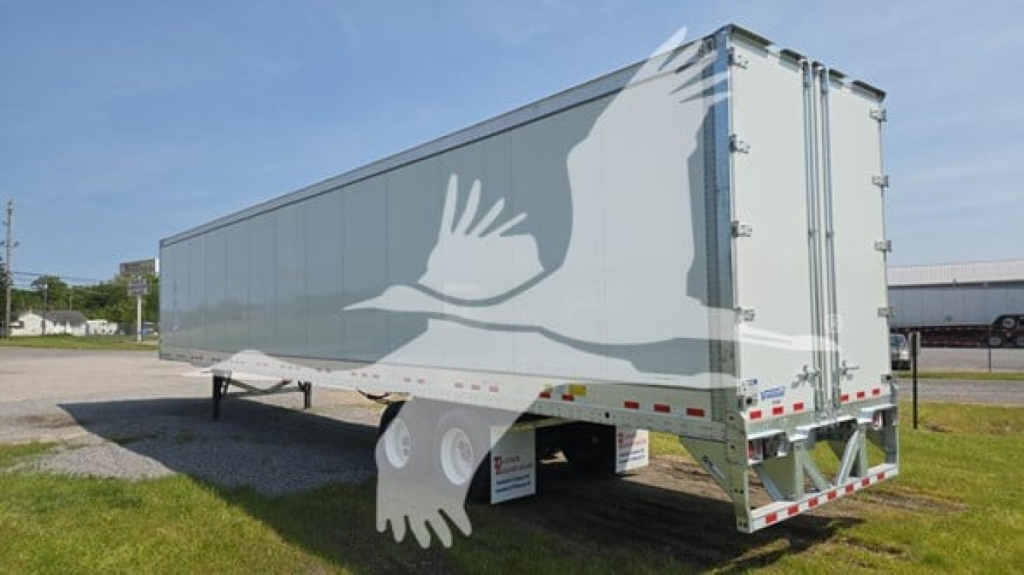
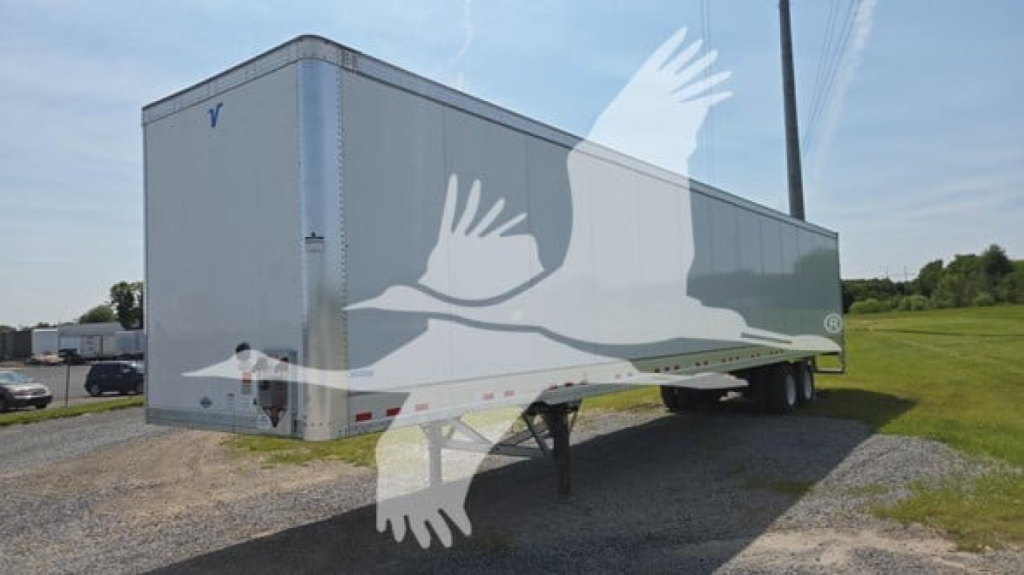
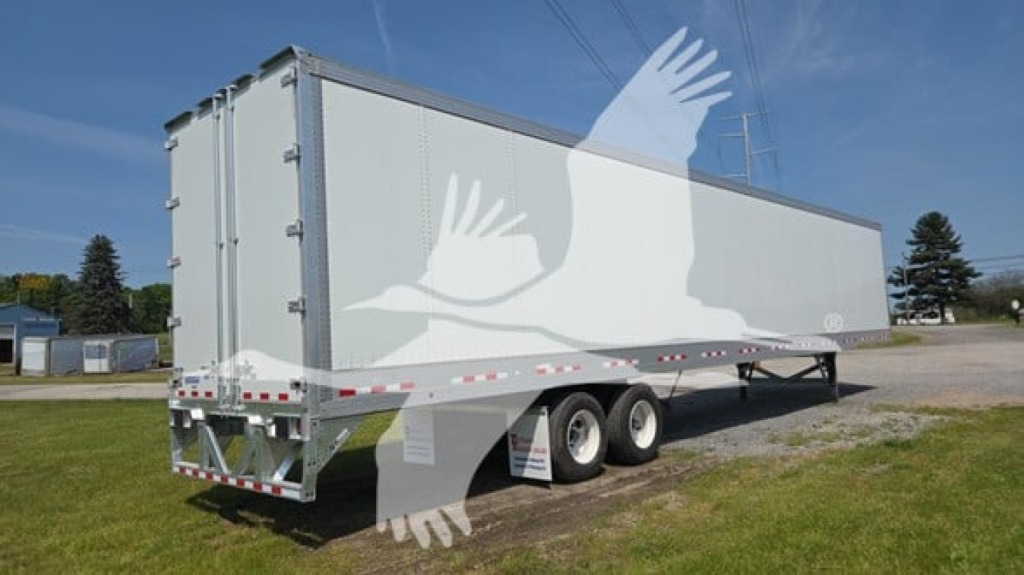
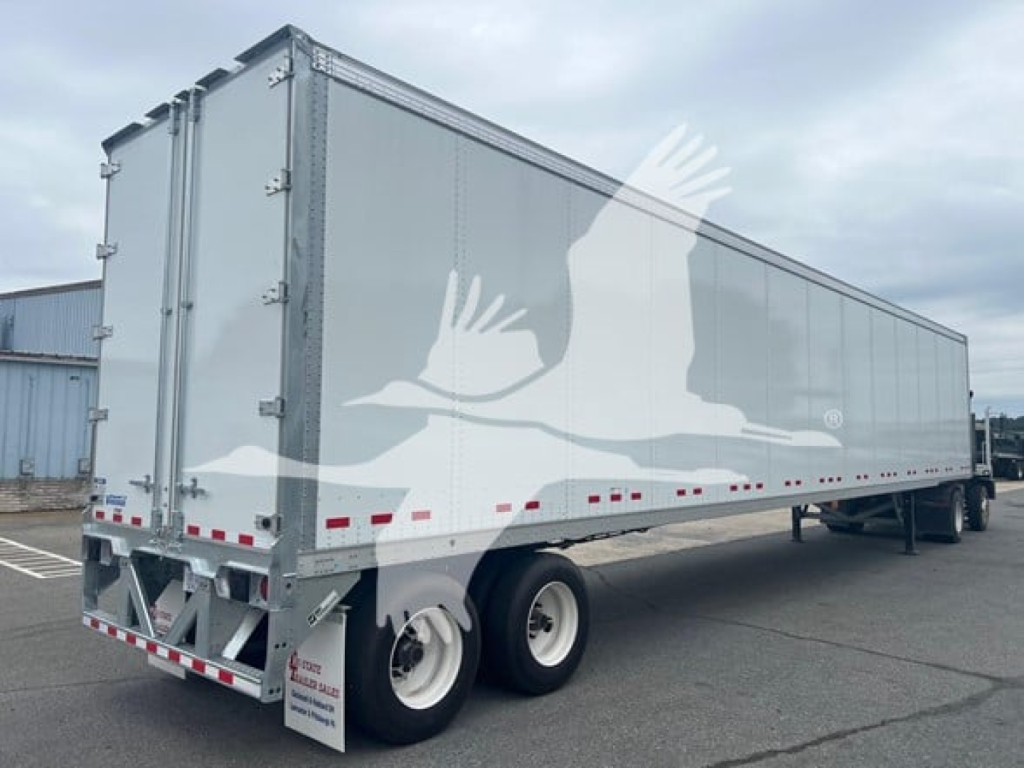
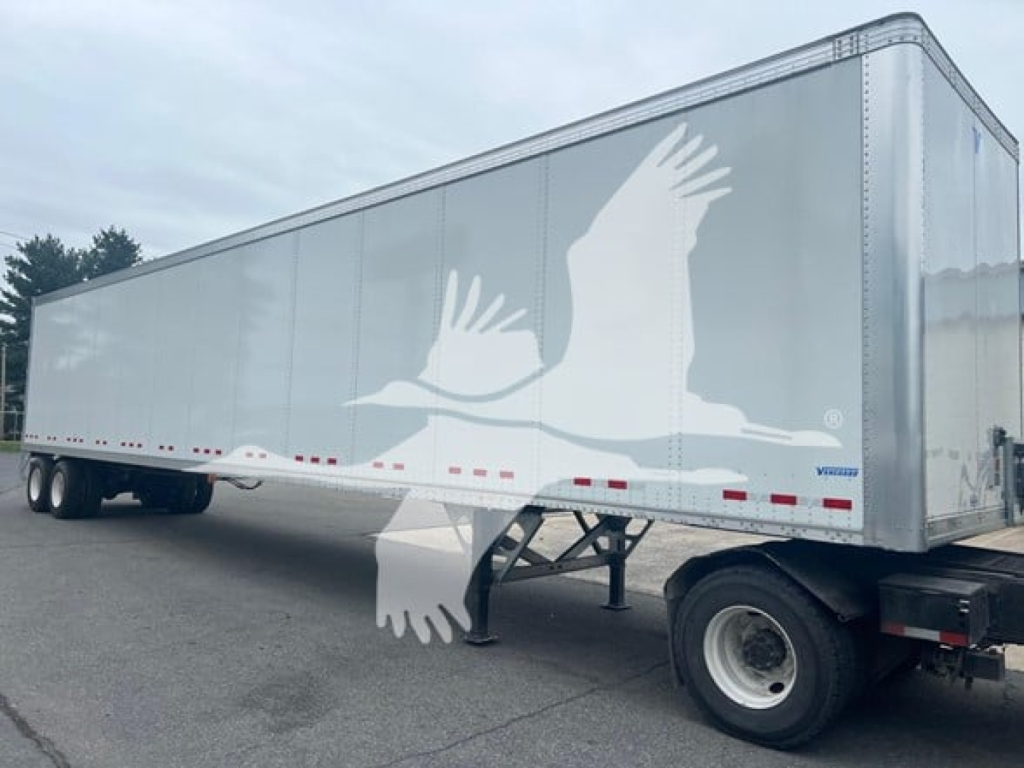
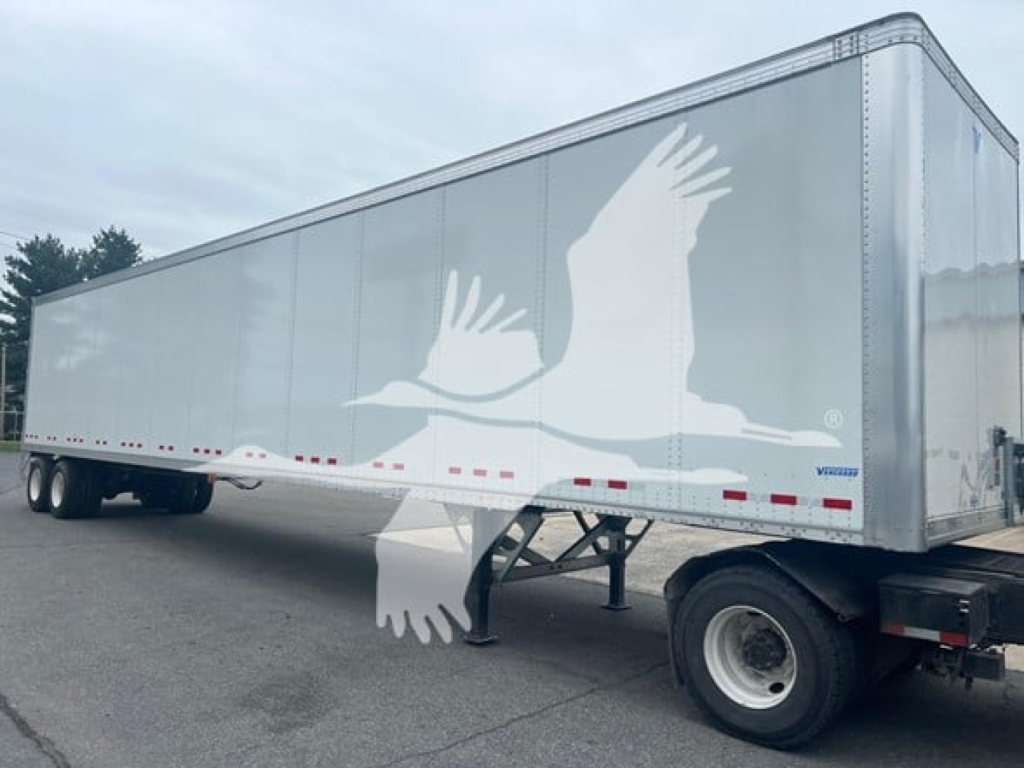
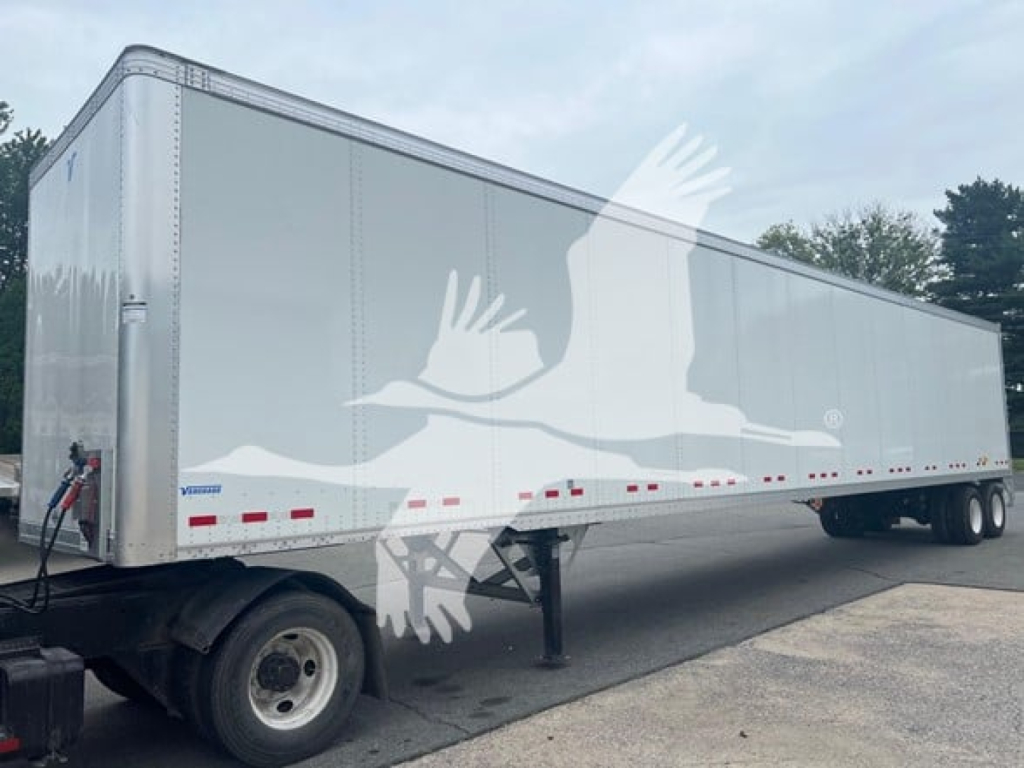
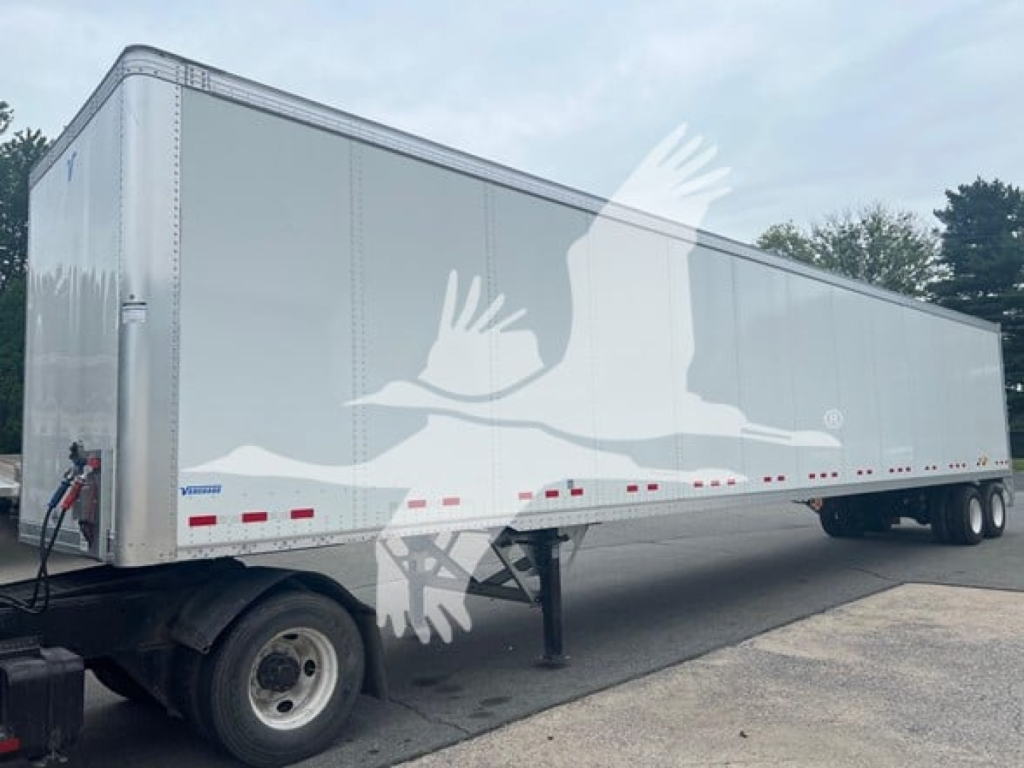
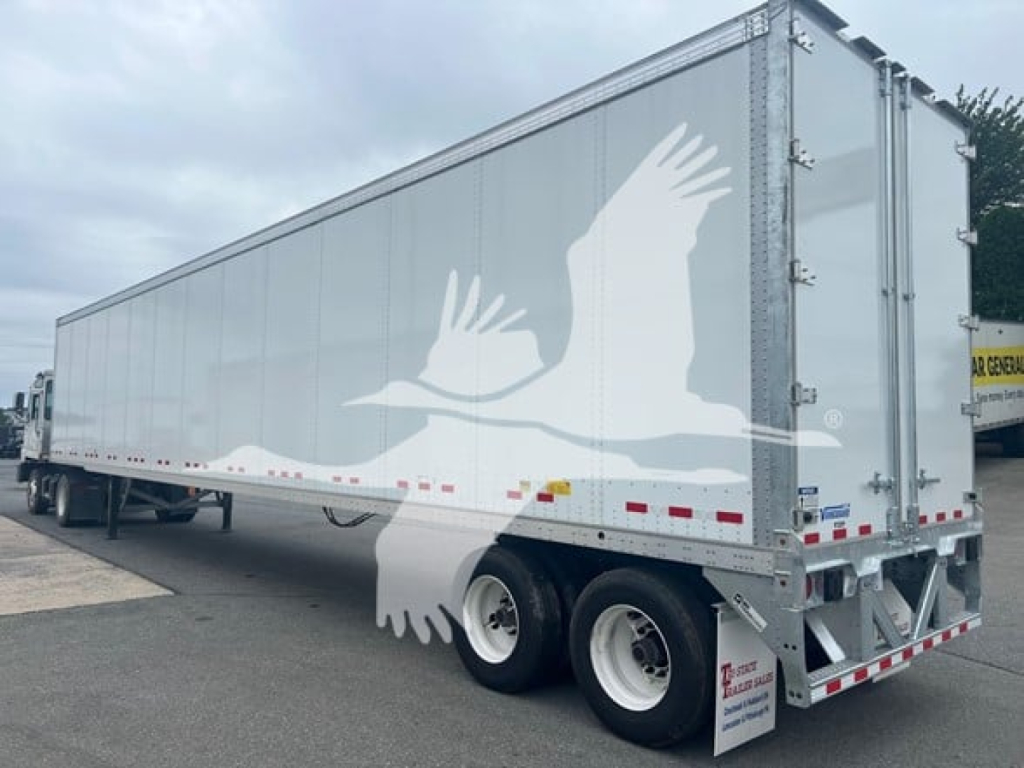
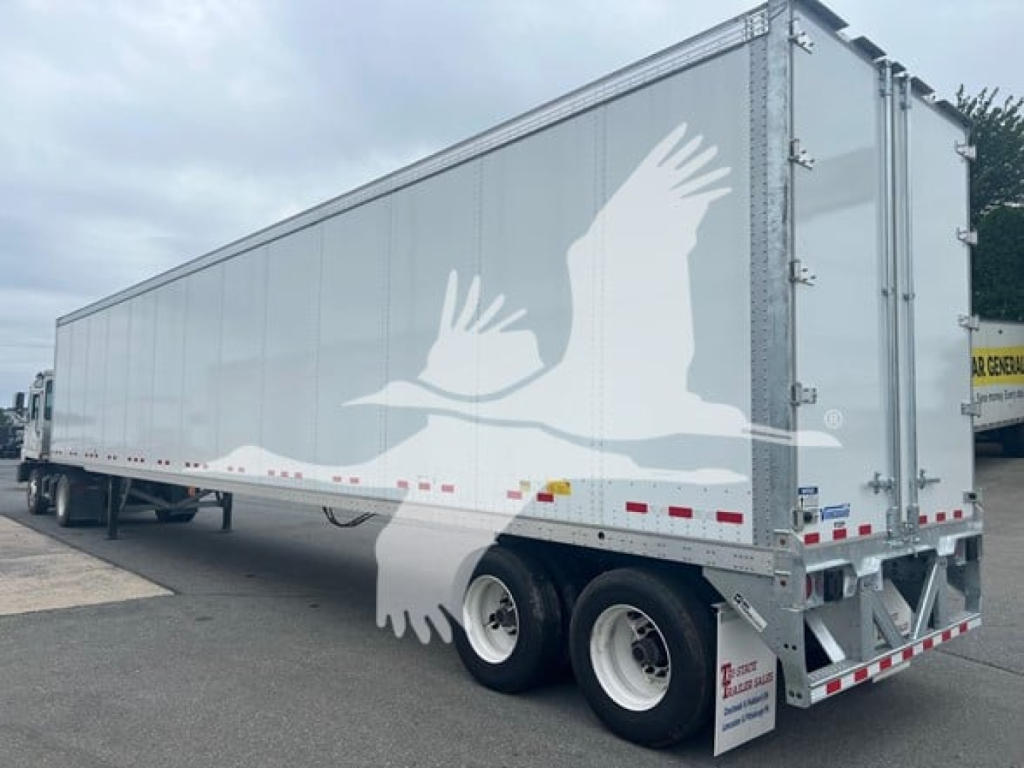
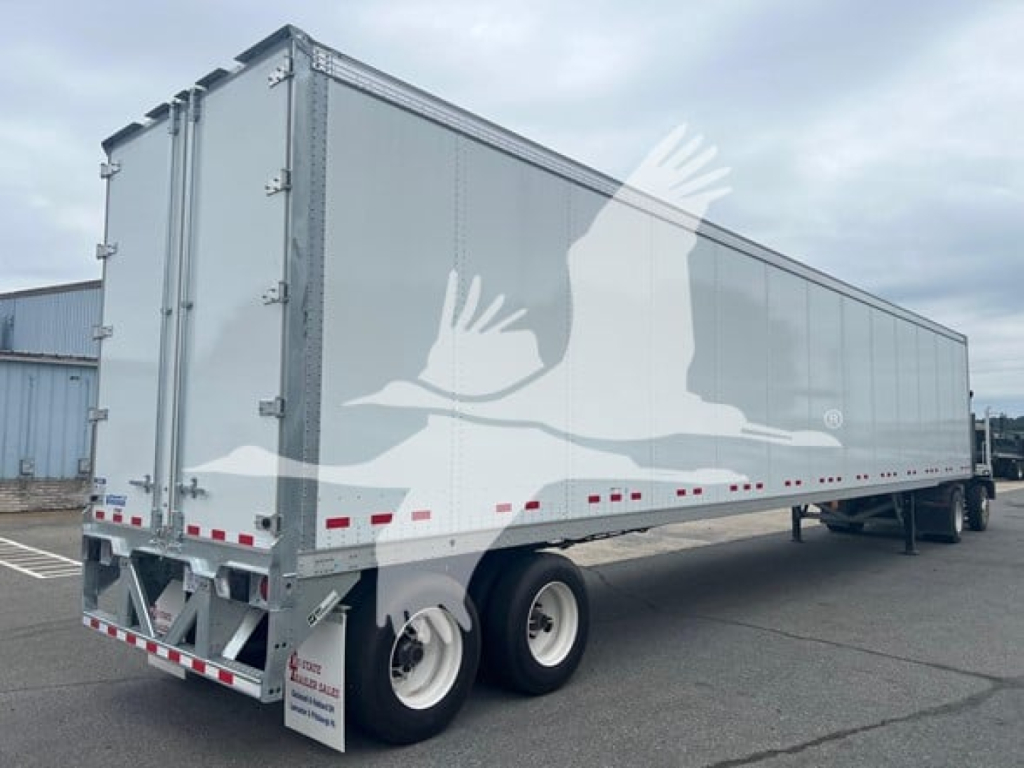
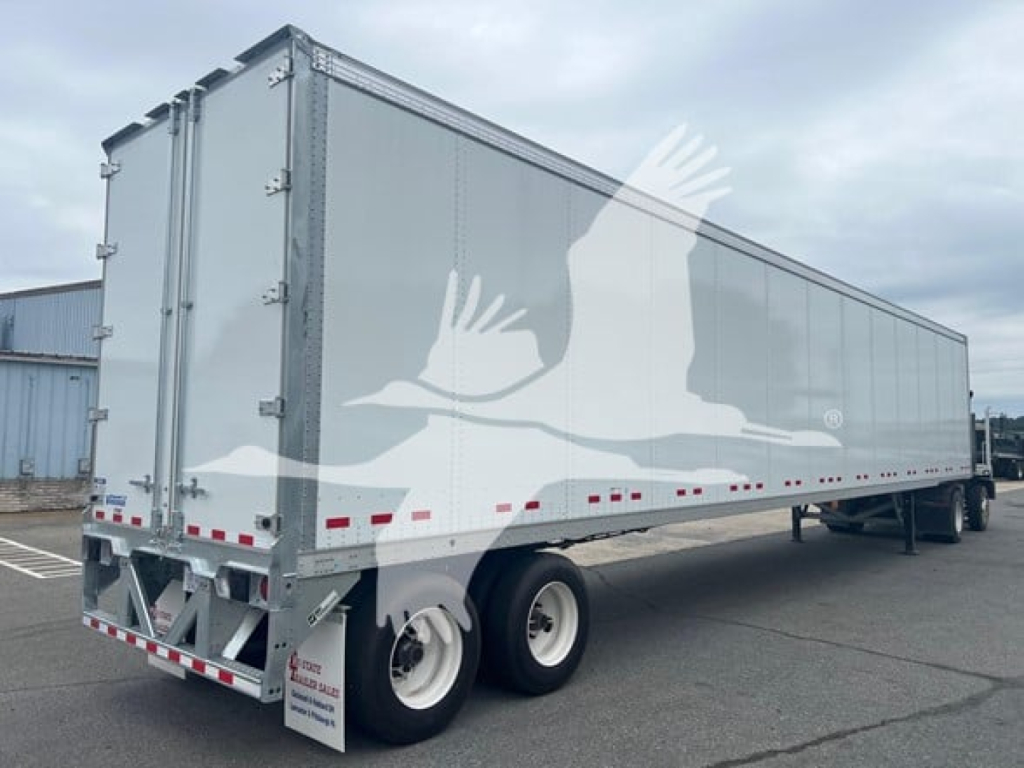
The most common specs are a 53-foot length, 102-inch width, tandem axles, air ride suspension, and a sliding tandem. Many late-model dry vans also include an aluminum roof, hardwood or oak floor, galvanized rear frame components, swing doors, and 295/75R22.5 tires. Inside height around 110 inches is common on standard dry van builds, which supports high-cube palletized freight without moving into specialized trailer dimensions.
How do I choose between a dry van and a reefer trailer?
Choose a dry van for general freight that does not need temperature control. Dry vans are typically lighter, simpler to maintain, and well suited for packaged goods, consumer freight, and dock-to-dock lanes. Choose a reefer if the freight requires frozen, chilled, or tightly controlled temperatures. A reefer adds insulation, a refrigeration unit, and more maintenance points, but it opens the door to grocery, foodservice, produce, pharmaceutical, and other temperature-sensitive freight.
Why does sliding tandem position matter on a trailer?
A sliding tandem helps you manage axle weights, kingpin-to-rear-axle dimensions, and bridge law compliance across different states and load profiles. It also gives drivers flexibility when backing into tight docks or working with specific customer yard requirements. On a 53-foot trailer, a common suspension setting is around a 49-inch sliding tandem with long slide rails, which gives a good balance between legal compliance and operating flexibility.
What construction details should I pay attention to on a van trailer?
Sidewall construction, floor type, roof design, rear frame corrosion protection, and cargo-control features should all be reviewed closely. Plate and composite sidewalls generally hold up well in high-cycle freight environments, while sheet-and-post designs can be attractive for buyers prioritizing repairability and lighter structure. Hardwood or oak floors remain standard for forklift traffic. Logistics posts, steel scuff liners, nose lining, threshold plates, and galvanized rear components all add durability in trailer fleets that see heavy dock use.
What matters most when evaluating a reefer trailer?
The refrigeration unit, insulation package, floor design, and door seal condition matter most. Buyers should pay close attention to unit hours, pull-down performance, maintenance history, and whether the trailer can hold the target temperature under load. Interior lining, scuff protection, duct or channel floor design, and tight rear doors all affect temperature control and long-term durability. A reefer that goes below zero easily and maintains seal integrity is far more valuable than one that only looks clean on the outside.