
2026 Trailers For Sale in Oklahoma
Have 2026 trailer to sell? List it here to reach thousands of buyers.
2026 Trailers in Oklahoma
For general freight and building materials, flatbed and drop deck trailers remain two of the most practical options. A 48-foot or 53-foot deck is common, with 102-inch width, sliding winches, coil packages, bulkheads, forklift kits, and closely spaced crossmembers showing up on trailers intended for steel, lumber, or packaged loads. Drop decks, also known as step deck trailers, add lower deck height for taller freight while staying within legal height limits. Buyers comparing these trailers should pay close attention to upper deck length, lower deck length, axle spread, ramp style, and suspension. Air ride is often preferred for more sensitive freight, while sliding or spread axle setups can affect bridge compliance, maneuverability, and how easily the trailer handles concentrated weight.
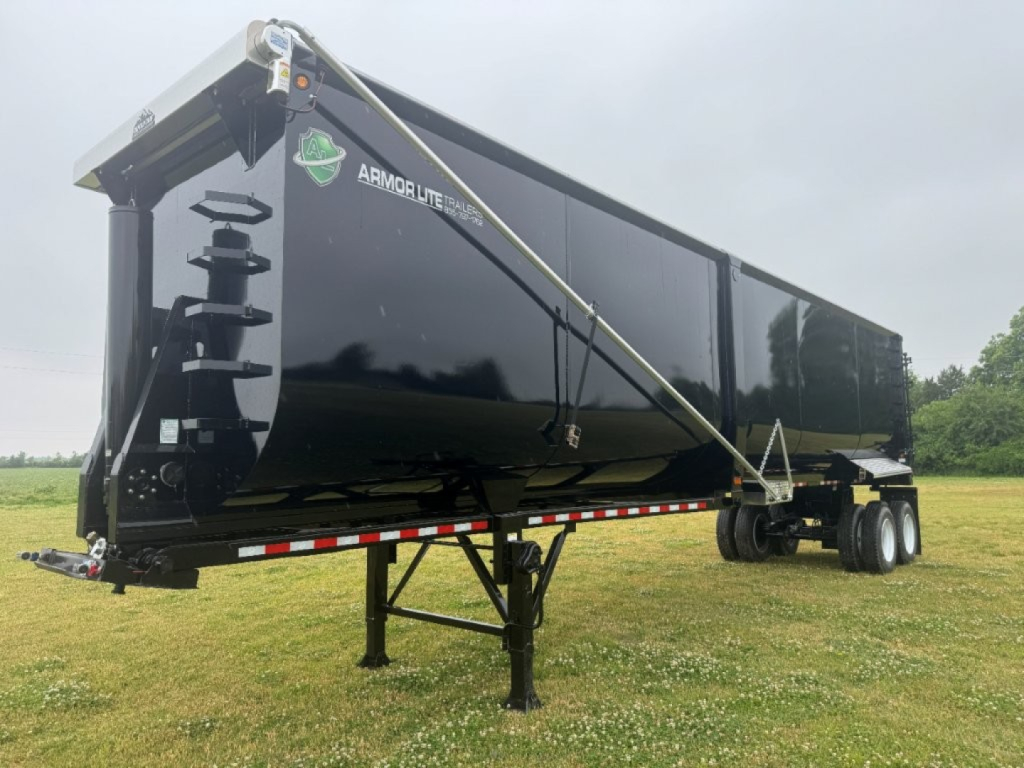
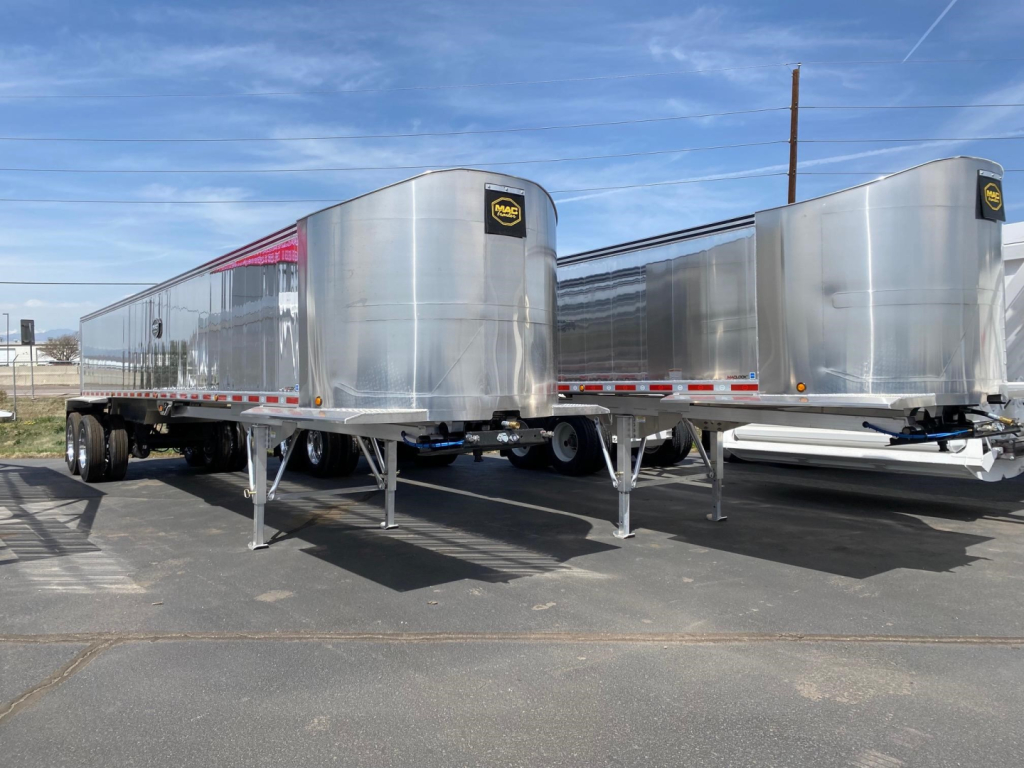
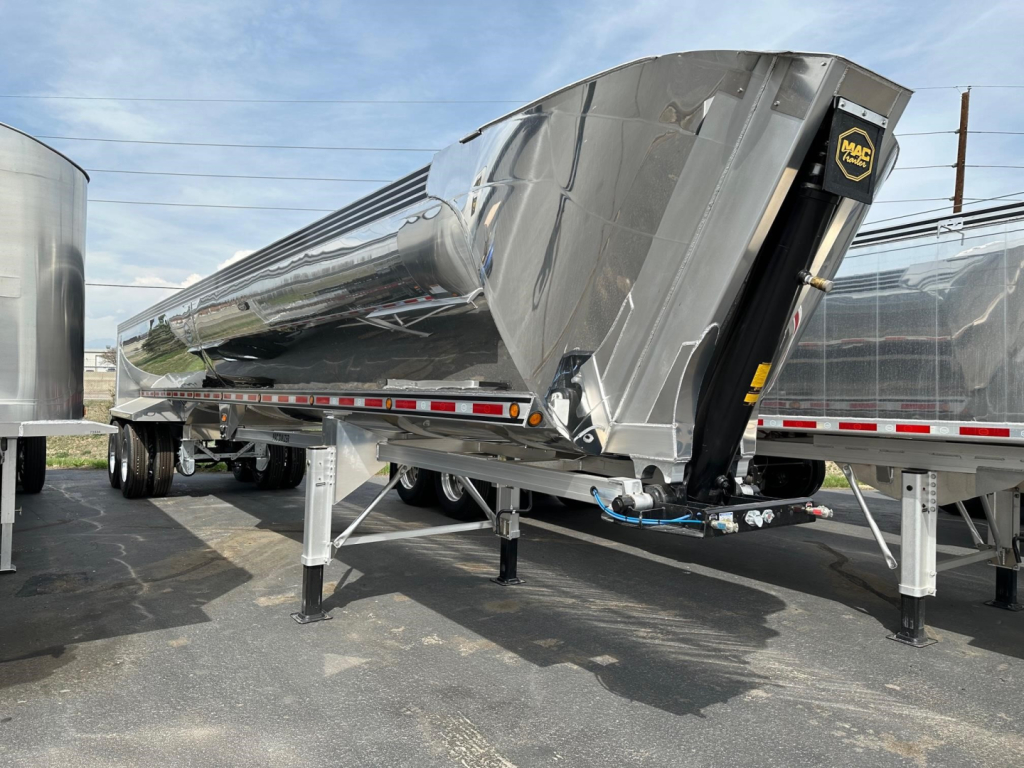
For dirt, rock, millings, and demolition material, dump trailers are typically spec'd around body construction, cubic yard capacity, board height, tarp system, and suspension durability. Steel bodies are common in severe-duty work, and tandem axle spring ride configurations still make sense for buyers prioritizing simplicity and jobsite toughness. Features like slope sheets, push blocks, windrow deflectors, quick-release valves, and larger air tanks matter in day-to-day paving and site work. In Oklahoma, where trailers may see a mix of highway miles, oilfield-adjacent work, and rough county roads, brake type, tire size, wheel material, and liner or body reinforcement choices can have a direct effect on maintenance cost and uptime.
Lowboys, including removable gooseneck trailers or RGN trailers, are the category to study closely if the job involves construction iron, crawlers, paving machines, or other tall and heavy equipment. Key numbers include well length, loaded deck height, axle count, rear deck height, gooseneck style, and overall weight rating. Buyers should also look for practical heavy-haul details such as outriggers, D-rings, Apitong flooring, dump valves, and suspension brand. Across all 2026 trailers, the best buying decision usually comes down to matching trailer structure to the real freight mix: steel versus combo construction, spring ride versus air ride, tandem versus tri-axle, and deck layout versus legal payload needs. Those details determine how the trailer performs after the sale, especially in Oklahoma operations where one trailer may be expected to handle both interstate work and demanding local routes.
Frequently Asked Questions about 2026 Trailers in Oklahoma
What types of 2026 trailers are most common for sale in Oklahoma?
The most common 2026 trailers in Oklahoma typically include flatbed trailers, dump trailers, drop decks, and lowboys. Flatbeds are used for general freight, building products, and machinery that can be loaded from the side or top. Dump trailers are common in aggregate, road construction, and site work. Drop decks are suited for taller loads that need lower deck height, and lowboys or RGN trailers are built for hauling heavy equipment with greater weight and height demands.
How do I choose between a flatbed, drop deck, dump trailer, and lowboy?
The choice depends on freight type, loading method, and legal height or weight requirements. A flatbed works well for standard palletized or strapped freight that does not exceed legal height on a full deck. A drop deck is better for taller cargo that would sit too high on a flatbed. A dump trailer is the right tool for loose material such as sand, gravel, asphalt, or demolition debris. A lowboy is designed for heavy equipment and oversized machinery that needs a very low deck height and higher capacity.
Is air ride or spring ride better on a trailer?
Air ride generally offers a smoother ride and is often preferred for freight that is sensitive to vibration, shifting, or damage in transit. It is common on flatbeds, drop decks, and many heavy-haul applications. Spring ride is simpler and can be a strong fit for severe-duty environments, especially on dump trailers where ruggedness and lower complexity are priorities. The better choice depends on cargo sensitivity, road conditions, maintenance preferences, and how the trailer will be used every day.
What specs matter most when comparing 2026 trailers for sale?
The most important specs depend on trailer type, but buyers should usually compare overall length, width, axle configuration, suspension, brake type, deck height, construction material, tire size, and wheel setup. On flatbeds and drop decks, crossmember spacing, winch track, coil package, and ramp configuration can be important. On dump trailers, body capacity, board height, tarp system, and body construction matter. On lowboys, well length, loaded deck height, axle count, and gooseneck configuration are key decision points.
Why does trailer construction material matter?
Construction material affects tare weight, durability, corrosion resistance, and repair cost. Steel trailers are often chosen for severe-duty applications because they are durable and familiar to repair. Aluminum or steel-aluminum combo trailers can reduce empty weight and improve payload potential, which can be important in freight operations where every pound matters. The right material depends on cargo type, route conditions, repair environment, and whether the trailer will spend more time in abrasive work or weight-sensitive hauling.