
2022 Trailers For Sale in Georgia
Browse 2022 trailers for sale in Georgia, including dry vans, reefers, and utility trailers with specs that matter for freight, compliance, and uptime.
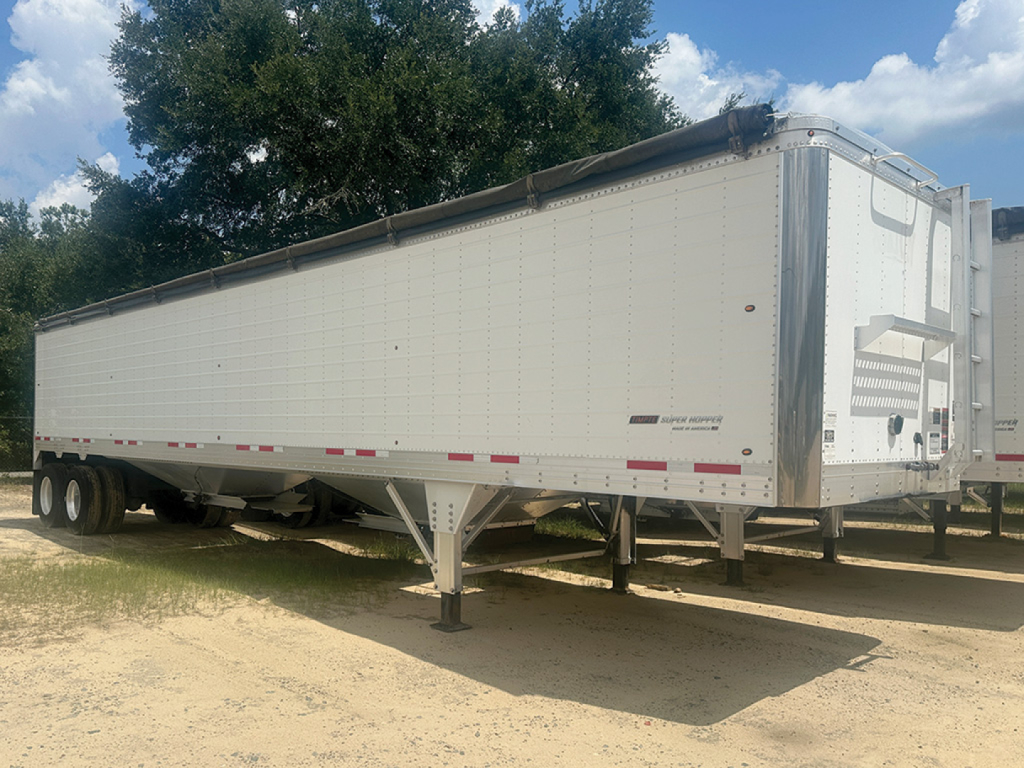
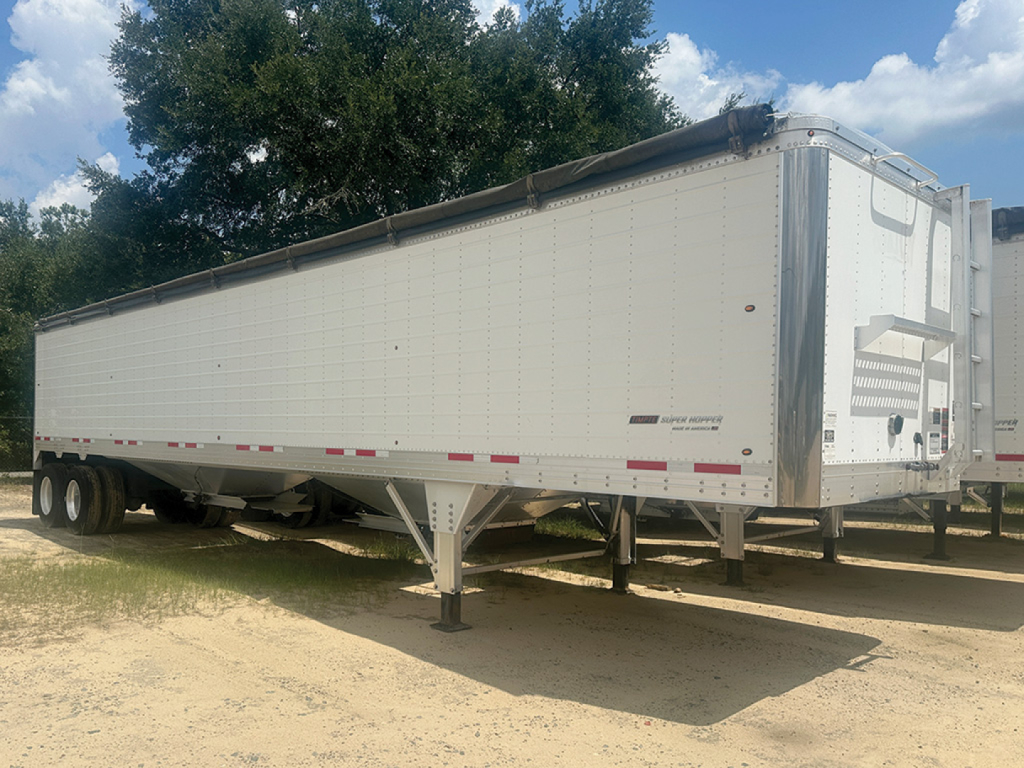
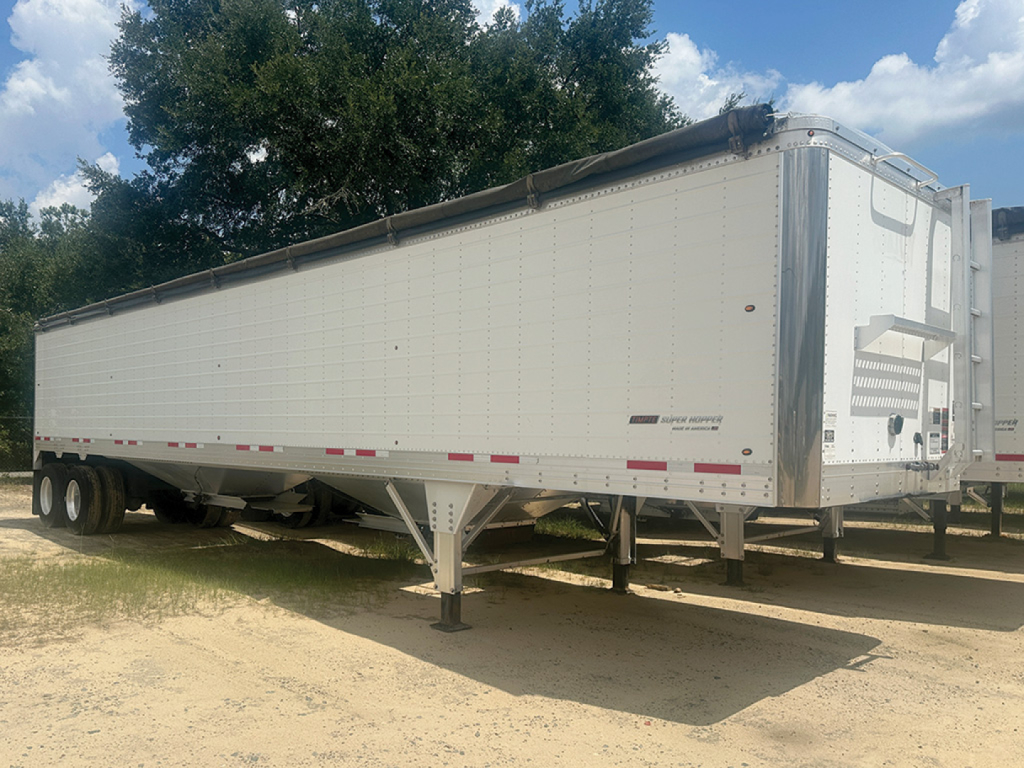
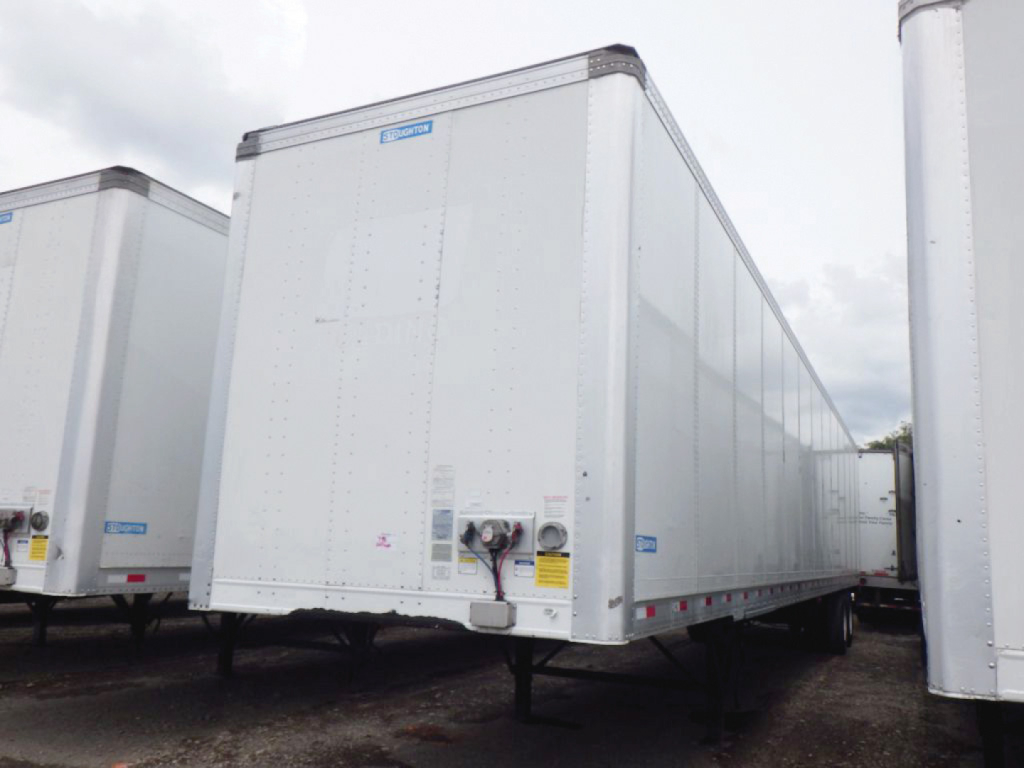
Have 2022 trailer to sell? List it here to reach thousands of buyers.
2022 Trailers in Georgia
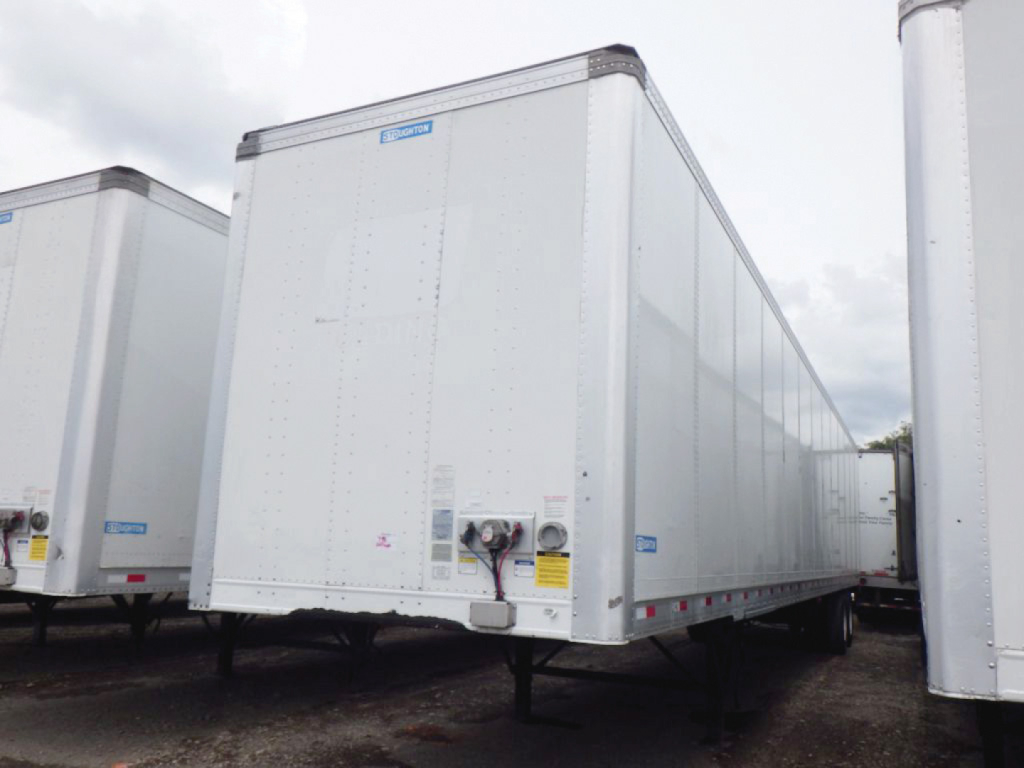
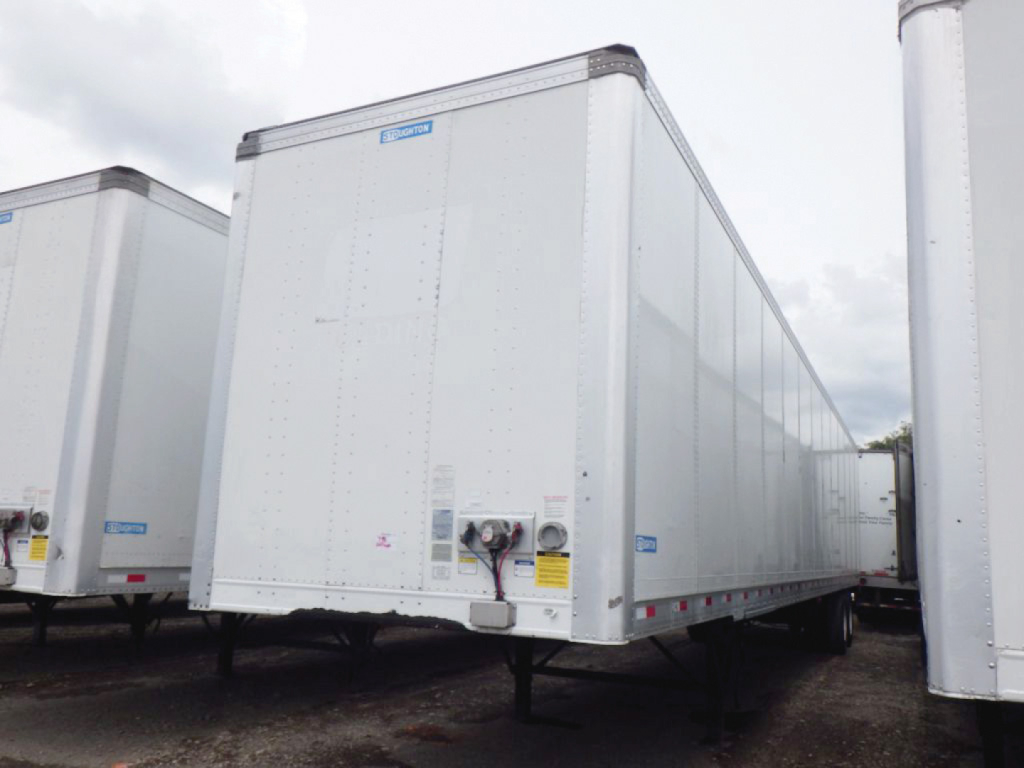
The first buying decision is usually trailer type. A 2022 dry van, also known as an enclosed van trailer, is the standard choice for palletized general freight and high cube loads. Buyers should pay attention to body construction, roof condition, rear frame integrity, floor wear, swing or roll door operation, and suspension spec. Common configurations include 53-foot length, 102-inch width, air ride suspension, sliding tandems, and 22.5 low-pro tires. Composite sidewalls, aluminum roofs, scuff liners, logistic posts, and duct floors can all affect durability and how well the trailer fits contract freight. If the trailer will be dropped frequently, landing gear condition, crossmember health, and tandem slide operation matter as much as cosmetic appearance.
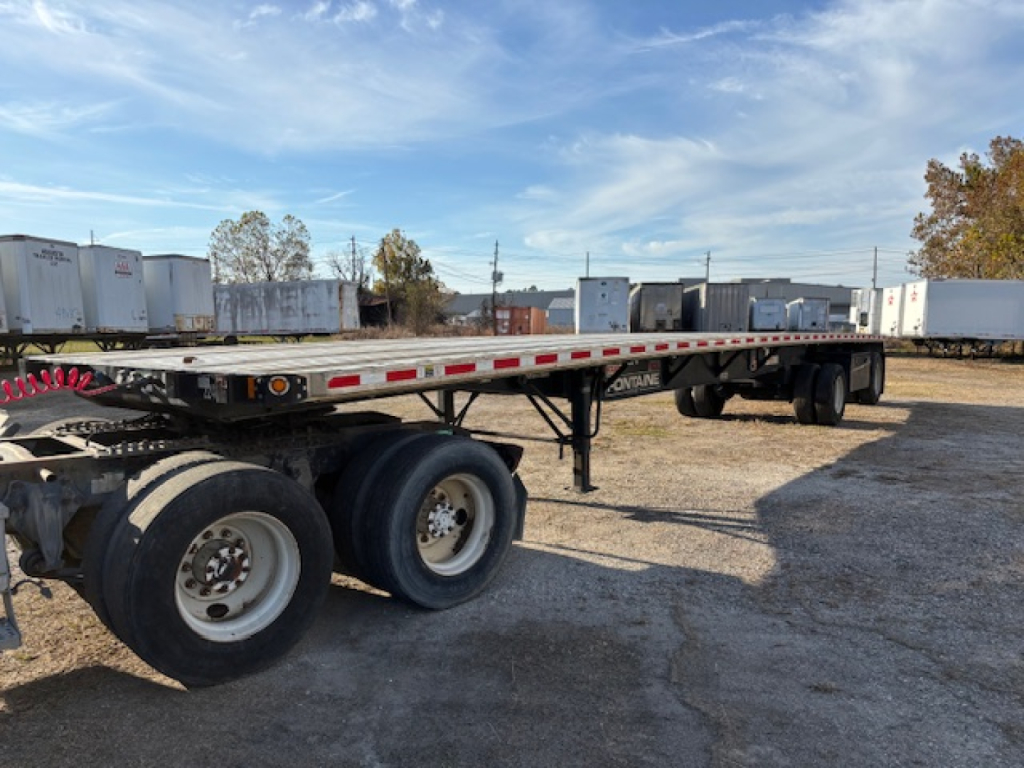
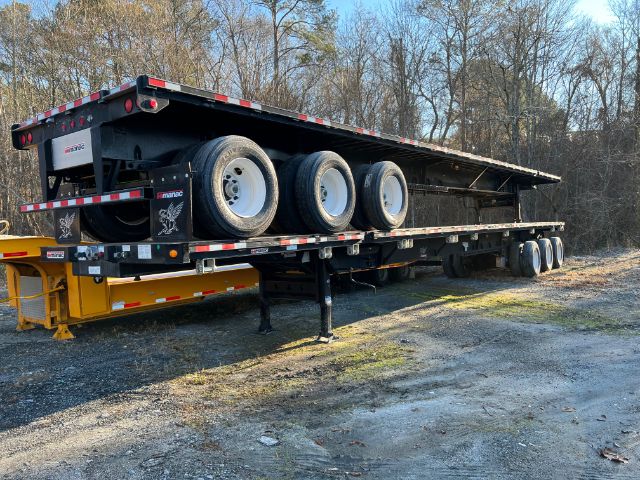
For temperature-controlled freight, a 2022 reefer trailer brings another layer of inspection. Unit hours, engine hours, service history, fuel tank condition, evaporator performance, chute condition, door seal integrity, and floor wear should all be reviewed before purchase. Buyers hauling produce, frozen foods, pharmaceuticals, or mixed-temp freight in Georgia need to think beyond the box itself and evaluate the refrigeration package, insulation performance, and any telematics or tire inflation systems that support uptime. On utility and flatbed-type trailers, deck condition, tire wear pattern, frame straightness, and securement setup become the priority, especially for building materials, machinery, or steel.
Georgia buyers should also factor in route profile, port work, and axle settings. Freight moving in and out of Savannah or dense metro Atlanta lanes may call for a trailer with clean brakes, compliant lighting, sound ABS components, and suspension that tracks well in heavy traffic and frequent dock turns. A 2022 trailer can be a strong fit for fleets standardizing around newer maintenance cycles, while small carriers may see it as a way to add dependable capacity without stepping into a brand-new payment structure. The best purchase is usually the one with the right spec for the freight, clear maintenance history, and visible evidence that the trailer has been maintained at the structural, brake, tire, and suspension level rather than just cleaned up for resale.
Frequently Asked Questions about 2022 Trailers in Georgia
What should I look for first when buying a 2022 used trailer?
Start with the trailer type and the core structural condition. On a 2022 trailer, buyers typically expect relatively modern specs, so the priority is confirming the frame, crossmembers, floor, roof, rear frame, suspension, brakes, and tires are in solid operating condition. After that, look at application-specific items such as reefer unit hours, duct floor condition, scuff liners, logistic posts, tandem slide operation, and door seals. A newer model year does not replace the need for a full inspection, especially if the trailer has been in high-mile fleet service.
Is a 2022 trailer a good value compared with a new trailer?
For many buyers, yes. A 2022 trailer often delivers a newer design, current running gear, and better remaining service life than older equipment, but at a lower acquisition cost than new. That can improve total cost of ownership if the trailer has documented maintenance and has not suffered heavy structural wear. The savings only hold if the suspension, brakes, tires, floor, and major components do not need immediate reconditioning, so condition still matters more than model year alone.
What trailer specs matter most for freight in Georgia?
In Georgia, 53-foot length, 102-inch width, air ride suspension, sliding tandems, and road-ready brake and tire condition are common priorities because they fit a broad mix of regional and long-haul freight. Buyers working port, warehouse, and distribution lanes should pay attention to tandem adjustability, landing gear condition, door operation, and dock-friendly floor condition. Reefer buyers should also verify refrigeration performance in hot-weather operation, since Southeast temperatures can expose weak insulation, poor seals, or marginal unit performance quickly.
How many years of service can I expect from a 2022 trailer?
Service life depends more on application, maintenance, and build quality than on age alone, but a properly maintained 2022 trailer should still have substantial usable life remaining. Dry vans and reefers in disciplined fleet service can stay productive for many years if floors, roofs, rear frames, suspensions, and brake systems are kept up. The best indicator is not the calendar year by itself but the trailer's maintenance records, wear pattern, and evidence of previous repairs.
Are dry van, reefer, and utility trailers inspected differently?
Yes. A dry van inspection focuses heavily on the box, floor, doors, roof, suspension, brakes, and tandem system. A reefer inspection includes all of that plus reefer unit hours, temperature performance, fuel system condition, insulation integrity, chute condition, and door seal quality. A utility trailer or flatbed inspection shifts attention toward frame straightness, deck condition, tie-down points, axle alignment, and overall securement readiness. The inspection should match the freight the trailer is expected to handle.