
2022 Reefer Trailers For Sale in Georgia
Shop 2022 reefer trailers for sale in Georgia. Compare 53-foot refrigerated trailers, reefer units, multi-temp options, and fleet-ready specs.
Learn more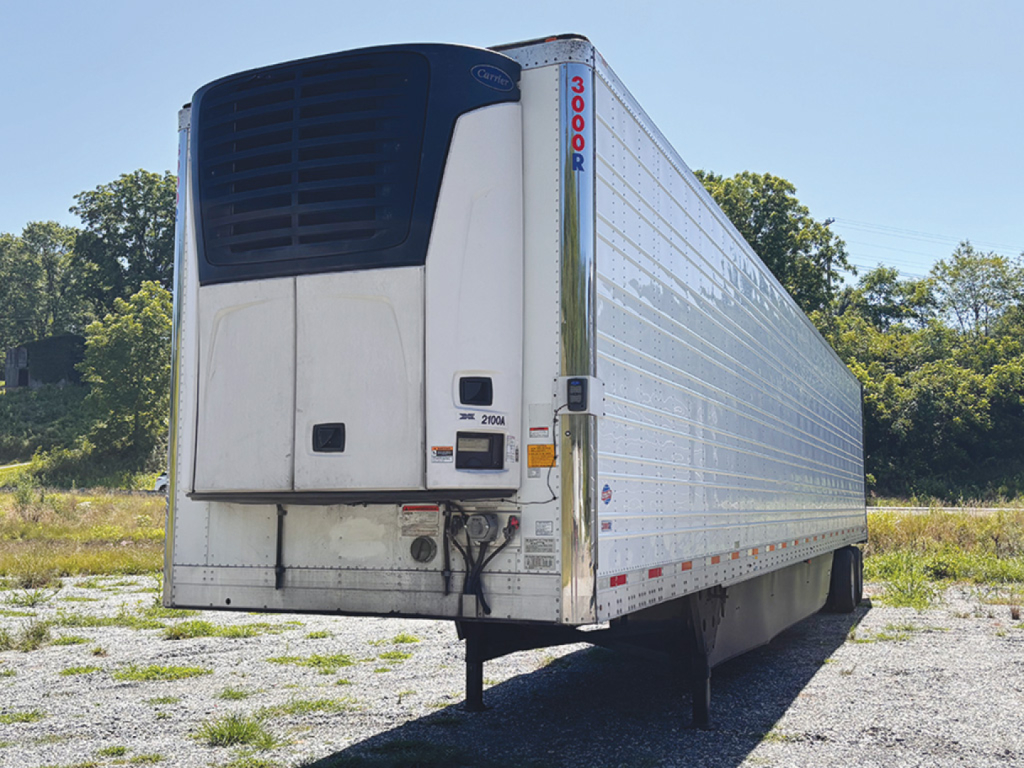
Have 2022 reefer trailer to sell? List it here to reach thousands of buyers.
About 2022 Reefer Trailers in Georgia
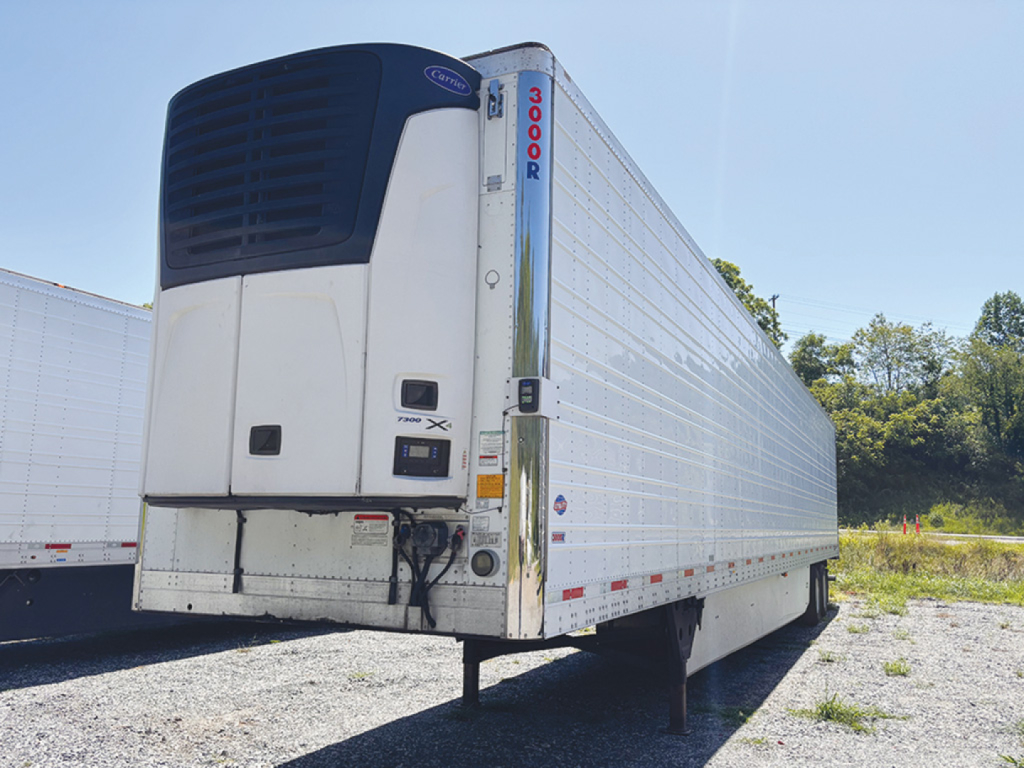
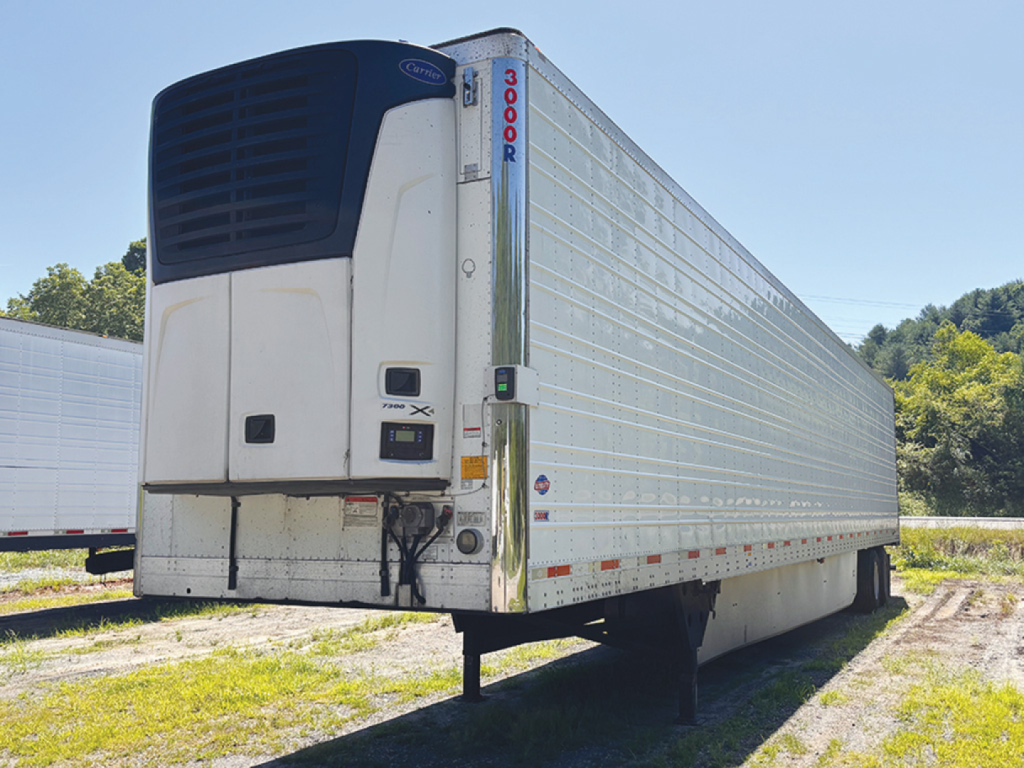
The refrigeration unit matters as much as the trailer body. Common setups include Carrier Vector and Thermo King units, with single-temp and multi-temp configurations available depending on freight mix. Multi-temp reefers are especially useful for distributors running mixed frozen and chilled loads on one route. Buyers should look closely at unit hours, maintenance records, fuel type, evaporator configuration, return air performance, and whether the trailer has been used in long-haul truckload service or high-cycle grocery delivery. A 2022 model may also offer telematics compatibility, electric standby options on some specs, and better compliance with fleet temperature monitoring requirements.
Trailer spec is critical because reefer work is hard on floors, doors, and interior walls. Aluminum flat floors are common, but floor condition, crossmember integrity, and signs of moisture intrusion deserve close inspection. Scuff liners or scuff plates, E-track, stainless steel rear door frames, and roll-up or swing doors all affect how the trailer fits your operation. Sliding tandems remain standard for axle compliance and dock flexibility, while disc brakes, tire inflation systems, side skirts, and low-profile 22.5 tires are common features on fleet-oriented trailers from major builders such as Wabash, Great Dane, Utility, and Hyundai Translead.
For Georgia buyers, reefer trailer selection often comes down to lane profile and refrigeration demand. Produce movements, regional grocery distribution, poultry, frozen foods, and Southeast heat all put pressure on cooling performance and door-seal condition. A late-model 2022 reefer trailer can be a practical choice for carriers running from Atlanta into Florida, the Carolinas, or Texas where ambient temperatures stay high and uptime matters. Focus on reefer unit service history, body condition, insulation integrity, suspension type, and door configuration first. Those details usually matter more than cosmetics on a refrigerated trailer.
Frequently Asked Questions
What should I check first on a 2022 reefer trailer?
Start with the refrigeration unit hours, service history, and temperature performance. Then inspect the trailer body for insulation damage, floor wear, door seal condition, and any signs of water intrusion. On a reefer, the cooling system and trailer box condition determine operating value more than appearance. A clean late-model trailer can still become expensive quickly if the unit has high hours, deferred maintenance, or poor temperature pull-down performance.
Are 2022 reefer trailers usually single-temp or multi-temp?
Most 2022 reefer trailers on the market are single-temp, but multi-temp units are also common in grocery and foodservice applications. A single-temp trailer is simpler and usually easier to maintain if you haul one commodity class at a consistent setpoint. A multi-temp reefer adds flexibility for mixed loads but also adds complexity through bulkheads, extra evaporators, and additional refrigeration controls. The right choice depends on your freight mix and stop count.
What are common specs on a 2022 refrigerated trailer?
A typical 2022 refrigerated trailer is 53 feet long, 102 inches wide, and 13 feet 6 inches high. Common features include an aluminum floor, scuff liners, E-track, stainless rear frame components, sliding tandem suspension, aerodynamic side skirts, and 22.5 low-profile tires. Many late-model units also include disc brakes, tire inflation systems, and telematics-ready refrigeration controls. Exact specs vary by manufacturer and fleet application.
Is a 2022 reefer trailer a good fit for Southeast routes in Georgia?
Yes, a 2022 reefer trailer is generally well suited for Georgia and broader Southeast operations because it is new enough to offer strong temperature control, modern insulation, and fleet-friendly equipment options. That matters in hot and humid conditions where refrigeration systems work harder and door openings can quickly affect cargo temperature. Buyers running produce, poultry, frozen food, or grocery freight should pay special attention to unit performance under high ambient temperatures and to the condition of door seals and interior lining.
Which brands are common in late-model reefer trailers?
Wabash, Great Dane, Utility, and Hyundai Translead are among the most common manufacturers in the late-model reefer market. Buyers often compare these brands based on body construction, floor durability, insulation performance, parts support, and resale value. The refrigeration unit brand is just as important, with Thermo King and Carrier dominating most fleet specs. In practice, maintenance history and actual trailer condition are usually more important than badge preference alone.