
2019 Trailers For Sale in New York
Browse 2019 trailers for sale in New York, including dry vans and reefers with common specs, axle setups, suspension types, and cargo features.
Learn more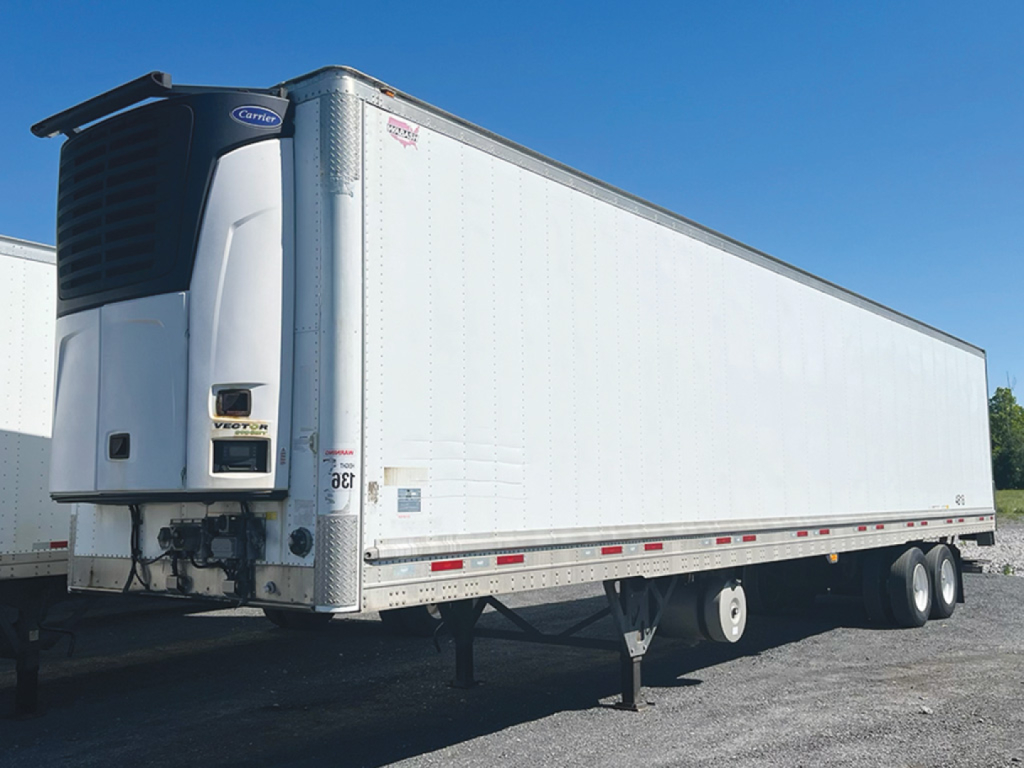

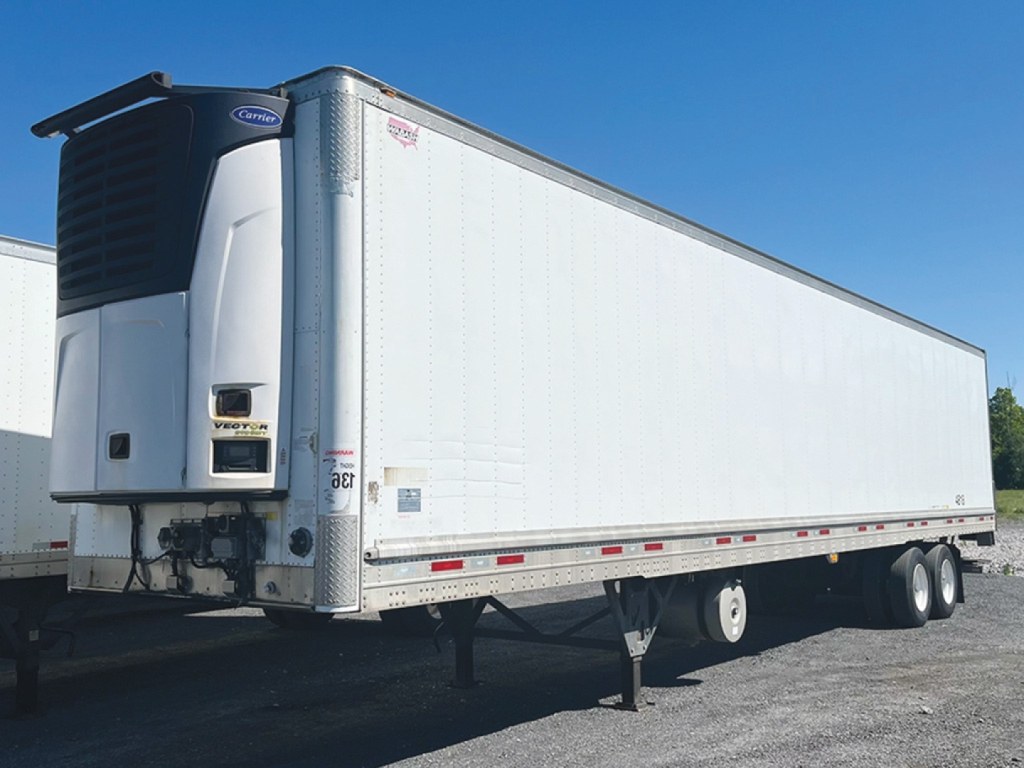
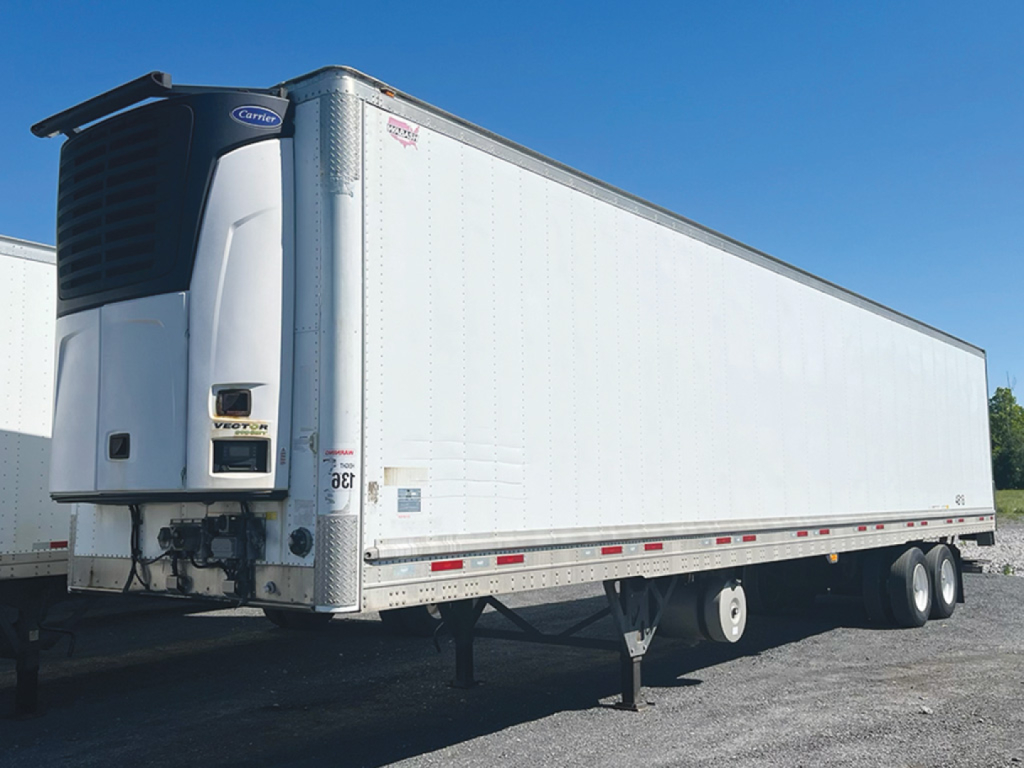
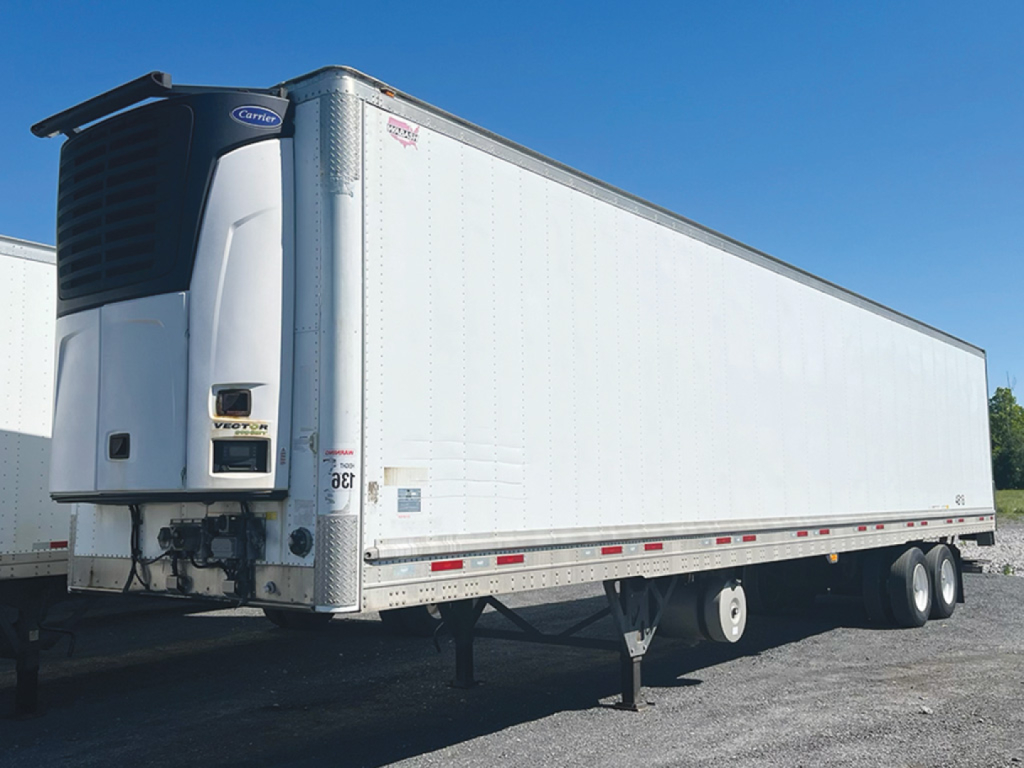
Showing 1 to 24 of 25 results
Have 2019 trailer to sell? List it here to reach thousands of buyers.
About 2019 Trailers in New York
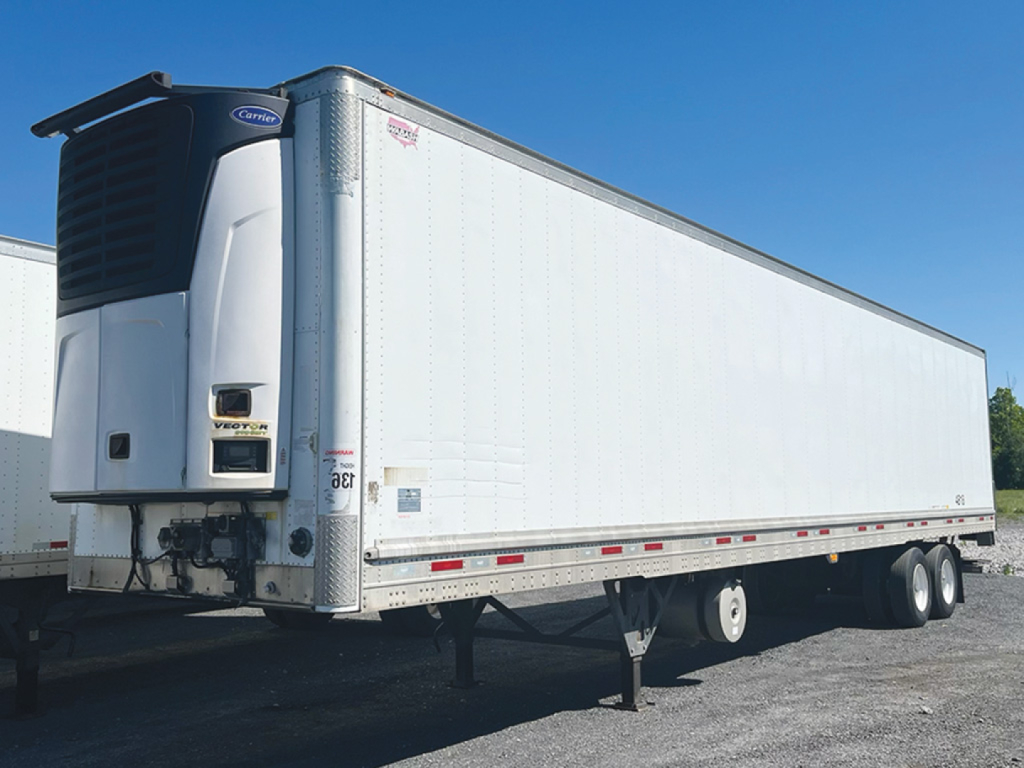
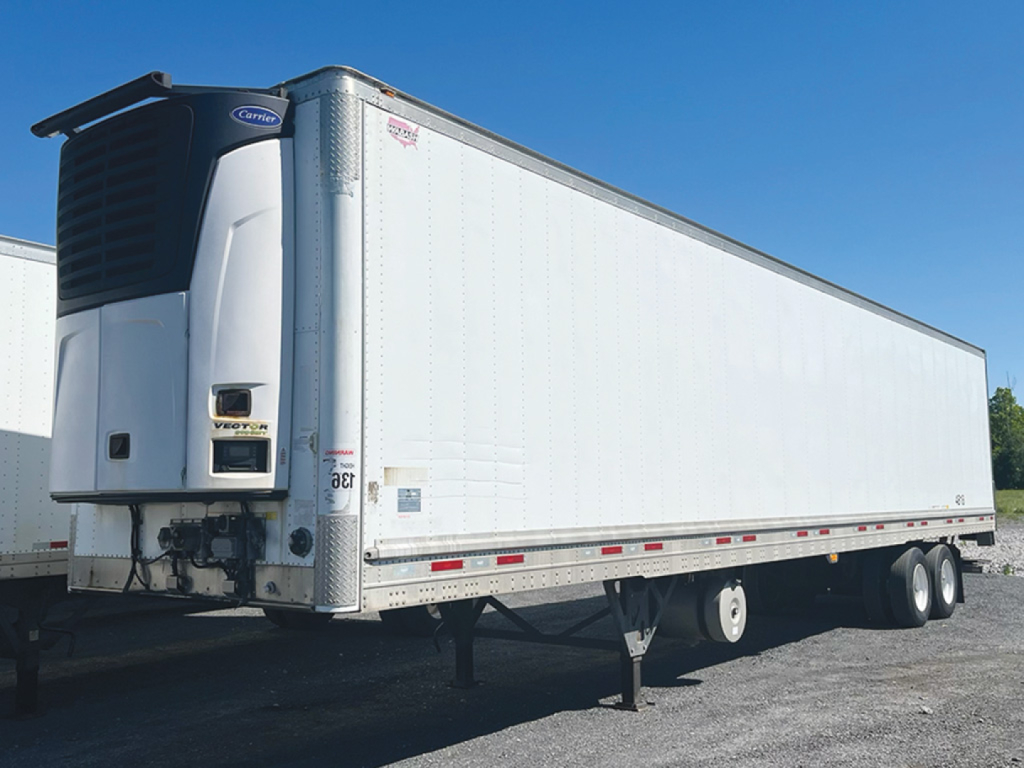
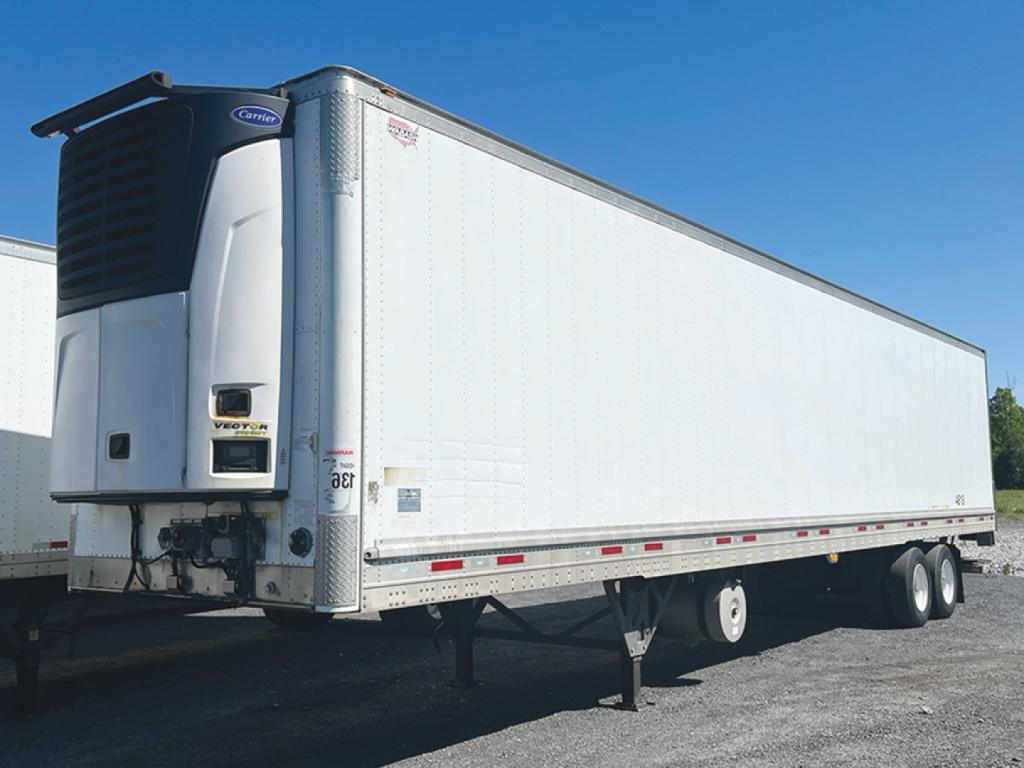
The biggest buying decision is usually trailer type. In this year group, dry van trailers remain the standard choice for general freight, palletized consumer goods, retail distribution, and protected dock-to-dock hauling. Reefer trailers add temperature control for food, beverage, and other sensitive freight, and buyers should pay close attention to the refrigeration unit model, operating hours, interior condition, floor wear, and door seal integrity. Common dimensions still center on 48-foot and 53-foot lengths, 102-inch width, and overall height near 13 feet 6 inches, with inside height, door opening, and floor construction making a real difference for cube, loading speed, and forklift traffic.
Spec details matter more than the model year alone. Sliding tandems are common and give flexibility for bridge law compliance and dock positioning. Suspension may be air ride or spring ride, with air ride generally preferred for ride quality and freight protection. Brake spec is another key checkpoint, since many buyers specifically look for disc brakes for easier serviceability and stronger stopping performance, while drum brake trailers still remain common and familiar in mixed fleets. On van and reefer trailers, buyers should also look for features like scuff liners, E-track, logistics posts, translucent roofs, curbside doors, liftgates, stainless rear frames, and low-profile 22.5 tires, depending on the freight profile.
A good 2019 trailer should be evaluated on structure and maintenance history first, then on configuration. Check crossmembers, landing gear, floor condition, roof integrity, rear frame, suspension wear points, axle alignment, and tire condition. On reefer units, inspect the bulkhead, insulation integrity, evaporator area, and unit service records. In a market like New York, corrosion exposure, stop-and-go use, and dock damage can matter as much as mileage equivalents. Buyers comparing multiple 2019 trailers should focus on how the trailer was spec'd for its prior application, because the right tandem setting, door style, flooring, and interior cargo control package will affect day-to-day profitability more than the badge on the nose.
Frequently Asked Questions
What should I look for when buying a 2019 trailer?
Start with the trailer’s structure, running gear, and spec sheet. Check the frame, crossmembers, floor, roof, rear frame, suspension, axle alignment, brake condition, and tire wear. A 2019 model can still offer strong value, but condition matters more than age by itself. On vans and reefers, the door openings, interior width and height, tandem setup, and cargo control equipment should match the freight you plan to haul.
Is a 2019 reefer trailer still a good buy for temperature-controlled freight?
A 2019 reefer can be a strong option if the trailer body and refrigeration unit have been maintained correctly. The key checkpoints are reefer unit hours, service history, return air performance, insulation condition, floor wear, door seals, and any signs of water intrusion or interior damage. Buyers should also verify the unit model, fuel system condition, and whether the trailer has useful delivery specs such as a curbside door or liftgate.
Are 2019 dry van trailers different from older vans in ways that matter?
Yes. Many 2019 dry vans reflect more modern fleet specs, including better aerodynamic packages, wider use of air ride suspensions, tire inflation systems, improved lining and cargo control options, and updated brake configurations. These differences can improve uptime, reduce tire-related downtime, and make the trailer easier to integrate into current fleet operations. The practical benefit depends on how the trailer was originally spec'd and maintained.
What trailer dimensions are most common in 2019 models?
The most common configurations remain 53-foot and 48-foot trailers with a legal width of 102 inches and an overall height around 13 feet 6 inches. Inside height, door height, and floor design vary by application and can change how much usable cube the trailer provides. Buyers moving high-volume freight should pay attention to interior height and door opening dimensions, while buyers handling heavy palletized freight may focus more on floor rating and tare weight.
How important is suspension and brake type on a 2019 trailer?
Suspension and brake specs directly affect maintenance cost, cargo protection, and driver acceptance. Air ride suspension is often preferred for sensitive freight and smoother handling, while spring suspension can be simpler and familiar in certain operations. Disc brakes are increasingly desirable because they typically offer strong stopping performance and easier inspection access, but drum brakes are still common and serviceable. The best choice depends on your routes, maintenance practices, and freight type.