
2018 Trailers For Sale in Texas
Browse 2018 trailers for sale in Texas, including dry vans, reefers, flatbeds, tank trailers, and other commercial trailer types.
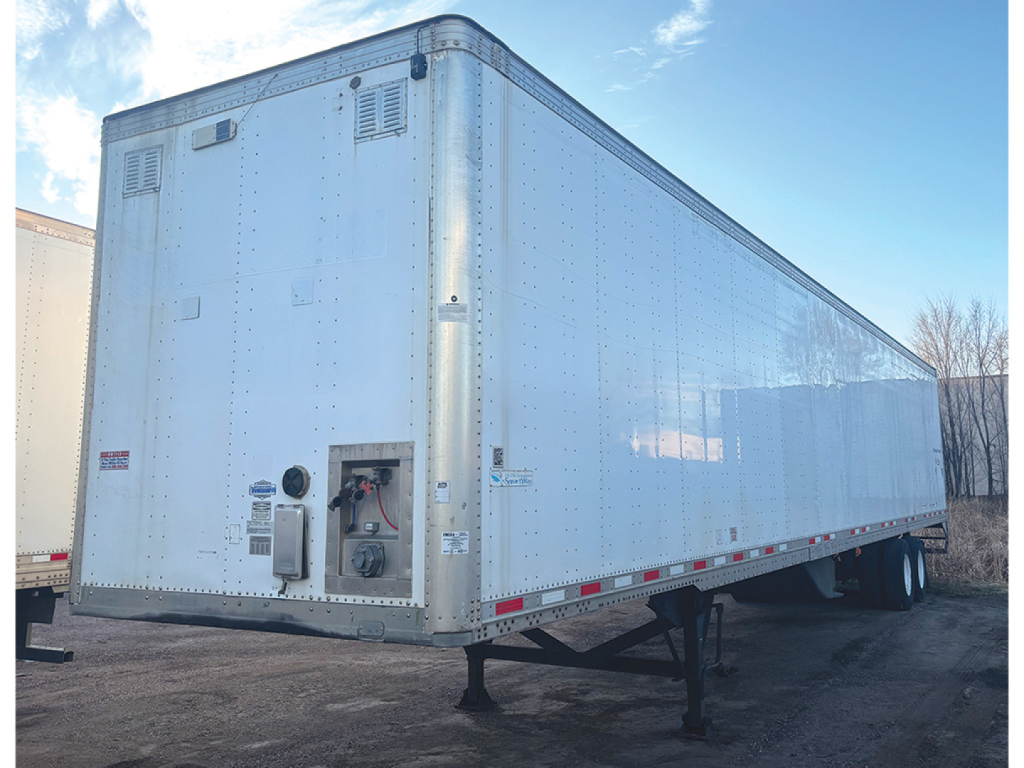
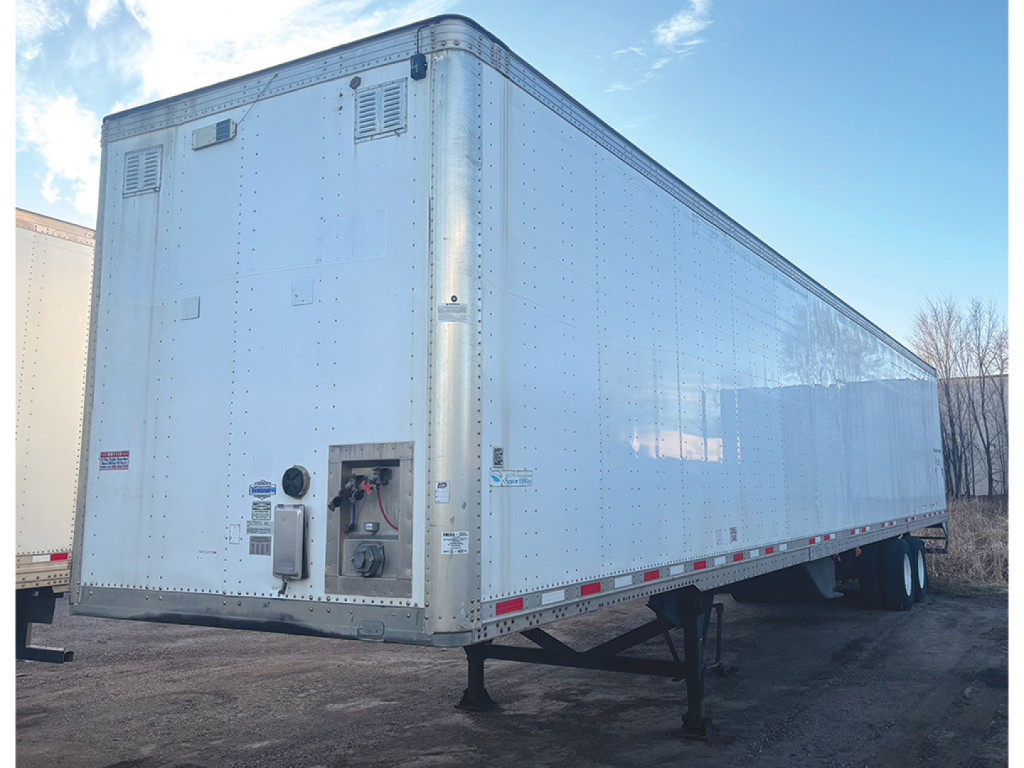
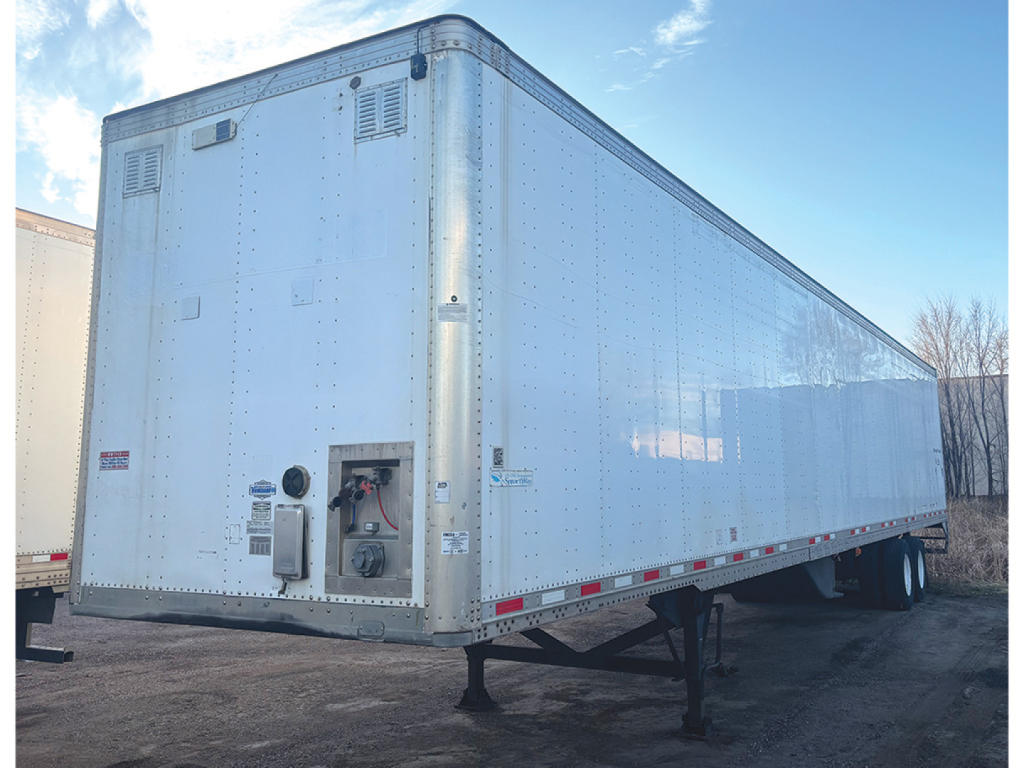
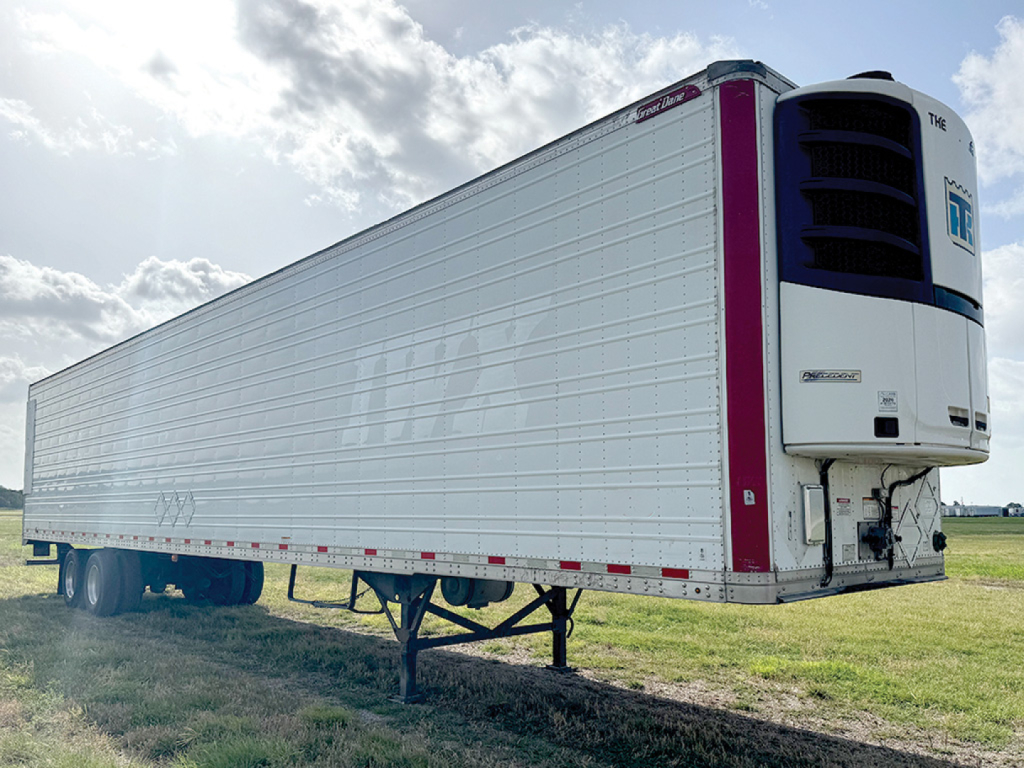

Showing 1 to 24 of 25 results
Have 2018 trailer to sell? List it here to reach thousands of buyers.
2018 Trailers in Texas
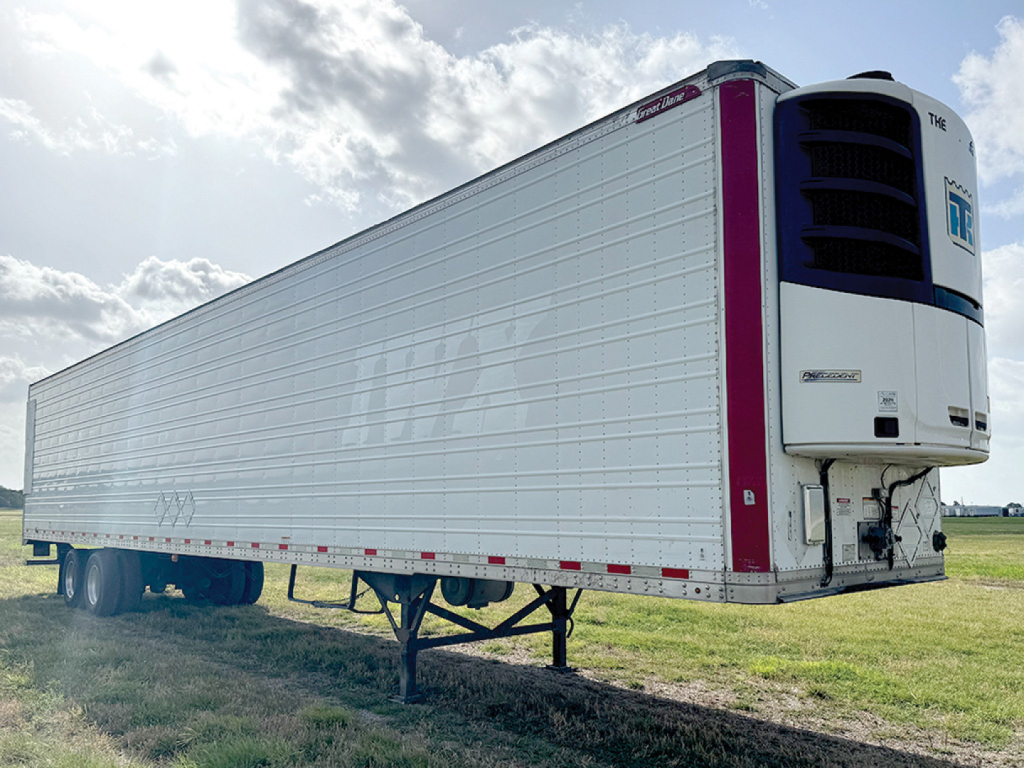
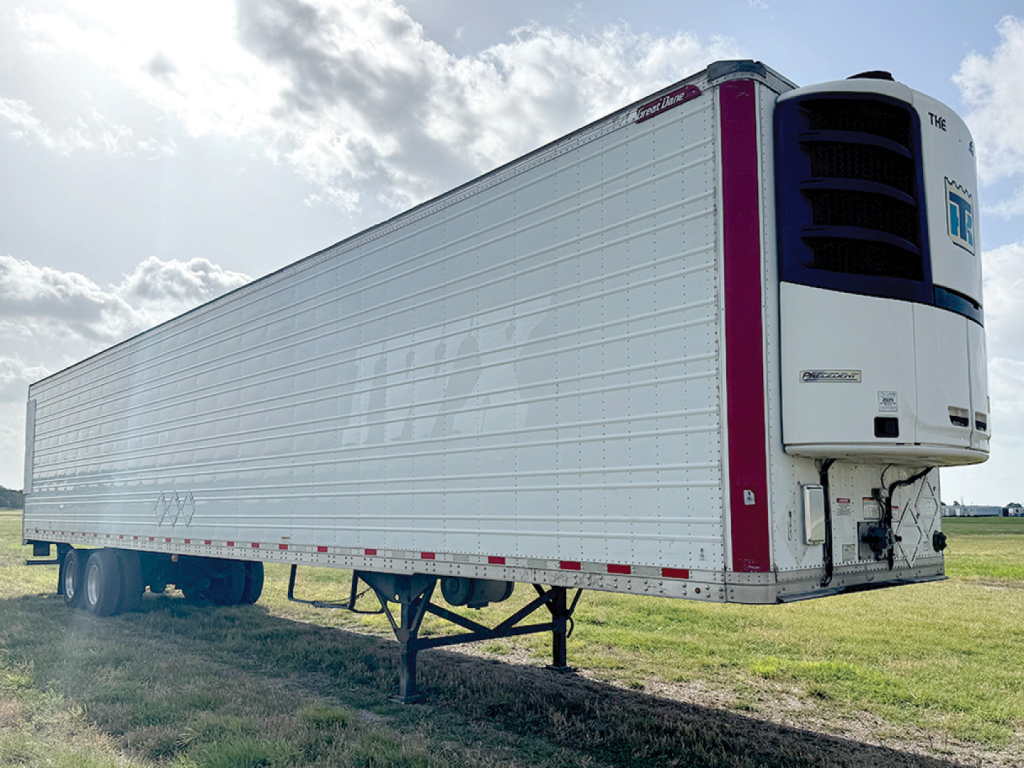
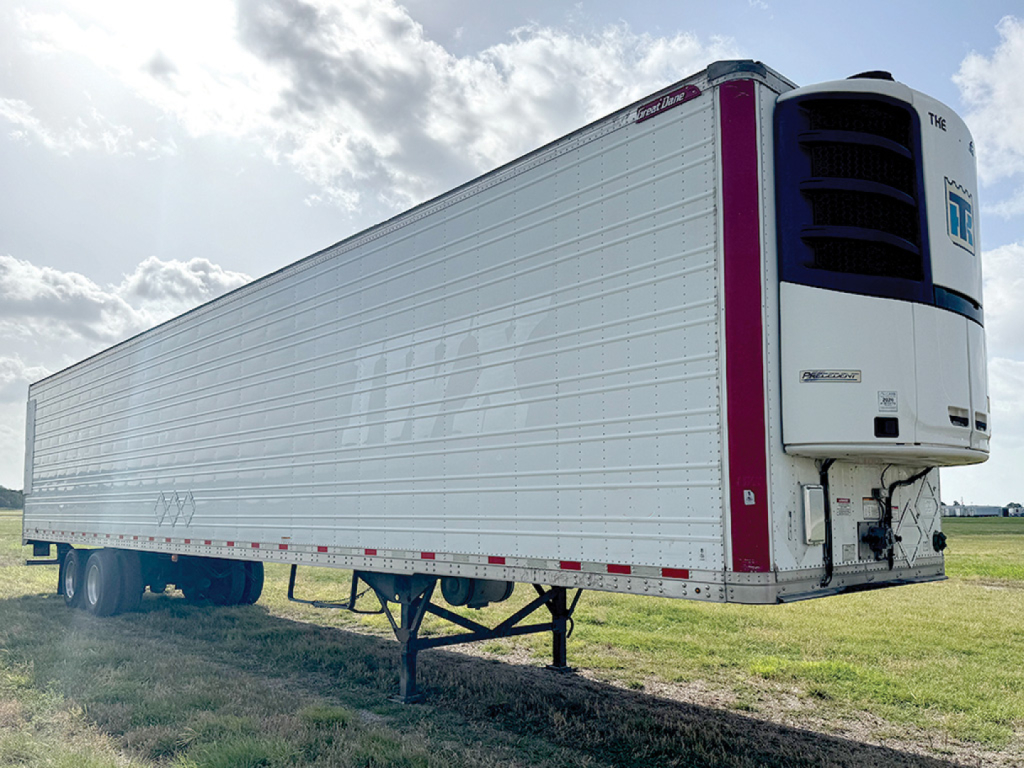
The right 2018 trailer starts with application, not just price. Dry vans in this year range commonly show up as 53-foot by 102-inch units with plywood lining, hardwood or laminated floors, scuff liners, E-track, threshold plates, and logistics-post layouts for general freight. Reefer trailers from 2018 often include duct floors, stainless rear frames, insulated interiors, and Thermo King or Carrier units that are still widely supported for parts and service. Flatbeds and step decks from this era may feature combo steel-aluminum construction, aluminum floors with nailers, standard winch tracks, sliding winches, chain spools, and air ride suspensions designed for mixed commodity work.
Condition matters more than age on a used trailer, especially in Texas where heat, mileage, and loading cycles can expose weak maintenance history fast. Buyers should pay close attention to suspension type, crossmember condition, floor wear, roof repairs, rear frame integrity, tandem slide operation, brake life, tire date codes, wheel-end service records, and ABS function. On reefers, unit hours, maintenance intervals, evaporator condition, and door seal integrity are more important than paint. On vans, look closely at sidewall repairs, door hardware, scuff damage, and signs of forklift impact. On flatbeds, inspect deck condition, winch track wear, bulkhead integrity, and any frame corrosion around concentrated stress points.
Texas buyers also benefit from thinking about lane profile and commodity mix before narrowing down a 2018 trailer. A van set up for retail or palletized freight needs a different interior than one hauling beverage or high-cycle LTL. A reefer for produce and frozen freight should be checked for insulation performance and unit spec, not just body condition. A flatbed working construction, steel, or machinery loads may need coil package capability, forklift kits, or specific kingpin settings to match axle laws and tractor setup. If the trailer is going to run hard in regional service, features like tire inflation systems, air ride, aluminum wheels, and easy-to-source brake and suspension components can have a direct effect on uptime and operating cost.
Frequently Asked Questions about 2018 Trailers in Texas
Is a 2018 trailer a good age for a used commercial trailer purchase?
Yes, a 2018 trailer is often considered a practical middle ground between cost and usable life. Many 2018-model trailers still have modern design features, current brake and ABS systems, and parts availability that remains strong across major manufacturers. The real decision should come down to maintenance history, structural condition, and whether the trailer spec matches your freight rather than the model year alone.
What should I inspect first on a 2018 dry van or reefer trailer?
Start with the structure and running gear. Check the floor, crossmembers, tandem rails, suspension, brakes, tires, wheel ends, rear frame, and roof for repairs or fatigue. On a dry van, inspect the interior lining, scuff liners, doors, and signs of forklift damage. On a reefer, add a full review of reefer unit hours, service records, duct floor condition, insulation performance, and door seal condition because refrigeration problems can quickly outweigh any purchase savings.
What trailer types are common in the 2018 used market in Texas?
Texas commonly sees 2018 dry vans, refrigerated trailers, flatbeds, step decks, tank trailers, and specialty vocational trailers in the used market. Dry vans and reefers are especially common around major freight hubs such as Dallas-Fort Worth, Houston, San Antonio, and Laredo. Flatbeds and tank trailers are also well represented because of construction, energy, industrial, and agricultural demand across the state.
Are 2018 trailer parts still easy to source?
In most cases, yes. Common 2018 trailers use brake, suspension, lighting, hub, wheel-end, and door hardware components that remain widely supported through OEM and aftermarket channels. Reefer units from major suppliers such as Thermo King and Carrier also typically have strong parts and service coverage. Parts access is usually not a problem unless the trailer has uncommon specialty equipment or heavily modified components.
What specs matter most when comparing 2018 trailers for sale in Texas?
Focus on the specs that affect payload, durability, and compatibility with your freight. For vans and reefers, that includes length, width, interior height, door style, lining, floor type, suspension, tandem setup, and tire size. For flatbeds, look at deck length, deck material, axle spacing, winch package, bulkhead, forklift provisions, and composition such as all-steel, aluminum, or combo. For any trailer, confirm kingpin setting, axle rating, and maintenance-related features that will influence legal loading and service costs.