
2018 Trailers For Sale in Georgia
Browse 2018 used trailers in Georgia, including dry vans, reefers, and more. Compare specs, suspension, dimensions, and trailer setup.
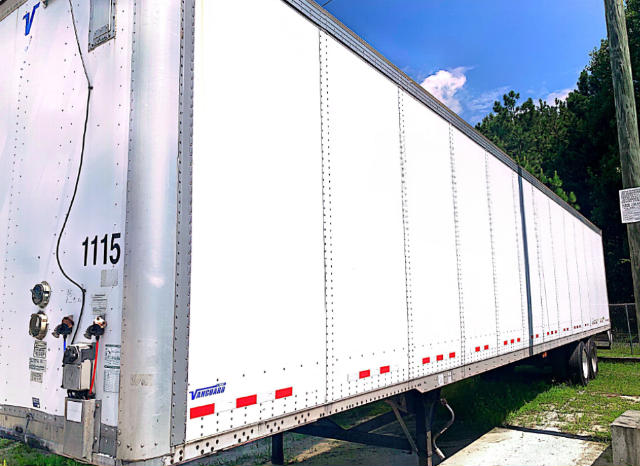
Selling a 2018 trailer? List your 2018 trailer for sale and reach thousands of commercial buyers.
2018 Trailers in Georgia
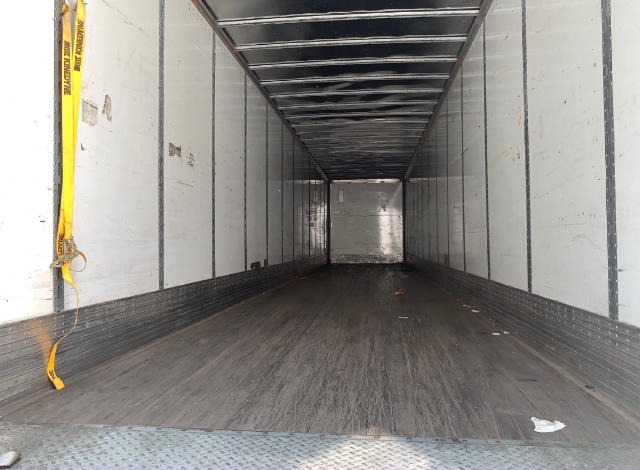
Dry van buyers should pay close attention to interior condition and load-ready specs. Wood floors, aluminum roofs, scuff liners, threshold plates, logistics posts or track, and stainless steel rear frames all affect service life and cargo handling. A 2018 dry van in Georgia may have spent years in high-cycle distribution service, so door seal condition, crossmember integrity, tandem slide operation, and roof repair history are worth checking closely. Tire size, wheel type, brake configuration, and whether the trailer has drum or disc brakes can also influence maintenance cost and uptime.
For 2018 reefer trailers, the refrigeration unit is just as important as the trailer body. Buyers should review unit hours, engine service records, evaporator condition, chute or air delivery setup, floor type, and insulation integrity. Common specs in this class include heavy-duty aluminum duct floors, scuff plates, rear vents, and tire inflation systems. In a Georgia market, reefer trailers often work produce, grocery, and temperature-controlled distribution, so clean interior walls, solid door gaskets, and consistent unit performance under load are more important than appearance alone. Carrier and Thermo King units are common in this age range, and service support can be a deciding factor.
A 2018 trailer is also old enough that prior application matters. Regional drop-and-hook freight, dedicated food service, and over-the-road linehaul all wear trailers differently. Look at landing gear condition, kingpin wear, frame straightness, suspension bushings, brake life, and signs of uneven tire wear that could point to alignment issues. Georgia buyers may also consider DOT compliance, registration history, and how well the trailer spec matches local freight lanes, dock heights, and bridge law requirements. The right 2018 trailer is less about model year alone and more about body condition, maintenance history, and a spec package that fits your freight.
Frequently Asked Questions about 2018 Trailers in Georgia
What should I look for first when buying a 2018 used trailer?
Start with the trailer’s basic structural condition and maintenance history. Check the frame, crossmembers, roof, floor, rear frame, landing gear, suspension, and kingpin area for wear, repairs, or corrosion. Then review tires, brakes, wheel ends, lights, and tandem slider operation. On a 2018 trailer, condition and prior use usually matter more than the badge on the nose because two trailers of the same year can have very different remaining life depending on freight type and maintenance discipline.
Is a 2018 trailer a good age for fleet or owner-operator use?
A 2018 trailer is often a practical middle ground between price and useful life. Many trailers from this model year still have modern fleet specs such as air ride suspension, sliding tandems, logistics posts, and lighter-weight construction, but they are typically priced below newer late-model equipment. Buyers should still budget for wear items such as brakes, tires, door seals, suspension components, and reefer unit service if applicable.
What are common specs on 2018 dry van and reefer trailers?
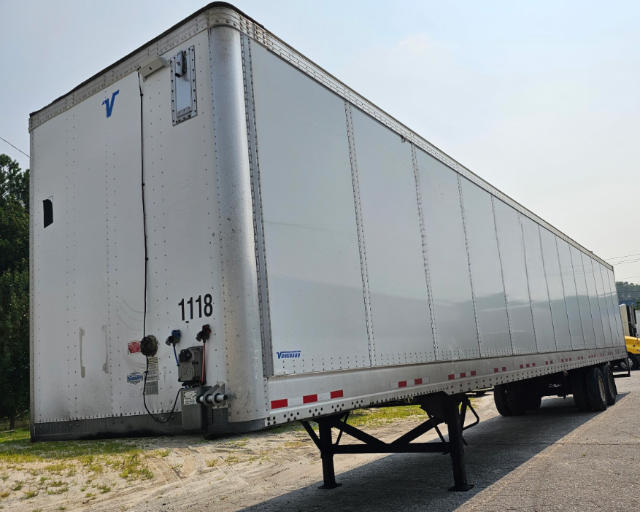
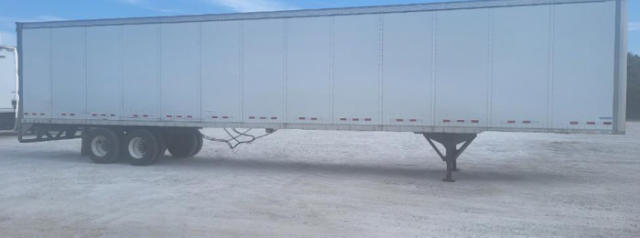
Common 2018 trailer specs include 53-foot length, 102-inch width, 13-foot 6-inch height, air ride suspension, sliding tandem axles, swing doors, and 22.5 low-profile tires. Dry vans often include wood floors, scuff liners, threshold plates, and logistics track or posts. Reefer trailers commonly add insulated bodies, aluminum duct floors, chutes, reefer unit telematics, and tire inflation systems. Exact configuration depends on the original fleet spec and intended freight.
How important is reefer unit history on a 2018 refrigerated trailer?
It is critical. The refrigeration unit can drive a large share of future repair cost, so buyers should verify unit hours, preventive maintenance records, engine service, calibration, and major component replacement history. Inspect the evaporator, condenser, bulkhead, floor channels, interior lining, and door seals as well. A clean trailer body does not guarantee strong temperature performance, and a reefer with weak service history can quickly become expensive.
Are Georgia buyers looking for anything specific in a used 2018 trailer?
Georgia buyers often prioritize versatile specs that work across port freight, warehouse distribution, grocery, and regional truckload lanes. That usually means 53-foot trailers with sliding tandems, dock-compatible ride height, and dependable brake and suspension systems. In this market, buyers also pay attention to corrosion resistance, roof and floor condition, and overall compliance readiness because trailers may move between local shuttle work and interstate service.