
2017 Trailers For Sale in Pennsylvania
Browse 2017 trailers for sale in Pennsylvania, including flatbed, van, and specialty trailer options with practical specs buyers compare most.
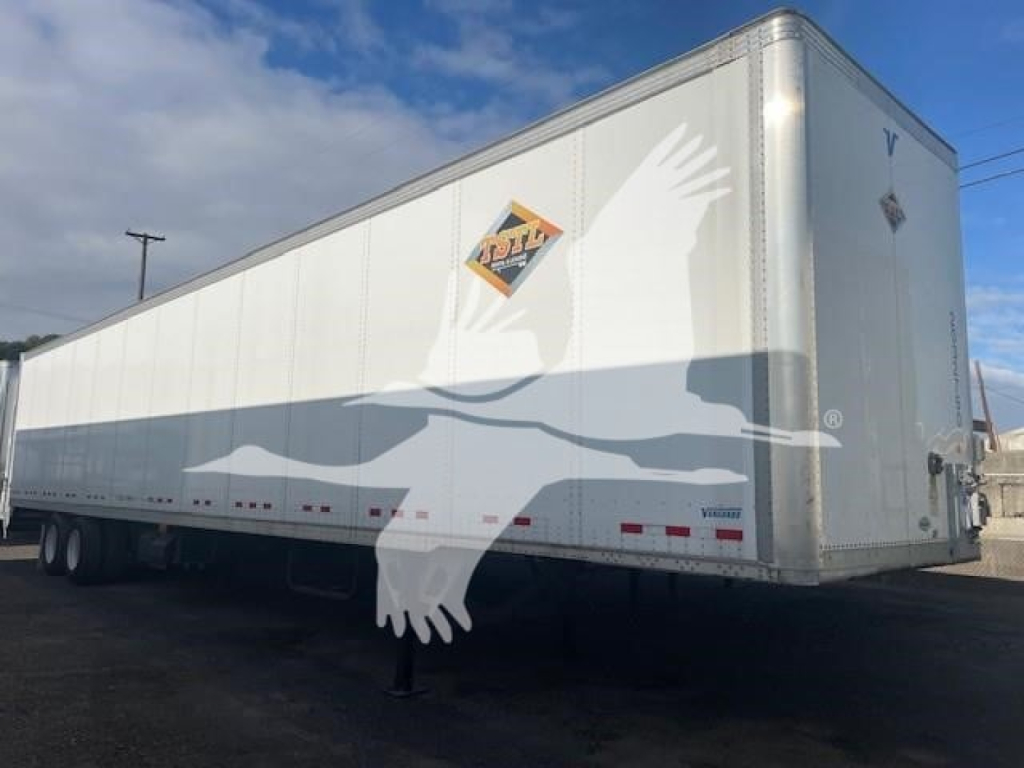
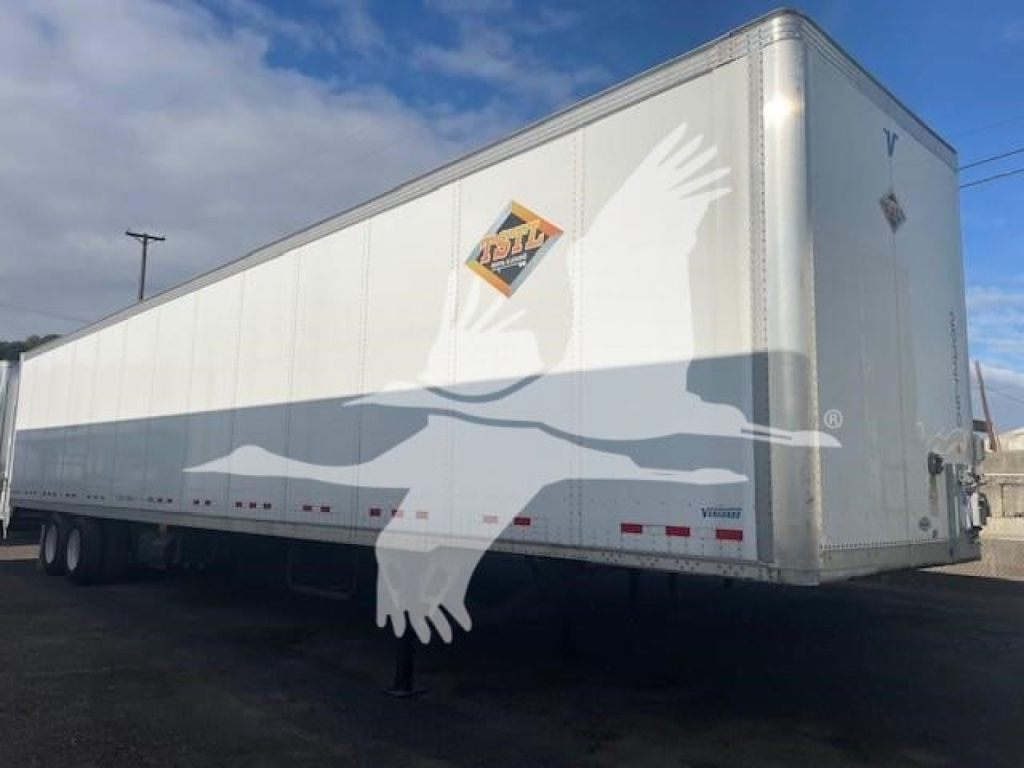
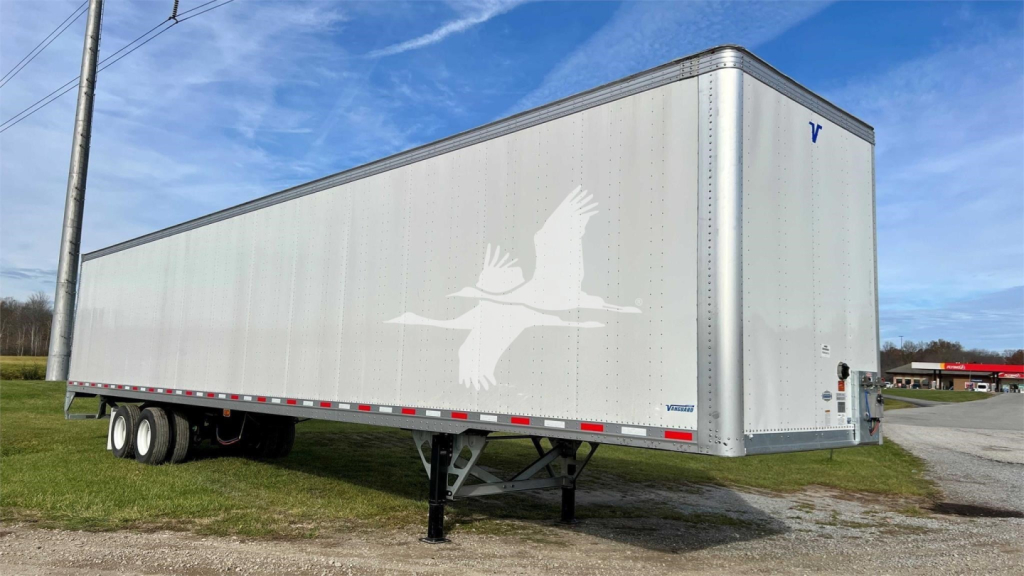
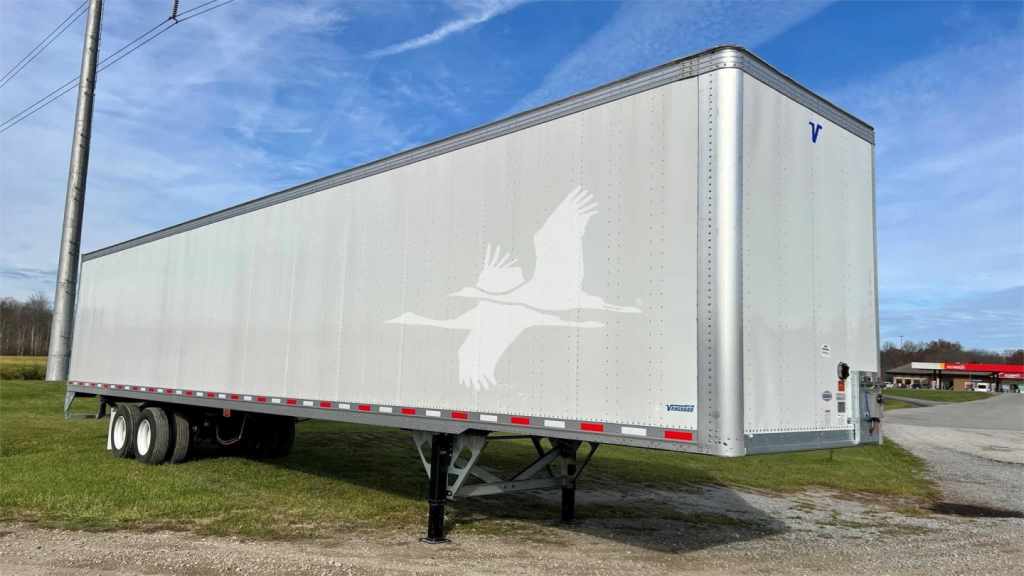
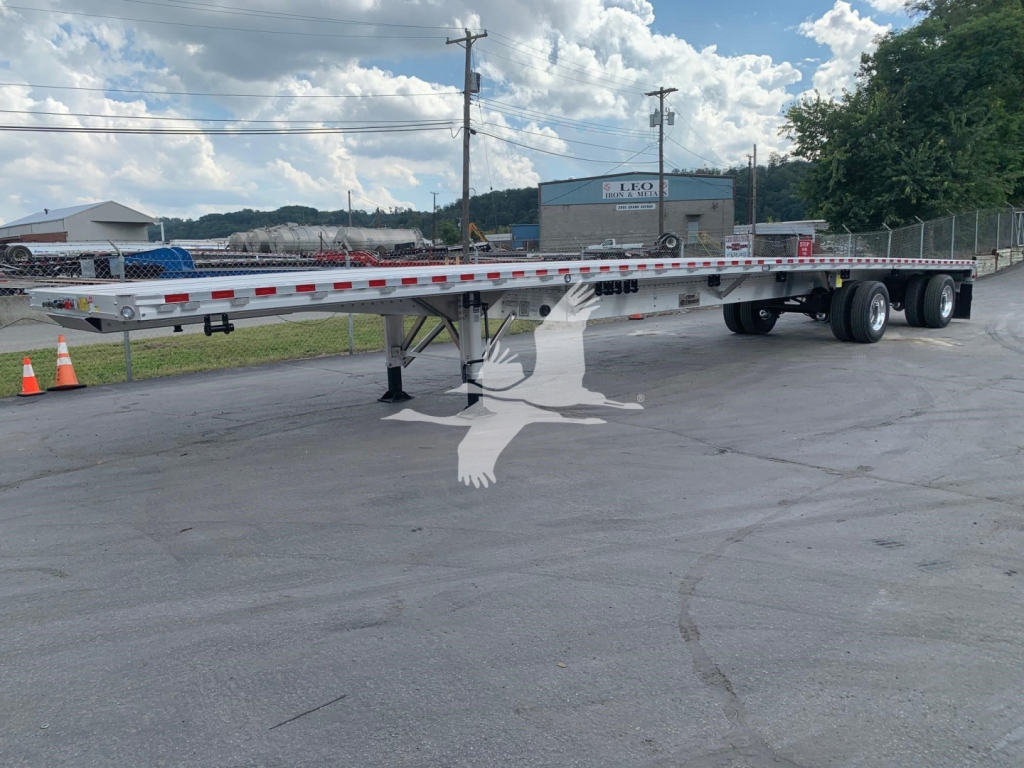
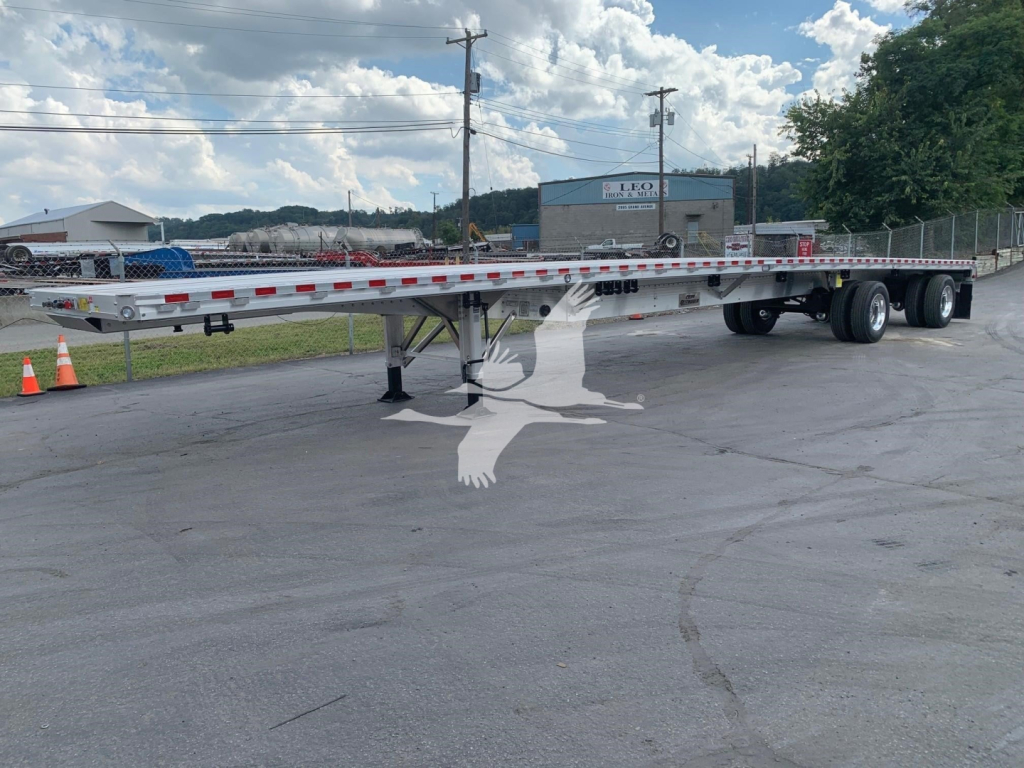
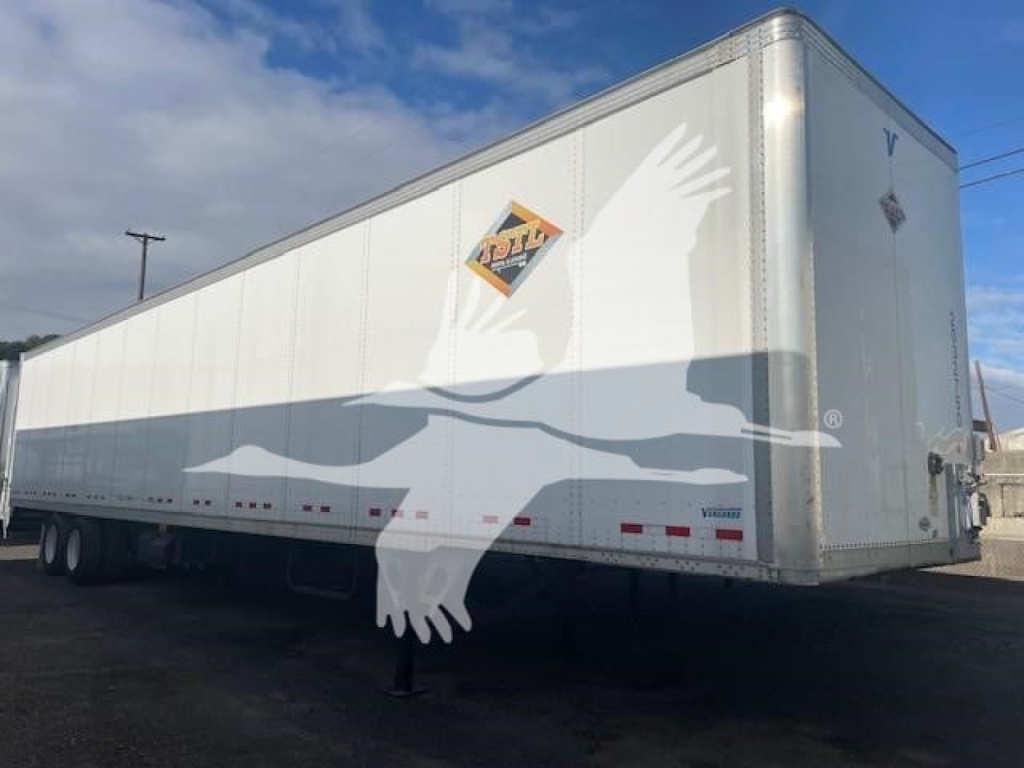
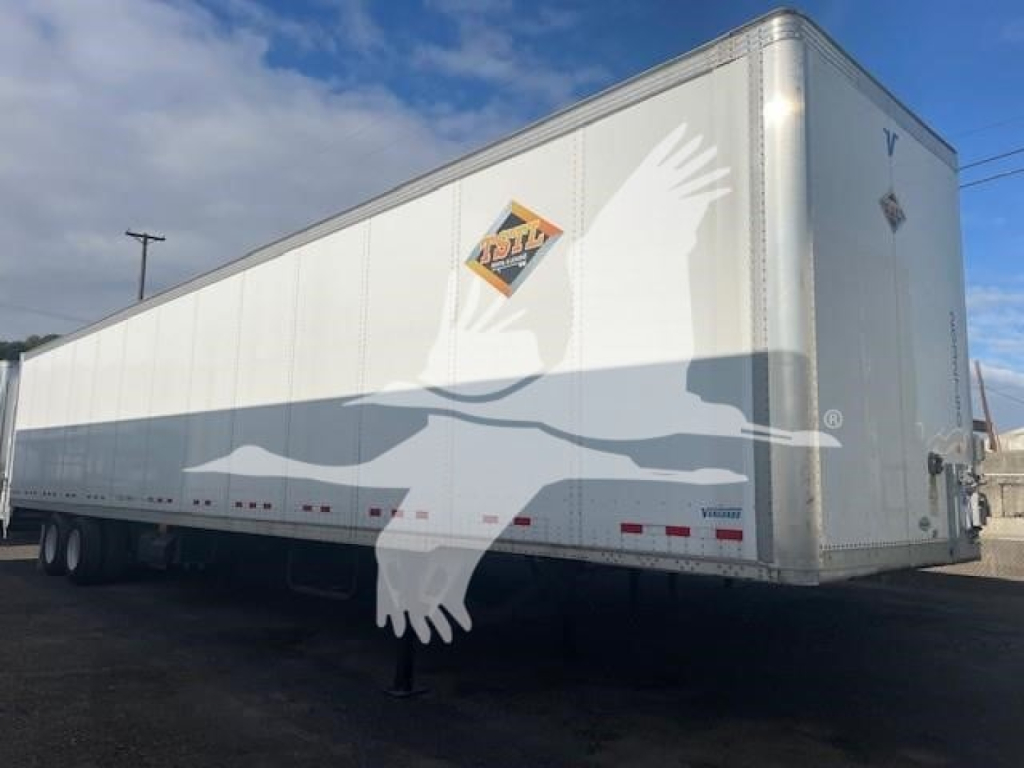
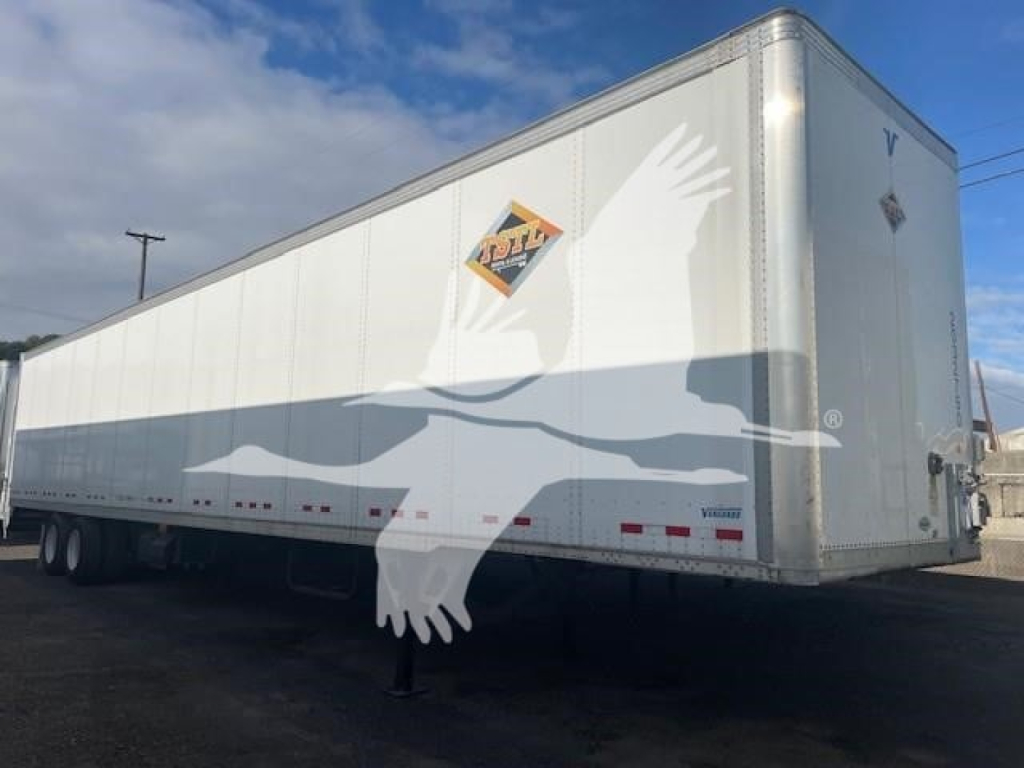
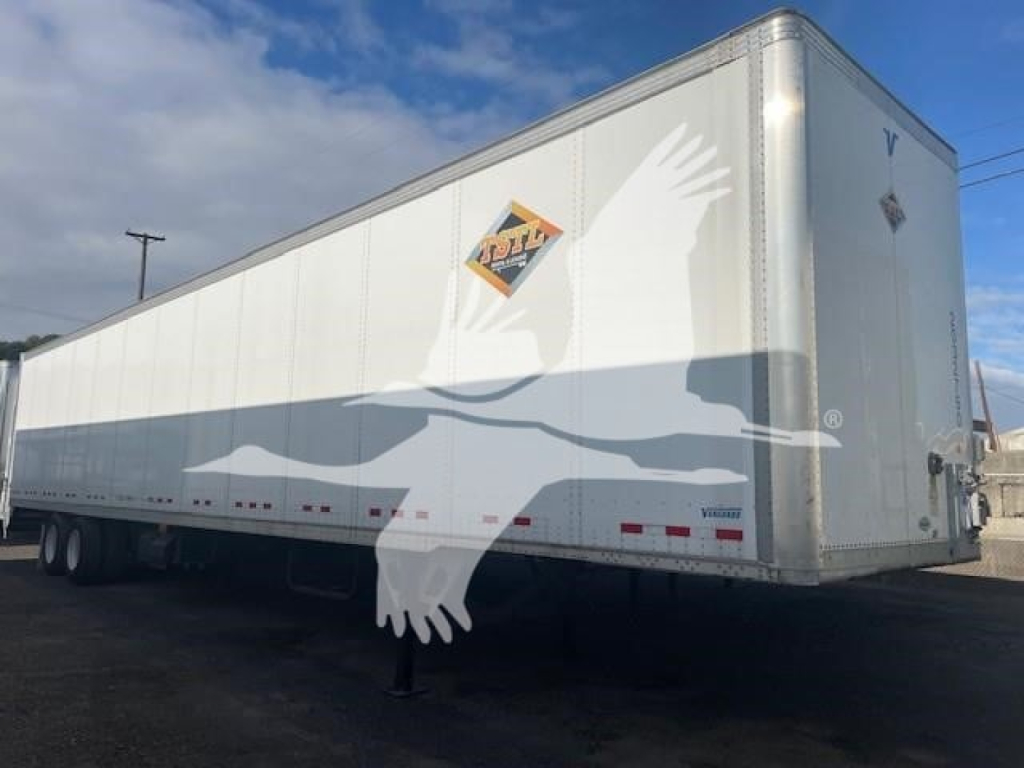
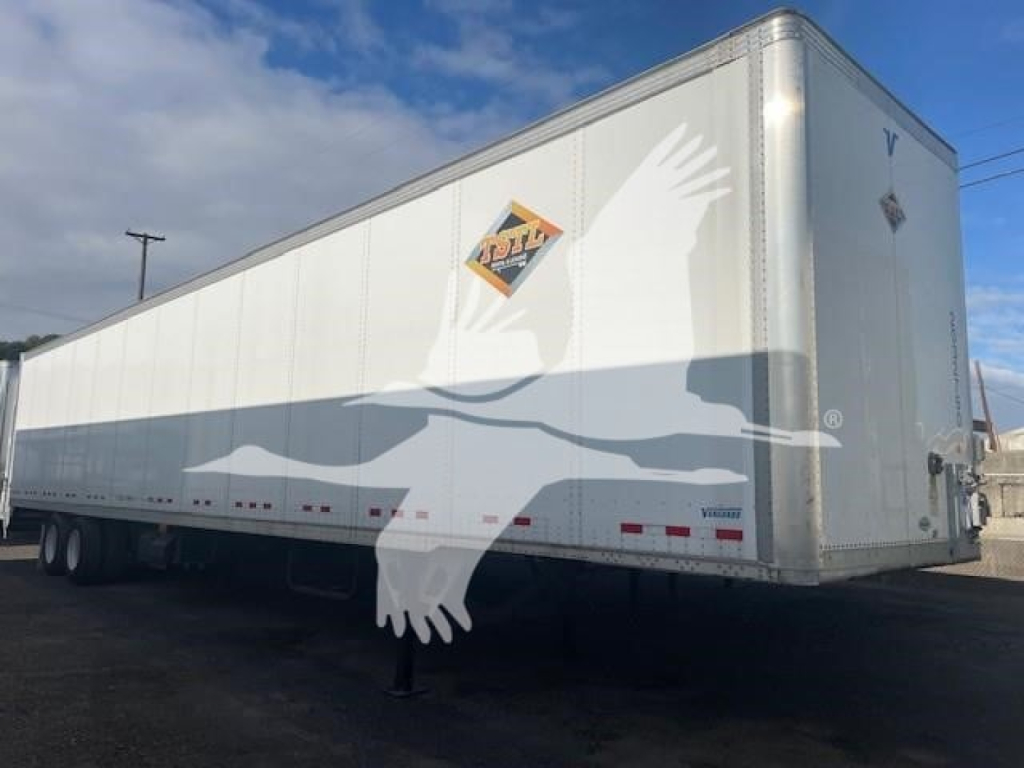
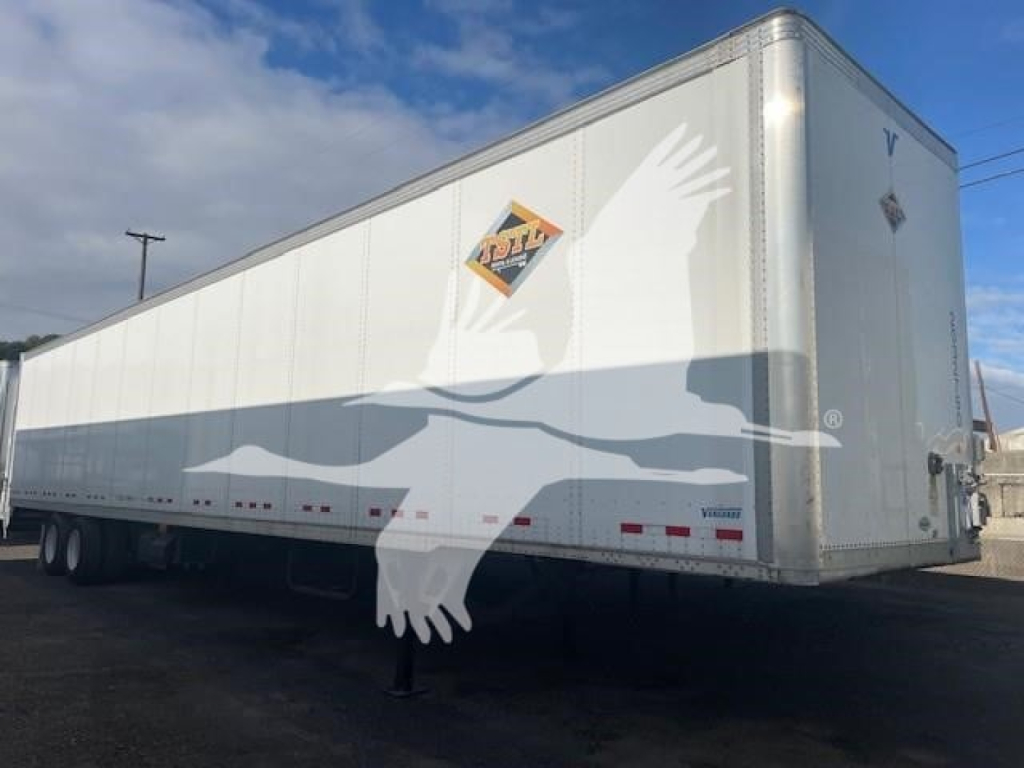
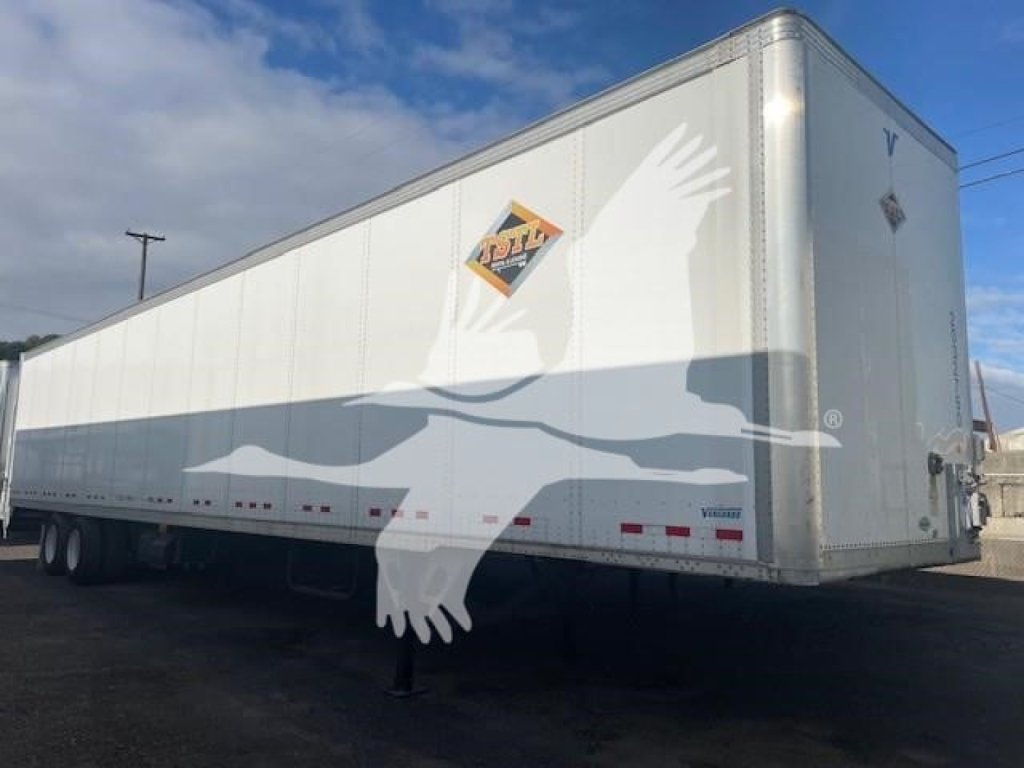
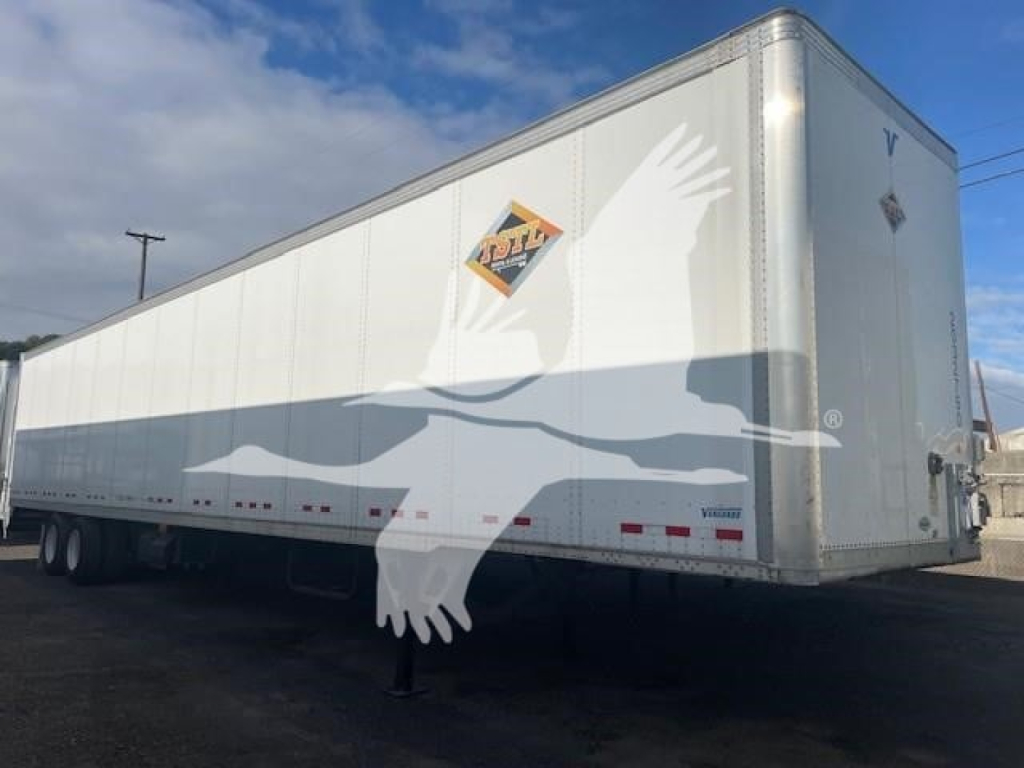
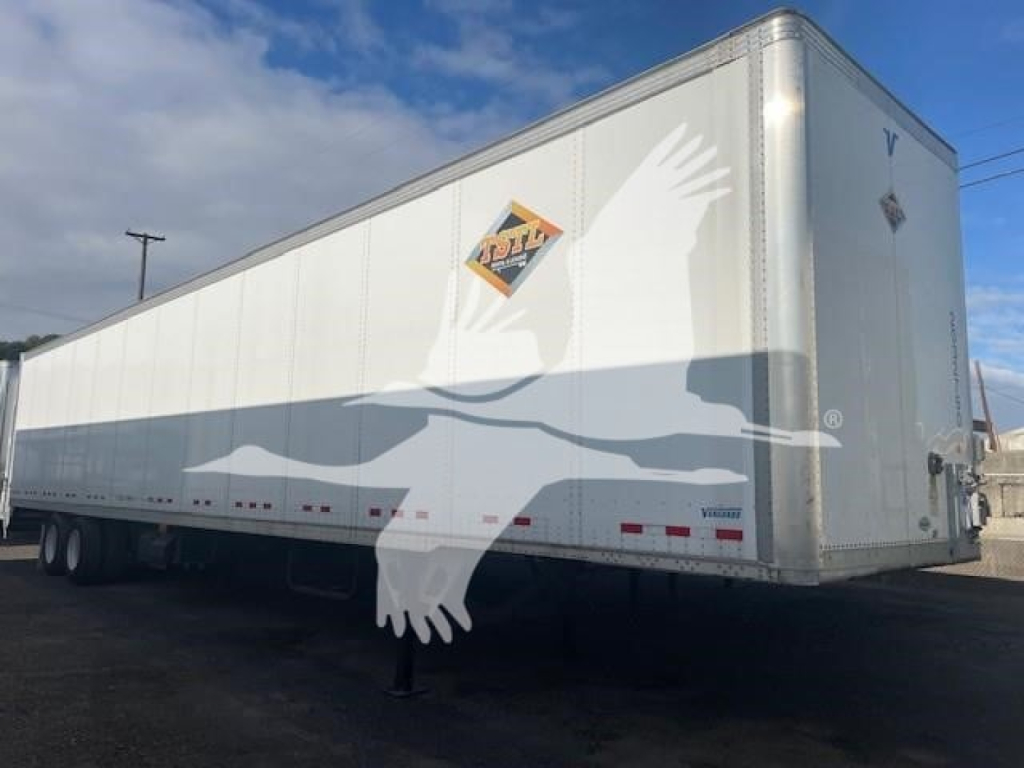
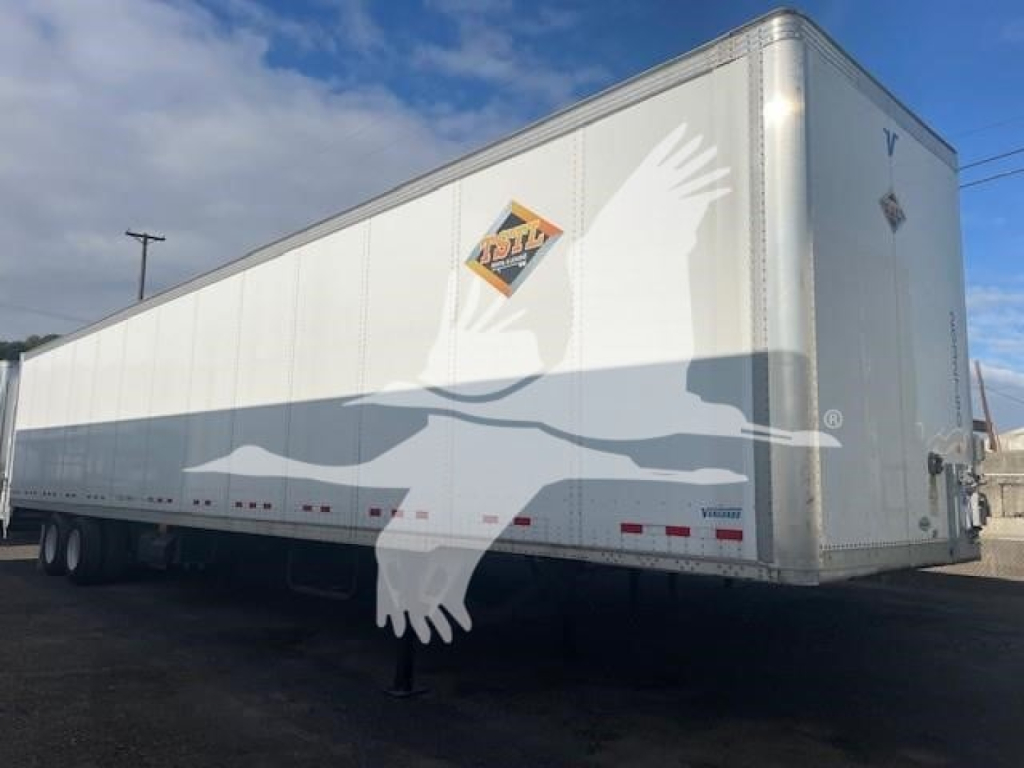
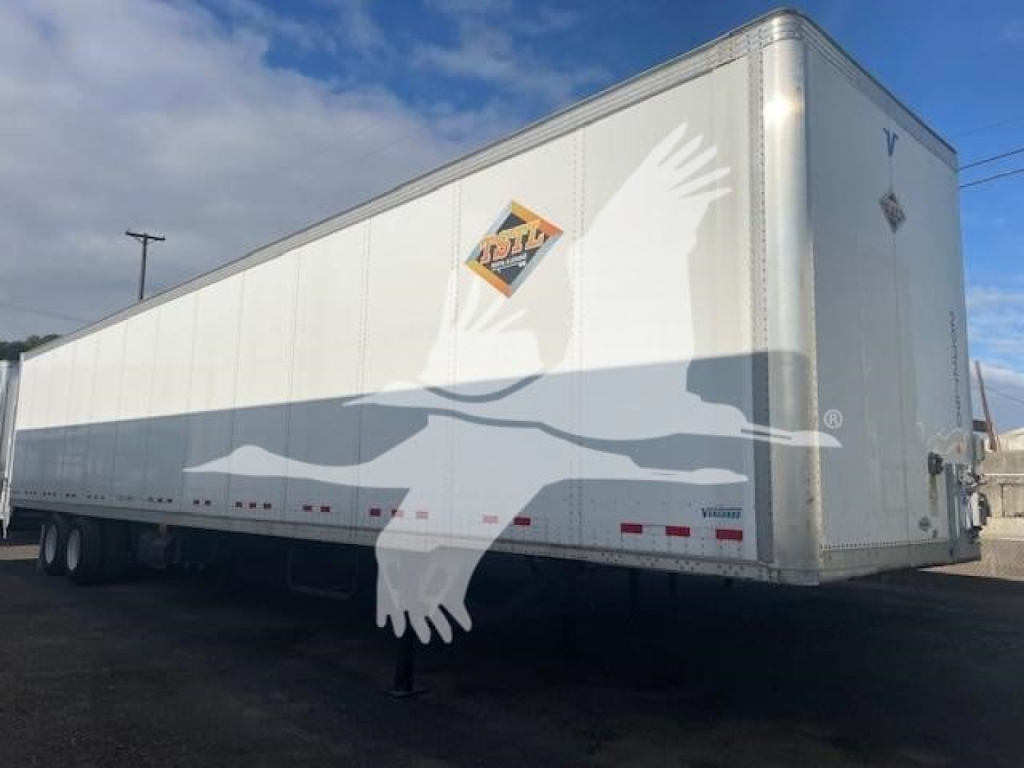
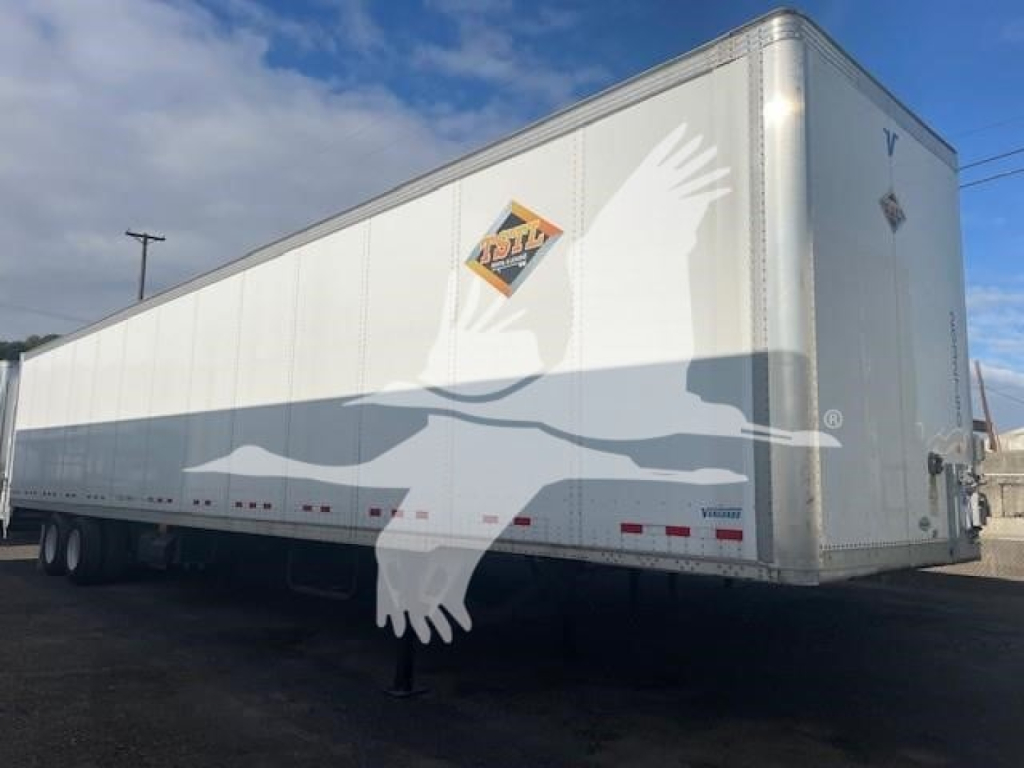
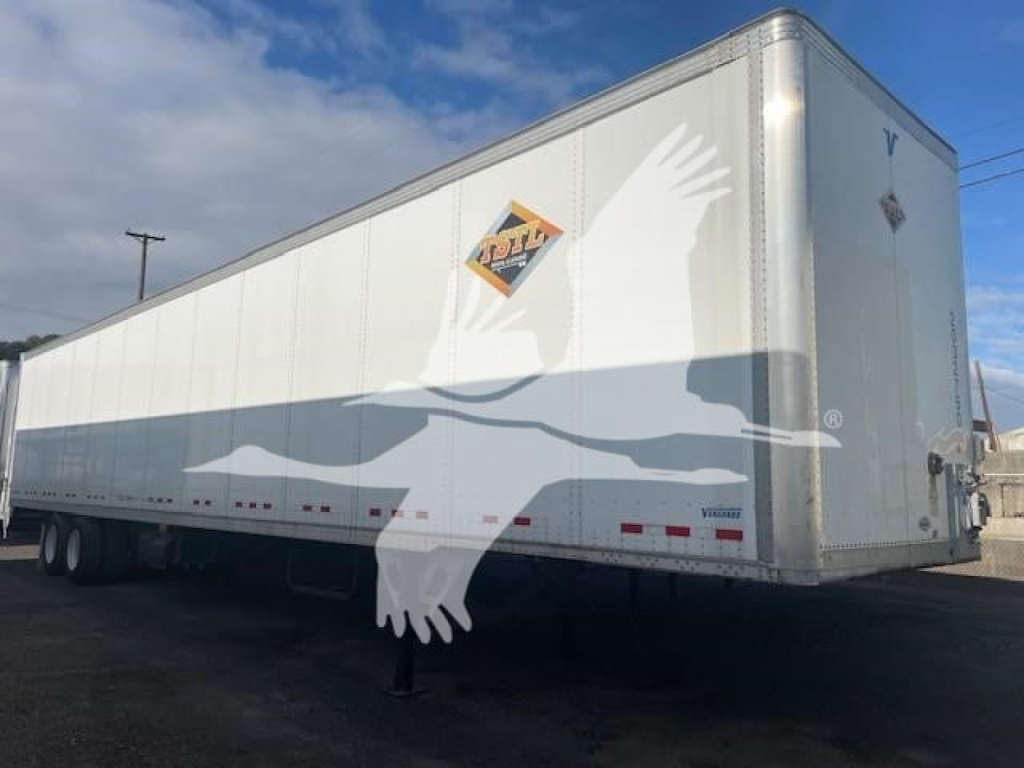
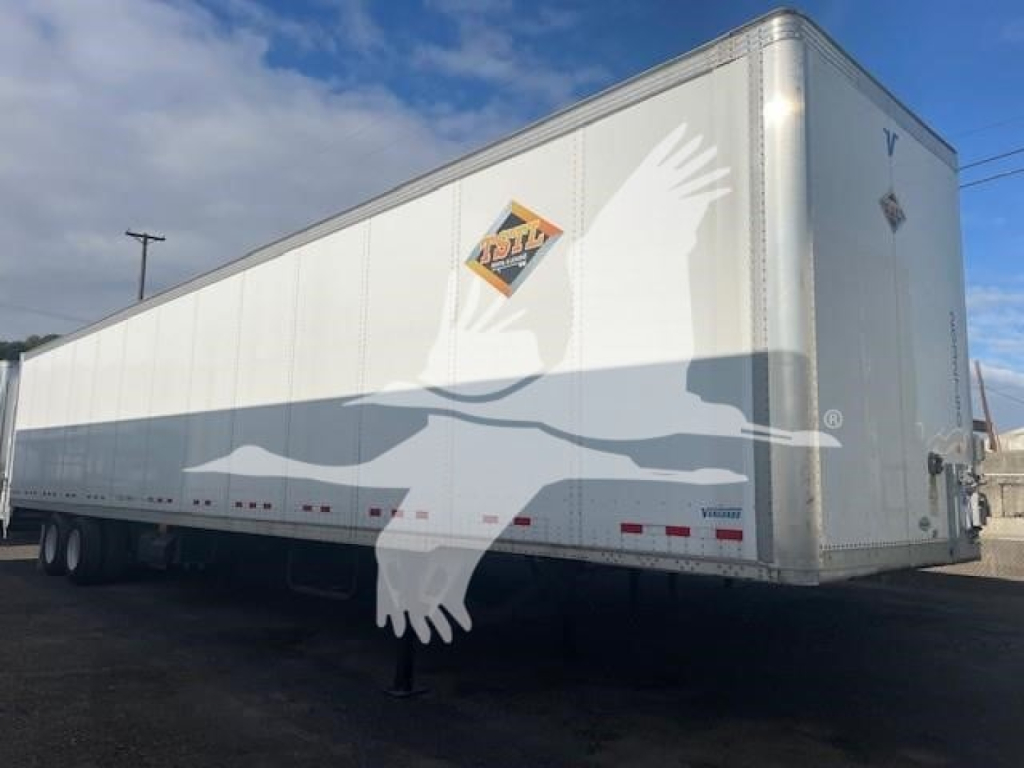
Showing 25 to 48 of 51 results
Have 2017 trailer to sell? List it here to reach thousands of buyers.
2017 Trailers in Pennsylvania
For 2017 flatbed trailers, the biggest buying decisions are length, axle spread, floor construction, and securement setup. Many trailers from this year are 48-foot or 53-foot by 102 inches wide, with aluminum construction common on weight-sensitive applications. Features such as sliding winches, winch tracks, stake pockets, nail strips, pipe spools, and coil packages can make a major difference depending on your freight mix. A spread axle or sliding spread setup can improve load placement flexibility, but buyers should also confirm kingpin setting, bridge compliance, and tire condition before putting a used flatbed into regular service. In Pennsylvania, corrosion exposure from winter treatment makes a close inspection of crossmembers, side rails, suspension mounts, and wiring a smart step on any 2017 trailer.
On 2017 van trailers, cargo cube, interior width, door opening height, and logistics post layout usually matter more than the badge on the nose. A 53-foot dry van from this era may offer air ride suspension, swing doors, aluminum roof construction, and standard dock hardware suited to contract freight and warehouse distribution. Check floor wear, wall condition, roof bows, rear frame integrity, and signs of previous forklift damage. If the trailer has a sliding tandem, confirm rail wear and locking pin function. Buyers running Northeast lanes should also pay attention to brake type, tire size commonality, and whether replacement parts for lights, landing gear, and suspension are easy to source locally.
Specialty 2017 trailers such as lowboys, detachables, or flip axle-compatible units need a more technical review. Deck height, loaded deck length, hydraulic neck type, axle spacing, outriggers, ramp style, and concentrated load rating all affect real-world usability. A trailer built for equipment hauling may look similar across listings, but details like non-ground-bearing versus ground-bearing necks, apitong decking, perimeter frame design, and air ride suspension brand can change maintenance cost and loading efficiency. The best 2017 trailer is usually the one whose configuration matches the freight, axle laws, and loading method you run every week, not simply the newest or lowest-priced unit on the page.
Frequently Asked Questions about 2017 Trailers in Pennsylvania
What should I inspect first on a 2017 used trailer?
Start with the frame, suspension, brakes, tires, and floor because those items drive both safety and near-term repair cost. On a 2017 trailer, look closely for rust scale, cracked crossmembers, worn suspension components, air leaks, uneven tire wear, and ABS or lighting issues. If it is a flatbed, inspect side rails, winch track, stake pockets, and deck condition. If it is a van, inspect the floor, rear frame, roof, door hardware, and signs of trailer impact or forklift damage.
Is a 2017 trailer still a practical fleet purchase?
Yes, a 2017 trailer can still be a practical purchase if the configuration fits your operation and the maintenance history is solid. Many 2017 trailers have current-spec features such as air ride suspension, LED lighting, common tire sizes, and standard landing gear and brake components. That makes them easier to integrate into mixed-age fleets and easier to support through independent shops and regional parts networks.
What trailer types are common in the 2017 market?
The 2017 market commonly includes dry vans, flatbeds, lowboys, and other specialized trailers. Dry vans are used for general freight and distribution work. Flatbeds are common for steel, lumber, machinery, and palletized freight that loads from the side or overhead. Lowboys and detachables are built for taller or heavier equipment and are selected based on deck height, axle count, and load rating rather than just overall length.
What matters most when comparing 2017 flatbed trailers?
Length, axle configuration, floor material, and securement equipment are the main comparison points. A buyer should confirm whether the trailer is fixed spread, sliding spread, or tandem; whether it has aluminum or combo construction; and whether it includes the securement package needed for the freight. Sliding winches, chain tie-downs, stake pockets, nail strips, and coil packages can change how useful the trailer is on day one.
Are Pennsylvania operating conditions important when buying a 2017 trailer?
Yes, Pennsylvania conditions can have a direct impact on trailer value and service life. Winter road treatment can accelerate corrosion on frames, wiring, light connections, brake hardware, and suspension parts. Regional terrain and bridge law considerations also make axle spacing, kingpin setting, and suspension condition especially important. A trailer that has been maintained for Northeast service can be a better fit than a cleaner-looking unit with the wrong axle layout or neglected undercarriage.