
2016 Trailers For Sale in Mississippi
Browse 2016 trailers for sale in Mississippi, including flatbed, van, and reefer configurations with specs buyers compare most.
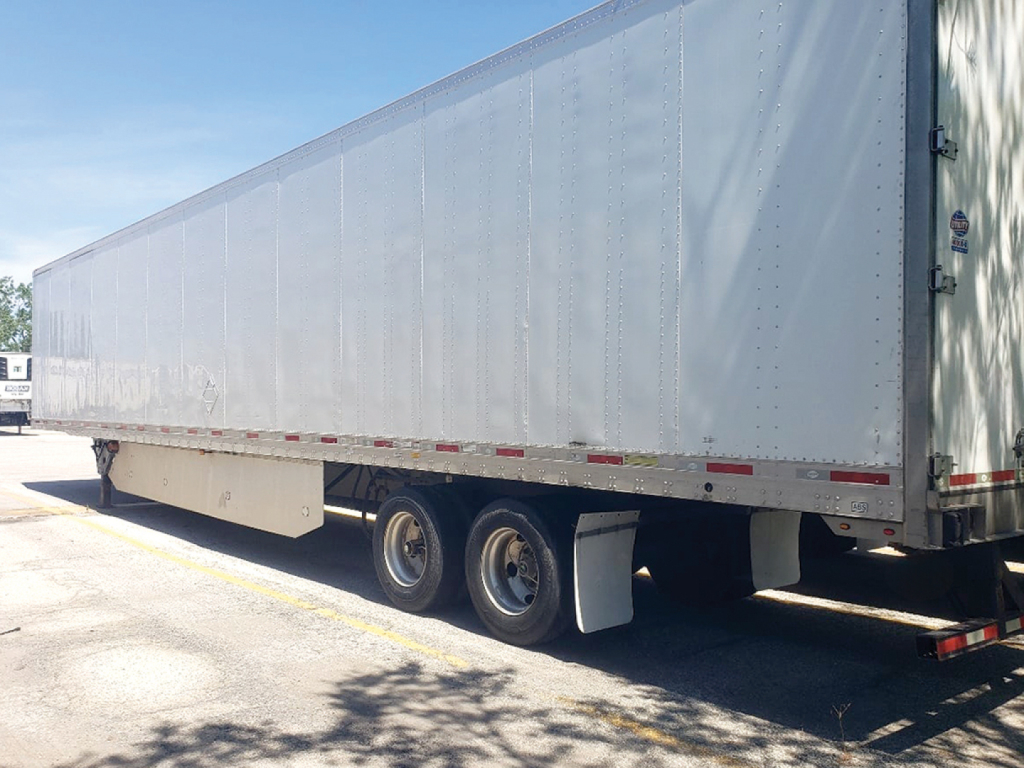
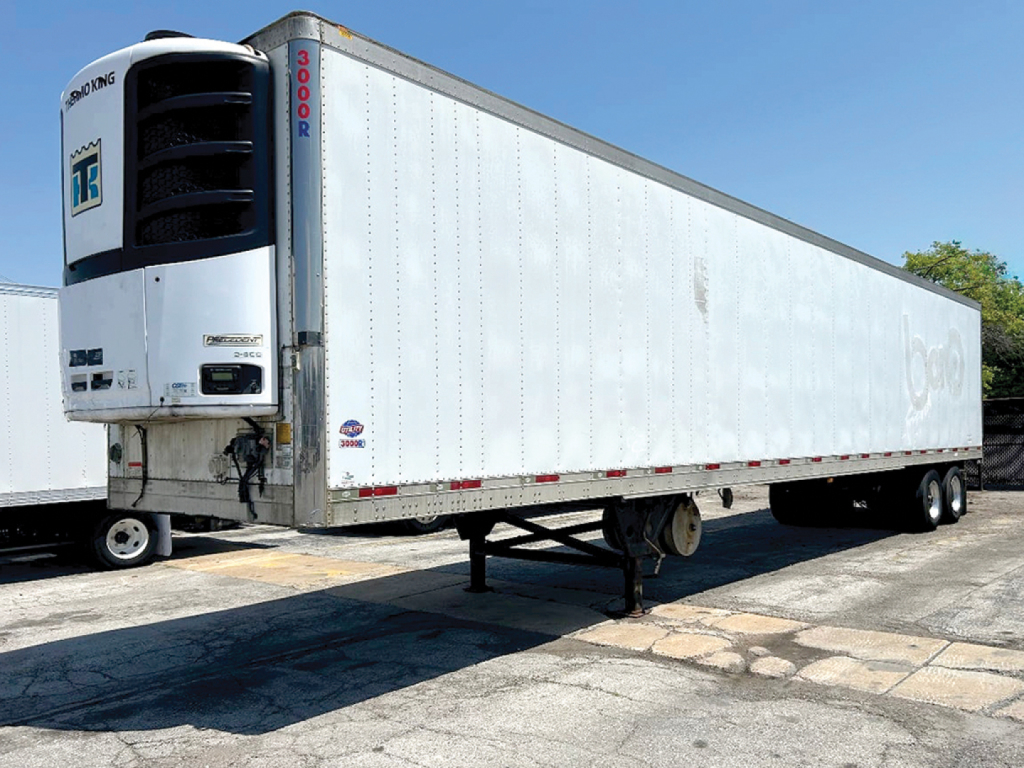
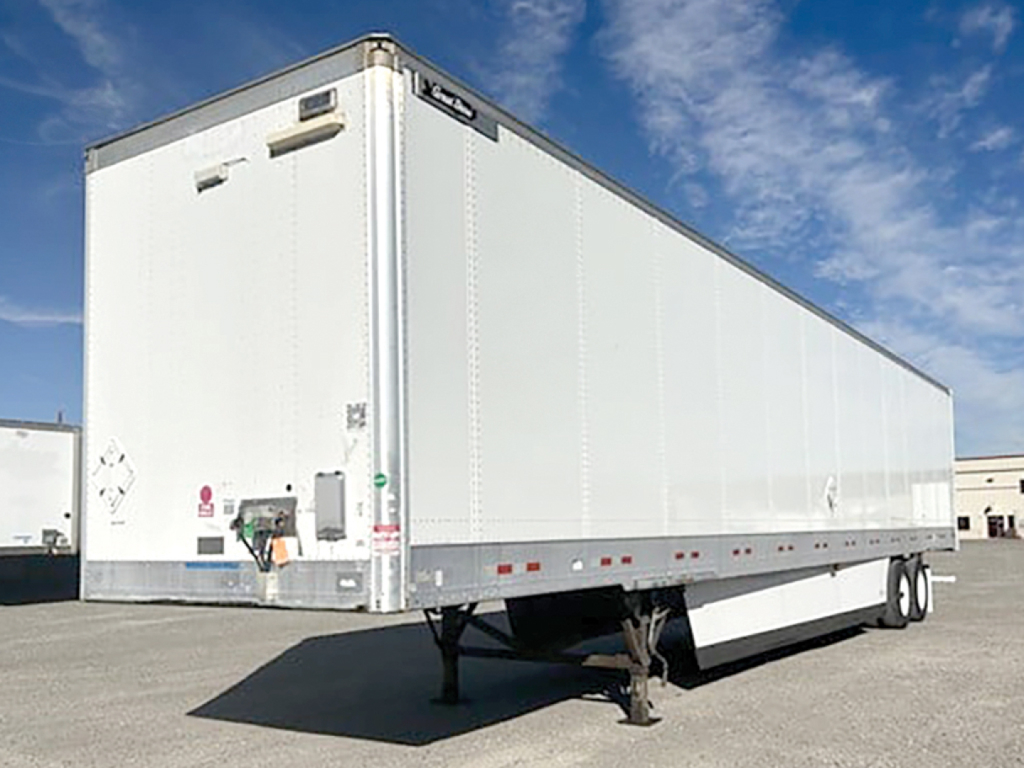

Have 2016 trailer to sell? List it here to reach thousands of buyers.
2016 Trailers in Mississippi
For van trailers, key details usually come down to floor type, lining, and tandem setup. A 2016 dry van may have a wood floor or composite floor, scuff liners or scuff plate, plywood lining, swing doors or roll-up doors, and either fixed or sliding tandems. Buyers moving general freight, palletized goods, or retail loads should pay attention to roof condition, sidewall repairs, rear frame wear, and door seal integrity. Sliding tandems add flexibility for bridge law compliance and dock placement, while air ride remains the preferred suspension for freight protection and broader shipper acceptance.
For reefer trailers, the trailer body matters as much as the refrigeration unit. A 2016 reefer often includes duct or flat aluminum flooring, stainless steel rear frames, interior logistics tracks, cold chutes, side skirts, and tire inflation systems. The refrigeration unit brand, engine hours, service records, fuel tank condition, and ability to hold setpoint under load are critical. Inside height also matters because it affects cube and pallet fit. Buyers running produce, frozen freight, dairy, or multi-stop foodservice routes in Mississippi should inspect insulation integrity, floor wear, door opening dimensions, and whether the unit is configured for continuous run or start-stop operation.
For flatbed trailers, many 2016 models were built with aluminum or steel-aluminum composite construction to balance tare weight and durability. Common specs include 48-foot deck length, 102-inch width, nail strips, sliding winch tracks, coil package options, tool boxes, and air ride suspension. Spread axle flatbeds can improve load distribution and stability, but they also affect maneuverability and tire scrub in tight yards. Buyers hauling steel, machinery, lumber, or building materials should look closely at crossmember condition, deck wear, winch track damage, rub rail integrity, and how the trailer is spec'd for coils or concentrated loads. Across all 2016 trailers, the smartest comparison points are suspension type, brake spec, wheel-end condition, tire size, axle configuration, and how well the trailer's original spec matches the freight it will actually haul.
Frequently Asked Questions about 2016 Trailers in Mississippi
What should I check first on a used 2016 trailer?
Start with the structure and running gear. On a 2016 trailer, buyers should inspect the frame, crossmembers, floor condition, suspension, brakes, wheel ends, tires, and axle alignment before focusing on cosmetic appearance. Dry vans and reefers should also be checked for roof repairs, sidewall damage, rear frame wear, and door condition. On flatbeds, deck wear, winch track condition, and signs of concentrated load stress are especially important. A trailer that looks clean but has poor alignment, worn bushings, or floor damage can become expensive quickly.
Is a 2016 trailer still a good age for fleet use?
Yes, a 2016 trailer can still fit fleet or owner-operator use if the specification matches the work and maintenance has been consistent. Many 2016 trailers offer features that remain current in the market, such as air ride suspension, sliding tandems, disc brakes, tire inflation systems, and logistics-track or cargo-control options. The real decision is less about age alone and more about maintenance records, prior application, corrosion exposure, and how much life is left in major wear components.
How do I choose between a 2016 dry van, reefer, and flatbed?
Choose based on freight type, loading environment, and operating cost. A dry van is the standard choice for general palletized freight and the widest shipper base. A reefer is built for temperature-controlled freight but adds refrigeration maintenance, fuel use, and more inspection points. A flatbed handles machinery, steel, lumber, and oversized or crane-loaded freight, but cargo securement requirements are much higher. Buyers should match trailer type to their core freight rather than buying a cheaper trailer that limits revenue options later.
What trailer specs matter most in Mississippi?
In Mississippi, trailer buyers often focus on specs that support regional freight, heat, humidity, and mixed highway and local-route use. Air ride suspension is common because it protects cargo and improves shipper acceptance. Sliding tandems matter for compliance and weight distribution, especially on 53-foot vans and reefers. For reefers, refrigeration performance in hot weather is critical. For flatbeds, corrosion resistance, deck condition, and securement equipment matter because many trailers see heavy commodity and construction-related use.
Are spread axle flatbeds better than tandem flatbeds on a 2016 trailer?
Spread axle flatbeds can be better for certain freight because they distribute weight well and often provide a stable ride for long materials or heavier deck loading. They are common on aluminum and composite flatbeds used for steel, building products, and machinery. The tradeoff is tighter turning, more tire scrub, and some operational limits in confined yards or certain loading situations. Tandem flatbeds are often easier to maneuver and may be preferable if the trailer will see more urban or tighter jobsite work.