
2015 Trailers For Sale in Nebraska

Have 2015 trailer to sell? List it here to reach thousands of buyers.
2015 Trailers in Nebraska
The first decision is usually trailer type. A 2015 van trailer, also known as a dry van trailer, is typically the volume choice for general freight, palletized goods, retail, and warehouse distribution. Buyers should look closely at interior lining, scuff liners or scuff plates, roof condition, floor type, rear frame integrity, and door style. Swing doors remain common, while roll-up doors can be useful in certain dock environments but may reduce cubic efficiency and rear opening clearance. Logistics posts, translucent roofs, threshold plates, and sliding tandems are all common features that affect cargo securement, loading speed, and bridge-law flexibility.
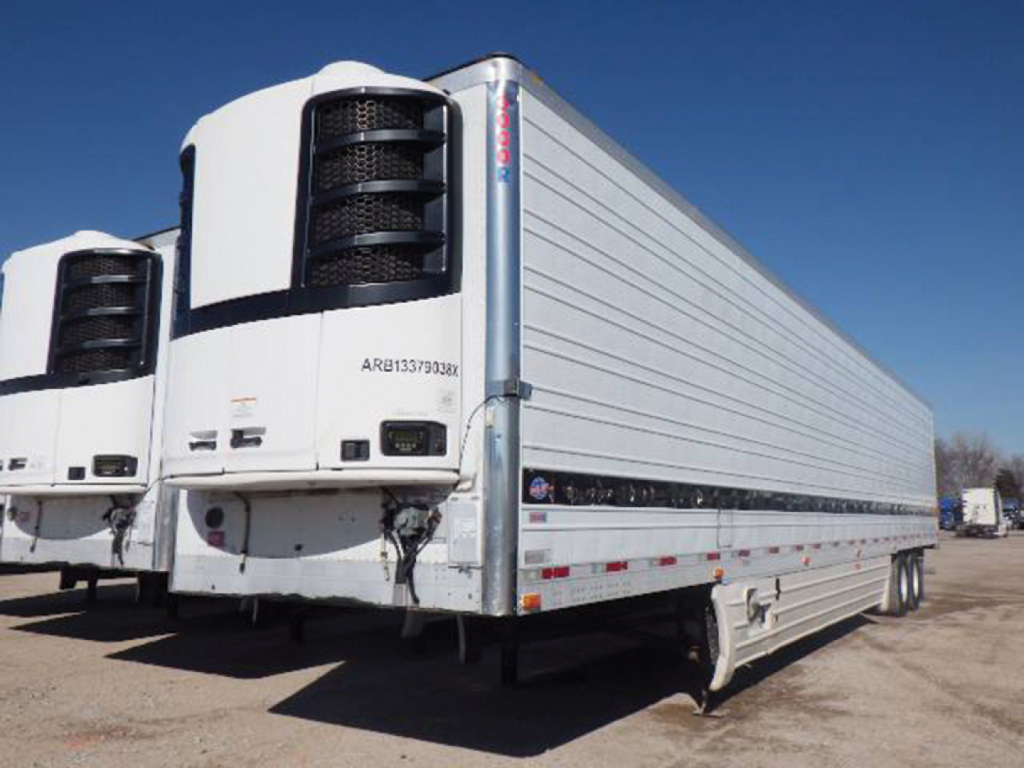
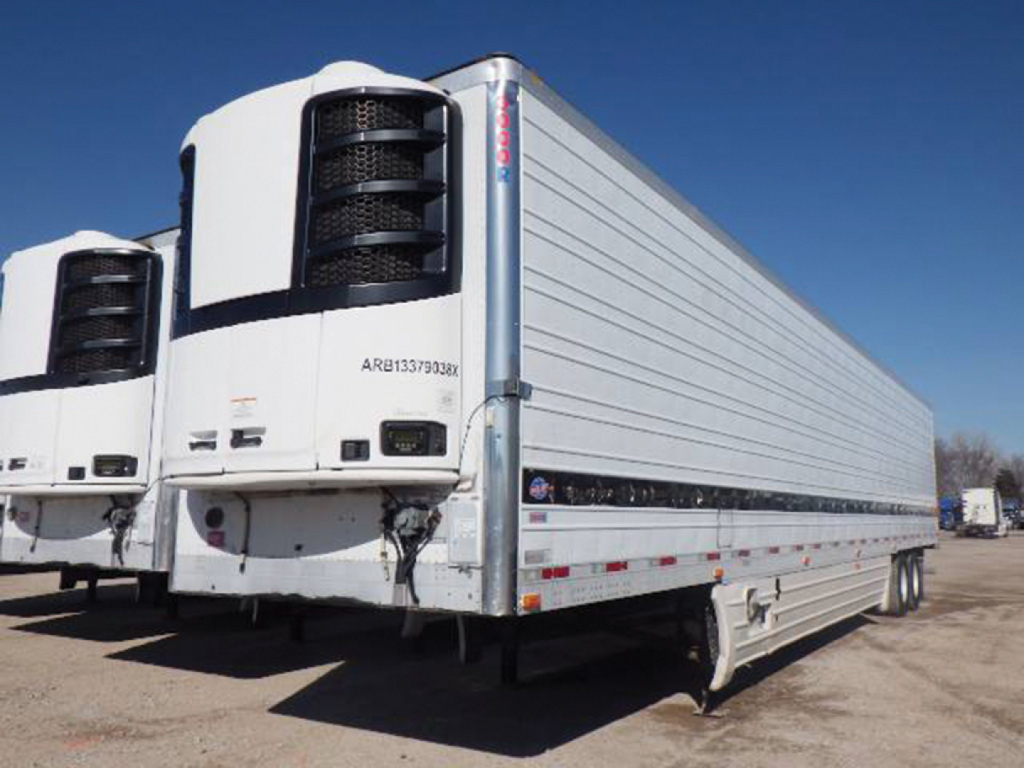
A 2015 reefer trailer deserves a closer mechanical inspection because the box and the refrigeration system both drive value. Important checkpoints include the reefer unit hours, service records, floor condition, front wall integrity, insulation performance, evaporator condition, and door seal quality. Heavy-duty aluminum duct floors, stainless front radius panels, and reinforced rear doors are common on better-spec reefer trailers from this era. If the trailer is being used for frozen or temperature-sensitive freight, buyers should verify that the trailer can hold setpoint under load, not just while empty in the yard. If the unit is being sold less refrigeration unit, the insulated body still has value, but the replacement cost and compatibility of a new or reman unit should be part of the budget.
For a 2015 flatbed trailer, pay attention to deck construction, crossmember condition, winch track setup, tie-down spacing, and axle configuration. Aluminum and steel combo trailers are common because they balance tare weight and durability. Features like nail strips, coil packages, double spool winches, spread axles, and aluminum toolboxes can materially change how useful the trailer is for steel, building materials, machinery, and ag-related freight. Across all 2015 trailers, buyers should inspect suspension wear, brake type, tire size, wheel condition, kingpin area, slider operation, DOT inspection status, and signs of prior structural repair. A well-spec'd 2015 trailer can still be a productive, road-ready asset if the body, running gear, and freight-specific features line up with the work.
Frequently Asked Questions about 2015 Trailers in Nebraska
What should I look for when buying a used 2015 trailer?
Start with structural condition before cosmetics. Check the frame, crossmembers, kingpin area, suspension, brakes, tires, wheels, and axle alignment. Then inspect freight-specific components such as van floors and scuff liners, reefer insulation and door seals, or flatbed winch tracks and tie-down points. A 2015 trailer can still offer strong service life, but deferred maintenance, corrosion, collision repair, and worn running gear will affect total ownership cost more than the model year alone.
Is a 2015 trailer too old for regular commercial use?
Not necessarily. Many 2015 trailers remain viable in regional and over-the-road service if they have been maintained correctly. Trailer longevity depends heavily on application, maintenance history, operating environment, and build quality. Dry vans and flatbeds often stay productive for many years, while reefers require more careful evaluation because refrigeration components, insulation integrity, and floor condition can have a larger impact on operating cost.
Are 2015 trailers commonly available in dry van, reefer, and flatbed configurations?
Yes. That model year is common across the main freight categories, including dry van trailers, refrigerated trailers, and flatbed trailers. Buyers will also see differences in length, axle layout, suspension type, flooring, and cargo control equipment. The right choice depends less on year and more on how closely the trailer's specification matches the freight, loading method, and route demands.
What specs matter most on a 2015 reefer trailer?
The most important reefer factors are refrigeration unit condition, total engine hours, service history, floor design, insulation performance, and door seal integrity. Buyers should also verify the trailer can maintain temperature consistently and inspect the front wall, evaporator area, and duct floor for damage. Stainless front components, heavy-duty floors, and air ride suspension are often signs of a higher-spec trailer, but the unit's actual cooling performance is still the priority.
What features add value on a 2015 flatbed trailer?
Value on a flatbed usually comes from payload-friendly construction and cargo securement equipment. Aluminum and steel combo construction, spread axles, sliding winch tracks, multiple winches, coil packages, nail strips, and toolboxes all improve versatility. Buyers should also inspect the deck surface, crossmembers, side rails, and suspension because those areas determine how well the trailer will hold up under concentrated loads and repeated securement use.