
2014 Trailers For Sale in New York
Shop 2014 trailers for sale in New York. Compare dry vans, specs, axle setups, suspension, dimensions, and trailer condition for your operation.
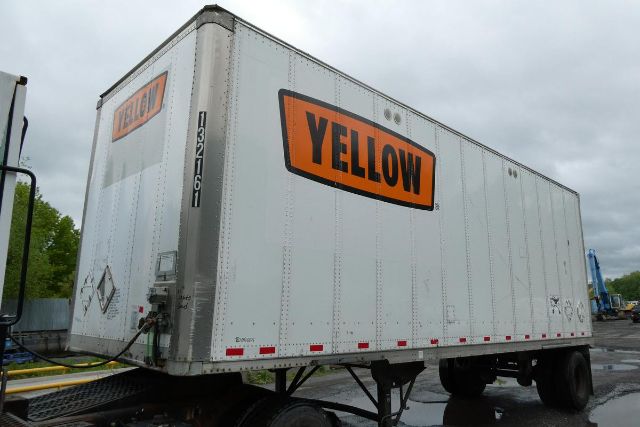
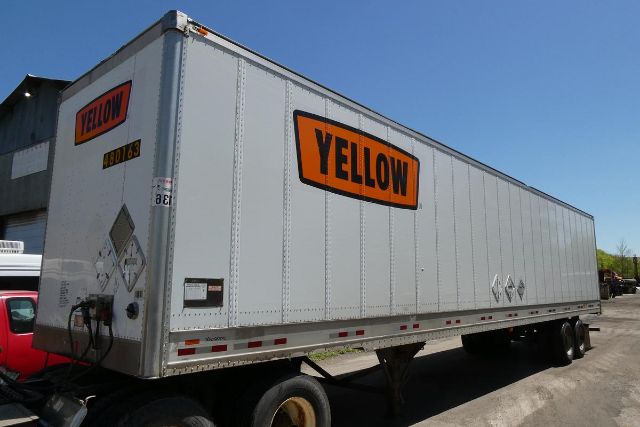
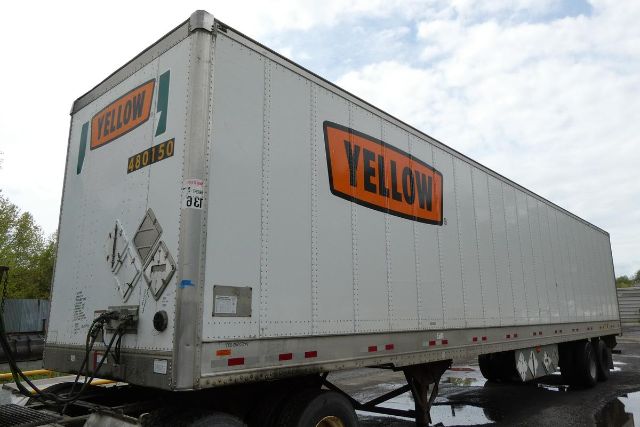
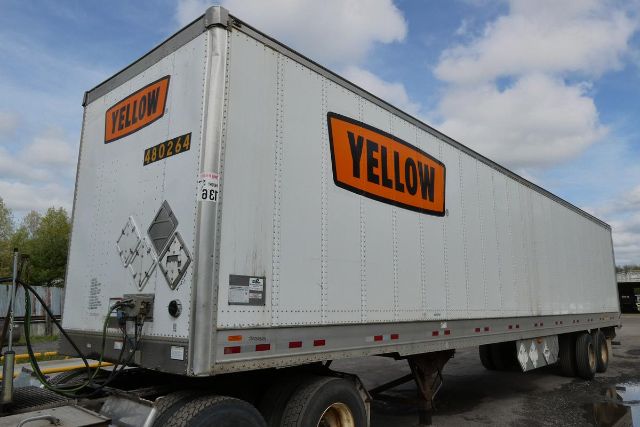
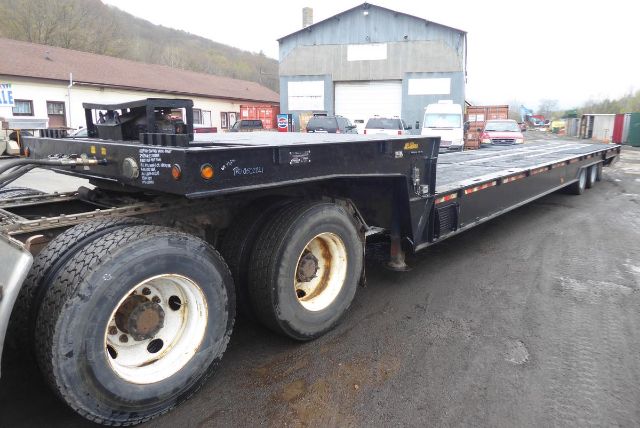
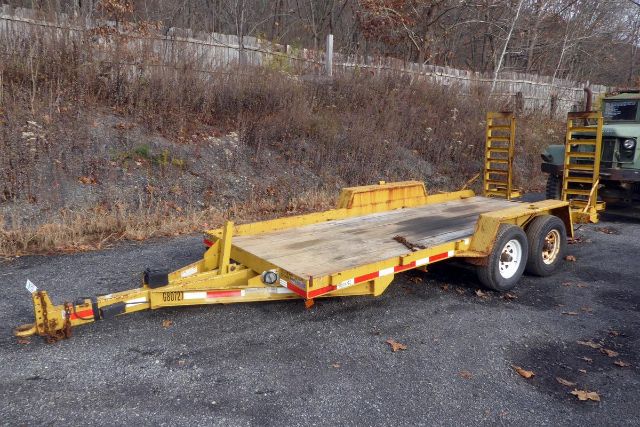

Selling a 2014 trailer? List your 2014 trailer for sale and reach thousands of commercial buyers.
2014 Trailers in New York
Dry van trailers from this model year typically show up with 102-inch overall width, air brakes, steel or aluminum wheels, wood or combo floors, and either swing or roll-up rear doors. Tandem slide axle configurations are common on road vans because they help with kingpin settings, bridge compliance, and weight distribution. Suspension matters more than many buyers expect. Air ride is generally preferred for ride quality and freight protection, while spring ride can be simpler and less expensive to maintain. Trailer composition also deserves a close look. Aluminum sheet-and-post construction helps keep tare weight down, while combo aluminum-steel designs can balance repair cost and durability for dock-heavy operations.
Condition is where a 2014 trailer separates into either a good operating asset or a future shop bill. Buyers should inspect crossmembers, floor wear, side scuffs, rear frame, door hardware, roof condition, and signs of prior impact around the nose and rear sill. Check tandem slide function, brake life, bushing wear, air system leaks, tire date codes, and uneven tread that may point to alignment or suspension issues. On van trailers, interior dimensions, door opening height, and the presence of scuff liners, logistic posts, translucent roof panels, or side access features can all affect load compatibility and turnaround time. In New York service, corrosion around the undercarriage, wiring, and brake components is especially important because winter road treatment can accelerate rust.
The best 2014 trailer for sale depends on freight profile more than brand alone. High-cube dry freight usually favors a standard tandem van with good floor integrity and a clean roof. Urban delivery and terminal work may favor a shorter wheelbase or single-axle configuration for easier backing and lower empty weight. Buyers comparing listings should balance GVWR, tare weight, axle spread, suspension type, and repair history against intended lane miles and loading conditions. A properly maintained 2014 trailer can still deliver solid service life, especially when core structural components are sound and the trailer matches the job it is expected to do.
Frequently Asked Questions about 2014 Trailers in New York
What should I inspect first on a used 2014 trailer?
Start with the structural and running gear items that are expensive to correct. Check the frame rails, crossmembers, floor, rear frame, roof, suspension, brakes, tires, hubs, and axle alignment. On van trailers, inspect the doors, hinges, seals, and interior wall condition. In New York, rust and corrosion on brake hardware, wiring, and the undercarriage deserve extra attention because winter road salt can shorten component life.
Is air ride or spring ride better on a 2014 trailer?
Air ride is usually the better choice for freight protection, ride quality, and dock consistency, especially for general over-the-road van service. Spring ride can still be a practical option when lower purchase cost and mechanical simplicity matter more than ride quality. The right choice depends on cargo type, lane conditions, maintenance philosophy, and how sensitive the freight is to shock and vibration.
Why does a sliding tandem matter on a trailer?
A sliding tandem lets the operator adjust axle position to help meet bridge laws, shift weight between tractor and trailer axles, and improve maneuverability in tighter spaces. For many road operations, especially in the Northeast, that flexibility is important because freight weight, customer docks, and legal axle requirements can vary load to load. A fixed axle setup can work well for dedicated or lighter applications but offers less adaptability.
Are 48-foot and 53-foot trailers both practical in New York?
Yes, but the better length depends on the lanes and facilities you serve. A 53-foot trailer gives you more cubic capacity and is common in highway freight, while a 48-foot trailer can be easier to place at older docks, tighter yards, and dense urban delivery points. Buyers should compare trailer length not just to freight volume, but also to turning radius, customer locations, and state or local access considerations.
What specs matter most when comparing 2014 dry van trailers?
Focus on GVWR, tare weight, trailer length, inside height, door opening dimensions, axle configuration, suspension type, floor construction, and rear door style. Those specs directly affect payload, forklift access, legal loading, and long-term durability. After that, condition details such as brake percentage, tire size, wheel type, roof material, and the presence of scuff liners or translucent roof panels help determine operating cost and suitability for your freight.