
2014 Van Trailers For Sale in New York
Shop 2014 van trailers for sale in New York. Compare dry van specs, lengths, tandem setups, door types, and construction details.
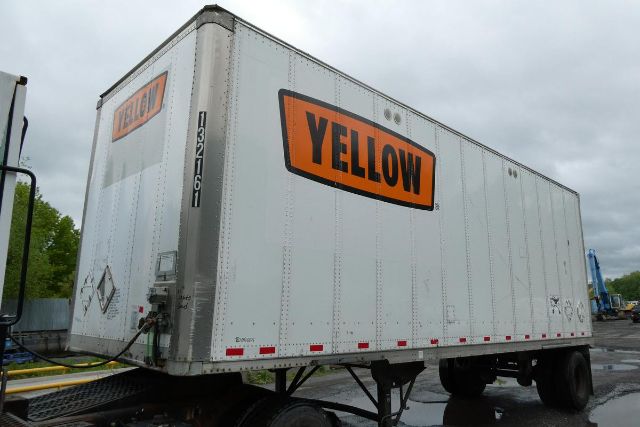
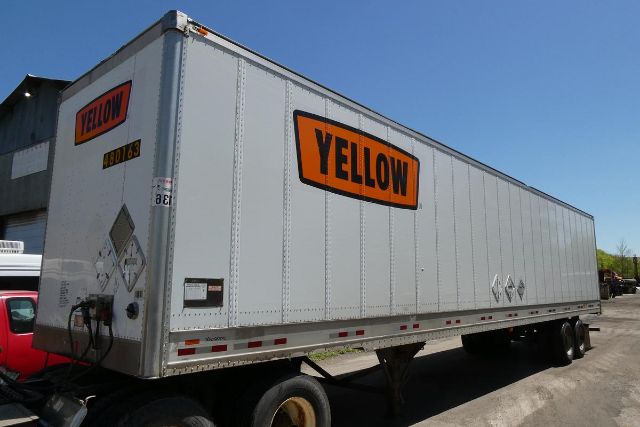
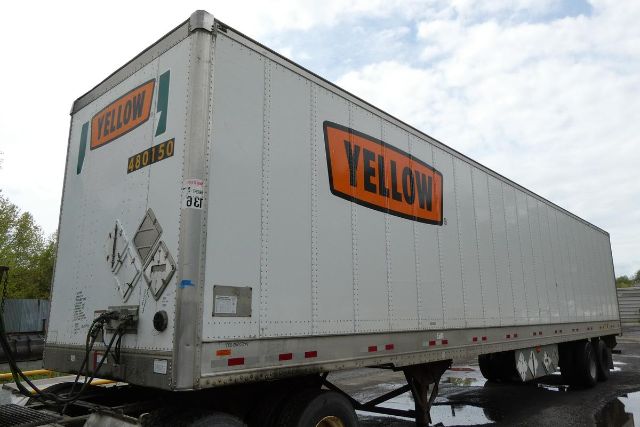
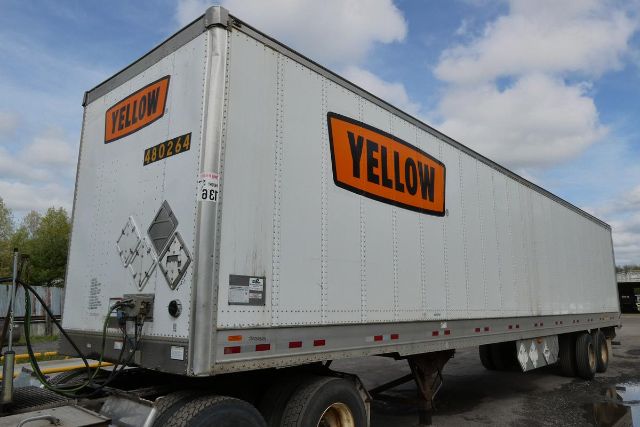

Have 2014 van trailer to sell? List it here to reach thousands of buyers.
2014 Van Trailers in New York
Construction details matter more than the model year alone. Most 2014 van trailers in the market use aluminum sidewalls with steel crossmembers, wood floors, and either spring or air-ride suspension. Aluminum roofs, stainless rear frames, scuff liners, logistic posts, and duct floors can add real value depending on the freight mix. A trailer hauling palletized dry goods has different wear patterns than one used in beverage, paper, retail distribution, or cartage service. Floor condition, crossmember integrity, roof repairs, sidewall bowing, and rear frame corrosion are often more important than cosmetic appearance.
Tandem setup is another key buying point. A slider tandem gives more flexibility for bridge laws, axle scaling, and dock positioning, while a fixed tandem or single axle van may suit lighter regional work, city deliveries, or doubles service. In New York, buyers often compare door style closely because roll-up doors help at tight docks, but swing doors can provide a slightly larger clear opening and fewer moving parts. Tire size, wheel type, brake setup, and hub-piloted components also affect service costs and uptime. If the trailer will run Northeast winters, inspect suspension hangers, brake chambers, air lines, and the entire underside for corrosion exposure.
Dry van trailers, also known as box trailers or enclosed van trailers, are built to protect general freight from weather, road spray, and cargo theft risk. The best 2014 van trailer for the job depends on cube, payload, and route profile. A fleet focused on highway freight may prioritize low tare weight and aerodynamic add-ons like side skirts, while a regional operator may put more value on a durable floor, strong rear structure, and easy-to-service brake and suspension components. Matching the trailer to the freight and lane is what keeps maintenance predictable and revenue miles high.
Frequently Asked Questions about 2014 Van Trailers in New York
What should I inspect first on a 2014 van trailer?
Start with the floor, roof, rear frame, and suspension. On a 2014 dry van, these areas usually tell you more about remaining service life than paint or sidewall appearance. Check for soft floor spots, patched roof seams, crossmember damage, cracked rear frame welds, door frame wear, and rust around suspension mounts. Also inspect brakes, tires, air lines, and slider components if equipped.
Is a 2014 dry van trailer still a good choice for regional or over-the-road freight?
Yes, a 2014 dry van can still be a strong fit for regional and over-the-road work if its structure and running gear have been maintained. Many trailers from this model year still meet common freight requirements for palletized goods, retail freight, paper products, and general dry cargo. The real question is condition, including floor strength, door operation, brake health, and corrosion level, especially in Northeast service.
What is the most common size for a van trailer in this category?
The most common configuration is a 53-foot by 102-inch dry van with tandem axles, but shorter lengths such as 28-foot pups and 48-foot vans also appear depending on the operation. A 53-foot trailer usually gives the best cube for full truckload freight, while shorter vans may be used for city routes, linehaul doubles, or specialized dock environments. Door opening height and interior clearance should be verified if taller freight is part of the load mix.
Should I choose air ride or spring suspension on a used van trailer?
Air ride is often preferred for ride quality and freight protection, especially for higher-value or damage-sensitive loads. Spring suspension is simpler and can be less expensive to maintain, which appeals to some regional operators and budget-focused buyers. The better choice depends on freight type, service area, and maintenance philosophy, but condition is more important than suspension type alone on a used 2014 trailer.
Why does tandem position matter on a dry van trailer in New York?
Tandem position affects bridge compliance, axle weight distribution, turning characteristics, and dock approach. A slider tandem gives more flexibility for legal weight settings and operational adjustment across different routes and states. In New York and the broader Northeast, that flexibility can be useful because route constraints, tight facilities, and varied freight weights often make axle placement a daily operating issue.