
2012 Trailers For Sale in Nebraska
Have 2012 trailer to sell? List it here to reach thousands of buyers.
2012 Trailers in Nebraska
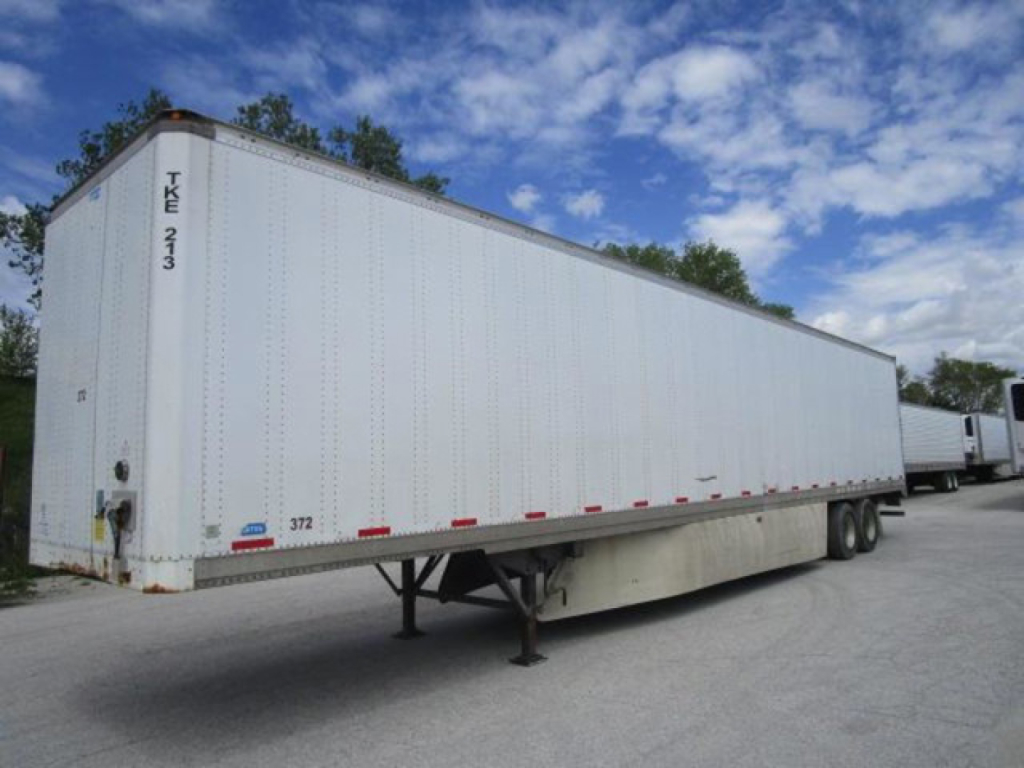
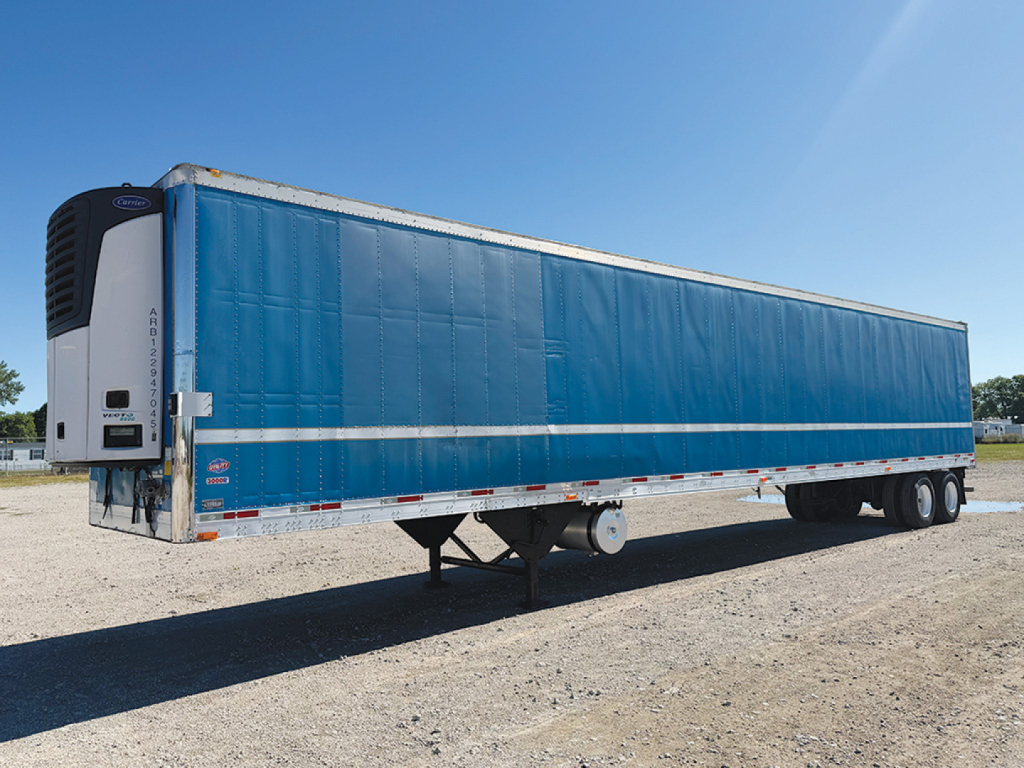
For van and reefer applications, the big checkpoints are body integrity, roof condition, rear frame area, crossmember health, and door operation. On a 2012 dry van, pay close attention to sidewall repairs, plywood or composite lining condition, and whether the trailer has a roll-up or swing-door setup that fits your dock environment. On a 2012 reefer, unit hours and service records matter as much as the trailer itself. Buyers should also verify floor type, scuff liner or scuff plate condition, chute configuration, insulation performance, and whether the trailer has air ride, sliding tandems, disc brakes, or a tire inflation system. These details directly affect payload protection, maintenance cost, and resale appeal.
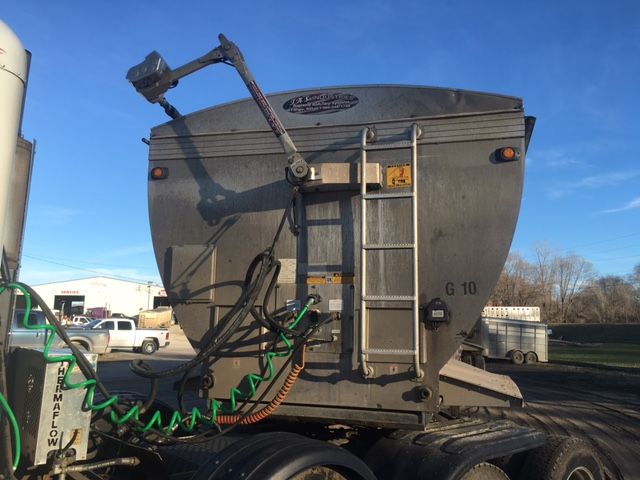
Nebraska buyers also spend a lot of time in the grain and bulk segment, so 2012 hopper trailers remain a common comparison point. Aluminum hopper bottoms from this era are often evaluated on sidewall condition, hopper door operation, trap seals, tarp system function, landing gear wear, and signs of cracking around high-stress points. Capacity is only part of the equation. Suspension type, wheel-end condition, brake setup, and tare weight all influence how efficiently the trailer performs during harvest, feed, fertilizer, or bulk commodity hauling. If the trailer will see rural roads and seasonal loading cycles, structural soundness matters more than cosmetic appearance.
For dump and other vocational trailer types, look closely at frame integrity, hoist or cylinder condition, gate function, tub wear, and axle configuration. A 2012 trailer can still be productive in local and regional service if the running gear, brakes, and major structural components have been maintained correctly. In this age range, buyers should expect to inspect bushings, air bags, slack adjusters, lights, tires, and wheel ends with extra care. The best 2012 trailers are not defined by age alone. They are defined by correct application, clean maintenance records, and a spec that matches the work.
Frequently Asked Questions about 2012 Trailers in Nebraska
What should I inspect first on a 2012 used trailer?
Start with the frame, suspension, brakes, tires, and any structural wear points specific to the trailer type. On vans and reefers, inspect the roof, crossmembers, floor, rear frame, and doors. On hopper and dump trailers, focus on cracks, weld repairs, hopper doors or gates, and signs of stress around mounts and suspension hangers. A 2012 trailer can still have strong service life left, but structural condition matters more than appearance.
Is a 2012 reefer trailer still a good buy?
A 2012 reefer trailer can be a solid purchase if both the box and the refrigeration unit have been maintained properly. Buyers should verify reefer engine hours, service history, fuel system condition, insulation performance, floor wear, chute setup, and door sealing. The cost of deferred reefer maintenance can erase any savings on purchase price, so records and pre-purchase inspection are critical.
What matters most when buying a 2012 hopper trailer in Nebraska?
For Nebraska grain and bulk work, the most important factors are structural condition, tarp function, hopper door operation, trap seals, brake performance, and suspension health. Aluminum construction and low tare weight are valuable, but they do not offset cracked rails, worn components, or leaking traps. Buyers should also confirm how the trailer was used, because seasonal ag service creates different wear patterns than year-round commercial hauling.
How do I judge value on a 2012 trailer?
Value comes from specification, condition, and repair risk rather than year alone. A well-maintained 2012 trailer with air ride, disc brakes, sliding tandems, good rubber, and documented service can be a better buy than a newer trailer with structural damage or neglected running gear. Compare tire age, brake life, floor condition, wheel-end service, and major component history before deciding if the asking price is justified.
Are 2012 trailers likely to meet current operating needs for regional fleets and owner-operators?
Yes, many 2012 trailers still fit regional freight, agricultural hauling, and local vocational work if the spec matches the application. The key is to confirm dimensions, axle setup, suspension type, door configuration, and any commodity-specific equipment such as duct floors, scuff liners, roll tarps, or lift gates. A trailer that matches the job correctly will usually outperform a cheaper trailer that requires constant repairs or compromises loading efficiency.