
2011 Trailers For Sale in Pennsylvania
Browse 2011 trailers for sale in Pennsylvania, including dry vans and flatbeds with tandem axles, air ride or spring suspension, and 48' to 53' lengths.
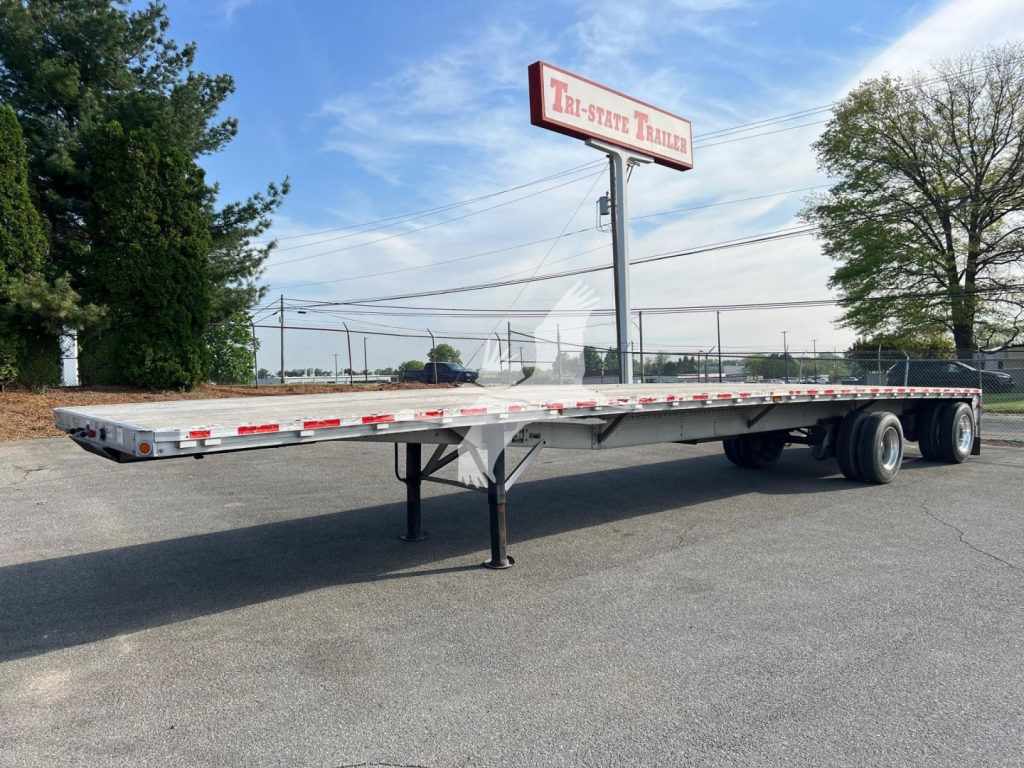
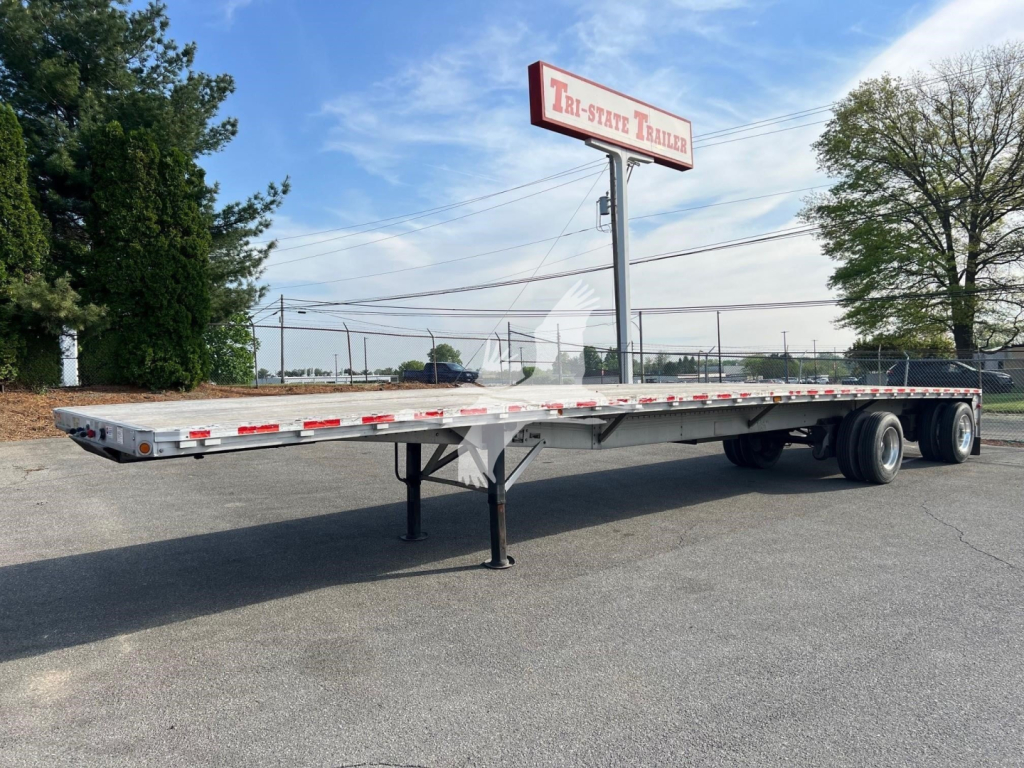
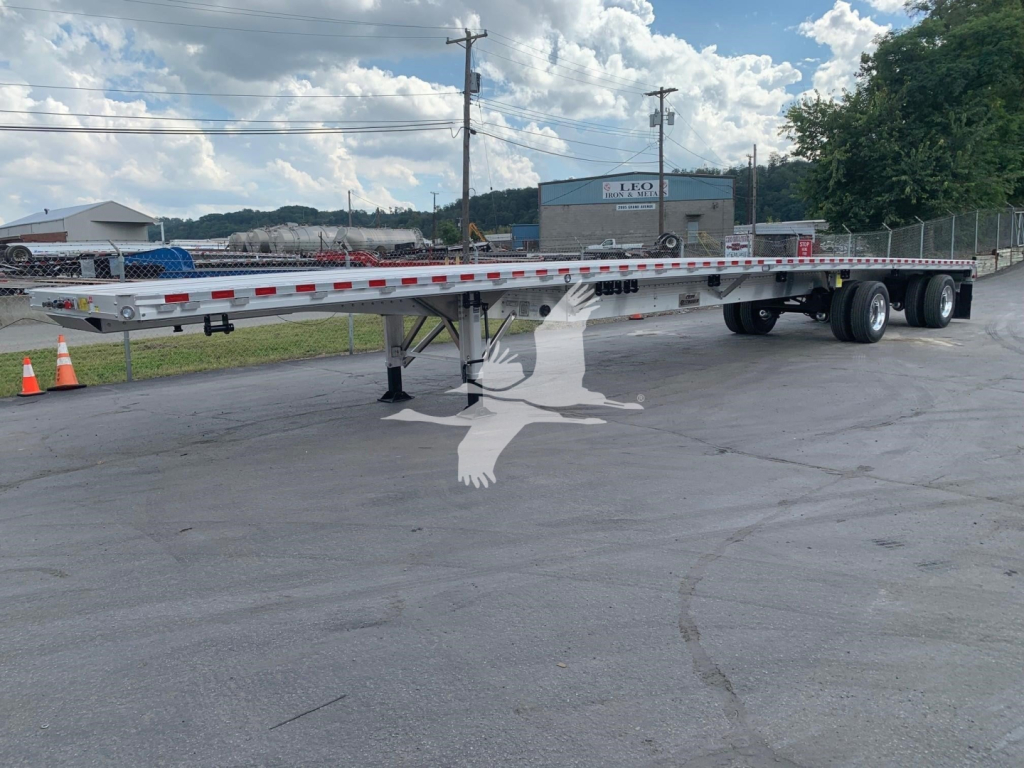
Selling a 2011 trailer? List your 2011 trailer for sale and reach thousands of commercial buyers.
2011 Trailers in Pennsylvania
For flatbed buyers, the big decisions are construction material, axle configuration, and deck setup. Aluminum and combo flatbeds help reduce tare weight, while steel flatbeds can make sense for harsher duty cycles and lower acquisition cost. Look closely at floor type, side rail condition, winch track placement, sliding winch count, pipe spools, stake pockets, and whether the trailer has a coil package or bulkhead. Suspension setup also matters. Air ride is common for more delicate or mixed freight, while spring ride can be simpler and less expensive to maintain. Fixed spread, sliding tandem, and kingpin settings affect bridge compliance, maneuverability, and load distribution.
For dry van buyers, a 2011 model is often evaluated around cube, door opening, and logistics readiness. The standard 53-foot van with swing doors, aluminum roof, wood floor, and logistics posts remains the baseline for general freight. Check inside width and inside height if pallet count or cube efficiency matters. Dock impact areas, rear frame condition, scuff liner wear, roof bows, floor rot around the threshold, and signs of previous sidewall repairs deserve close attention. Sliding tandems are still the practical choice for most van operations in the Northeast because they help with axle compliance and dock flexibility.
Pennsylvania operators should also think about regional corrosion, annual inspection readiness, and parts commonality. Road salt can accelerate wear on crossmembers, fasteners, brake components, and landing gear. A well-kept 2011 trailer with documented brake work, decent tires, solid floors, and a clean understructure can still deliver good service in regional or long-haul use. The right trailer in this year range is usually the one with the least deferred maintenance, the right suspension and axle layout for the lanes, and a body structure that still measures straight and seals up properly.
Frequently Asked Questions about 2011 Trailers in Pennsylvania
What should I inspect first on a 2011 used trailer?
Start with the structure and running gear. On a flatbed, inspect the main beams, crossmembers, floor, side rails, kingpin area, suspension hangers, and any visible repairs or cracks. On a dry van, focus on floor condition, rear frame, roof, sidewalls, tandem slider area, and door seal integrity. Then check tire age and wear, brake lining or pad life, wheel ends, lights, ABS function, and landing gear operation. A 2011 trailer can still be a sound purchase if the maintenance history is strong and the frame and body are straight.
Is a 2011 trailer too old for over-the-road service?
Not necessarily. Many 2011 trailers remain productive in over-the-road, regional, dedicated, and spot market service. The deciding factors are maintenance, prior freight type, corrosion exposure, and structural condition. Age alone does not sideline a trailer, but buyers should expect closer inspection of floors, suspensions, brake systems, roof seams, slider boxes, and any wear points tied to high-cycle loading.
What trailer specs are most common in this year range?
Common 2011 over-the-road trailer specs include 48-foot by 102-inch flatbeds and 53-foot by 102-inch dry vans with tandem axles. Air ride and spring ride suspensions are both common, and sliding tandems are widely used on vans while flatbeds may be fixed spread or sliding depending on the application. Typical tire sizes include 295/75R22.5 and 11R22.5. On flatbeds, buyers often look for winch tracks, sliding winches, stake pockets, pipe spools, and aluminum or wood floor setups. On vans, common features include swing doors, wood floors, aluminum roofs, and logistics posts.
What matters most when choosing between a 2011 flatbed and a 2011 dry van?
The freight decides the trailer. A 2011 flatbed is built for open-deck freight such as steel, machinery, lumber, and building materials, where tie-down points, deck condition, and load securement options are critical. A 2011 dry van is better suited for palletized, boxed, and weather-sensitive freight, where interior cube, door opening, and floor condition matter more. Buyers should compare not just price, but tare weight, loading method, axle configuration, and how well the trailer matches their regular lanes and customers.
Why does Pennsylvania location matter when buying a used 2011 trailer?
Pennsylvania location matters because Northeast weather and road treatment can accelerate corrosion. Buyers should pay close attention to rust on crossmembers, suspension components, brake hardware, rear frames, and landing gear, especially on trailers that have spent years in salted winter conditions. The benefit is that many trailers in this market are also spec'd for practical highway use, with common parts, tandem axle layouts, and dimensions that fit regional freight demands.