
2006 Trailers For Sale in New York
Browse 2006 trailers for sale in New York, including dry van and freight trailers with common specs, axle setups, dimensions, and buyer tips.
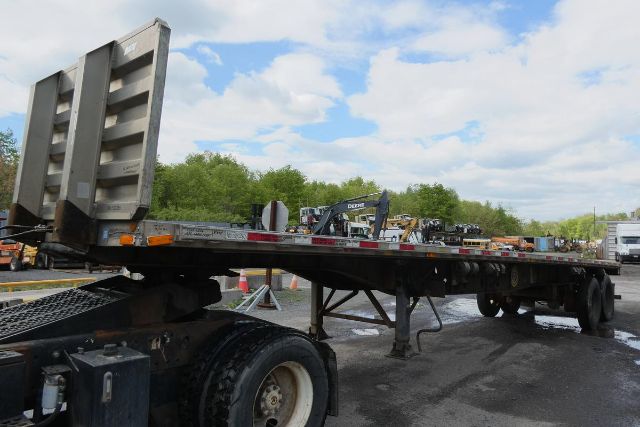
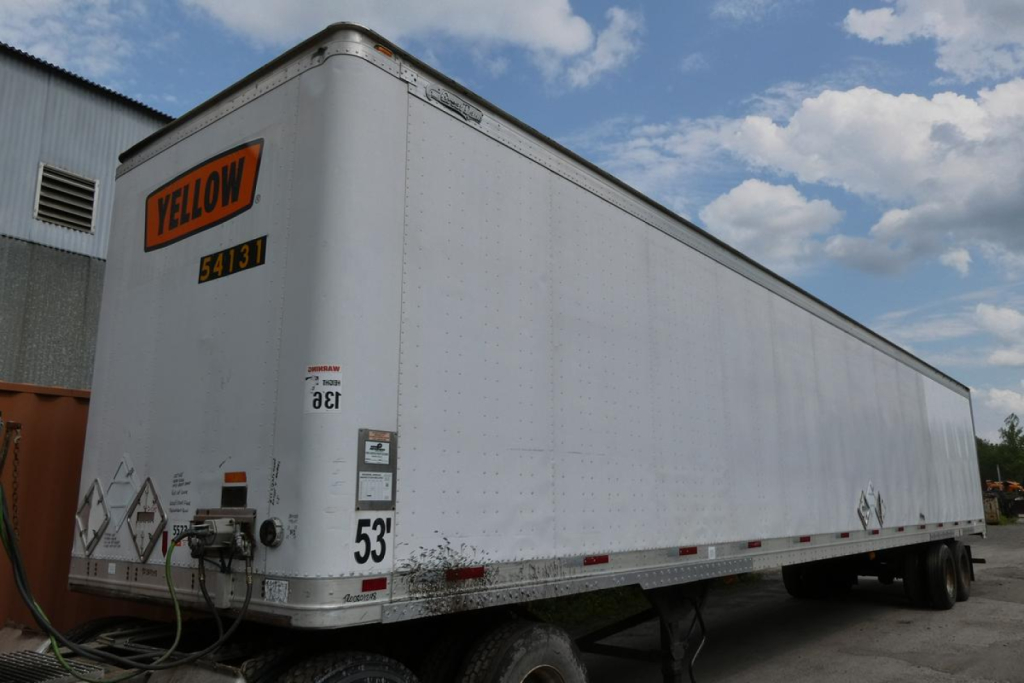
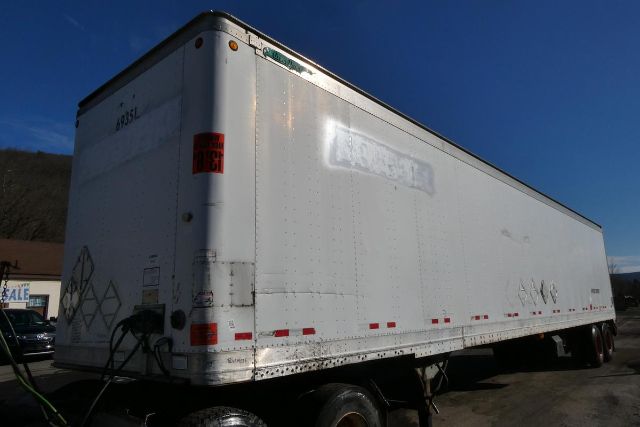
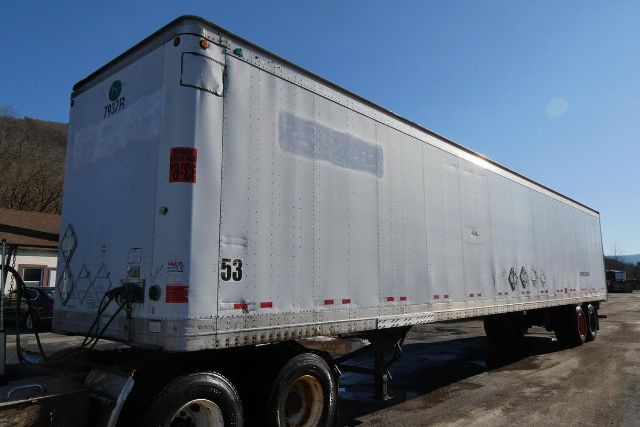
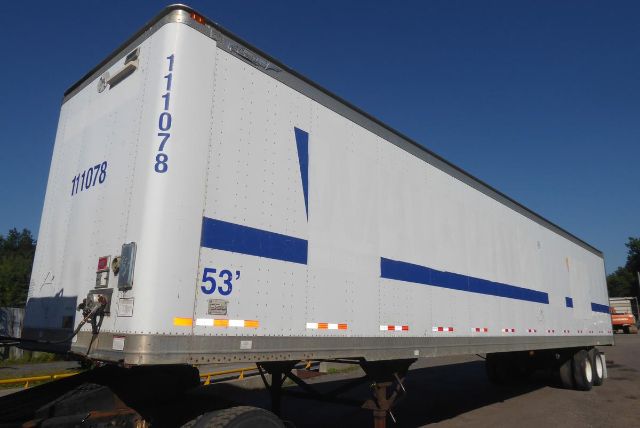
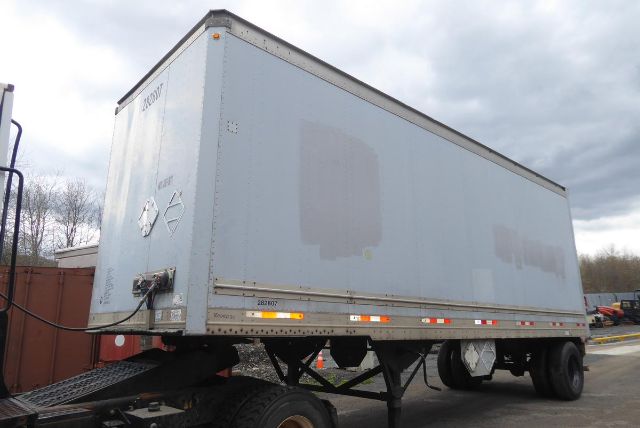
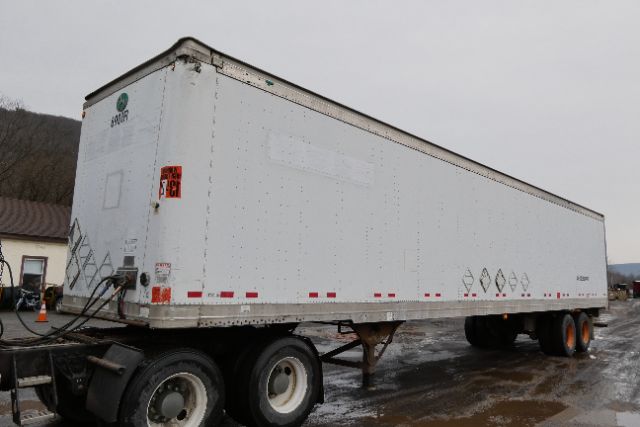
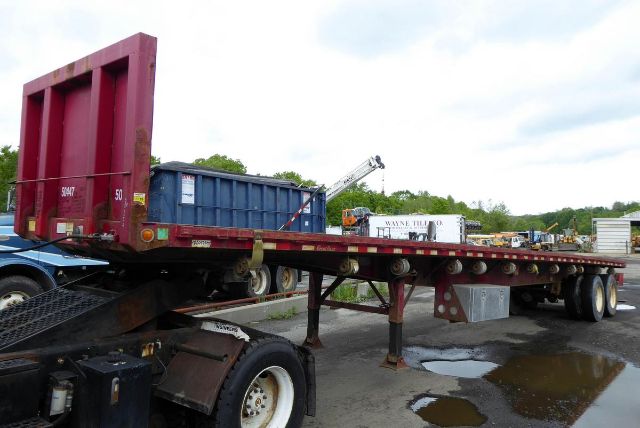

Selling a 2006 trailer? List your 2006 trailer for sale and reach thousands of commercial buyers.
2006 Trailers in New York
The first buying decision is usually axle configuration and suspension. Sliding tandems remain common because they give more flexibility for bridge law compliance, dock positioning, and weight distribution across different loads. Spring ride suspensions are typical on older vans and are generally straightforward to maintain, though buyers hauling more sensitive freight may prefer to compare ride quality and bushing condition carefully. Check brake wear, tire size consistency, wheel-end condition, and signs of frame or slider box fatigue. On a 2006 trailer, worn suspension components, neglected air systems, and uneven tire wear can turn a low purchase price into a high-cost trailer quickly.
Body and cargo area condition should be inspected with the same level of attention. Dry vans from this period commonly have wood floors, steel rear frames, and mixed aluminum-steel sidewall construction. Look for soft spots in the floor, patched crossmembers, roof leaks, bow damage, door frame distortion, and corrosion around the rear sill and lower rail. Interior dimensions can vary slightly, but many vans in this class offer around 8 feet to 8 feet 10 inches of inside height and about 7 feet 8 inches to 8 feet 2 inches of interior width, depending on wall construction and spec. In New York, where urban delivery, warehouse loading, and tight yard maneuvering are part of daily use, rear door operation and overall trailer straightness are especially important.
A well-maintained 2006 trailer can still serve regional freight, storage, dedicated lanes, and short-haul distribution effectively. Buyers should compare empty weight, GVWR, door type, roof material, and maintenance history against the intended use instead of shopping by price alone. For general dry freight, a lighter trailer with a solid floor and healthy sliding tandem setup may offer more value than a newer unit with deferred maintenance. The strongest candidates in this category are usually the ones with clean structural rails, good brake life, matching tire programs, and clear evidence of routine fleet service.
Frequently Asked Questions about 2006 Trailers in New York
What should I inspect first on a 2006 trailer?
Start with the structural components because they are the most expensive to correct. Inspect the frame rails, crossmembers, rear sill, upper coupler area, slider assembly, suspension hangers, and landing gear mounts for cracks, corrosion, poor weld repairs, or impact damage. After that, check brake stroke, lining life, air leaks, tire wear patterns, wheel seals, and floor integrity. On an older trailer, structural condition usually matters more than cosmetic appearance.
Are 2006 dry van trailers still good for over-the-road freight?
They can be, provided the trailer has been maintained properly and meets the operational requirements of the fleet. Many 2006 dry vans still run regional and long-haul freight when the brakes, suspension, tires, lighting, doors, and floor are in dependable condition. Buyers should confirm DOT compliance items, measure remaining brake and tire life, and evaluate whether the trailer's empty weight and axle setup fit their freight profile. A sound older van can still produce good service life on the right lanes.
Is a sliding tandem better than a fixed axle setup on an older trailer?
For most freight applications, a sliding tandem offers more flexibility. It helps with axle weight distribution, bridge compliance, kingpin-to-rear axle adjustments, and adapting the trailer to different states, shippers, and loading patterns. A fixed axle trailer can be simpler, but it limits load placement options. On a 2006 trailer, the main issue is not just whether the axles slide, but whether the slider tracks, pins, and frame area are still in solid operating condition.
What are common specs on a 2006 dry van trailer?
Common specs include 48-foot or 53-foot lengths, 102-inch overall width, tandem axles, air brakes, spring ride suspension, wood floors, steel wheels, and aluminum roof construction. Many trailers from this period also use mixed aluminum-steel body construction and roll-up rear doors, though swing doors are also seen in the market. GVWR commonly falls in the 65,000-pound to 68,000-pound range depending on configuration. Actual specs vary by make, model, and prior fleet application.
What matters most when buying a used trailer in New York?
In New York, buyers should pay close attention to corrosion, brake condition, lighting reliability, and trailer dimensions that fit the intended routes and facilities. Road salt, stop-and-go service, and tight urban dock environments can accelerate wear on undercarriage components, rear frames, and doors. A trailer that looks acceptable from the outside may still have hidden rust, floor issues, or slider problems underneath. A good used trailer for this market is one that combines structural integrity with dependable daily usability.