
2005 Trailers For Sale in New York
Browse 2005 trailers for sale in New York, including dry vans and flatbeds with common specs, axle setups, suspension types, and duty uses.
Learn more
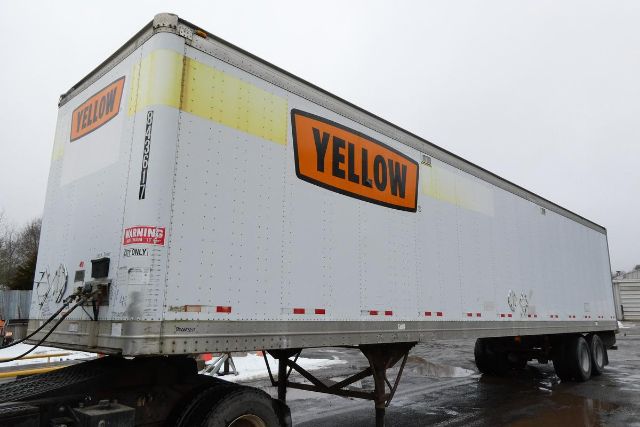
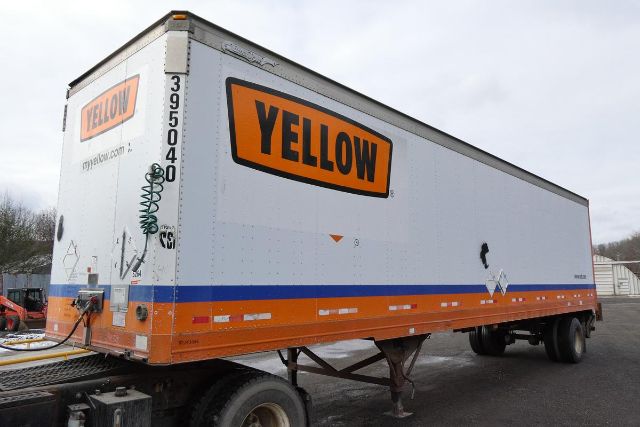
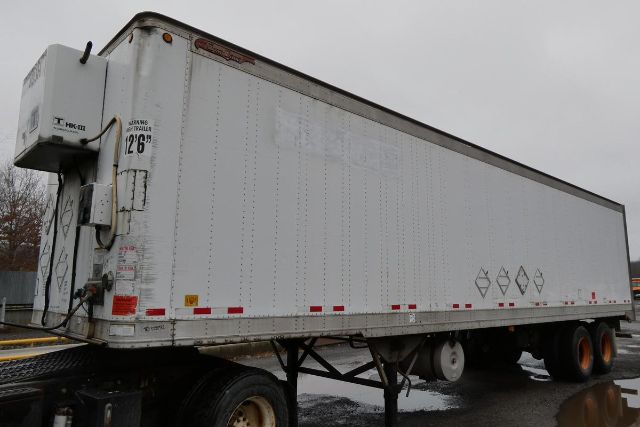
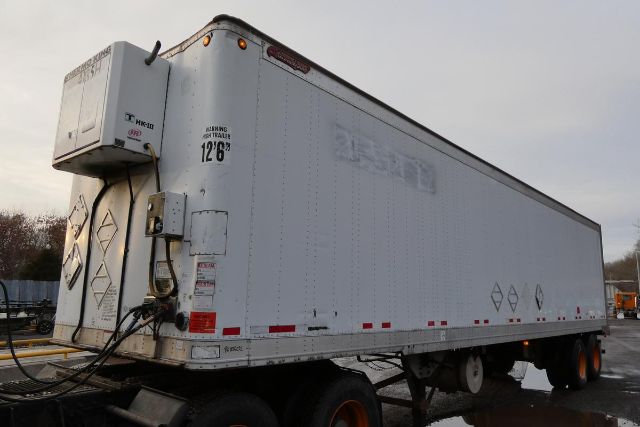
Showing 13 to 24 of 24 results
Have 2005 trailer to sell? List it here to reach thousands of buyers.
About 2005 Trailers in New York
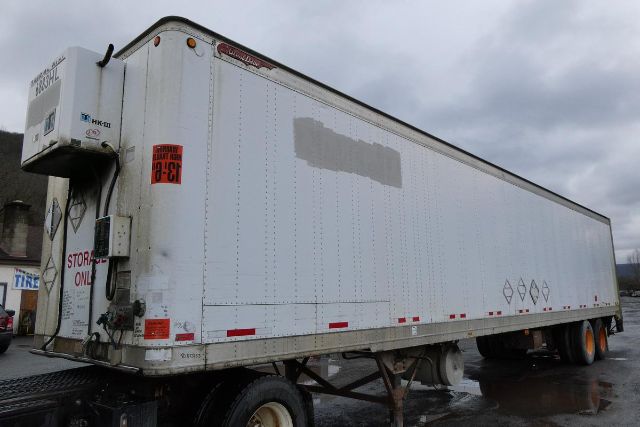
For dry van trailers, common specs include 28-foot pups, 48-foot vans, and 53-foot highway trailers with 102-inch width, roll-up or swing doors, wood-over-steel floors, scuff liners, and aluminum roofs. Sliding tandems matter if you run across multiple bridge formulas, warehouse docks, or dense Northeast freight lanes where axle placement can affect legality and maneuverability. On older vans, inspect the floor from rear threshold to nose, check crossmembers for corrosion, and look closely at roof bows, side posts, door frame condition, and signs of water intrusion. Suspension type also matters. Spring ride is common on older units and can be durable and simple, while air ride may be preferred for more fragile freight and smoother load handling.
For flatbed trailers, a 2005-era unit is often judged by deck integrity, frame straightness, and how much concentrated load it can still handle safely. Buyers should check deck height, main beam condition, apitong or wood floor wear, tire size, brake condition, and the condition of sliding tandem hardware if equipped. D-rings, winch tracks, stake pockets, and rub rails are worth close attention because they directly affect securement flexibility. In New York and the surrounding Northeast, road salt and winter exposure can accelerate corrosion on suspensions, brake components, light wiring, and the underside of the frame, so rust level is more than a cosmetic issue.
A good 2005 trailer often makes sense for regional hauling, yard service, seasonal surges, construction support, agricultural freight, or as a lower-cost addition to a mixed-age fleet. The best value usually comes from matching trailer type to duty cycle instead of chasing the lowest price. A dry van used for dock freight needs a solid floor, tight rear frame, and dependable door operation. A flatbed needs clean structural rails, usable securement points, and a deck that still supports the freight profile. Check VIN history, maintenance records, tire date codes, brake wear, and any evidence of prior repairs before comparing listings on price alone.
Frequently Asked Questions
What should I inspect first on a 2005 trailer?
Start with the frame, floor, suspension, brakes, and axle configuration. On a dry van, inspect the floor for soft spots, broken boards, crossmember damage, rear sill wear, and roof leaks. On a flatbed, focus on main rails, deck condition, rub rail integrity, and securement hardware. Because a 2005 trailer is an older asset, structural condition usually matters more than cosmetic appearance.
Is a 2005 trailer too old for commercial use?
Not necessarily. Many 2005 trailers remain productive in regional service, private fleet work, storage, and specialized applications if they have been maintained correctly. Age alone does not determine usefulness. Buyers should evaluate maintenance history, current DOT condition, parts availability, brake and tire life, and whether the trailer's specs still fit the intended freight and route requirements.
Are sliding tandems important on older dry van and flatbed trailers?
Yes, sliding tandems can be very important, especially in Northeast operations where bridge law compliance, dock access, and load distribution are part of daily routing. A working sliding tandem gives more flexibility for kingpin-to-axle adjustment and weight placement. On an older trailer, confirm that the slide rail, pins, and locking mechanism move and engage properly, since neglected tandem slides can become expensive to repair.
What construction materials are common on 2005 trailers?
Many 2005 trailers use aluminum, steel, or a combination of both. Dry vans often have aluminum roofs and mixed aluminum-steel body construction with wood-over-steel floors. Flatbeds may be steel with wood decking. Aluminum can reduce tare weight, while steel can offer durability in heavy-duty applications. The right choice depends on payload needs, corrosion exposure, repair expectations, and how the trailer will be used.
What matters most when buying a 2005 trailer in New York?
Corrosion, brake system condition, tire condition, and structural soundness should be at the top of the list. New York roads, winter weather, and road treatment chemicals can accelerate wear on undercarriage components, wiring, and steel structure. Buyers should pay close attention to rust around crossmembers, spring hangers, air brake components, light harnesses, and rear frame sections, then compare that condition against the trailer's expected workload.