
2005 Trailers For Sale in Nebraska
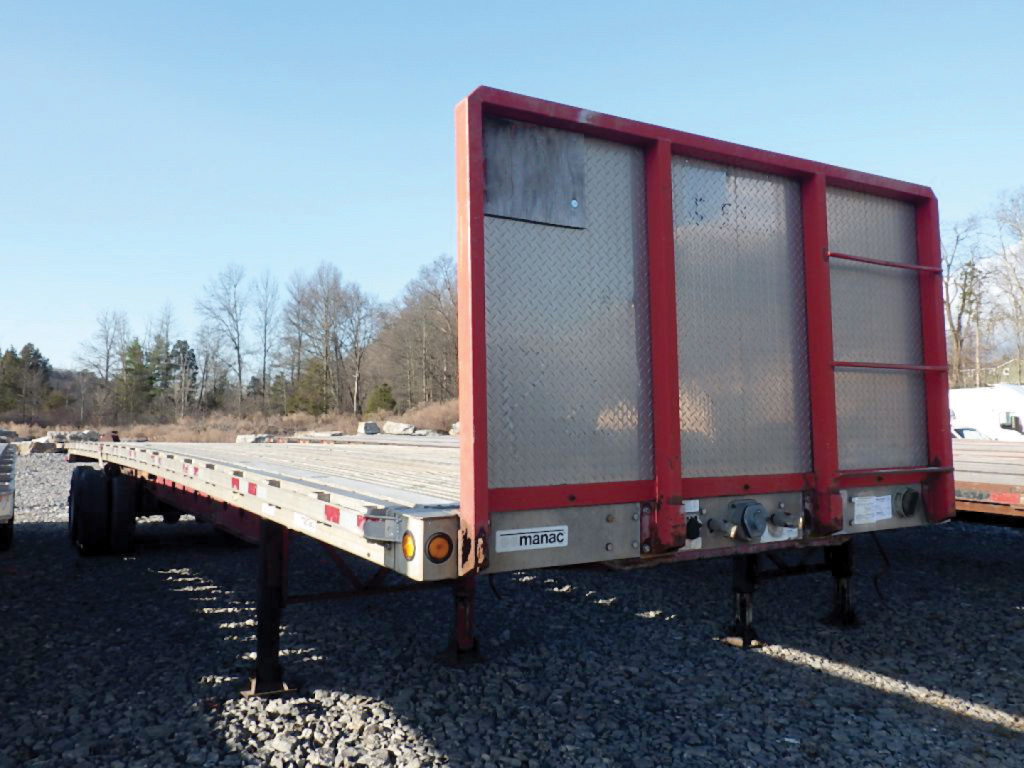
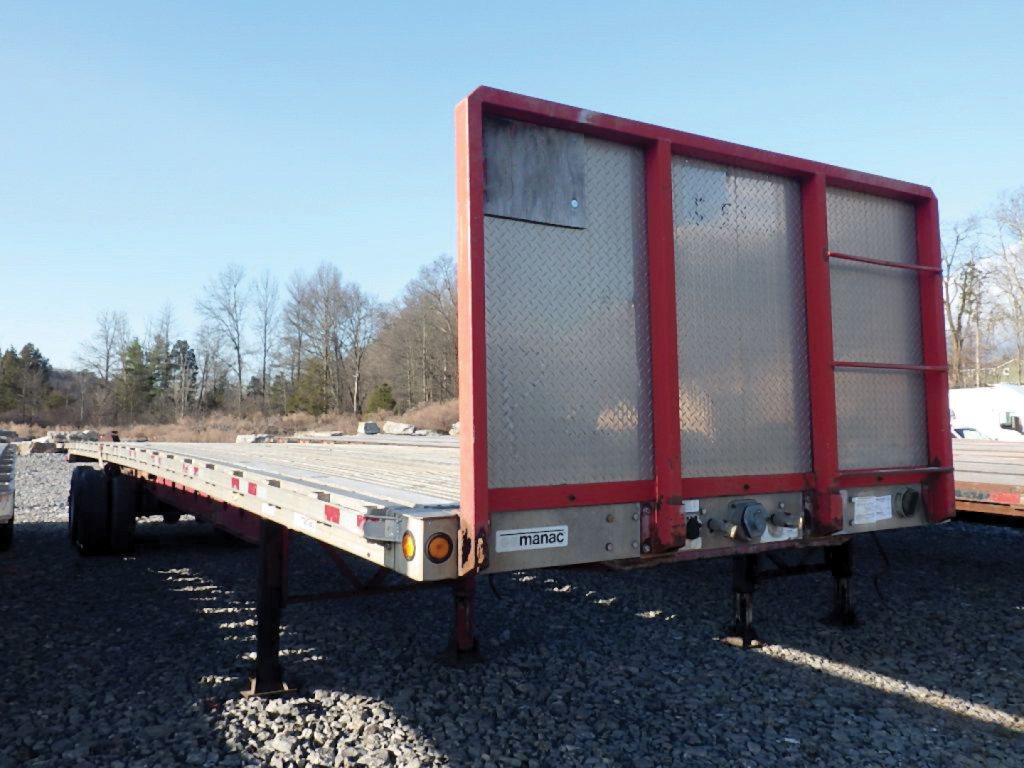
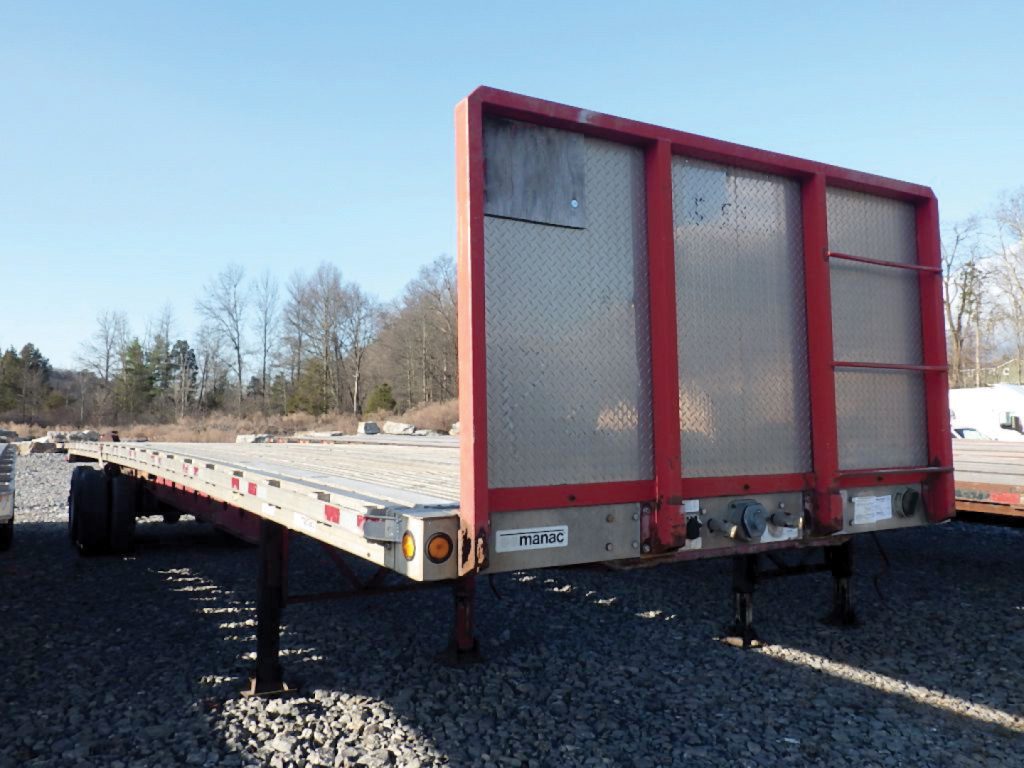
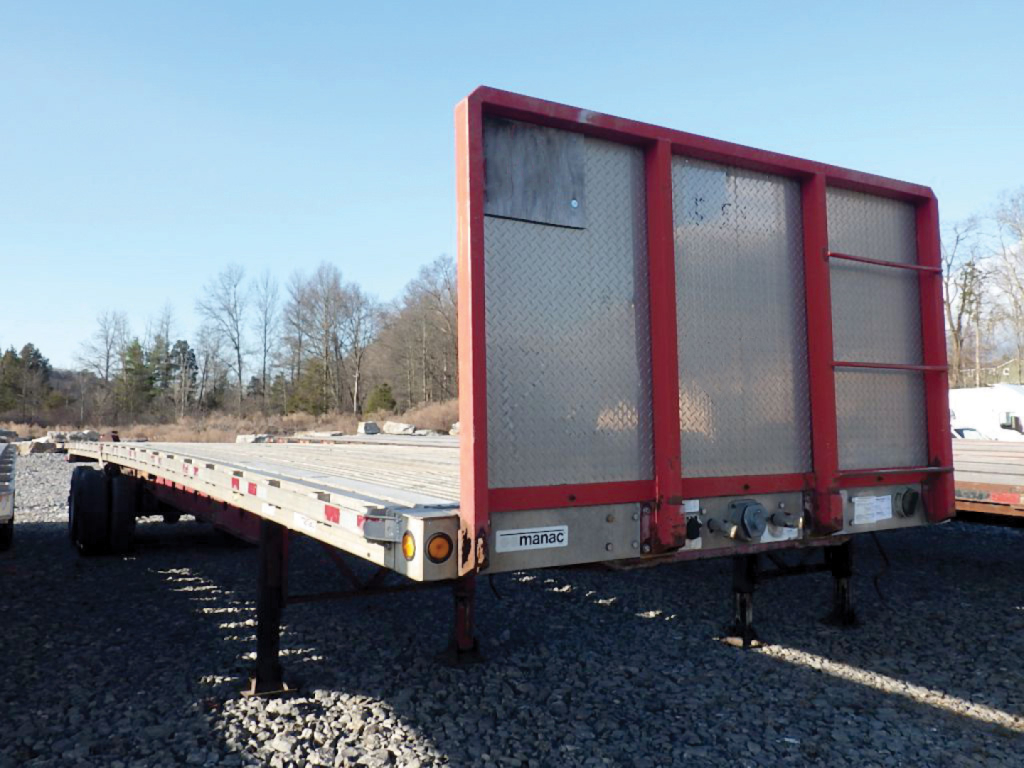

Have 2005 trailer to sell? List it here to reach thousands of buyers.
2005 Trailers in Nebraska
For dry van trailers, common specs in the 2005 range include 48-foot and 53-foot lengths, 102-inch width, swing or roll-up rear doors, wood floors, scuff liners, E-track or logistics posts, and either spring ride or air ride suspension. Sliding tandems are common and matter for bridge law flexibility and dock positioning. On reefer trailers, pay close attention to the refrigeration unit hours, service records, evaporator condition, chute or air delivery setup, floor type, and the condition of insulated walls, door seals, and stainless rear hardware. A reefer of this vintage may still fit local or backup cold-chain work if the box is tight and the unit has been maintained, but deferred unit repairs can outweigh the purchase price quickly.
Grain hoppers and hopper bottom trailers from this model year remain common in agricultural markets because the basic design is durable and repairable. Key checkpoints include hopper door operation, trap seals, roll tarp condition, subframe cracking, landing gear alignment, and the state of the aluminum tub or steel frame depending on construction. Air ride suspension is desirable for load protection and ride quality, while tire inflation systems, aluminum wheels, and lighter-weight specs can improve payload in bulk commodity service. If the trailer will run interstate, buyers should also confirm axle ratings, brake type, ABS function, lighting compliance, and tire date codes rather than focusing only on tread depth.
A good 2005 trailer is usually bought on maintenance history, not age alone. Disc brakes, side skirts, low-profile tires, galvanized door frames, duct floors, and logistics-ready interiors may appear on later trailers, but many older units have been updated over time. The right comparison is total operating cost: purchase price, immediate repair needs, parts availability, tare weight, and suitability for the intended freight. For Nebraska operations, that often means balancing highway miles, farm access, seasonal storage, and ease of service in a local shop.
Frequently Asked Questions about 2005 Trailers in Nebraska
What should I inspect first on a 2005 trailer?
Start with the structure. Check the frame rails, crossmembers, kingpin area, suspension mounts, landing gear supports, rear sill, and floor. Cosmetic wear is expected on an older trailer, but structural cracks, rust-through, soft flooring, roof damage, or severe tandem wear can turn a low purchase price into a costly repair project.
Is a 2005 reefer trailer still worth buying?
It can be, but the refrigeration unit and insulated box have to be evaluated as a system. Unit hours, maintenance records, fuel system condition, evaporator performance, door seals, floor integrity, and wall insulation all affect usable value. Older reefers often make the most sense for shorter regional lanes, seasonal use, or as backup capacity if the unit has been maintained and can hold temperature consistently.
Are 2005 hopper trailers still practical for grain hauling in Nebraska?
Yes, many 2005 hopper bottoms remain active in grain service because the design is straightforward and repairable. Buyers should inspect the hopper doors, traps, tarp system, ladder and catwalk condition, suspension, and the trailer's tub or frame for cracks and corrosion. A well-kept hopper from this era can still be a cost-effective choice for seasonal agricultural hauling.
What suspension is better on an older trailer, air ride or spring ride?
That depends on the application. Air ride generally offers better ride quality, less cargo shock, and stronger resale appeal, especially on dry vans, reefers, and higher-value freight applications. Spring ride is simpler and can be less expensive to maintain, but buyers should inspect equalizers, hangers, bushings, and axle alignment carefully on any older suspension type.
How important are tandem position and kingpin setup on a used trailer?
They matter a great deal because they affect bridge law compliance, tractor compatibility, turning radius, and axle weight distribution. Sliding tandems add flexibility for dock work and legal loading, while the kingpin setting influences how the trailer matches with the tractor's wheelbase and fifth wheel position. On a used trailer, confirm that the slider locks engage properly and that there is no excessive wear around the kingpin plate.