
2005 Flatbed Trailers For Sale in Nebraska
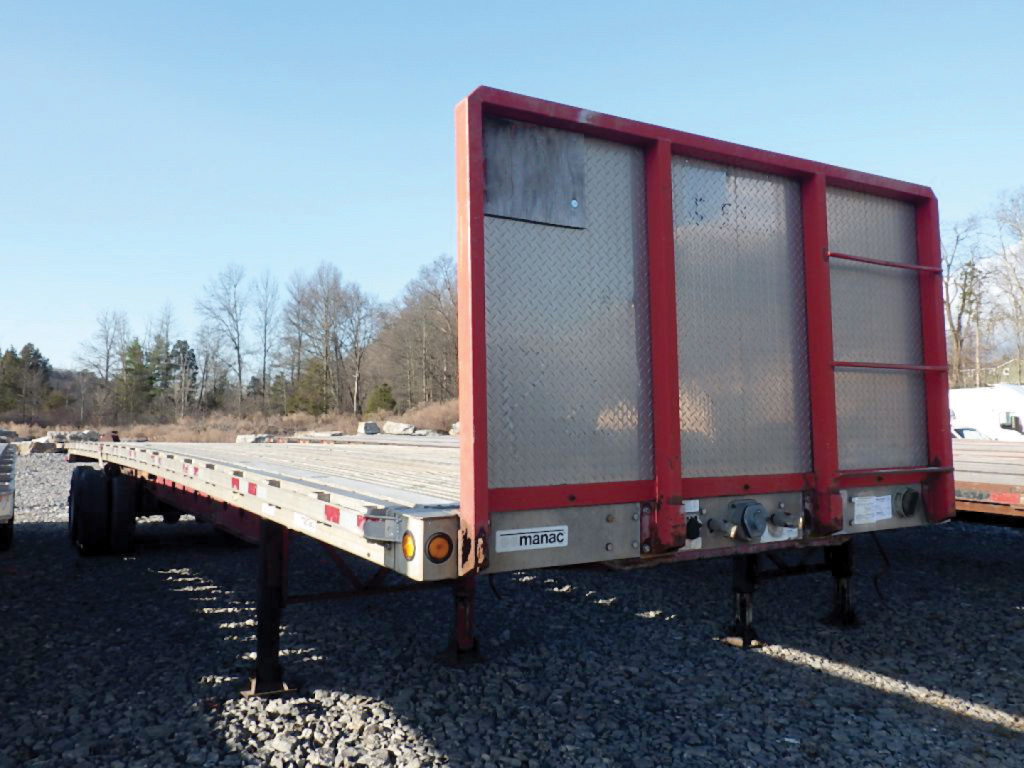
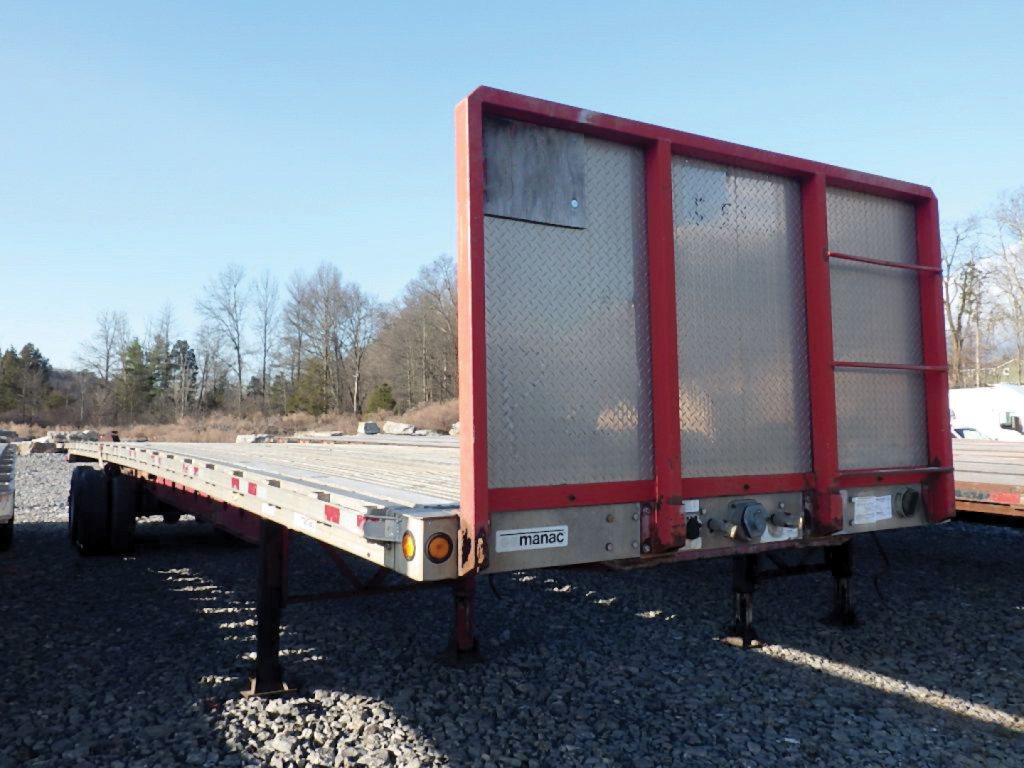
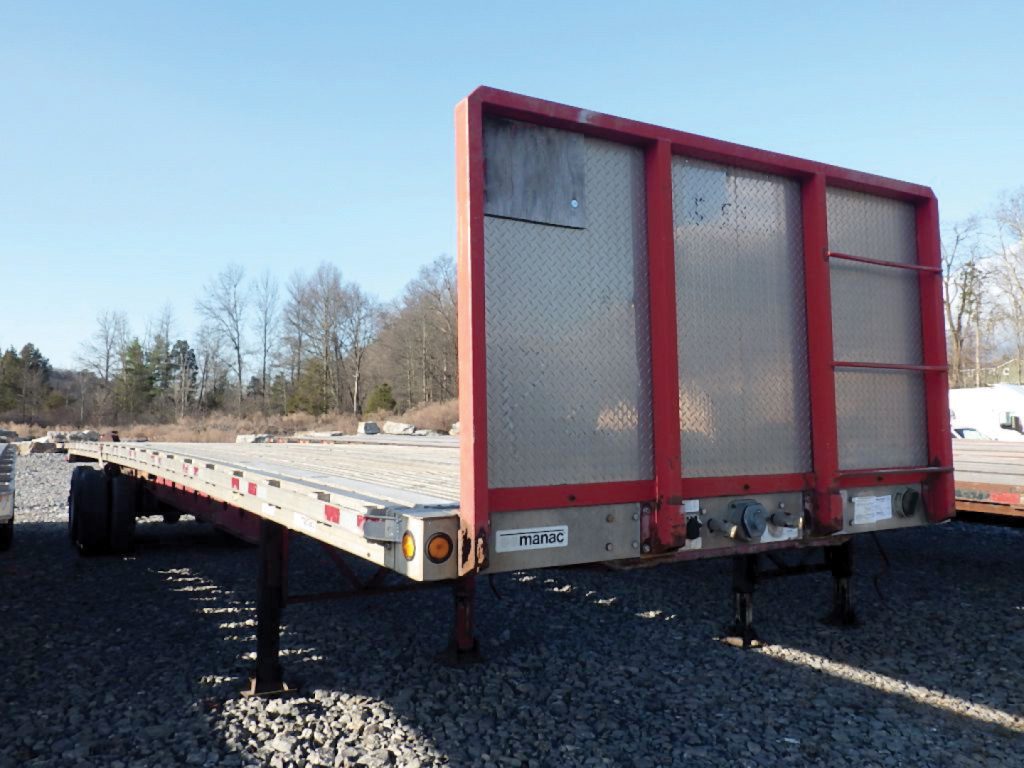
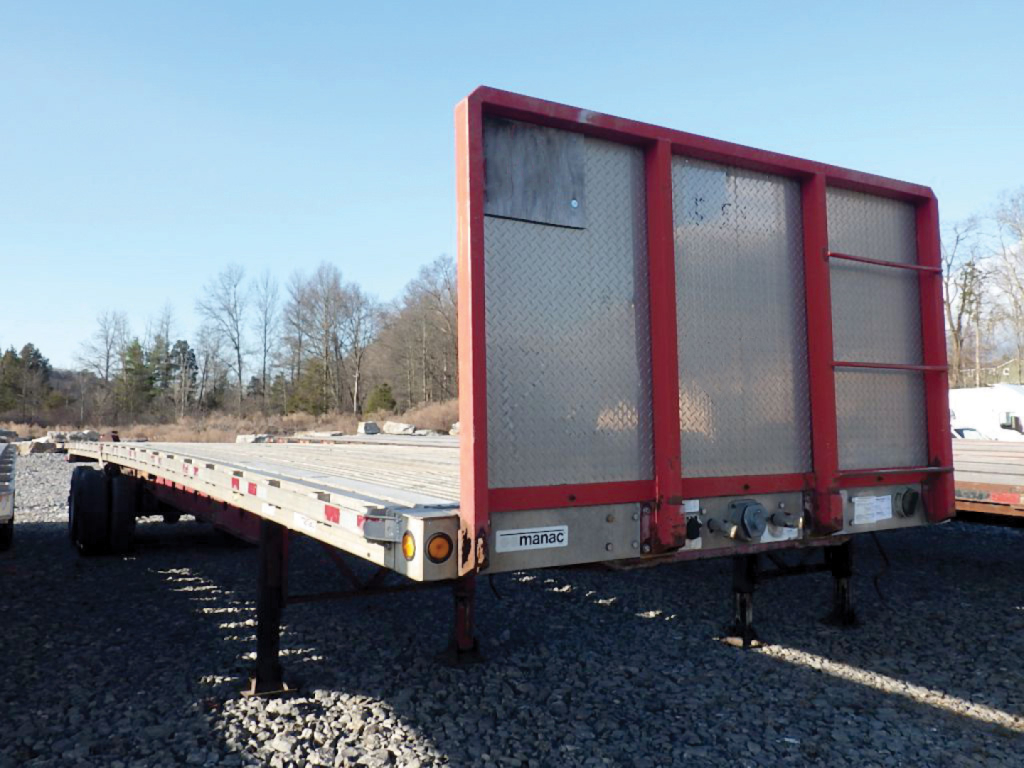

Have 2005 flatbed trailer to sell? List it here to reach thousands of buyers.
2005 Flatbed Trailers in Nebraska
Floor construction is one of the biggest dividing lines in used flatbed trailers. Aluminum floors reduce tare weight and can be a strong fit for operations chasing payload, while wood floors remain popular for general freight because they are familiar, serviceable, and often provide solid traction and securement flexibility. Composite aluminum and steel flatbeds are also common in 2005 model year equipment, offering a balance between weight savings and durability. Buyers should inspect nail strips, deck wear, floor fasteners, and any signs of corrosion around steel-to-aluminum contact points. A bulkhead is a valuable spec for certain building materials, palletized freight, and machinery moves, but its condition and mounting points should be checked closely.
Securement features often determine how useful a flatbed will be on day one. Sliding winch tracks, spool winches, rub rails, stake pockets, chain spools, and coil package setups all affect the kind of freight the trailer can handle efficiently. Suspension choice also matters. Air ride is generally preferred for more sensitive freight and ride quality, while spring suspension can be attractive for simplicity and lower repair complexity. On a 2005 flatbed, it is smart to inspect the tandem slide operation, suspension bushings, brake components, wheel ends, tires, and signs of uneven wear that may point to alignment or frame issues. Tire size and wheel type can also affect replacement cost and compatibility with the rest of a fleet.
For Nebraska operators, a used flatbed often needs to be versatile enough for agricultural products, steel, lumber, machinery, and general building materials. A well-spec'd 2005 flatbed trailer can still serve regional hauling, local deliveries, and seasonal peak work if it has good maintenance history and a sound deck structure. The best buying decision usually comes down to matching trailer weight, deck condition, width, suspension, and securement layout to the freight you actually haul. A lighter trailer is not always the better trailer if the frame, floor, or slide assembly is already at the point where repairs will erase any upfront savings.
Frequently Asked Questions about 2005 Flatbed Trailers in Nebraska
What should I inspect first on a 2005 flatbed trailer?
Start with the structure. Inspect the main rails, crossmembers, kingpin plate, landing gear mounts, rear frame, and tandem slide rails for cracks, corrosion, repairs, or distortion. After that, review deck condition, suspension wear, brake components, wheel ends, and tire wear patterns. On an older flatbed, structural integrity and safe operation matter more than appearance.
Is an aluminum floor better than a wood floor on a used flatbed?
It depends on the freight and your maintenance priorities. Aluminum floors usually help reduce tare weight and can increase available payload, which matters in weight-sensitive operations. Wood floors are still widely used because they are easier to repair, familiar to most fleets, and work well for many general freight applications. On a 2005 trailer, condition is more important than material alone, so look for floor damage, loose fasteners, rot, cracking, or corrosion around attachment points.
Why does a sliding tandem matter on a flatbed trailer?
A sliding tandem gives the driver more flexibility in axle weight distribution and bridge law compliance. That matters when hauling different freight lengths, dense loads, or unevenly balanced cargo. On a used 2005 flatbed, make sure the slide mechanism moves correctly, locks securely, and does not show excessive wear in the rail system or pins, because repairs in that area can become expensive.
What securement features are most important on a flatbed trailer?
The right securement package depends on the freight mix, but common must-have features include a solid rub rail, stake pockets, winch track, functioning winches, and a usable deck surface. Some buyers also look for chain ties, double spool winches, bulkheads, or coil package configurations. A trailer with the right securement setup can reduce loading time and make it easier to keep drivers compliant with cargo securement rules.
Are 45-foot flatbed trailers still useful in regional hauling?
Yes, a 45-foot flatbed can still be a useful trailer for regional freight, jobsite deliveries, agricultural support, and specialized customer lanes. It may not fit every shipper profile the way a 48-foot trailer does, but it can be easier to position, lighter in some builds, and well suited to operations that do not need maximum deck length on every load. The key is making sure the trailer's deck size and legal weight setup match the freight you move most often.