
2004 Trailers For Sale in Texas
Browse 2004 trailers for sale in Texas, including van, flatbed, reefer, tank, and specialty trailer options for regional or long-haul use.
Learn more
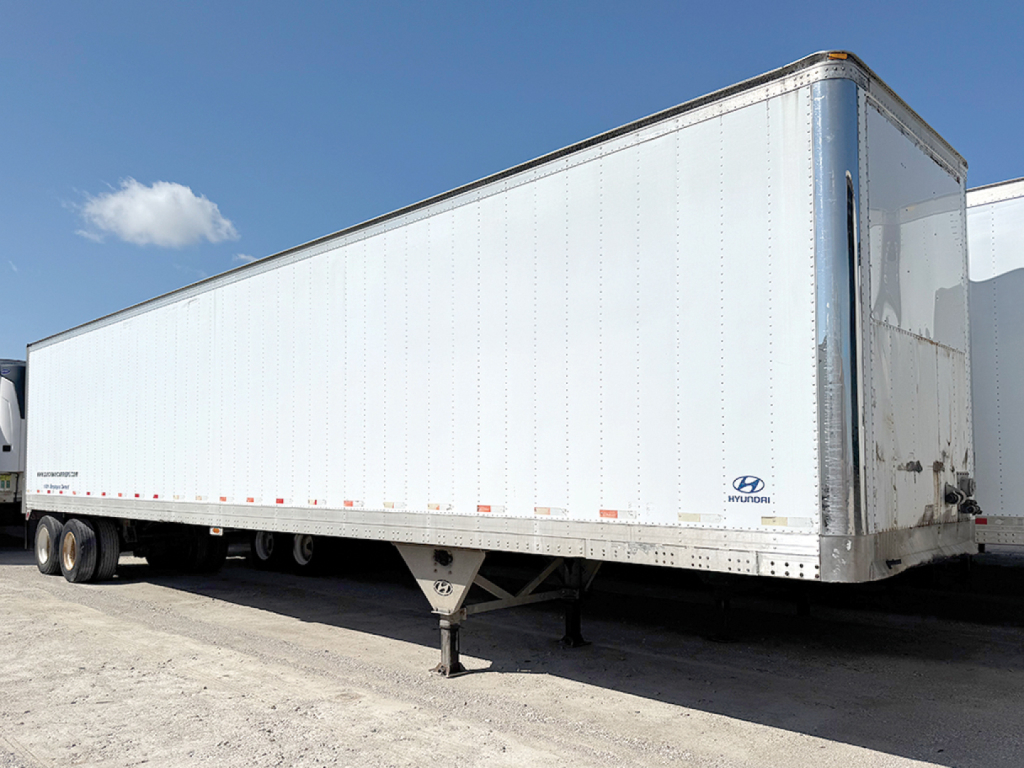
Have 2004 trailer to sell? List it here to reach thousands of buyers.
About 2004 Trailers in Texas
The most common 2004 trailer types on the used market include dry vans, refrigerated trailers, flatbeds, tank trailers, and vocational specialty bodies. Standard van and reefer lengths are typically 48 or 53 feet with 102-inch width, while flatbeds commonly come in 48-foot configurations with steel, aluminum, or combo construction. Suspension may be air ride or spring ride depending on the original application. Sliding tandems are common on highway trailers, while fixed tandem and spread axle setups show up more often on specialized applications. Buyers should also pay attention to wheel-end spec, tire size, drum versus disc brakes, landing gear condition, and kingpin area wear, especially on higher-mileage units that have spent years in fleet service.
For refrigerated trailers, the trailer box is only half the decision. Unit hours, reefer engine service records, floor type, chute condition, and insulation performance are what determine real value. Dry vans from 2004 can still serve well in storage, short-haul freight, or dedicated lane work if the floor and logistics setup remain usable. On flatbeds, coil package spec, bulkhead configuration, crossmember spacing, and tie-down equipment often matter more than paint or brand decals. Tank and vacuum trailers require even closer review of barrel condition, lining, plumbing, suspension, and compliance requirements tied to the intended commodity. In Texas, application fit is critical because a trailer that works well in general freight may not be suited for oilfield, agricultural, or heavy construction service.
A buyer comparing 2004 trailers should look at total cost to put the trailer to work, not just purchase price. That means estimating tires, brakes, lights, mudflaps, air leaks, reefer service, floor repairs, or DOT-required updates before the trailer is dispatched. It also helps to confirm VIN history, title status, axle ratings, and any modifications that affect legal payload or compatibility with the tractor. Older trailers can still offer strong value when they have a sound frame, a usable spec, and maintenance records that show the trailer has not been run to the end of its life.
Frequently Asked Questions
What should I inspect first on a 2004 trailer?
Start with the frame, suspension, brakes, tires, and kingpin area because those items determine whether the trailer is roadworthy and economically repairable. On vans and reefers, inspect the floor, roof, rear frame, and sidewall condition. On flatbeds, inspect the main beams, crossmembers, deck, winch track, and tie-down points. On any 2004 trailer, signs of major structural repairs, uneven tire wear, cracked welds, or neglected wheel ends usually matter more than appearance.
Are 2004 trailers still good for over-the-road use?
Yes, a 2004 trailer can still be suitable for over-the-road service if it has been maintained properly and the core structure is sound. Many older trailers remain productive in regional freight, dedicated lanes, storage applications, agricultural hauling, and specialty work. The key is to verify the trailer does not need major immediate spending on brakes, tires, suspension, flooring, or refrigeration equipment. Age alone does not make a trailer unusable, but deferred maintenance can quickly erase any purchase savings.
What trailer types are common in the 2004 used market?
Dry vans, refrigerated trailers, flatbeds, tank trailers, and vocational specialty trailers are all common in the 2004 model year range. Dry vans and reefers are often found in 48-foot and 53-foot lengths. Flatbeds are commonly 48 feet and may be steel, aluminum, or combo construction. Tank and vacuum trailers vary more by industry, capacity, and compliance requirements. The right choice depends on freight type, loading method, route length, and whether the trailer will be used in general freight or a specialized Texas application.
Is air ride better than spring ride on an older trailer?
Air ride is generally preferred for freight protection, ride quality, and broader resale appeal, especially on vans, reefers, and many flatbeds. Spring ride can still be a practical option for certain vocational or lower-cost applications, but it usually delivers a rougher ride and may be less desirable for sensitive cargo. On a 2004 trailer, condition matters as much as suspension type. A well-maintained spring suspension can be more dependable than a neglected air ride system with leaking bags, worn shocks, or damaged height control components.
How do I judge the value of a 2004 trailer?
The best way to judge value is to compare the trailer's current condition, remaining service life, and required repairs against its intended use. A lower-priced trailer that needs tires, brakes, suspension work, floor repairs, or reefer service may cost more in the first 90 days than a better-maintained unit with a higher purchase price. Buyers should factor in downtime, compliance needs, title status, axle capacity, and whether the trailer's spec actually fits the freight. On older equipment, maintenance history and structural condition usually drive value more than brand name alone.