
2004 Hyundai Trailers For Sale in Texas
Browse 2004 Hyundai trailers for sale in Texas, including common reefer trailer specs, construction details, and buyer-focused inspection points.
Learn more
Have 2004 hyundai trailer to sell? List it here to reach thousands of buyers.
About 2004 Hyundai Trailers in Texas
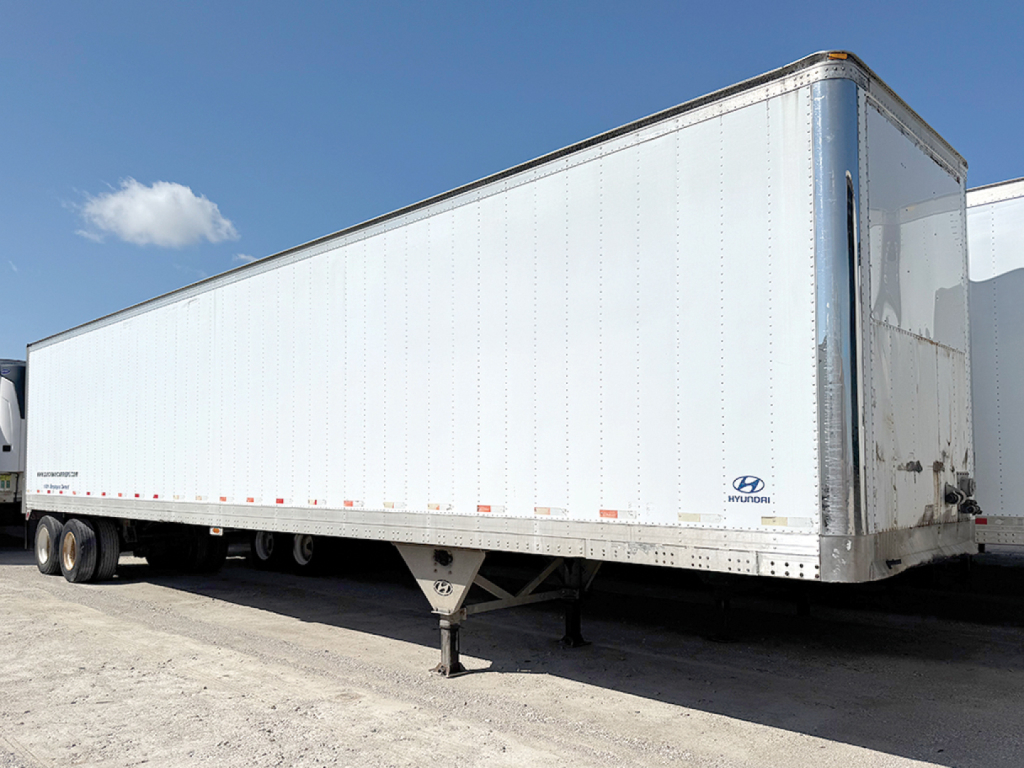
For refrigerated applications, a 2004 Hyundai reefer trailer is often built around an aluminum body with insulated walls, stainless steel rear components, and freight-control features such as scuff liners or E-track. Some trailers from this year are sold less refrigeration unit, which can still make sense for buyers planning a repower, a lane-specific cold storage setup, or a static storage application. Floor type is one of the most important spec decisions. An aluminum duct floor supports airflow for palletized temperature-controlled freight, while overall floor condition tells you a lot about forklift wear and trailer abuse. Door style, cold chute presence, interior lining, and inside height should all be checked against the freight mix you plan to haul.
Suspension and chassis condition deserve close attention on any 2004 trailer. A spring suspension reefer may be attractive for simplicity and lower repair cost, while air ride is often preferred for more fragile cargo. Sliding tandem operation, tandem rail condition, brake type, wheel-end history, and crossmember integrity all affect total cost after purchase. Buyers should also inspect the nose, roof seams, rear frame, threshold, kingpin plate, and landing gear structure for signs of corrosion, impact damage, or repeated dock stress. On older Hyundai trailers, maintenance history matters more than brand reputation alone. A well-kept 2004 unit with clean structural condition can outperform a newer trailer that has seen poor fleet maintenance.
Texas buyers should also think in terms of compliance and operating fit. Trailer height, axle spread, tire condition, DOT readiness, and reefer unit emissions status can all influence where and how the trailer can be used. If the trailer is intended for produce, meat, dairy, or frozen freight, confirm insulation condition, door seal integrity, and floor airflow performance before making a decision. If it will be used for storage or repurposed freight service, overall structural soundness may matter more than refrigeration system age. A 2004 Hyundai trailer remains relevant when the spec matches the lane, the body is straight, and the undercarriage has not been neglected.
Frequently Asked Questions
What should I inspect first on a 2004 Hyundai reefer trailer?
Start with the structural and temperature-control basics. Check the floor for forklift damage, soft spots, broken welds, and airflow restriction if it has a duct floor. Inspect the front wall, roof seams, rear frame, door frame, and threshold for impact damage or water intrusion. Then review suspension, slider rails, brakes, tires, and wheel ends. If the trailer has a reefer unit, verify hours, service records, operating temperature pull-down, and any fault codes. If it is being sold less unit, make sure the body and insulation package still fit your intended use.
Are 2004 Hyundai trailers good for Texas regional and long-haul work?
They can be, provided the trailer has been maintained and the spec matches the freight. Texas operations often put trailers through high heat, heavy interstate miles, and frequent dock cycles, so suspension condition, tire health, brake performance, and door sealing matter. A 53-foot Hyundai reefer or van trailer from this era can still serve regional distribution, cross-border freight staging, or long-haul lanes if the chassis is sound and the trailer is DOT ready.
What is the advantage of an aluminum Hyundai trailer from this model year?
Aluminum construction helps control tare weight and resists corrosion better than heavier steel-bodied designs in many applications. That can be useful for payload-sensitive freight and for buyers who want an older trailer that still has a reasonable service life left. Aluminum does not eliminate the need for inspection, though. Buyers still need to examine crossmembers, rivets, floor attachment points, rear frame areas, and any past repairs to make sure the trailer has not developed structural fatigue.
Is it worth buying a 2004 Hyundai reefer trailer without a refrigeration unit?
It can be, depending on price and intended use. A trailer sold less unit may work for stationary cold storage conversion, a planned reefer repower, or non-refrigerated cargo where the insulated body still adds value. The key is to compare the trailer price plus the cost of installing or replacing a unit against the cost of a complete ready-to-run reefer. Buyers should also confirm that the bulkhead area, fuel tank mounts, electrical system, and front wall are suitable for the unit they plan to install.
Which specs matter most when comparing older Hyundai trailers?
Focus on length, width, inside height, suspension type, floor construction, tandem slider condition, door configuration, and tire and brake setup. For reefers, add insulation condition, reefer unit status, cold chute, scuff liners, and logistics features such as E-track. For any 2004 trailer, service records and visible structural condition usually matter more than small option differences. A clean frame, solid floor, straight body, and properly functioning slider are often better indicators of value than brand name alone.