
2003 Trailers For Sale in New York
Shop 2003 trailers for sale in New York. Compare dry van specs, lengths, axle setups, suspension, GVWR, and overall condition.
Learn more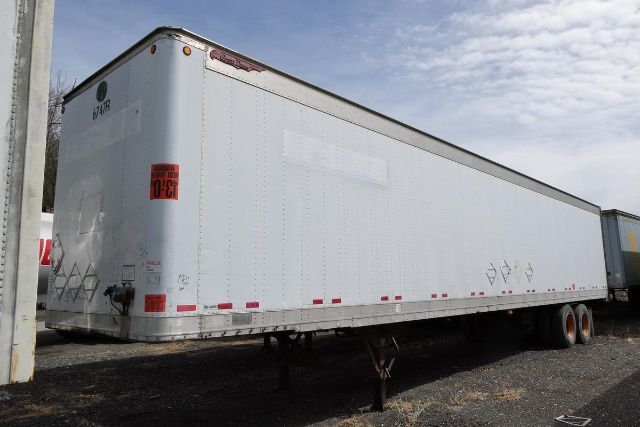
Showing 25 to 26 of 26 results
Have 2003 trailer to sell? List it here to reach thousands of buyers.
About 2003 Trailers in New York
The first decision is usually length and axle configuration. A 48-foot van trailer can make sense for tighter yards, city delivery patterns, or customers trying to balance capacity with maneuverability. A 53-foot trailer is the standard for maximizing cube in general freight. Sliding tandem axles matter if you need flexibility for bridge laws, dock positioning, or load distribution. On older trailers, buyers should pay close attention to suspension condition, slider function, crossmember integrity, and signs of wear around the suspension hangers and rear frame. In New York, road conditions, winter corrosion, and heavy stop-and-go service make undercarriage inspection especially important.
Body construction and cargo area condition matter as much as the VIN plate on a 2003 trailer. Many trailers from this period use aluminum-and-steel combinations to keep weight reasonable while maintaining structural strength. Inspect the roof bows, front wall, upper coupler area, rear frame, and door surround for cracking, patches, or distortion. Inside the box, look at floor rot, loose boards, worn thresholds, and rub rail damage from forklift traffic. If the trailer has an overhead roll-up door, make sure the tracks, springs, and rollers operate correctly. Scuff liners, side posts, and logistics posts can add value depending on the freight mix, especially for palletized freight and multi-stop work.
For buyers comparing older trailers, the real question is cost per useful year, not just purchase price. Brake condition, tire age, wheel-end service history, light system repairs, and DOT readiness can swing operating cost quickly on a used 2003 trailer. A well-kept older van trailer may fit warehouse overflow, local cartage, export staging, or seasonal freight better than a more expensive late-model unit. Matching the trailer’s interior dimensions, axle setup, and structural condition to the job is what determines value.
Frequently Asked Questions
What should I inspect first on a 2003 trailer?
Start with the frame, suspension, and floor because those are the most expensive areas to correct. Check the main rails, crossmembers, slider box, suspension hangers, landing gear mounts, rear frame, and upper coupler for cracks, corrosion, poor weld repairs, or impact damage. Then inspect the floor from front to rear for soft spots, broken boards, fastener pull-through, and forklift wear. After that, review brake condition, tire date codes, wheel seals, lights, and door operation.
Is a 2003 dry van trailer still worth buying for freight service?
It can be, if the trailer is structurally sound and the intended use matches the age and spec. Many 2003 dry vans still serve well in regional lanes, local delivery, warehouse storage, drop trailer fleets, and seasonal overflow work. The value depends less on age alone and more on maintenance history, corrosion level, floor strength, brake life, and whether the trailer can stay productive without immediate major repairs.
What length is more practical in this category, 48-foot or 53-foot?
A 53-foot trailer provides more cubic capacity and remains the standard choice for general freight. A 48-foot trailer can be a better fit where maneuverability matters more, such as older yards, urban docks, or operations with shorter commodity loads. The right choice depends on lane requirements, shipper dock space, bridge law considerations, and how much cube your freight actually uses.
Why is sliding tandem axle configuration important on older trailers?
Sliding tandems give the operator flexibility to adjust weight distribution, meet bridge regulations, and improve dock positioning. On an older trailer, that flexibility is valuable, but the slider assembly must be inspected carefully. Wear in the rails, locking pins, bushings, and air release components can turn a useful feature into a maintenance issue if it has not been serviced properly.
What problems are common on older van trailers in New York?
Corrosion is a major concern because of winter road treatment, moisture, and age. Buyers should expect to inspect brake components, air lines, wiring, rear impact guard areas, door hardware, and steel substructures closely. Floor wear from forklift traffic and damage around the rear frame are also common. A trailer that looks acceptable from the outside can still need significant underbody or cargo-area repairs, so a thorough physical inspection matters.