
Tank Trailers For Sale in New York
Browse tank trailers for sale, including stainless, aluminum, fuel, chemical, food-grade, and waste tankers with common specs and buyer insights.
Learn moreNo exact matches found for your search
Showing Tank Trailers instead.

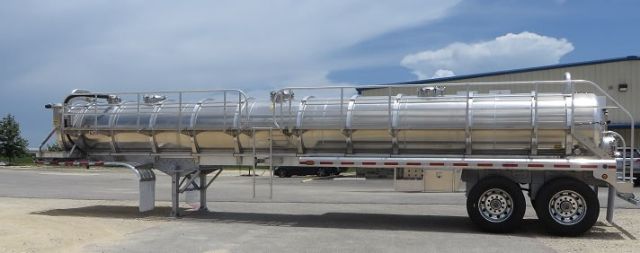
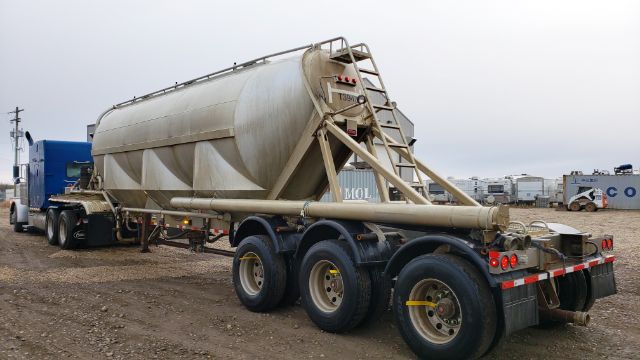
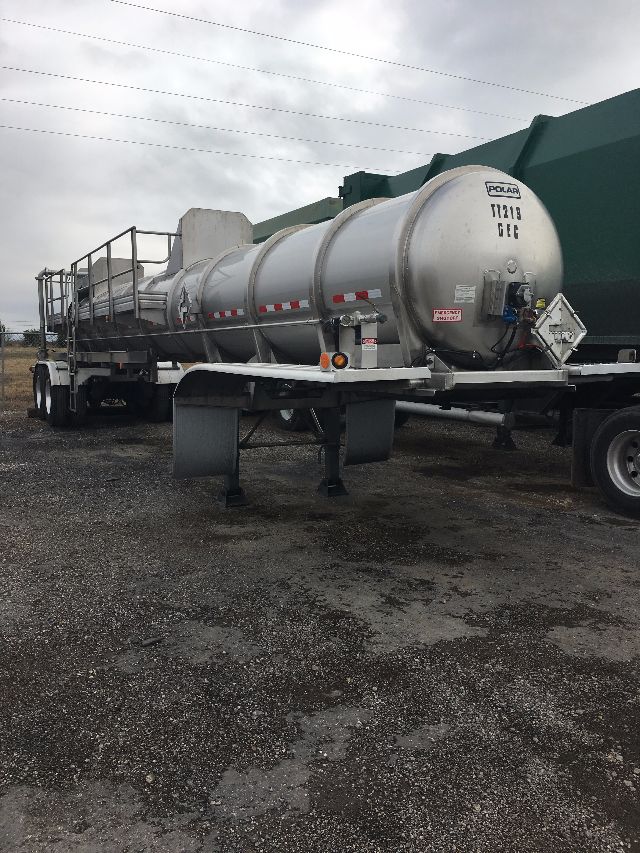
Have tank trailer to sell? List it here to reach thousands of buyers.
About Tank Trailers in New York
Capacity, compartment layout, and trailer configuration determine how useful a tank trailer will be in day-to-day operation. Common tank capacities range from smaller single-compartment units around 5,000 to 7,000 gallons up to higher-capacity highway tankers depending on product weight and legal axle loading. Buyers should look closely at whether the trailer is baffled or non-baffled, insulated or non-insulated, and set up for pressure, vacuum, or straight atmospheric service. A single-compartment waste or sludge tank is very different from a multi-compartment fuel tanker designed for split loads. Tandem axle setups are common, and suspension choice, kingpin setting, overall length, and bridge compliance all affect where and how the trailer can run, especially in dense Northeast lanes and older terminal yards.
Fittings and discharge equipment often matter as much as the shell itself. Manways, vapor recovery, internal valves, pump systems, rear or curbside discharge, hose trays, meter packages, and API equipment should match the freight you intend to haul. For food-grade service, sanitary welds, clean-out access, insulation, and heating systems can be critical. For chemical or waste service, buyers should verify compatibility with seals, gaskets, and valve materials, plus any evidence of prior contamination or repairs. A good tank trailer inspection should include barrel condition, frame and subframe integrity, suspension wear, brake system condition, tire age, and a close look at all weld seams, baffles, and mounting points. In New York, buyers also tend to pay closer attention to corrosion on older units because road salt can shorten the life of running gear, airlines, and structural components.
Paperwork is part of the equipment on a tank trailer. DOT specification, pressure test records, lining or cleaning documentation, and the trailer’s commodity history can directly affect where it can be put to work. If the trailer is intended for hazmat, petroleum, or regulated waste, specification compliance is not optional and retrofitting can get expensive fast. The best buy is usually the trailer whose tank class, capacity, and plumbing already fit the intended lane and product, because changing compartments, adding pumps, or converting service type can cost more than many buyers expect.
Frequently Asked Questions
What should I check first when buying a used tank trailer?
Start with the trailer’s previous commodity history, tank material, DOT specification, and current test documentation. Those four items tell you whether the trailer is even suitable for your intended product before you spend time on cosmetic condition. After that, inspect the shell, welds, suspension, brakes, valves, and all plumbing components, because deferred maintenance on a tank trailer can be expensive and difficult to correct.
What tank material is best for a tank trailer?
The best material depends on the commodity. Stainless steel is often preferred for corrosive products, waste, and many sanitary applications because it resists contamination and cleans well. Aluminum is common for petroleum service because it is lighter and helps maximize payload. Carbon steel can still be effective in certain industrial applications, but product compatibility, lining condition, and maintenance history are more important than choosing by material alone.
How do I choose the right tank trailer capacity?
Choose capacity by balancing payload, product weight, route laws, and delivery style. A larger gallon rating is not always better if the commodity is heavy and the trailer will hit axle limits before it fills. Compartment count also matters. A single-compartment tank works well for one-product hauling, while multi-compartment tanks are better for split loads such as fuel distribution. Buyers should match gallon capacity and axle configuration to legal GVWR and bridge requirements in their operating region.
Are tank trailers different for fuel, food-grade, chemical, and waste hauling?
Yes. Tank trailers are highly application-specific. Fuel tankers often use multi-compartment layouts, API equipment, and metering-related components. Food-grade tanks typically require sanitary construction, specialized clean-out access, and sometimes insulation or heating. Chemical tanks may need specific shell materials, linings, pressure ratings, and gasket compatibility. Waste and sludge tanks may be built for vacuum or specialized loading and discharge systems. A trailer set up for one service may not be practical or legal for another without major modification.
Why is paperwork so important on a tank trailer?
A tank trailer’s paperwork affects both compliance and resale value. Test records, specification plates, repair history, and cleaning or lining documentation can determine whether the trailer can legally haul a regulated product. Missing or outdated records can delay operation, require retesting, or limit the trailer to a narrower range of commodities. On regulated tank equipment, documentation is not just administrative. It is part of the trailer’s working value.