
Tank Trailers For Sale in Georgia
Browse tank trailers for sale in Georgia, including pneumatic and liquid tank configurations for bulk hauling, regional work, and plant service.
Learn moreNo exact matches found for your search
Showing Tank Trailers instead.

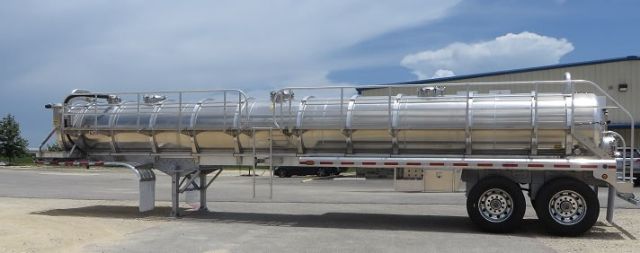
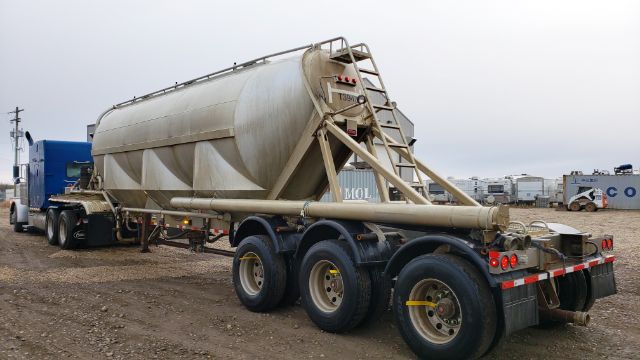
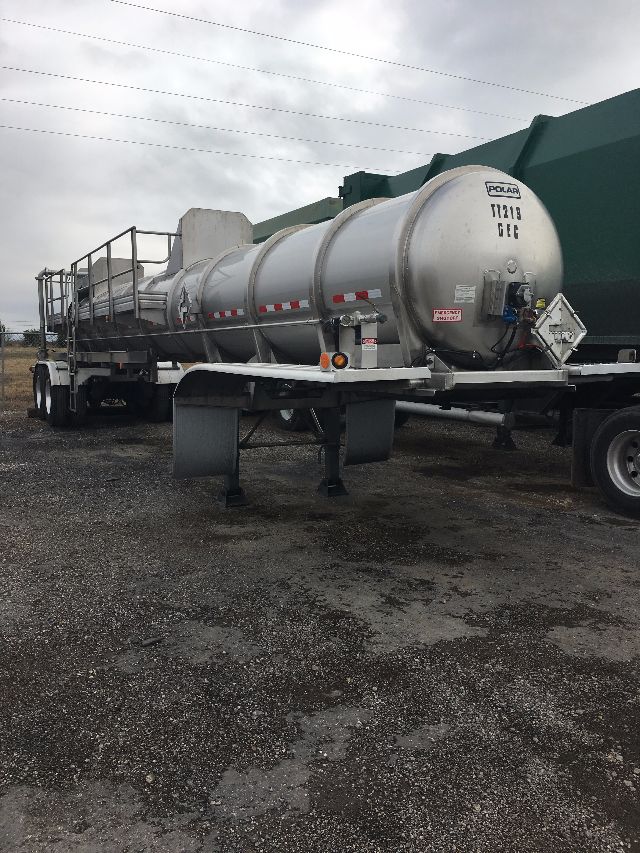
Have tank trailer to sell? List it here to reach thousands of buyers.
About Tank Trailers in Georgia
Construction details matter because tank trailers live and die by weight, product integrity, and cleanout time. Aluminum tank trailers are common when payload is the priority, while stainless steel is preferred for corrosive products, sanitary service, and applications that demand a tougher shell. Buyers should pay close attention to capacity by gallons or cubic feet, number of compartments, manhole layout, center or rear discharge configuration, frame design, and suspension type. On dry bulk units, hopper count, cone angle, blower setup, product valves, and plumbing condition directly affect unload speed and how completely the trailer empties. On liquid tanks, internal condition, lining status, outlet arrangement, and pump compatibility are just as important as axle and brake specs.
A tank trailer working in Georgia may see short plant-to-jobsite runs around Atlanta, port-related freight near Savannah, or longer regional lanes through the Southeast, so spec choices should match duty cycle and route. Air ride suspension is common for product protection and smoother operation, while tire size, wheel material, and axle spacing can influence maintenance cost and bridge compliance. Buyers should also review DOT inspection history, barrel condition, weld repairs, frame corrosion, suspension wear, and the serviceability of valves, hoses, and seals. If the trailer is a pneumatic tanker, check the pressure system carefully, including relief valves, gauges, aeration lines, and discharge components, because small issues there turn into slow unloads and costly downtime.
The strongest value in this category usually comes from matching the trailer to the commodity and facility requirements, not simply buying on price or capacity. Confirm loading and unloading compatibility with your plants, terminals, or customer sites, including hose connections, blower requirements, product contamination standards, and height restrictions. A tank trailer can be a highly productive asset when the shell material, discharge design, suspension, and capacity all line up with the work. Buyers comparing tank trailers for sale in Georgia should focus on legal payload, inspection condition, and application-specific equipment before anything else.
Frequently Asked Questions
What is the difference between a pneumatic tank trailer and a liquid tank trailer?
A pneumatic tank trailer is built for dry bulk commodities such as cement, lime, flour, sand, and fly ash. It uses air pressure to move product out through hoppers and discharge lines. A liquid tank trailer is designed for cargo that flows as a liquid, such as fuel, chemicals, milk, water, or waste. The two trailer types differ in shell design, discharge system, pressure components, cleanout process, and commodity compatibility, so the right choice depends entirely on what you haul.
What should I inspect first on a used tank trailer?
Start with the tank shell or barrel, frame, suspension, brakes, tires, and all discharge components. Look for weld repairs, corrosion, cracks, valve wear, leaking seals, and signs of poor maintenance. On a pneumatic tanker, inspect the hoppers, plumbing, gauges, relief valves, and aeration system. On a liquid tank, check internal condition, compartment integrity, outlet hardware, and any lining or sanitary components. A trailer can look clean outside and still need expensive work in the product handling system.
Why does tank material matter on a tank trailer?
Tank material affects payload, corrosion resistance, cleaning requirements, and the types of commodities the trailer can legally and safely haul. Aluminum tanks are lighter and often favored when maximizing payload is important. Stainless steel tanks are heavier but offer better resistance for corrosive or food-grade applications and are often preferred where cleanliness and durability are critical. The best material is the one that matches the commodity, your customer requirements, and the expected service environment.
How do I choose the right tank trailer capacity?
Capacity should be matched to both the product and the legal gross weight limits on your lanes. Dry bulk tanks are often measured in cubic feet, while liquid tanks are usually measured in gallons. A larger tank is not always better if the commodity is heavy enough to gross out before the tank cubes out. Buyers should calculate legal payload, axle distribution, commodity density, and loading requirements at the facilities they serve before deciding on length or volume.
Are tank trailers in Georgia commonly used for regional or local work?
Both. Georgia supports a mix of local industrial hauling, construction material movement, agricultural transport, fuel distribution, and regional bulk freight across the Southeast. That means tank trailers in this market may be spec'd for repeated short-haul loading cycles or for longer interstate runs. The right trailer depends on your route density, unload setup, commodity type, and how much emphasis you place on payload, durability, and fast turnaround at customer locations.